Alpine Ethics & Leave No Trace in Glacial Wilderness
Mountain Safety & Conditions Disclaimer: High-altitude climbing, glacial travel, and technical ascents entail severe objective risks including avalanches, serac collapses, rapid weather collapse, and altitude illness. Historical route descriptions and summit claims on Mountanity reflect documented archival sources and must not be used as live operational safety assessments. Local regulations, permits, and physical glacial topography change continuously.
The Fragility of Cold Glacial Ecosystems
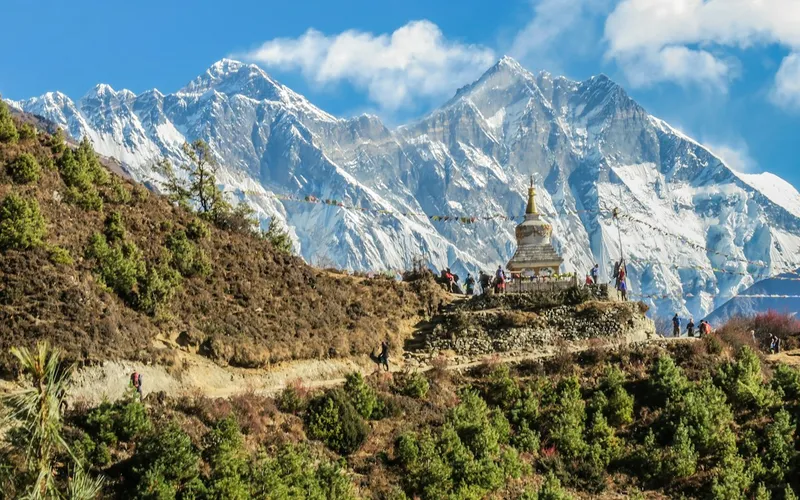
Glacial environments—such as the Baltoro in Pakistan, the Khumbu in Nepal, and the Fitz Roy massifs in Patagonia—operate under extreme microbiological constraints. Due to sub-zero temperatures, minimal liquid water, and intense ultraviolet radiation, organic waste, food scraps, and gear do not decompose over human timescales. A discarded rope or canister left at Camp IV on K2 or Everest can remain preserved for centuries.
As commercial mountaineering and trekking expand, the cumulative ecological footprint poses an existential threat to downstream watersheds that sustain millions of people in valleys below.
Key Principles of High-Altitude Stewardship
1. The Strict Pack-It-In, Pack-It-Out Mandate
Every item brought onto an alpine glacier must be carried back to designated roadhead disposal facilities:
- Oxygen Canisters & Batteries: Expended cylinders and lithium cells must be inventoried and returned.
- Fixed Lines & Anchors: Wherever safety permits during expedition breakdown, abandoned fixed ropes, pickets, and tent poles must not be left behind on ridges.
2. Human Waste Management in the Death Zone
On heavily traveled high camps, human waste accumulation represents both a biohazard and a desecration of wilderness.
- In glaciated valleys below snowline, use designated toilet tents with collection drums that are evacuated by trained porter services.
- Above high camps, modern expeditions must employ specialized pack-out bags (WAG bags) that contain gelling agents and deodorizers to carry waste down to base camp.
3. Cultural Respect and Porter Welfare
Alpine ethics extend beyond biology to the human communities who make expeditions possible:
- Ensure local high-altitude and low-altitude porters are provided with adequate cold-weather boots, clothing, sunglasses, and fair compensation.
- Observe mountain regulations, respect local sacred traditions regarding peaks, and engage with host communities with humility.
Preserving the silence, majesty, and unblemished granite of the great peaks is the collective duty of every generation of climbers.
Documented Sources & Archival Citations
- The Mountain Code: Environmental Guidelines for Trekkers and Climbers(UIAA Access & Conservation Commission)
Supporting claim: Core principles of waste removal and wilderness preservation
Accessed/Documented: 2026