
Hermann Buhl
Mountain Safety & Conditions Disclaimer: High-altitude climbing, glacial travel, and technical ascents entail severe objective risks including avalanches, serac collapses, rapid weather collapse, and altitude illness. Historical route descriptions and summit claims on Mountanity reflect documented archival sources and must not be used as live operational safety assessments. Local regulations, permits, and physical glacial topography change continuously.
Biographical Record
Hermann Buhl (1924–1957) was an Austrian mountaineer considered one of the greatest high-altitude innovators of all time. In 1953, he accomplished the legendary first ascent of Nanga Parbat via a grueling 41-hour solo push without supplemental oxygen. In 1957, he co-pioneered pure lightweight alpine style on an 8,000-meter giant with the first ascent of Broad Peak.
Notable Milestones & Ascents
- First ascent of Nanga Parbat (8,126m) solo without bottled oxygen (1953)
- First ascent of Broad Peak (8,051m) in alpine style (1957)
- First solo ascent of the Piz Badile Northeast Face
Associated Summits
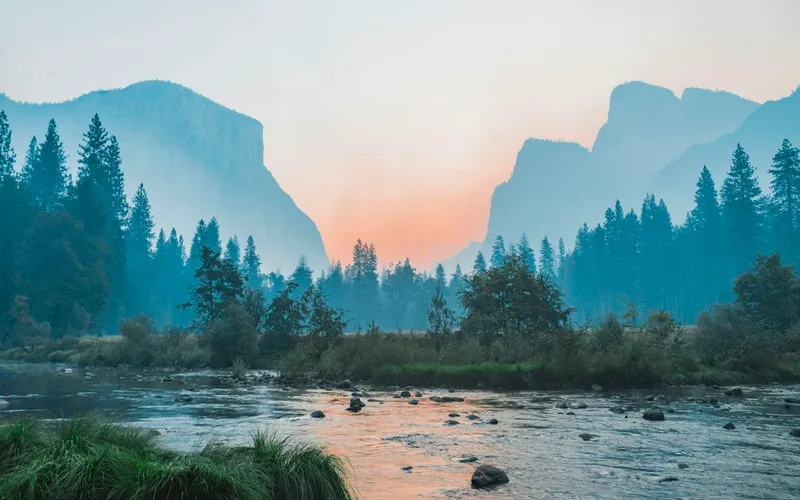
Nanga Parbat
Nanga Parbat, at 8,126 meters (26,660 ft), is the ninth-highest mountain on Earth and the western anchor of the Himalayas in Pakistan. It boasts the Rupal Face, the highest vertical precipice in the world at 4,600 meters from valley floor to summit. Known for profound climbing history, highlighted by Hermann Buhl's legendary solo summit without supplemental oxygen in 1953.
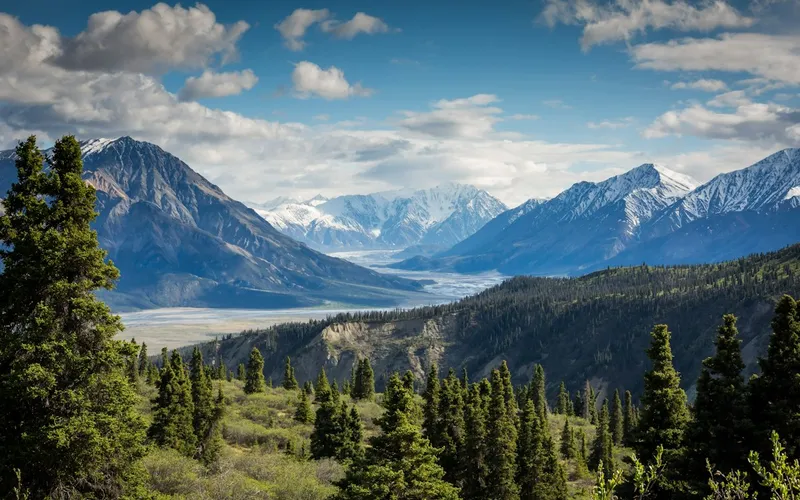
Broad Peak
Broad Peak, at 8,051 meters (26,414 ft), is the twelfth-highest mountain in the world. Located in the Karakoram directly across the Godwin-Austen Glacier from K2, it is famous for its 1.5-kilometre-long summit crest. First climbed in lightweight alpine style without supplemental oxygen or high-altitude porters in 1957 by an Austrian team.
Documented Expeditions
1953 Austro-German Nanga Parbat Expedition
The Austro-German expedition resulting in Hermann Buhl's epoch-making solo summit of Nanga Parbat (8,126m) without supplemental oxygen.
Documented Sources & Archival Citations
- Nanga Parbat Pilgrimage: The Lonely Challenge(Hodder & Stoughton)
Supporting claim: Autobiographical account of alpine expeditions
Accessed/Documented: 1956