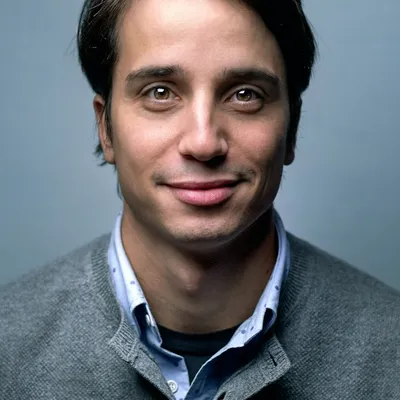
Nazir Sabir
Mountain Safety & Conditions Disclaimer: High-altitude climbing, glacial travel, and technical ascents entail severe objective risks including avalanches, serac collapses, rapid weather collapse, and altitude illness. Historical route descriptions and summit claims on Mountanity reflect documented archival sources and must not be used as live operational safety assessments. Local regulations, permits, and physical glacial topography change continuously.
Biographical Record
Nazir Sabir (born 1955) is Pakistan's most decorated high-altitude mountaineer. Hailing from the Hunza valley in Gilgit-Baltistan, he was the first Pakistani to summit K2 (1981, via the arduous Japanese West Ridge route) and Mount Everest. Over a celebrated career spanning decades, he championed mountain conservation, alpine safety ethics, and served as President of the Alpine Club of Pakistan.
Notable Milestones & Ascents
- First Pakistani ascent of K2 via difficult West Ridge (1981)
- Summited Broad Peak and Gasherbrum II within one week (1982)
- Awarded Sitara-i-Imtiaz and President's Pride of Performance
Associated Summits
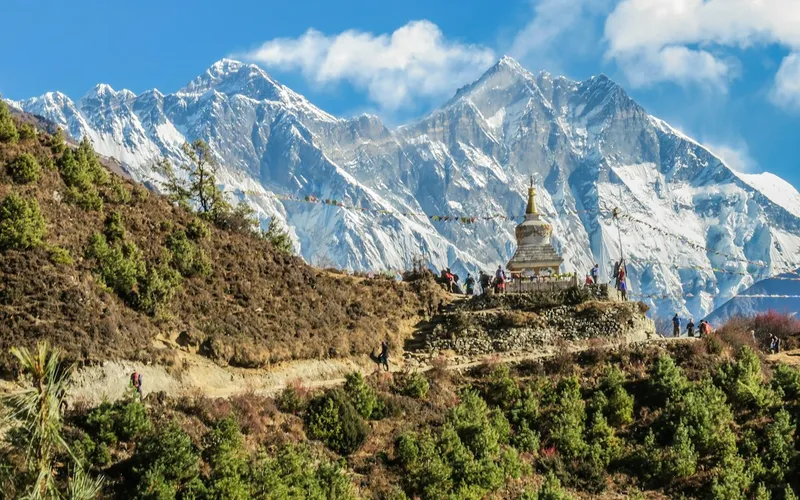
K2
K2, at 8,611 meters (28,251 ft), is the second-highest mountain on Earth and widely regarded as the most technically demanding and lethal 8,000-meter peak. Located in the heart of the Karakoram on the border between Pakistan and China, K2 is characterized by sheer relief, severe weather anomalies, and persistent objective hazards including the notorious Bottleneck couloir.
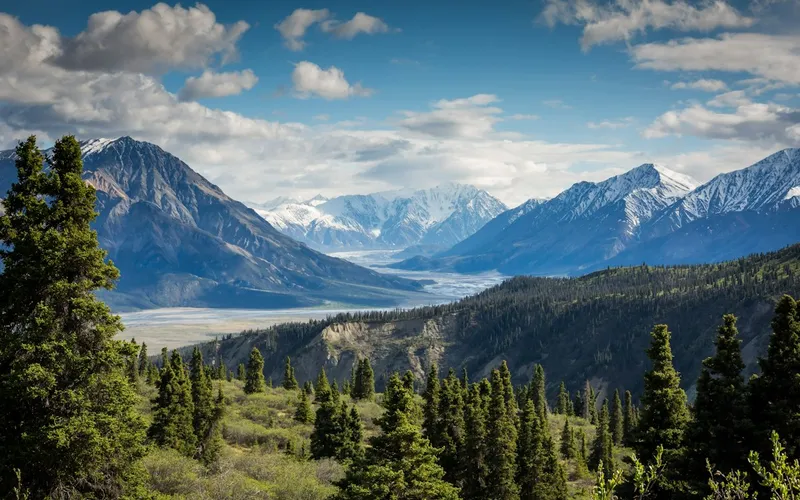
Broad Peak
Broad Peak, at 8,051 meters (26,414 ft), is the twelfth-highest mountain in the world. Located in the Karakoram directly across the Godwin-Austen Glacier from K2, it is famous for its 1.5-kilometre-long summit crest. First climbed in lightweight alpine style without supplemental oxygen or high-altitude porters in 1957 by an Austrian team.
Documented Sources & Archival Citations
- Mountaineering in Pakistan Archive(Alpine Club of Pakistan)
Supporting claim: Official verification of ascents and national awards
Accessed/Documented: 2026