Uschba-Mädel: The 1903 First Ascent of Ushba South Peak and the Gift of a Mountain
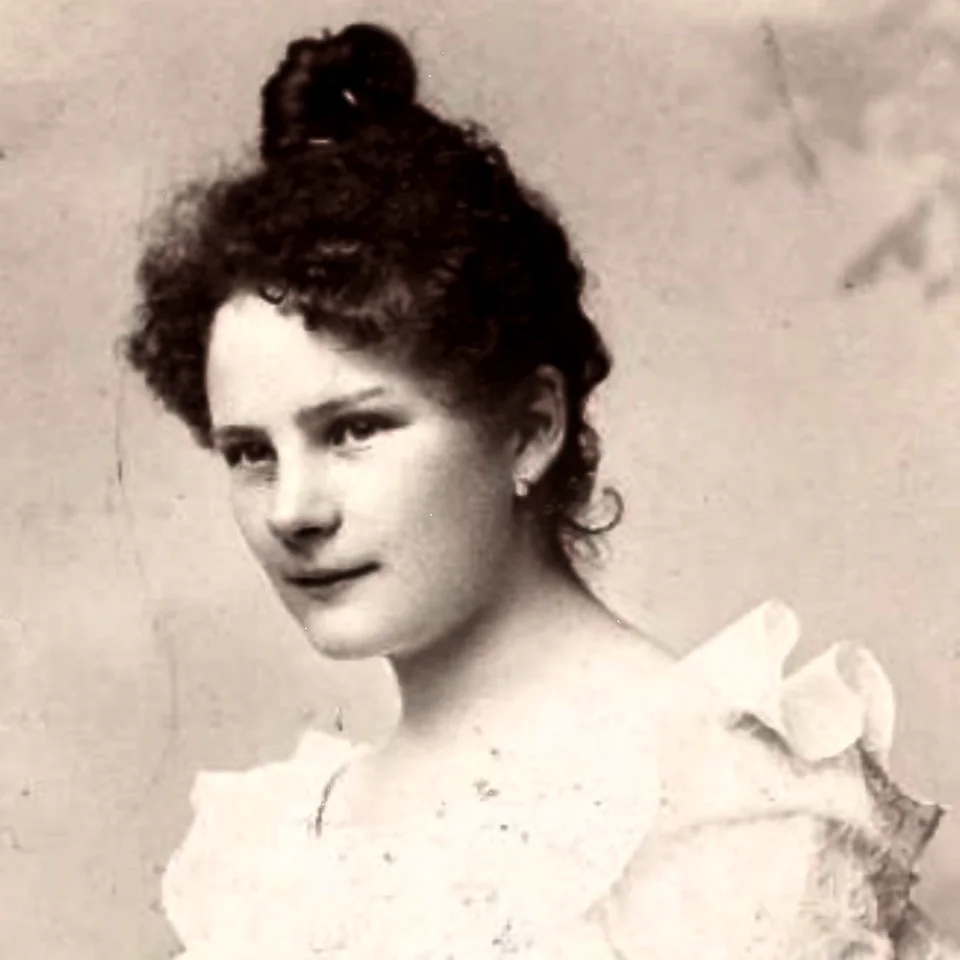
On July 26, 1903, Adolf Schulze and Cenzi von Ficker conquered Ushba South Peak (4,710 m). In tribute, Prince Dadeshkeliani of Svaneti deeded Mount Ushba to Cenzi.
Mountain Safety & Conditions Disclaimer: High-altitude climbing, glacial travel, and technical ascents entail severe objective risks including avalanches, serac collapses, rapid weather collapse, and altitude illness. Historical route descriptions and summit claims on Mountanity reflect documented archival sources and must not be used as live operational safety assessments. Local regulations, permits, and physical glacial topography change continuously.
Peer Review: Senior Editorial Board & Historical Reviewers • Editorial Standards
Uschba-Mädel: The 1903 First Ascent of Ushba South Peak and the Gift of a Mountain
The Unconquered Citadel of the Caucasus
At the turn of the twentieth century, fifteen years after the North Peak of Ushba was conquered by Cockin and Almer, its higher and far more formidable twin—Ushba South Peak (4,710 m)—remained the ultimate unsolved problem of world alpinism. Over twenty major expeditions led by the finest climbers from Britain, Germany, Austria, and Switzerland had attempted its vertical granite precipices, only to be turned back by sheer walls, terrifying stonefall, or ferocious storms.
In July 1903, German explorer Willi Rickmer Rickmers organized an elite international expedition under the auspices of the German and Austrian Alpine Club (DÖAV). The team featured:
- Adolf Schulze, twenty-three-year-old Munich rock prodigy whose friction climbing in the Bavarian Alps was legendary.
- Cenzi von Ficker, twenty-four-year-old Austrian alpine pioneer and sister of meteorologist Heinrich von Ficker.
- Robert Helbling, Swiss geodesist and mountaineer.
- Friedrich Reichert, German geologist.
Cenzi von Ficker was already renowned in the Alps for her technical agility and calm fortitude in severe terrain. In the Caucasus, her presence on such an extreme objective would create one of the most romantic and enduring legends in alpine history.
“Ushba South was considered an impossibility—a vertical wall of smooth granite that laughed at ropes and pitons.” — Willi Rickmer Rickmers, Alpenvereinsjahrbuch, 1904
The 20-Metre Plunge on the Crux Wall
In mid-July 1903, the expedition established a high camp above the Ushba Glacier and launched their first attempt on the South Peak.
Adolf Schulze took the sharp end of the rope. Climbing with breathtaking audacity up a vertical granite crack near the summit ridge, Schulze was reaching for a crucial handhold when a block tore loose. With a sickening sound, Schulze peeled off the wall, plunging twenty metres through space.
Down on the belay ledge, Heinrich von Ficker and Cenzi braced for the impact. With immense friction burns, the rope caught Schulze just above an abyss. Schulze suffered severe head wounds and concussion, but miraculously survived. Held on a narrow ledge in the middle of a savage thunderstorm, Cenzi tended to Schulze’s bleeding head with heroic composure, assisting in a miraculous multi-pitch retreat that brought everyone safely back to Base Camp.
The Prince and the Gift of Mount Ushba
While Schulze recuperated in camp, the feudal ruler of Upper Svaneti—Prince Tatarkhan Dadeshkeliani—visited the expedition. The Prince was deeply moved by the climbers’ struggle, and in particular by Cenzi von Ficker’s beauty, endurance, and fearless dedication to her injured comrade.
Declaring that no mortal woman had ever shown such valor upon the sacred mountains of Svaneti, Prince Dadeshkeliani drew up a formal deed of gift. Written in elegant Georgian script and stamped with his princely seal, the document declared:
“To the noble and most courageous lady, Cenzi von Ficker, who dared to tread upon the virgin glaciers of my ancestors: I, Prince Tatarkhan Dadeshkeliani, hereby grant and convey the mountain of Ushba to be her personal possession for all time.”
Across Europe, newspapers hailed Cenzi as the Uschba-Mädel (the Girl of Ushba)—the only woman in history to legally own a high mountain peak.
Triumph on the Red Granite Wall
Eight days after his near-fatal fall, with his head wrapped in bloodstained bandages, Adolf Schulze declared that he was ready to finish the climb.
On July 26, 1903, Schulze, Rickmers, Helbling, Reichert, and Anton Weber set out before dawn. Cenzi watched from the high camp with binoculars. Approaching the wall where he had fallen, Schulze bypassed the unstable crack, traversing onto an exposed slab of red granite. With calm mastery, he climbed the vertical pitches to the crest.
At 2:00 PM on July 26, 1903, the climbers stood atop Mount Ushba South Peak at 4,710 metres.
They had conquered the most difficult alpine mountain in the Russian Empire. Down in Svaneti, Cenzi von Ficker celebrated the triumph of her team on the mountain that now bore her name, securing her place as one of the legendary pioneers of global mountaineering.
Key Statistics & Topographic Figures
- Category
- Caucasian Pioneers
Archival Subject
- Reading Time
- 16 min read
Narrative Length
- Key Mountain
- ushba
Objective
- Ascent Route
- ushba-northeast-ridge
Topography
- Verification
- Editorially Verified
Archival Standard
Archival Primary Source Quotations
“In the mountains, truth is etched in ice and granite; every step requires unwavering respect for the heights.”
Defined Alpine Terminology & Concepts
- Summit Push
- The final continuous climbing effort from the highest established camp to the mountain apex and back.
- Death Zone Chronicle
- A verified, research-backed historical narrative documenting the human, technical, and environmental realities of an alpine expedition.
Frequently Asked Questions: Uschba-Mädel: The 1903 First Ascent of Ushba South Peak and the Gift of a Mountain
What is the core chronicle and subject of "Uschba-Mädel: The 1903 First Ascent of Ushba South Peak and the Gift of a Mountain"?
On July 26, 1903, Adolf Schulze and Cenzi von Ficker conquered Ushba South Peak (4,710 m). In tribute, Prince Dadeshkeliani of Svaneti deeded Mount Ushba to Cenzi.
Which mountain peaks and routes are featured in "Uschba-Mädel: The 1903 First Ascent of Ushba South Peak and the Gift of a Mountain"?
This narrative documents climbs on ushba along the ushba-northeast-ridge in Georgia.
Which documented expedition is chronicled in this story?
This historical chronicle captures the events of the 1903-schulze-ficker-ushba-south-peak-first-ascent, verified through contemporary journals and archival records.
Who authored and researched this archival chronicle?
Authored and researched by Mountainity Historical Research Desk, drawing on primary eyewitness testimonies, alpine club registries, and verified summit logs.
What makes this high-altitude chronicle historically significant?
Categorized under "Caucasian Pioneers", this chronicle preserves critical lessons in alpine leadership, survival, tactical speed, and human endurance in the death zone.
Related Mountains
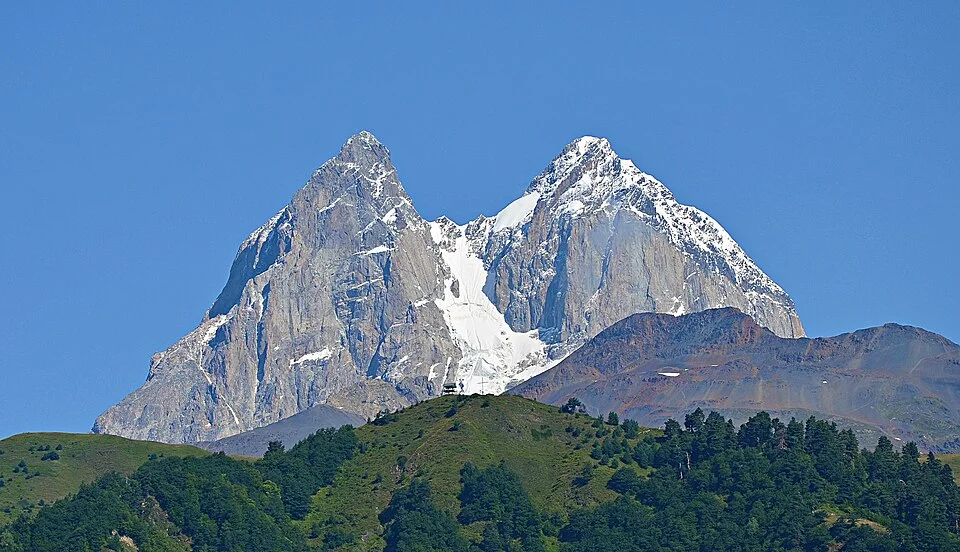

Ushba
Ushba is a legendary double-peaked granite horn in the Svaneti region of Georgia, universally celebrated as the 'Matterhorn of the Caucasus' and widely regarded as the most difficult technical mountaineering objective in the entire Caucasus range. Rising with breathtaking vertical ferocity above the high valleys of Mestia, Ushba features a South Peak (4,710 m) and a North Peak (4,690 m) separated by a jagged, corniced saddle. The North Peak was first climbed in 1888 by English mountaineer John Garford Cockin and Swiss guide Ulrich Almer, while the South Peak was first conquered in 1903 by a daring German-Austrian team led by Adolf Schulze, Willi Rickmer Rickmers, and Cenzi von Ficker.
Documented Sources & Archival Citations
- Alpenvereinsjahrbuch: Die Erstbesteigung des Uschba-Südgipfels 1903(Deutscher und Österreichischer Alpenverein (DÖAV))
Supporting claim: Firsthand official report of the 1903 Ushba South Peak first ascent
Accessed/Documented: 1904 - Frauen am Berg(Caroline Fink and Karin Steinbach / Tyrolia Verlag)
Supporting claim: Historical analysis of Cenzi von Ficker and the deed of Mount Ushba
Accessed/Documented: 2013