Shishapangma 1964: Conquering the Final Eight-Thousander
On May 2, 1964, a ten-man Chinese team led by Xu Jing and including Everest hero Wang Fuzhou conquered the 8,027-meter summit of Shishapangma, bringing to a triumphant close the historic golden era of first ascents of the world's 14 eight-thousanders.
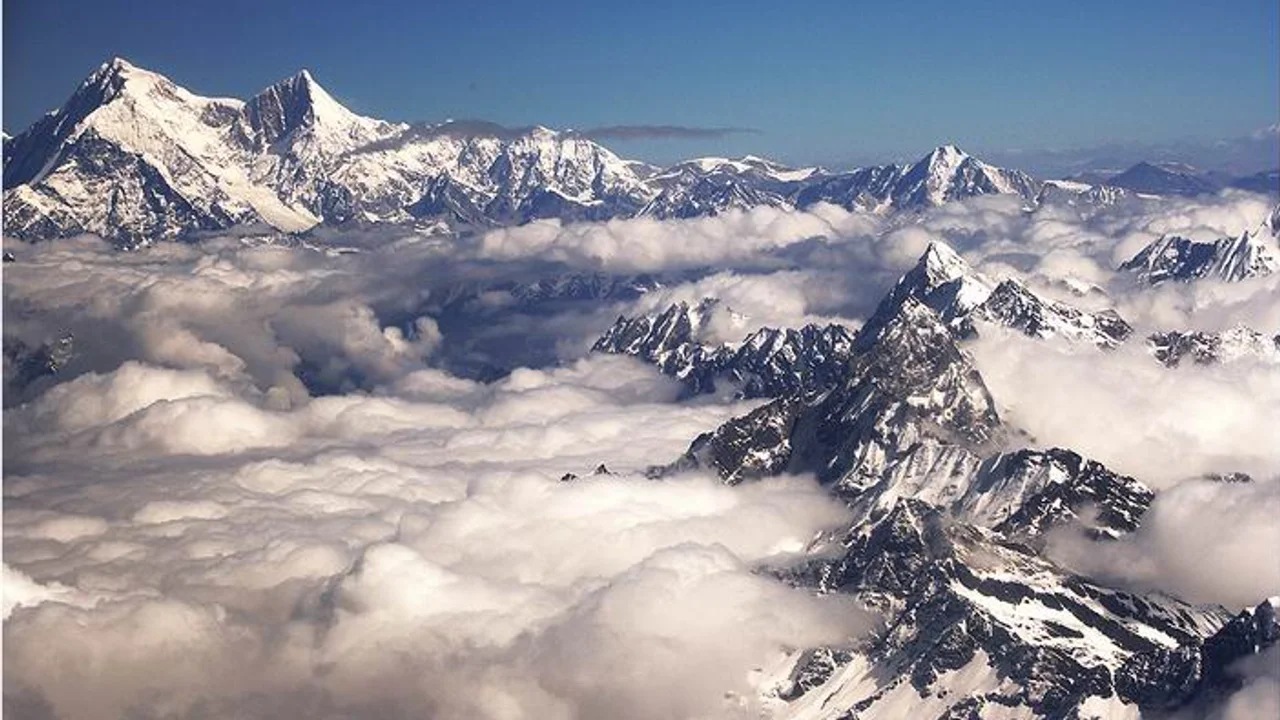
Mountain Safety & Conditions Disclaimer: High-altitude climbing, glacial travel, and technical ascents entail severe objective risks including avalanches, serac collapses, rapid weather collapse, and altitude illness. Historical route descriptions and summit claims on Mountanity reflect documented archival sources and must not be used as live operational safety assessments. Local regulations, permits, and physical glacial topography change continuously.
Peer Review: Senior Editorial Board & Historical Reviewers • Editorial Standards
Rising majestically in the Jugal Himal of south-central Tibet, approximately five kilometers north of the international frontier with Nepal, Shishapangma (8,027m, formerly known on British colonial surveys as Gosainthan) holds a unique geographical and historical distinction: it is the only 8,000-meter mountain in the world situated entirely within Tibetan/Chinese territory.
Because Tibet remained closed to western mountaineering expeditions throughout the post-war decades due to geopolitical restrictions, Shishapangma remained virgin territory long after the other thirteen eight-thousanders had fallen. By 1960, with the conquest of Dhaulagiri, thirteen giants had been conquered. Only Shishapangma remained unscaled—the final frontier of the golden age of Himalayan exploration.
The Mobilization of China’s Elite Alpinists
In early 1964, the Chinese Mountaineering Association (CMA) organized a massive national expedition to scale Shishapangma. Command was entrusted to Xu Jing (Hsu Ching), the seasoned deputy leader and logistics architect of the historic 1960 Chinese Everest expedition. The team was bolstered by Everest North Ridge summit hero Wang Fuzhou, alongside Zhang Junyan, Wu Zongyue, and a cadre of tough, acclimatized Tibetan climbers including Sodnam Doje, Migmar Trashi, and Doje.
In March 1964, the expedition established its Base Camp at 5,000 meters on the moraines of the Yebokangal Glacier on the northern approaches to the mountain. Navigating massive labyrinthine crevasses, frozen serac cascades, and biting Siberian jet-stream gales, Xu Jing directed the methodical placement of four high-altitude camps up the Northwest Face and Ridge, stocking Camp IV at 7,700 meters by late April.
The Summit Assault of May 2, 1964
On May 1, 1964, a ten-man assault party led by Xu Jing and Wang Fuzhou assembled at Camp IV. The night was bitterly cold, with temperatures hovering near minus thirty-five degrees Celsius. Because of high-altitude acclimatization gained over weeks on the northern glaciers, the team moved with rapid discipline.
At 6:00 AM on May 2, 1964, the climbers roped up in three cordées and embarked on the final summit push. Ahead lay the broad, wind-swept northern snow slopes leading toward the prominent summit ridge. The primary objective hazard was wind-packed slab snow, susceptible to fracturing under the climbers’ weight. Moving cautiously, probing each step with wooden ice axes, the team broke through the upper couloir and reached the knife-edge crest separating the true summit from the lower central peak.
At 10:20 AM on May 2, 1964, expedition leader Xu Jing stepped onto the 8,027-meter summit of Shishapangma, closely accompanied by Wang Fuzhou and eight teammates. For the first time in Himalayan history, ten climbers stood together on the maiden first ascent of an eight-thousander.
Closing the Golden Age of High-Altitude Exploration
Standing on the summit of Shishapangma, the climbers looked south across the border into Nepal, where the snow-crested massifs of Langtang, Jugal, and the Everest group stretched to the horizon. They planted the five-star national flag of China, retrieved rock samples for scientific study, and erected a small cairn on the highest crest.
The descent was executed with precision, all ten climbers returning safely to Camp IV and descending to Base Camp without casualties or serious frostbite.
With the successful ascent of Shishapangma on May 2, 1964, a glorious, fourteen-year chapter in human history drew to an end. Beginning with Maurice Herzog and Louis Lachenal on Annapurna I on June 3, 1950, and concluding with Xu Jing and Wang Fuzhou on Shishapangma on May 2, 1964, mankind had climbed to the highest points on Earth, unlocking all fourteen eight-thousanders and forever redefining the limits of human courage, science, and exploration.
Key Statistics & Topographic Figures
- Category
- Historic Expeditions
Archival Subject
- Reading Time
- 12 min read
Narrative Length
- Key Mountain
- shishapangma
Objective
- Ascent Route
- shishapangma-normal-route
Topography
- Verification
- Editorially Verified
Archival Standard
Archival Primary Source Quotations
“In the mountains, truth is etched in ice and granite; every step requires unwavering respect for the heights.”
Defined Alpine Terminology & Concepts
- Summit Push
- The final continuous climbing effort from the highest established camp to the mountain apex and back.
- Death Zone Chronicle
- A verified, research-backed historical narrative documenting the human, technical, and environmental realities of an alpine expedition.
Frequently Asked Questions: Shishapangma 1964: Conquering the Final Eight-Thousander
What is the core chronicle and subject of "Shishapangma 1964: Conquering the Final Eight-Thousander"?
On May 2, 1964, a ten-man Chinese team led by Xu Jing and including Everest hero Wang Fuzhou conquered the 8,027-meter summit of Shishapangma, bringing to a triumphant close the historic golden era of first ascents of the world's 14 eight-thousanders.
Which mountain peaks and routes are featured in "Shishapangma 1964: Conquering the Final Eight-Thousander"?
This narrative documents climbs on shishapangma along the shishapangma-normal-route in China.
Which documented expedition is chronicled in this story?
This historical chronicle captures the events of the 1964-chinese-shishapangma, verified through contemporary journals and archival records.
Who authored and researched this archival chronicle?
Authored and researched by Mountainity Historical Research Desk, drawing on primary eyewitness testimonies, alpine club registries, and verified summit logs.
What makes this high-altitude chronicle historically significant?
Categorized under "Historic Expeditions", this chronicle preserves critical lessons in alpine leadership, survival, tactical speed, and human endurance in the death zone.
Related Mountains
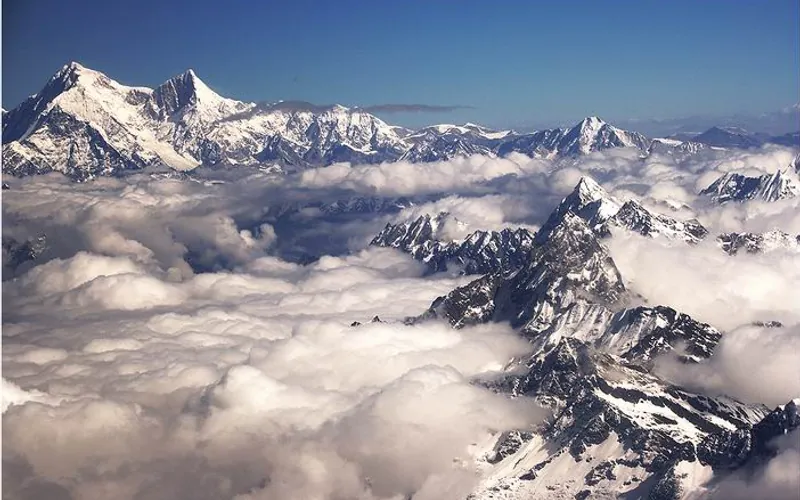

Shishapangma
Shishapangma, at 8,027 meters (26,335 ft), is the fourteenth-highest mountain on Earth and the only 8,000-meter peak situated entirely within Tibetan/Chinese territory. Due to geopolitical restrictions, it was the final eight-thousander to be climbed, summited by a Chinese expedition on May 2, 1964.
Documented Sources & Archival Citations
- A Clamour on Shisha Pangma(Chinese Mountaineering Association / Foreign Languages Press)
Supporting claim: Official expedition chronicle of the 1964 Shishapangma first ascent
Accessed/Documented: 1965 - The Himalayan Database: Shishapangma 1964 Registry(Elizabeth Hawley Archive)
Supporting claim: Official expedition verification, summit timestamps, and participant rosters
Accessed/Documented: 2026 - Conquering the World's Highest Peak(Foreign Languages Press Beijing)
Supporting claim: Historical documentation of Wang Fuzhou and Xu Jing's high-altitude credentials
Accessed/Documented: 1961