The Ice Warriors on the Turquoise Goddess: The 1985 Winter Ascent of Cho Oyu
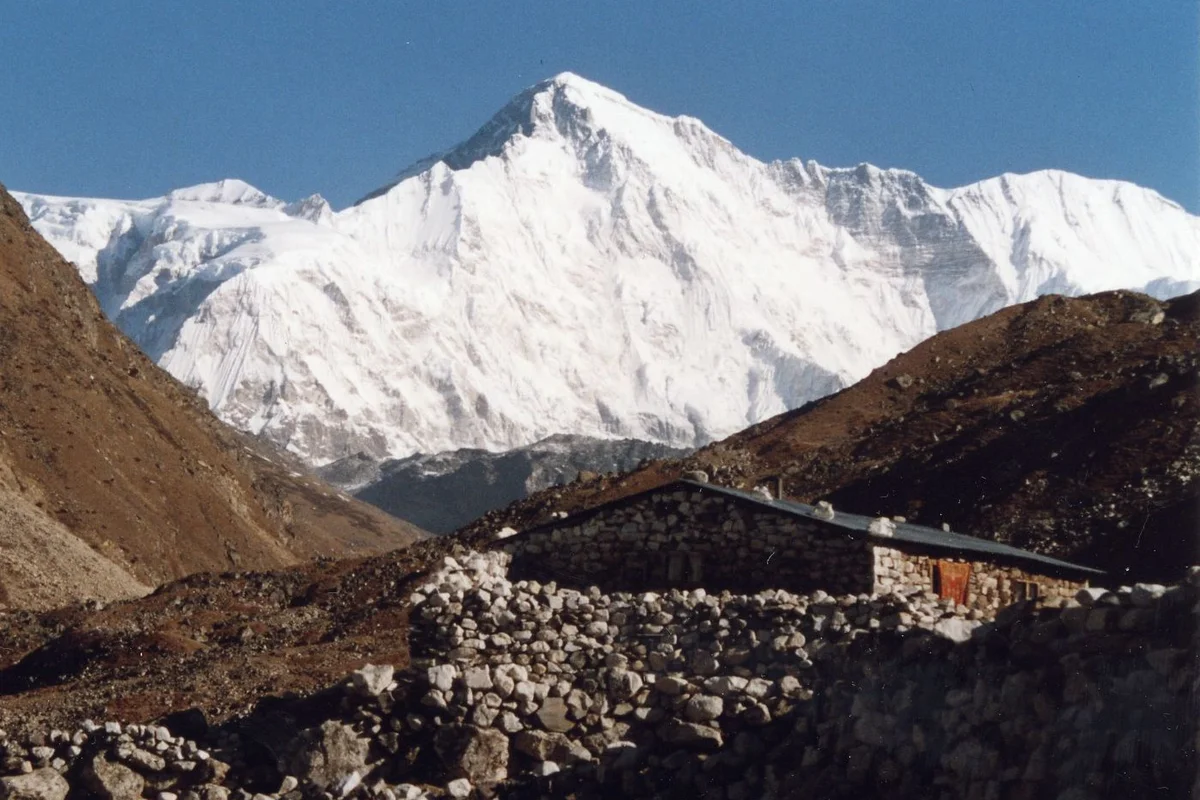
On February 12, 1985, Polish mountaineers Maciej Berbeka and Krzysztof Pankiewicz accomplished the historic first winter ascent of Cho Oyu (8,188m) via a new technical Southwest Buttress.
Mountain Safety & Conditions Disclaimer: High-altitude climbing, glacial travel, and technical ascents entail severe objective risks including avalanches, serac collapses, rapid weather collapse, and altitude illness. Historical route descriptions and summit claims on Mountanity reflect documented archival sources and must not be used as live operational safety assessments. Local regulations, permits, and physical glacial topography change continuously.
Peer Review: Senior Editorial Board & Historical Reviewers • Editorial Standards
By the winter of 1984–1985, Poland’s “Ice Warriors” had already revolutionized high-altitude alpinism. Led by visionary architect Andrzej Zawada, Polish climbers had conquered Mount Everest in winter 1980 and Manaslu in winter 1984. Denied funding and travel freedoms under the communist regime, they compensated with superhuman physical toughness, improvised woolen equipment, and an unyielding collective brotherhood.
For the winter of 1984–1985, Zawada set his sights on Cho Oyu (8,188m), the “Turquoise Goddess” straddling the border between Nepal and Tibet. While Cho Oyu’s standard northwestern flank was considered technically moderate, Zawada rejected an easy path. Instead, the Polish-Canadian expedition resolved to tackle the unclimbed, formidable Southwest Buttress (Pillar)—a severe direct line of frozen rock walls, hanging ice gullies, and exposed ridges that had repelled multiple summer expeditions.
Technical Agony in the Sub-Zero Hurricane
Among Zawada’s team was thirty-three-year-old Krzysztof Pankiewicz from Łódź, a doctorate holder in pharmaceutical sciences who possessed exceptional technical rock-and-ice prowess honed in the High Tatras, alongside thirty-year-old Zakopane mountain rescuer Maciej Berbeka.
Arriving at the base of the Southwest Face in mid-December, the team encountered apocalyptic weather. The Himalayan winter jet stream brought relentless gales that threatened to rip tents from their moorings. Climbing without high-altitude porters or supplemental bottled oxygen, Pankiewicz and Berbeka took turns leading the technical cruxes. They hammered pitons into shattered schist, cleared feet of powdery snow from sheer vertical slabs, and fixed lines through bulletproof ice couloirs in temperatures plunging below −40 °C.
The Decisive Push Through the Spindrift
By early February 1985, the expedition had established Camp IV on the upper buttress at 7,700 meters. The physical toll was severe: fingers and toes were turning numb, frost covered every inch of clothing, and the howling wind made communication impossible. But knowing that their weather window was closing, Berbeka and Pankiewicz resolved to strike for the top.
At dawn on February 12, 1985, the two climbers stepped into the sub-zero blizzard. Clad in multi-layered homemade down gear and heavy double boots, they pushed up the steep upper ramparts of the Southwest Face. Hypoxia weighed on every muscle, and the thin air froze their throats. Pankiewicz utilized his deep understanding of high-altitude pharmacology and physiology to monitor their hydration and cold exposure, keeping hypothermia at bay.
Triumph on the Turquoise Goddess
Around 2:00 PM on February 12, Berbeka and Pankiewicz finally overcame the final rock band and emerged onto the vast, windswept summit plateau of Cho Oyu at 8,188 meters. Through tears and ice-encrusted goggles, they embraced in the howling gale. They had not only completed the first winter ascent of Cho Oyu; they had done so by pioneering a brand-new, highly technical line in pure alpine style.
Three days later, teammates Jerzy Kukuczka and Zygmunt Heinrich repeated the route to the summit, cementing an absolute Polish masterclass on Cho Oyu. Krzysztof Pankiewicz and Maciej Berbeka’s historic ascent remains celebrated as one of the boldest chapters in the golden age of Polish winter mountaineering.
Key Statistics & Topographic Figures
- Category
- Winter Himalayan Pioneers
Archival Subject
- Reading Time
- 14 min read
Narrative Length
- Key Mountain
- cho-oyu
Objective
- Ascent Route
- cho-oyu-normal-route
Topography
- Verification
- Editorially Verified
Archival Standard
Archival Primary Source Quotations
“In the mountains, truth is etched in ice and granite; every step requires unwavering respect for the heights.”
Defined Alpine Terminology & Concepts
- Summit Push
- The final continuous climbing effort from the highest established camp to the mountain apex and back.
- Death Zone Chronicle
- A verified, research-backed historical narrative documenting the human, technical, and environmental realities of an alpine expedition.
Frequently Asked Questions: The Ice Warriors on the Turquoise Goddess: The 1985 Winter Ascent of Cho Oyu
What is the core chronicle and subject of "The Ice Warriors on the Turquoise Goddess: The 1985 Winter Ascent of Cho Oyu"?
On February 12, 1985, Polish mountaineers Maciej Berbeka and Krzysztof Pankiewicz accomplished the historic first winter ascent of Cho Oyu (8,188m) via a new technical Southwest Buttress.
Which mountain peaks and routes are featured in "The Ice Warriors on the Turquoise Goddess: The 1985 Winter Ascent of Cho Oyu"?
This narrative documents climbs on cho-oyu along the cho-oyu-normal-route in Nepal / Tibet.
Which documented expedition is chronicled in this story?
This historical chronicle captures the events of the 1985-polish-cho-oyu-winter-first-ascent, verified through contemporary journals and archival records.
Who authored and researched this archival chronicle?
Authored and researched by Mountainity Historical Research Desk, drawing on primary eyewitness testimonies, alpine club registries, and verified summit logs.
What makes this high-altitude chronicle historically significant?
Categorized under "Winter Himalayan Pioneers", this chronicle preserves critical lessons in alpine leadership, survival, tactical speed, and human endurance in the death zone.
Related Mountains
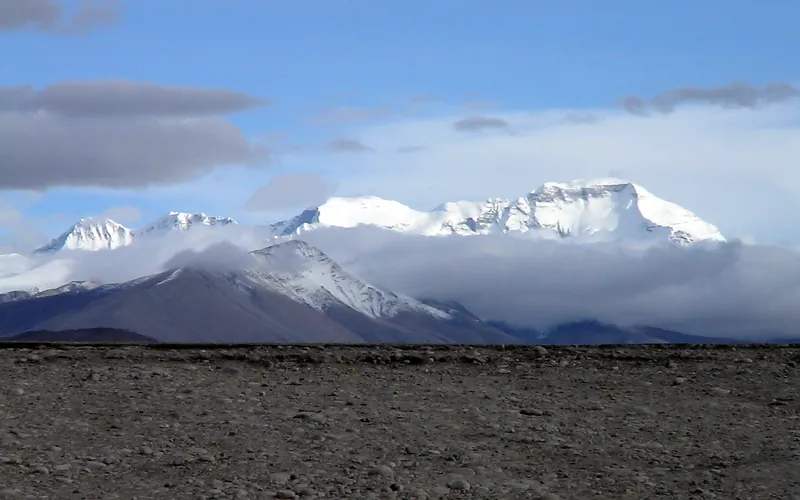


Cho Oyu
Cho Oyu, at 8,188 meters (26,864 ft), is the sixth-highest mountain in the world, situated 20 km west of Mount Everest. Meaning 'Turquoise Goddess' in Tibetan, it stands on the glaciated Nangpa La trade route between Nepal and Tibet. Its moderate northwest slopes make it the most accessible 8,000-meter peak.
Documented Sources & Archival Citations
- American Alpine Journal: Cho Oyu, First Winter Ascent by Polish Team(American Alpine Club)
Supporting claim: Official climb report verifying the February 12, 1985 first winter summit by Berbeka and Pankiewicz
Accessed/Documented: 1986 - Taternik: Cho Oyu Zimą 1985 (Cho Oyu in Winter 1985)(Polski Związek Alpinizmu)
Supporting claim: Detailed logistical and technical route chronicle of the Southwest Buttress first winter ascent
Accessed/Documented: 1985