Cold Lightning: Artur Hajzer and Jerzy Kukuczka Conquer Annapurna in Winter
On February 3, 1987, Polish alpinists Artur Hajzer and Jerzy Kukuczka conquered Annapurna I in winter at -40°C, navigating blue ice and avalanche corridors without oxygen.
Mountain Safety & Conditions Disclaimer: High-altitude climbing, glacial travel, and technical ascents entail severe objective risks including avalanches, serac collapses, rapid weather collapse, and altitude illness. Historical route descriptions and summit claims on Mountanity reflect documented archival sources and must not be used as live operational safety assessments. Local regulations, permits, and physical glacial topography change continuously.
Peer Review: Senior Editorial Board & Historical Reviewers • Editorial Standards
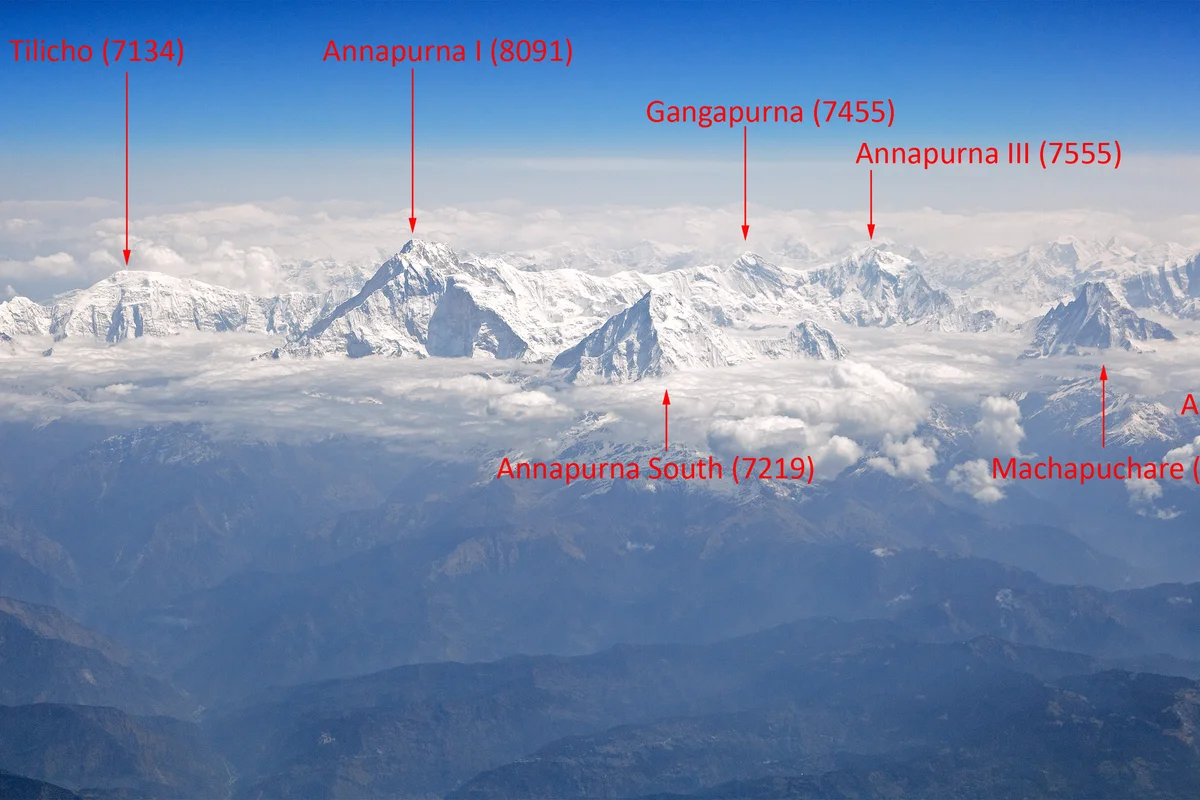
Among the world’s fourteen 8,000-meter peaks, Annapurna I (8,091m) held a dark reputation as the most lethal giant in the Himalaya. Long before modern safety technology, its vast northern cirque was known to alpine historians as a deadly labyrinth of hanging ice avalanches, sweeping spindrift, and sudden serac collapses. To enter this frozen amphitheater during the dead of winter, when temperatures plummet beneath -40°C and hurricane jet stream winds scour the slopes down to bare blue ice, was considered by many international experts to be virtually suicidal.
Yet in the winter of 1986–1987, the Polish ‘Ice Warriors’ were at the absolute zenith of their power. Jerzy Kukuczka, having already climbed twelve eight-thousanders and locked in a historic race with Reinhold Messner to conquer all fourteen, partnered with twenty-four-year-old rising star Artur Hajzer. Nicknamed ‘Słoń’ (The Elephant) for his immense physical power and stamina in deep snow, Hajzer brought boundless youthful aggression and logistical brilliance to the partnership.
The Siege of the Frozen Amphitheater
Arriving at Annapurna Base Camp in early January 1987, the Polish team was struck by the bleak hostility of the mountain. Unlike summer expeditions, where melting snow lubricates seracs and triggers daily avalanches, winter Annapurna was locked in an eerie, brittle silence. The rock was coated in slick verglas, while the ice slopes were hard as tempered steel, causing crampon points to bounce off the surface with dull metallic thuds.
Operating without high-altitude porters or supplemental bottled oxygen, Hajzer and Kukuczka carried their own loads up the classic 1950 French route on the North Face. They climbed through narrow, heavily crevassed couloirs, establishing Camp I at 5,000 meters and Camp II at 5,800 meters. On several nights, hurricane gusts tore through their camps, forcing them to hold down tent poles with their bare shoulders to prevent their shelters from being shredded into the void.
The Lightning Push Through -40°C
By late January, Kukuczka and Hajzer realized that an extended siege in the bitter cold would lead to fatal frostbite. They resolved to make a lightning alpine dash. On February 1, they climbed up to Camp IV at 7,400 meters, perched precariously on a windswept plateau beneath the final summit headwall. The night was excruciatingly cold; temperatures inside their single-wall assault tent plunged below -30°C, and their breath froze into thick sheets of frost that fell over their faces like snow.
At 6:00 AM on February 3, 1987, the two men stepped out into a howling gale. Moving together without artificial oxygen, every breath required multiple gasping inhalations in the thin, sub-zero air. Hajzer, young and possessing incredible cardiovascular endurance, took turns breaking trail with Kukuczka through hard-packed wind slab and across technical limestone bands.
Standing on the Roof of the Sanctuary
Navigating around a massive bergschrund and kicking their front-points into forty-five-degree ice, they breached the summit ridge at midday. Above them stretched the knife-edge crest leading to the highest point. Balancing along the narrow snow spine with thousands of meters of vertical drop on either side, Artur Hajzer and Jerzy Kukuczka stepped onto the 8,091-meter summit of Annapurna I.
The time was 4:15 PM local time. On top, sub-zero winds whipped their down suits, but the sky was immaculate, revealing the vast panorama of Dhaulagiri and the Tibetan plateau in razor-sharp winter clarity. For Kukuczka, it was his thirteenth eight-thousander and his fourth first winter ascent; for the young Hajzer, it was his first 8,000-meter peak and an instant ticket into mountaineering immortality. Their successful ascent marked Poland’s fifth winter conquest of an eight-thousander, proving that pure determination and alpine brotherhood could triumph over the coldest mountain on Earth.
Key Statistics & Topographic Figures
- Category
- Winter Himalayan Pioneers
Archival Subject
- Reading Time
- 15 min read
Narrative Length
- Key Mountain
- annapurna-1
Objective
- Ascent Route
- annapurna-north-face
Topography
- Verification
- Editorially Verified
Archival Standard
Archival Primary Source Quotations
“In the mountains, truth is etched in ice and granite; every step requires unwavering respect for the heights.”
Defined Alpine Terminology & Concepts
- Summit Push
- The final continuous climbing effort from the highest established camp to the mountain apex and back.
- Death Zone Chronicle
- A verified, research-backed historical narrative documenting the human, technical, and environmental realities of an alpine expedition.
Frequently Asked Questions: Cold Lightning: Artur Hajzer and Jerzy Kukuczka Conquer Annapurna in Winter
What is the core chronicle and subject of "Cold Lightning: Artur Hajzer and Jerzy Kukuczka Conquer Annapurna in Winter"?
On February 3, 1987, Polish alpinists Artur Hajzer and Jerzy Kukuczka conquered Annapurna I in winter at -40°C, navigating blue ice and avalanche corridors without oxygen.
Which mountain peaks and routes are featured in "Cold Lightning: Artur Hajzer and Jerzy Kukuczka Conquer Annapurna in Winter"?
This narrative documents climbs on annapurna-1 along the annapurna-north-face in Nepal.
Which documented expedition is chronicled in this story?
This historical chronicle captures the events of the 1987-polish-annapurna-winter, verified through contemporary journals and archival records.
Who authored and researched this archival chronicle?
Authored and researched by Mountainity Historical Research Desk, drawing on primary eyewitness testimonies, alpine club registries, and verified summit logs.
What makes this high-altitude chronicle historically significant?
Categorized under "Winter Himalayan Pioneers", this chronicle preserves critical lessons in alpine leadership, survival, tactical speed, and human endurance in the death zone.
Related Mountains

Annapurna I
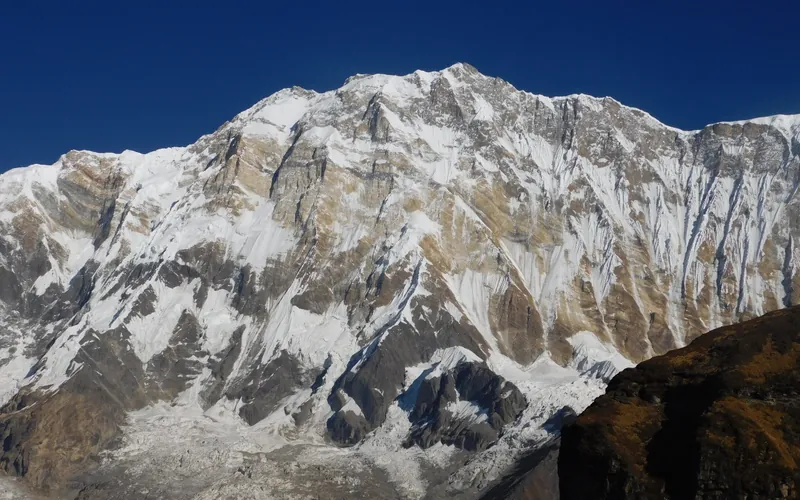
Annapurna I, at 8,091 meters (26,545 ft), is the tenth-highest mountain in the world and historically the first 8,000-meter peak ever summited (June 3, 1950 by Maurice Herzog and Louis Lachenal). Rising above the Annapurna Sanctuary, its north and south walls present extreme avalanche and serac fall hazards.
Documented Sources & Archival Citations
- American Alpine Journal: Annapurna Winter First Ascent by Artur Hajzer(American Alpine Club)
Supporting claim: Official expedition report and climb documentation for the first winter ascent of Annapurna I
Accessed/Documented: 1988 - My Vertical World: Climbing the 8000-Metre Peaks(Jerzy Kukuczka / Hodder & Stoughton)
Supporting claim: Detailed first-hand account of the winter summit push with Artur Hajzer
Accessed/Documented: 1992