Sagarmatha's Daughter: Pasang Lhamu Sherpa's Historic Everest Breakthrough
On April 22, 1993, Pasang Lhamu Sherpa shattered patriarchal boundaries to become the first Nepali woman to stand on the summit of Mount Everest.
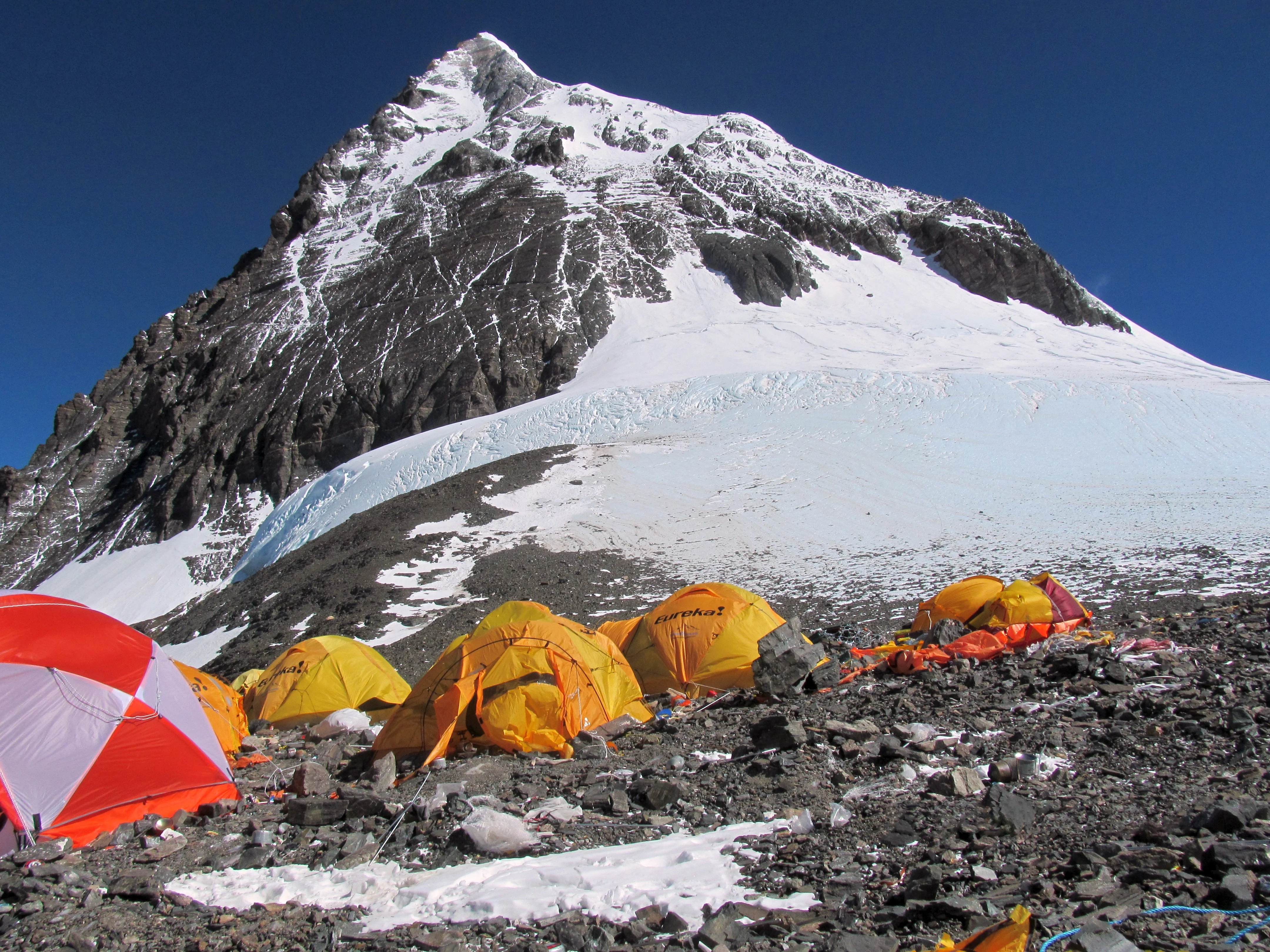
Mountain Safety & Conditions Disclaimer: High-altitude climbing, glacial travel, and technical ascents entail severe objective risks including avalanches, serac collapses, rapid weather collapse, and altitude illness. Historical route descriptions and summit claims on Mountanity reflect documented archival sources and must not be used as live operational safety assessments. Local regulations, permits, and physical glacial topography change continuously.
Peer Review: Senior Editorial Board & Historical Reviewers • Editorial Standards
For decades after Sir Edmund Hillary and Tenzing Norgay stood atop Mount Everest in 1953, the men of the Sherpa community gained international fame as the indispensable backbone of Himalayan exploration. Yet behind the scenes, Sherpa women remained bound by ancient cultural traditions and domestic expectations, restricted from high-altitude climbing roles. Pasang Lhamu Sherpa refused to accept this boundary.
Born in 1961 in Surke near Lukla, Pasang Lhamu grew up watching foreign expeditions hire village men while women tended family hearths and yaks. Driven by a deep spiritual reverence for Chomolungma (‘Mother Goddess of the World’) and an unshakeable conviction that Nepalese women possessed equal strength and courage, she resolved to become the first woman from Nepal to stand on the highest point on Earth.
Three Heartbreaking Defeats
Pasang Lhamu’s path to the summit was forged through heartbreaking adversity. In 1990, on her first attempt, she reached 8,000 meters on the South Col before foul weather forced a retreat. In 1991, joining an international team, she climbed to within a tantalizing two hundred meters of the summit at 8,650 meters, only to be ordered down by male climbing leaders whose supplies were running low. In 1992, on her third attempt, fierce blizzards once again halted her advance at the South Summit.
Many would have surrendered. But Pasang Lhamu recognized that her quest had grown beyond personal ambition—it had become a national movement. Frustrated by foreign expedition politics, she took matters into her own hands, securing commercial sponsorships from the San Miguel brewery to organize the first all-Nepalese Women’s Mount Everest Expedition in the spring of 1993. As expedition leader, she oversaw every detail: logistics through the Khumbu Icefall, sherpa porter compensation, oxygen caches, and high-altitude route fixing.
The Triumph of April 22, 1993
In April 1993, after establishing Camp IV at the South Col (7,920m), a weather window opened. At 21:00 on April 21, Pasang Lhamu and four fellow Sherpa climbers—Sonam Tshering, Lhakpa Norbu, Pemba Norbu, and Dawa Tashi—stepped into the freezing blackness of the upper mountain.
Climbing through the Death Zone under starlight, they navigated the steep triangular snow face to the Balcony (8,400m), traversed the knife-edge South Summit (8,749m), and climbed the jagged vertical granite of the Hillary Step. At 14:15 on April 22, 1993, bathed in golden sunlight, Pasang Lhamu Sherpa stood upon the summit of Mount Everest. She had become the first Nepali woman in human history to stand on top of Sagarmatha. Unfurling the flag of Nepal and placing sacred Buddhist prayer cords upon the summit snows, she fulfilled her lifelong dream.
The Tragedy on the South Summit
Yet Everest extracts an unforgiving toll. During the descent, Sonam Tshering fell severely ill with high-altitude pulmonary and cerebral edema near the South Summit. With their supplemental oxygen depleted and evening winds howling, Pasang Lhamu faced an agonizing choice: descend to the safety of Camp IV alone, or stay with her dying companion. True to the Sherpa ethos of solidarity, Pasang Lhamu refused to leave Sonam Tshering.
The two climbers endured an unsheltered bivouac at 8,749 meters in temperatures plummeting below minus forty degrees. Fierce blizzards prevented rescue climbers from reaching them for eighteen days. When search teams finally climbed to the South Summit in May, they found Pasang Lhamu resting peacefully in the snow, having succumbed to hypothermia.
An Immortal National Legacy
Pasang Lhamu’s sacrifice electrified the nation. When her body was repatriated to Kathmandu, over one hundred thousand citizens lined the streets in an outpouring of grief and reverence. The Government of Nepal proclaimed her a Rastriya Bibhuti (‘National Hero of Nepal’), the highest civilian distinction in the nation. The 7,351-meter mountain Jasamba Himal was officially renamed Pasang Lhamu Peak, and a commemorative postal stamp was issued in her honor.
More than any monument, Pasang Lhamu ignited a revolution for South Asian women. Her courage proved that the daughters of the Himalayas belonged on the world’s highest peaks, inspiring future record-breakers like Lhakpa Sherpa and opening the gates for generations of female mountaineers to follow.
Key Statistics & Topographic Figures
- Category
- Himalayan Women Pioneers & High-Altitude Legends
Archival Subject
- Reading Time
- 14 min read
Narrative Length
- Key Mountain
- mount-everest
Objective
- Ascent Route
- south-col-route
Topography
- Verification
- Editorially Verified
Archival Standard
Archival Primary Source Quotations
“In the mountains, truth is etched in ice and granite; every step requires unwavering respect for the heights.”
Defined Alpine Terminology & Concepts
- Summit Push
- The final continuous climbing effort from the highest established camp to the mountain apex and back.
- Death Zone Chronicle
- A verified, research-backed historical narrative documenting the human, technical, and environmental realities of an alpine expedition.
Frequently Asked Questions: Sagarmatha's Daughter: Pasang Lhamu Sherpa's Historic Everest Breakthrough
What is the core chronicle and subject of "Sagarmatha's Daughter: Pasang Lhamu Sherpa's Historic Everest Breakthrough"?
On April 22, 1993, Pasang Lhamu Sherpa shattered patriarchal boundaries to become the first Nepali woman to stand on the summit of Mount Everest.
Which mountain peaks and routes are featured in "Sagarmatha's Daughter: Pasang Lhamu Sherpa's Historic Everest Breakthrough"?
This narrative documents climbs on mount-everest along the south-col-route in Nepal.
Which documented expedition is chronicled in this story?
This historical chronicle captures the events of the 1993-pasang-lhamu-everest, verified through contemporary journals and archival records.
Who authored and researched this archival chronicle?
Authored and researched by Mountainity Historical Research Desk, drawing on primary eyewitness testimonies, alpine club registries, and verified summit logs.
What makes this high-altitude chronicle historically significant?
Categorized under "Himalayan Women Pioneers & High-Altitude Legends", this chronicle preserves critical lessons in alpine leadership, survival, tactical speed, and human endurance in the death zone.
Related Mountains


Mount Everest
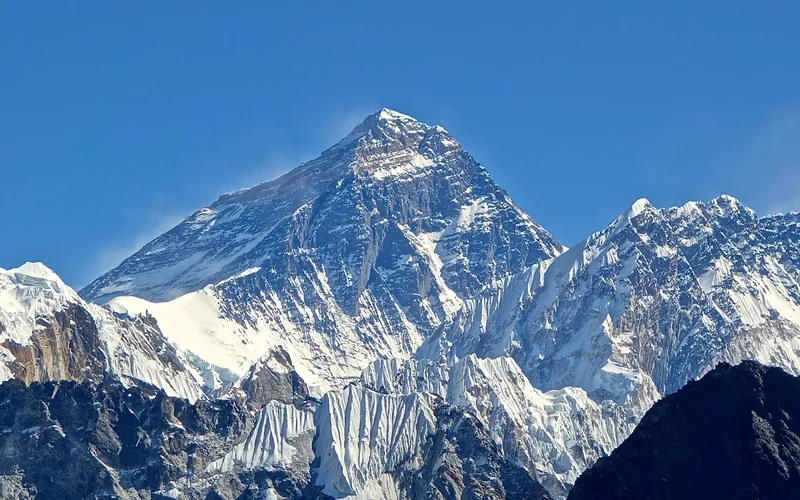
Mount Everest is the highest mountain above sea level on Earth, standing at an official elevation of 8,848.86 meters (29,031.7 ft). Straddling the international frontier between Nepal and China, it is known locally as Sagarmatha in Nepali ('Goddess of the Sky') and Chomolungma in Tibetan ('Mother Goddess of the World'). The peak rises into the extreme upper troposphere, where oxygen levels drop to barely one-third of sea-level pressure. Climbers face hurricane-force jet stream winds, severe frostbite conditions, shifting ice crevasses in the Khumbu Icefall, and the dangerous Death Zone above 8,000 meters.
Documented Sources & Archival Citations
- Himalayan Database: Pasang Lhamu Sherpa 1993 Ascent(Elizabeth Hawley / Himalayan Database)
Supporting claim: Official verification of the April 22, 1993 summit of Mount Everest by Pasang Lhamu Sherpa
Accessed/Documented: 2024 - Pasang: In the Shadow of Everest(Sharon Wood / Mountainfilm Archive)
Supporting claim: Historical documentation of Pasang Lhamu's life, leadership, and final descent
Accessed/Documented: 2022