The Solitary Ghost of Shishapangma: Jean-Christophe Lafaille's Winter Masterpiece
On December 11, 2004, French solo master Jean-Christophe Lafaille achieved the first solo winter ascent of Shishapangma (8,027m) via the direct South Face without oxygen.
Mountain Safety & Conditions Disclaimer: High-altitude climbing, glacial travel, and technical ascents entail severe objective risks including avalanches, serac collapses, rapid weather collapse, and altitude illness. Historical route descriptions and summit claims on Mountanity reflect documented archival sources and must not be used as live operational safety assessments. Local regulations, permits, and physical glacial topography change continuously.
Peer Review: Senior Editorial Board & Historical Reviewers • Editorial Standards
In the pantheon of extreme high-altitude alpinism, few figures have embodied the concept of absolute, uncompromising solitude like France’s Jean-Christophe Lafaille. Born in Gap in 1965, Lafaille had been forged in the crucible of tragedy. In 1992, on the terrifying South Face of Annapurna, his climbing partner and mentor Pierre Béghin plummeted to his death when their rappel anchor blew out. Left completely alone at 7,100 meters with a shattered right arm and only twenty meters of rope, Lafaille fought his way down the vertical wall over five agonizing days in an epic of human survival.
Instead of breaking him, the Annapurna nightmare distilled Lafaille’s climbing into pure, solitary focus. He realized that in the death zone, the only person he could rely on was himself. Over the following decade, he climbed eleven eight-thousanders without bottled oxygen, establishing daring solo routes on Cho Oyu, Manaslu, and Annapurna. But by late 2004, he sought the ultimate challenge: climbing an eight-thousander completely alone in the dead of winter.
The Barren Solitude of Tibet
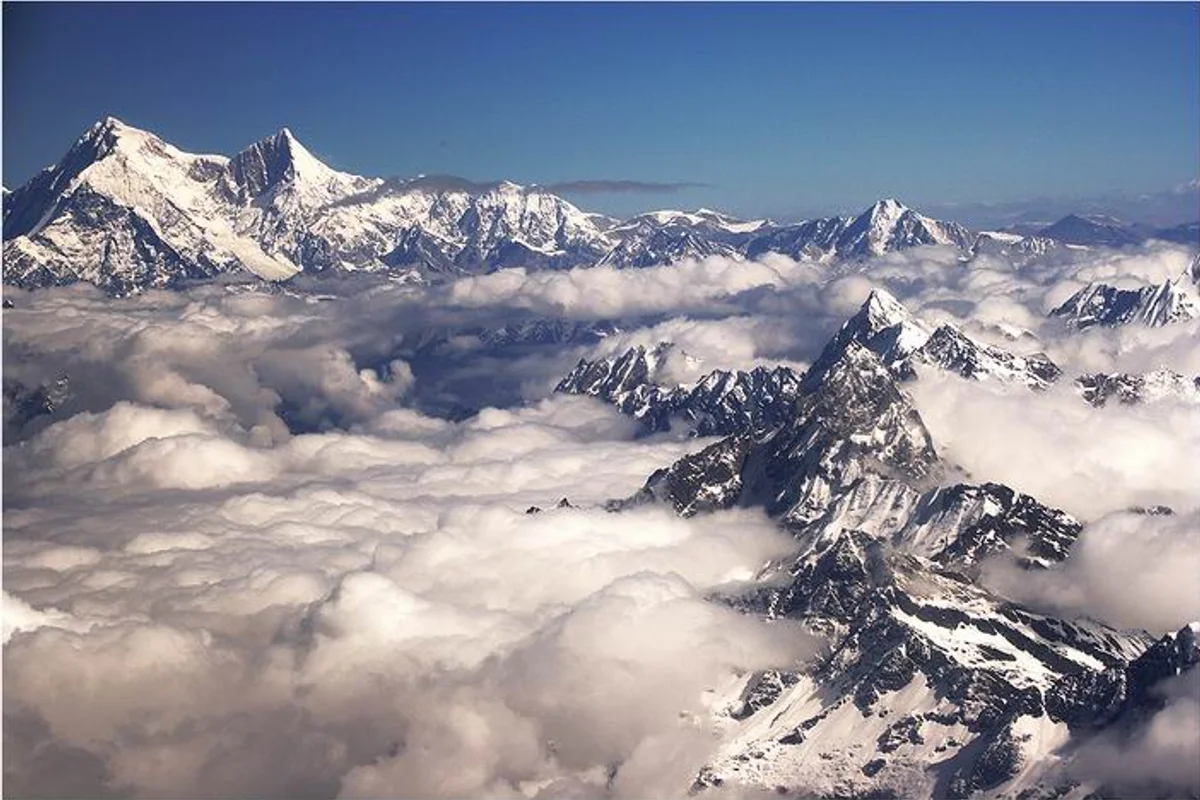
In November 2004, Lafaille arrived beneath the colossal South Face of Shishapangma (8,027m) on the arid Tibetan plateau. Towering two thousand vertical meters of fluted ice, hanging seracs, and brittle shale, the South Face is widely regarded as one of the most aesthetic and intimidating big walls in the Himalaya.
Lafaille was completely on his own. There were no high-altitude porters, no fixed ropes, no team doctors, and no bottled oxygen. His only connection to civilization was a fragile satellite phone link to his wife and manager, Kátia, back in Chamonix. Temperatures on the lower glacier plunged to −35 °C, and when the fierce Tibetan winter winds howled down the face, the wind chill dipped below −50 °C.
The Solitary Push Up the Direct Wall
In early December, observing a brief lull in the hurricane-force jet stream, Lafaille packed his rucksack with a minimalist bivy tent, two ice axes, a handful of ice screws, and four days of freeze-dried rations. Moving in pure alpine style, he crossed the bergschrund and began climbing solo up the icy couloirs of the South Face.
Every pitch demanded total, unforgiving concentration. Climbing without a rope belay, a single slip on the brittle water ice or a misplaced front-point would mean an uninterrupted two-kilometer fall to the glacier below. Carrying his entire camp on his back, Lafaille chopped tiny platforms out of the sixty-degree ice slopes each evening, sitting inside his single-skin tent while spindrift avalanches hissed over the nylon fabric.
The Summit in the Polar Gale
On the morning of December 11, 2004, Lafaille broke through the upper rock barrier at 7,700 meters. The cold was staggering; frost crusted his goggles, and his breath froze in thick icicles around his beard. Fighting severe hypoxia without bottled oxygen, he navigated the complex corniced crest leading toward the highest point.
At 1:00 PM on December 11, 2004, Jean-Christophe Lafaille stepped onto the 8,027-meter summit of Shishapangma. He stood alone atop Tibet, surrounded by the infinite expanse of the frozen Himalaya stretching to Mount Everest on the eastern horizon. Pulling out his satellite phone with numbed fingers, he called Kátia to report his success, weeping with joy and relief into the receiver.
Lafaille safely descended the direct face over the following two days, completing what the international mountaineering press heralded as one of the greatest solo winter ascents in the history of the sport. His Shishapangma masterpiece reaffirmed the transcendent power of the human spirit when pitted against the rawest elements on Earth.
Key Statistics & Topographic Figures
- Category
- Solo Alpinism Masterpieces
Archival Subject
- Reading Time
- 14 min read
Narrative Length
- Key Mountain
- shishapangma
Objective
- Ascent Route
- shishapangma-normal-route
Topography
- Verification
- Editorially Verified
Archival Standard
Archival Primary Source Quotations
“In the mountains, truth is etched in ice and granite; every step requires unwavering respect for the heights.”
Defined Alpine Terminology & Concepts
- Summit Push
- The final continuous climbing effort from the highest established camp to the mountain apex and back.
- Death Zone Chronicle
- A verified, research-backed historical narrative documenting the human, technical, and environmental realities of an alpine expedition.
Frequently Asked Questions: The Solitary Ghost of Shishapangma: Jean-Christophe Lafaille's Winter Masterpiece
What is the core chronicle and subject of "The Solitary Ghost of Shishapangma: Jean-Christophe Lafaille's Winter Masterpiece"?
On December 11, 2004, French solo master Jean-Christophe Lafaille achieved the first solo winter ascent of Shishapangma (8,027m) via the direct South Face without oxygen.
Which mountain peaks and routes are featured in "The Solitary Ghost of Shishapangma: Jean-Christophe Lafaille's Winter Masterpiece"?
This narrative documents climbs on shishapangma along the shishapangma-normal-route in Tibet / China.
Which documented expedition is chronicled in this story?
This historical chronicle captures the events of the 2004-jean-christophe-lafaille-shishapangma-solo, verified through contemporary journals and archival records.
Who authored and researched this archival chronicle?
Authored and researched by Mountainity Historical Research Desk, drawing on primary eyewitness testimonies, alpine club registries, and verified summit logs.
What makes this high-altitude chronicle historically significant?
Categorized under "Solo Alpinism Masterpieces", this chronicle preserves critical lessons in alpine leadership, survival, tactical speed, and human endurance in the death zone.
Related Mountains

Shishapangma
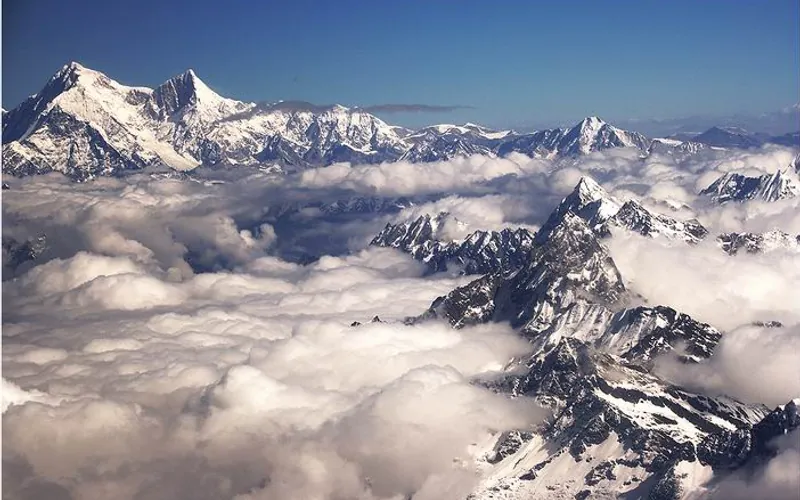
Shishapangma, at 8,027 meters (26,335 ft), is the fourteenth-highest mountain on Earth and the only 8,000-meter peak situated entirely within Tibetan/Chinese territory. Due to geopolitical restrictions, it was the final eight-thousander to be climbed, summited by a Chinese expedition on May 2, 1964.
Documented Sources & Archival Citations
- American Alpine Journal: Shishapangma, First Solo Winter Ascent by Jean-Christophe Lafaille(American Alpine Club)
Supporting claim: Official verification of Lafaille's December 11, 2004 solo winter ascent of Shishapangma
Accessed/Documented: 2005 - Kátia Lafaille Dispatches & Montagnes Magazine(Montagnes Magazine)
Supporting claim: Detailed logistical analysis of Lafaille's solo alpine style winter push on the South Face
Accessed/Documented: 2005