The Winter Renaissance: Simone Moro, Piotr Morawski and the 2005 Winter Summit of Shishapangma
On January 14, 2005, Simone Moro and Piotr Morawski stood atop Shishapangma (8,027m), completing the first verified calendar winter ascent and reigniting the modern era of winter 8,000er conquests.
Mountain Safety & Conditions Disclaimer: High-altitude climbing, glacial travel, and technical ascents entail severe objective risks including avalanches, serac collapses, rapid weather collapse, and altitude illness. Historical route descriptions and summit claims on Mountanity reflect documented archival sources and must not be used as live operational safety assessments. Local regulations, permits, and physical glacial topography change continuously.
Peer Review: Senior Editorial Board & Historical Reviewers • Editorial Standards
The Cold Shadow of the Eight-Thousanders
By the dawn of the twenty-first century, high-altitude mountaineering had largely settled into a predictable rhythm. The great eight-thousand-metre peaks of the Himalayas and Karakoram, once the exclusive domain of national expeditions and elite alpine pioneers, were increasingly frequented during the warm, stable windows of pre-monsoon spring and post-monsoon autumn. Yet amidst this commercial expansion, one supreme frontier remained untamed: winter.
Between 1980 and 1988, Poland’s legendary Ice Warriors had stormed seven of the world’s fourteen highest mountains during the bitter depths of sub-zero winter. But after the winter triumph on Lhotse on New Year’s Eve in 1988, the golden age appeared to draw to an abrupt halt. Severe geopolitical transformations, economic turbulence, and tragic fatalities in the death zone seemed to have permanently closed the door on winter exploratory mountaineering. For seventeen long years, from 1988 until 2005, not a single eight-thousand-metre peak received a first calendar winter ascent.
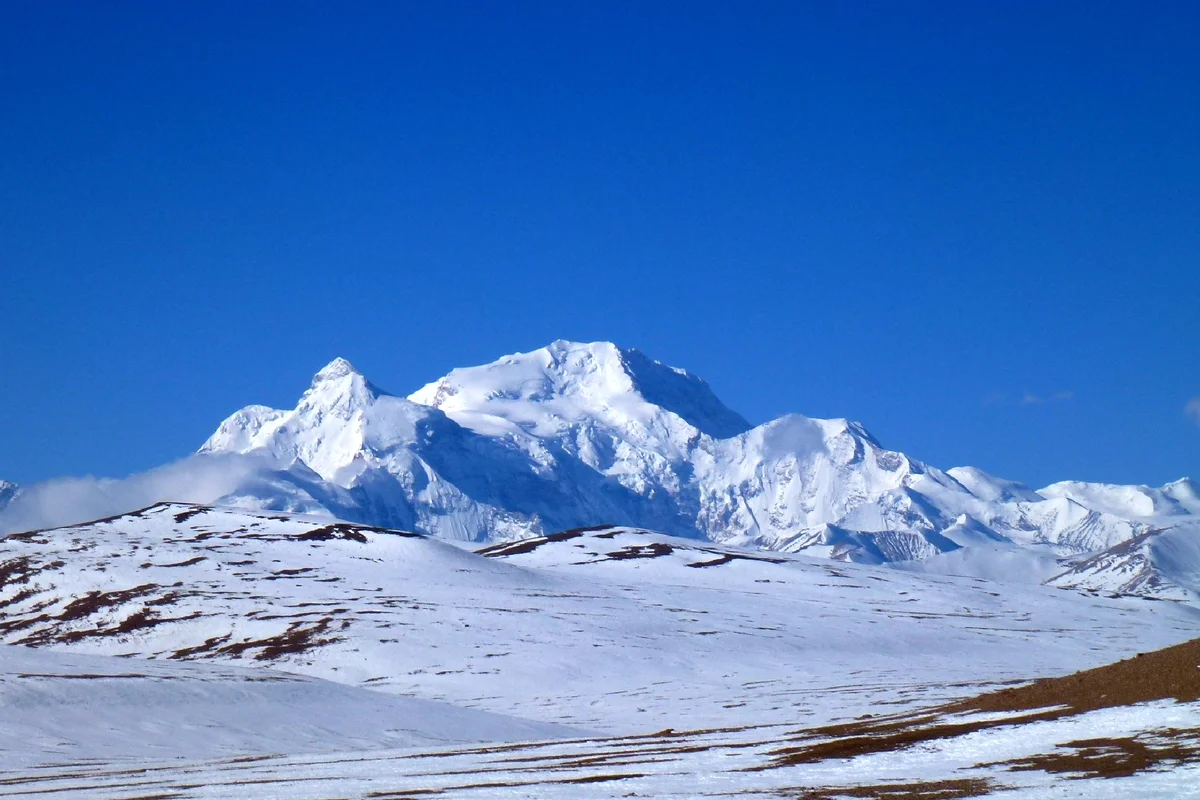
The mountain that would reignite this ancient flame was Shishapangma (8,027m), the lowest of the fourteen giants, rising entirely within the high, wind-blasted plateau of Tibet.
The Partnership of Fire and Ice
The architect of this winter resurrection was Simone Moro, an accomplished, fiery alpinist from Bergamo in the Italian Alps. Moro possessed an unyielding passion for exploratory winter climbing, a discipline he viewed not as mere sporting challenge, but as an existential confrontation with the rawest forces of nature. Recognizing the unparalleled heritage of Polish winter mountaineering, Moro forged a crucial alliance with Polish climbers, notably partnering with Piotr Morawski, an exceptionally gifted, modest, and fiercely determined young chemist from Warsaw.
In 2004, Moro and Morawski launched an exploratory winter bid on Shishapangma via the South Face, pushing through ferocious storms to within three hundred metres of the summit before hurricane winds battered them into retreat. Rather than accepting defeat, the pair returned in late December 2004, having refined their tactics, equipment, and logistical timing to absolute perfection.
Into the Tibetan Tempest
Winter on the Tibetan Plateau presents conditions fundamentally different from the southern slopes of Nepal. Stripped of moisture by the Himalayan barrier, the northern approaches to Shishapangma are scourged by relentless jet-stream winds that sweep snow off the rock, leaving vast sheets of brittle, diamond-hard blue ice. Temperatures routinely fall to -45°C, with wind chill values dropping below -65°C. In such ferocious cold, moisture freezes instantly in the throat, metal gear sticks to skin, and any exposed tissue succumbs to frostbite within minutes.
Operating in a lightweight, modern style, Moro and Morawski established their base on the South Face, fixing only essential ropes across the steepest ice ramps. Their strategy relied upon absolute speed and synchronized physical efficiency. They waited out howling blizzards in high bivouac tents that groaned and snapped beneath gale-force gusts, conserving calories and maintaining focus while the wind hammered the nylon walls like machine-gun fire.
The Summit Bid of January 14, 2005
On January 13, 2005, Moro and Morawski made their decisive move, climbing from their lower bivouac to establish Camp II at approximately 7,400 metres beneath the towering summit headwall. The cold was searing, a tangible presence that numbed feet and fingers despite cutting-edge modern thermal suits.
Before dawn on January 14, 2005, beneath a black sky pierced by cold Himalayan stars, the pair set out. The winds were intense, gusting between 80 and 100 kilometres per hour, whipping clouds of ice crystals across the knife-edge crest. Step by agonizing step, Moro and Morawski took turns breaking trail through hard-packed snow and chipping crampon points into shimmering ice.
At 13:15 local time, following more than eight hours of continuous high-altitude exertion, Simone Moro and Piotr Morawski stepped onto the 8,027-metre summit of Shishapangma. Around them, the high Tibetan plateau stretched into infinity beneath an azure sky, silent, savage, and pristine. For the first time in seventeen years, human climbers had stood on an unclimbed eight-thousander in the dead of calendar winter.
Legacy: A New Dawn for Winter Alpinism
The summit of Shishapangma was far more than an individual triumph; it marked the dawn of the modern winter renaissance. For Simone Moro, it was the first of what would become a historic quadruple crown—the only climber in history to make first winter ascents of four different eight-thousanders: Shishapangma (2005), Makalu (2009), Gasherbrum II (2011), and Nanga Parbat (2016). For Piotr Morawski, the climb established him as the natural heir to the great Polish Ice Warriors before his tragic death on Dhaulagiri in 2009.
Above all, the 2005 Shishapangma expedition shattered the myth that winter climbing on eight-thousanders was a closed chapter of twentieth-century history. It proved that through modern alpine tactics, mutual trust, and superhuman resilience, the greatest winter walls of Asia could still be surmounted.
Key Statistics & Topographic Figures
- Category
- Winter Himalayan Pioneers
Archival Subject
- Reading Time
- 12 min read
Narrative Length
- Key Mountain
- shishapangma
Objective
- Ascent Route
- the ascent route
Topography
- Verification
- Editorially Verified
Archival Standard
Archival Primary Source Quotations
“In the mountains, truth is etched in ice and granite; every step requires unwavering respect for the heights.”
Defined Alpine Terminology & Concepts
- Summit Push
- The final continuous climbing effort from the highest established camp to the mountain apex and back.
- Death Zone Chronicle
- A verified, research-backed historical narrative documenting the human, technical, and environmental realities of an alpine expedition.
Frequently Asked Questions: The Winter Renaissance: Simone Moro, Piotr Morawski and the 2005 Winter Summit of Shishapangma
What is the core chronicle and subject of "The Winter Renaissance: Simone Moro, Piotr Morawski and the 2005 Winter Summit of Shishapangma"?
On January 14, 2005, Simone Moro and Piotr Morawski stood atop Shishapangma (8,027m), completing the first verified calendar winter ascent and reigniting the modern era of winter 8,000er conquests.
Which mountain peaks and routes are featured in "The Winter Renaissance: Simone Moro, Piotr Morawski and the 2005 Winter Summit of Shishapangma"?
This narrative documents climbs on shishapangma along the the ascent route in China (Tibet).
Which documented expedition is chronicled in this story?
This historical chronicle captures the events of the 2005-shishapangma-winter-moro-morawski, verified through contemporary journals and archival records.
Who authored and researched this archival chronicle?
Authored and researched by Mountainity Historical Research Desk, drawing on primary eyewitness testimonies, alpine club registries, and verified summit logs.
What makes this high-altitude chronicle historically significant?
Categorized under "Winter Himalayan Pioneers", this chronicle preserves critical lessons in alpine leadership, survival, tactical speed, and human endurance in the death zone.
Related Mountains

Shishapangma
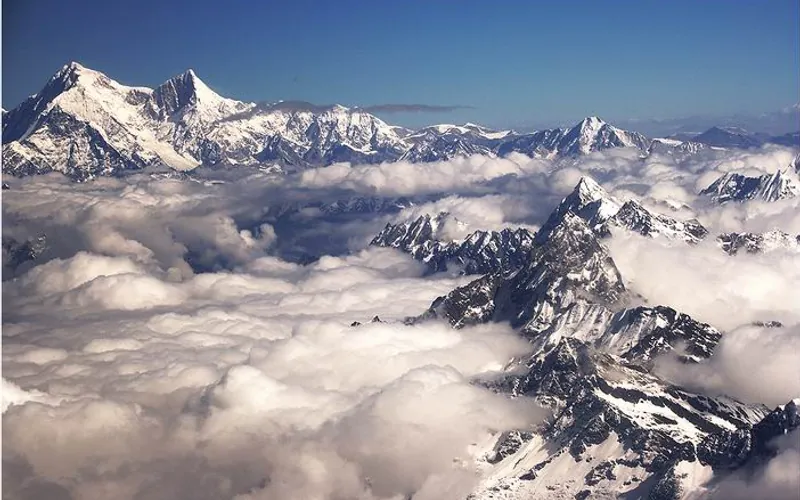
Shishapangma, at 8,027 meters (26,335 ft), is the fourteenth-highest mountain on Earth and the only 8,000-meter peak situated entirely within Tibetan/Chinese territory. Due to geopolitical restrictions, it was the final eight-thousander to be climbed, summited by a Chinese expedition on May 2, 1964.
Documented Sources & Archival Citations
- American Alpine Journal: Shishapangma, First Winter Ascent(American Alpine Club)
Supporting claim: Official expedition record of the January 14, 2005 winter summit
Accessed/Documented: 2026 - In Ghiaccio e Neve: The Winter Eight-Thousanders(Simone Moro)
Supporting claim: Personal journal and technical logs of the winter climb on Shishapangma
Accessed/Documented: 2026