The Sacred Brotherhood: The Historic Annapurna Rescue for Iñaki Ochoa
In May 2008 on Annapurna's lethal South Face, elite international alpinists united in one of the most heroic rescue efforts in mountaineering history to save Iñaki Ochoa de Olza.
Mountain Safety & Conditions Disclaimer: High-altitude climbing, glacial travel, and technical ascents entail severe objective risks including avalanches, serac collapses, rapid weather collapse, and altitude illness. Historical route descriptions and summit claims on Mountanity reflect documented archival sources and must not be used as live operational safety assessments. Local regulations, permits, and physical glacial topography change continuously.
Peer Review: Senior Editorial Board & Historical Reviewers • Editorial Standards
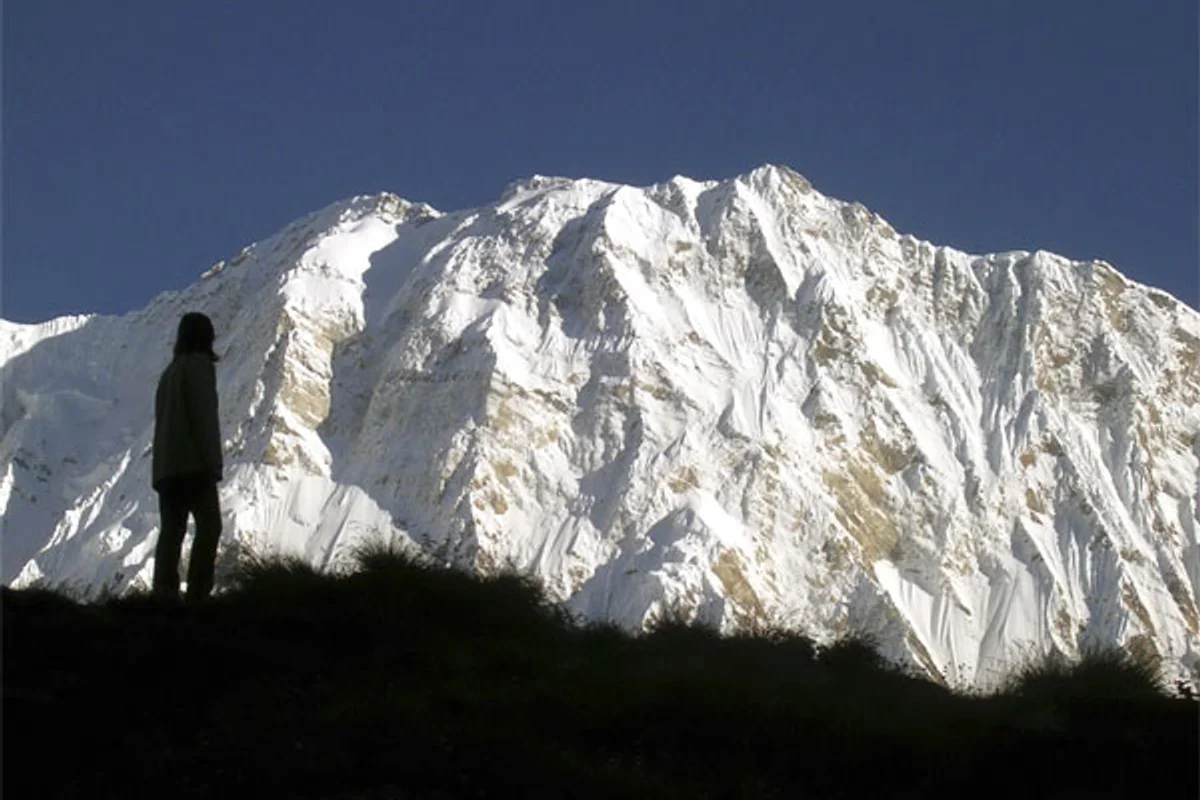
In the high mountains, survival is often described as an individual struggle against unforgiving nature. But in May 2008, on the colossal, avalanche-swept South Face of Annapurna I (8,091m), fourteen mountaineers from across the world wrote one of the most sublime and selfless chapters in human history: a desperate, five-day race against death to save the life of Navarrese climber Iñaki Ochoa de Olza.
Ochoa was not merely an elite climber with twelve eight-thousanders to his name; he was beloved throughout the global climbing community for his warm humor, humble generosity, and fierce devotion to clean alpine ethics. He climbed without oxygen bottles, without high-altitude porters, and without pre-placed fixed camps. On Annapurna, he was climbing with Romanian partner Horia Colibășanu. High at Camp IV at 7,400 meters, just below the summit headwall, Ochoa collapsed with a severe seizure caused by acute high-altitude cerebral edema (HACE) and pulmonary edema. He was paralyzed, drifting into unconsciousness.
The Vigil of Horia Colibășanu
Most men, stranded in the death zone beside an incapacitated partner while their own lungs filled with fluid, would have descended to save their own lives. Colibășanu flatly refused. For three agonizing days, isolated in a tiny single-wall tent at 7,400 meters in sub-zero tempests, the Romanian stayed at Ochoa’s side. He melted snow over a guttering stove, administered what little medicine they had, and radioed Base Camp: “I will not leave Iñaki alone.”
Colibășanu’s desperate radio calls triggered a spontaneous, extraordinary response. At Base Camp, climbers from six nations immediately abandoned their own expeditions, permits, and dreams of the summit. There was no hesitation, no debate over liability or cost. A plan was forged to carry emergency dexamethasone, oxygen cylinders, and food up three thousand vertical meters of technical rock and blue ice.
The Sprint of Ueli Steck and Denis Urubko
The first to move were Swiss speed climber Ueli Steck and Austrian partner Simon Anthamatten. Steck, already famous for his blistering solo ascents in the Alps, loaded his backpack with emergency syringes and sprinted directly up the face in worsening weather. Moving with extraordinary speed, Steck reached Camp III at 6,900 meters on May 20, where Anthamatten had to halt due to exhaustion. Steck pressed on alone through blinding snow.
Simultaneously, from the lower mountain, Kazakh powerhouse Denis Urubko and Canadian climber Don Bowie hauled heavy, fifty-pound packs containing oxygen tanks and regulators up through the couloirs. Urubko, climbing with relentless power, covered thousands of vertical meters in hours, determined to bring bottled oxygen to Ochoa’s tent.
Rendezvous in the Clouds
On the afternoon of May 21, Ueli Steck kicked his crampons into the ice shelf at 7,400 meters and unzipped the frost-covered door of Camp IV. Inside, he found Colibășanu on the brink of death from exhaustion, and Ochoa barely conscious. Steck immediately ordered Colibășanu to begin descending to save himself, while Steck took over the vigil, injecting Ochoa with dexamethasone and hydrating him with warm tea.
For nearly two days, Steck remained alone with Ochoa in the raging blizzard, whispering encouragement and fighting to keep him alive. On the morning of May 23, 2008, with Denis Urubko battling upward through the lower snow slopes with oxygen, Iñaki Ochoa de Olza took his final breath and died peacefully in Steck’s arms.
The mission was not viewed as a failure; it was remembered as the greatest moral triumph in mountaineering history. Fourteen climbers from Switzerland, Romania, Kazakhstan, Russia, Canada, and Spain had risked their lives in the death zone for no prize other than the life of a friend. Posthumously awarded the prestigious Targa d’Argento for International Alpine Solidarity, Iñaki Ochoa and his rescuers proved that the greatest summits in the mountains are measured not in meters, but in the boundless depth of the human heart.
Key Statistics & Topographic Figures
- Category
- Alpine Solidarity
Archival Subject
- Reading Time
- 15 min read
Narrative Length
- Key Mountain
- annapurna-1
Objective
- Ascent Route
- annapurna-south-face
Topography
- Verification
- Editorially Verified
Archival Standard
Archival Primary Source Quotations
“In the mountains, truth is etched in ice and granite; every step requires unwavering respect for the heights.”
Defined Alpine Terminology & Concepts
- Summit Push
- The final continuous climbing effort from the highest established camp to the mountain apex and back.
- Death Zone Chronicle
- A verified, research-backed historical narrative documenting the human, technical, and environmental realities of an alpine expedition.
Frequently Asked Questions: The Sacred Brotherhood: The Historic Annapurna Rescue for Iñaki Ochoa
What is the core chronicle and subject of "The Sacred Brotherhood: The Historic Annapurna Rescue for Iñaki Ochoa"?
In May 2008 on Annapurna's lethal South Face, elite international alpinists united in one of the most heroic rescue efforts in mountaineering history to save Iñaki Ochoa de Olza.
Which mountain peaks and routes are featured in "The Sacred Brotherhood: The Historic Annapurna Rescue for Iñaki Ochoa"?
This narrative documents climbs on annapurna-1 along the annapurna-south-face in Nepal.
Which documented expedition is chronicled in this story?
This historical chronicle captures the events of the 2008-inaki-ochoa-annapurna-rescue, verified through contemporary journals and archival records.
Who authored and researched this archival chronicle?
Authored and researched by Mountainity Historical Research Desk, drawing on primary eyewitness testimonies, alpine club registries, and verified summit logs.
What makes this high-altitude chronicle historically significant?
Categorized under "Alpine Solidarity", this chronicle preserves critical lessons in alpine leadership, survival, tactical speed, and human endurance in the death zone.
Related Mountains

Annapurna I
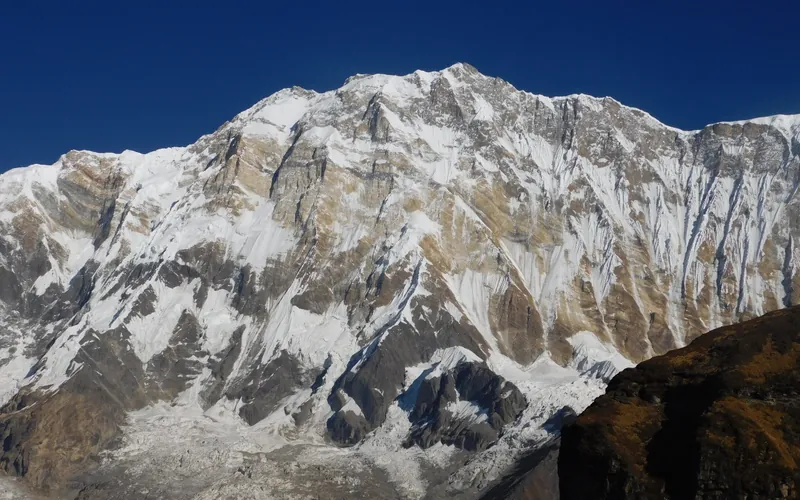
Annapurna I, at 8,091 meters (26,545 ft), is the tenth-highest mountain in the world and historically the first 8,000-meter peak ever summited (June 3, 1950 by Maurice Herzog and Louis Lachenal). Rising above the Annapurna Sanctuary, its north and south walls present extreme avalanche and serac fall hazards.
Documented Sources & Archival Citations
- American Alpine Journal: Annapurna Rescue Attempt by Ueli Steck and Horia Colibășanu(American Alpine Club)
Supporting claim: Official expedition and rescue report detailing the international operation at 7,400m
Accessed/Documented: 2009 - Pura Vida (The Ridge): The Story of Iñaki Ochoa(Arena Comunicación / Documentary Film)
Supporting claim: Comprehensive chronicle of the multi-national alpine rescue on Annapurna
Accessed/Documented: 2012