The Scholar's Crown: Piotr Pustelnik's 20-Year Quest on Annapurna
On April 27, 2010, Polish academic Piotr Pustelnik conquered Annapurna on his fifth attempt, becoming the third Pole and 20th person to climb all 14 eight-thousanders.
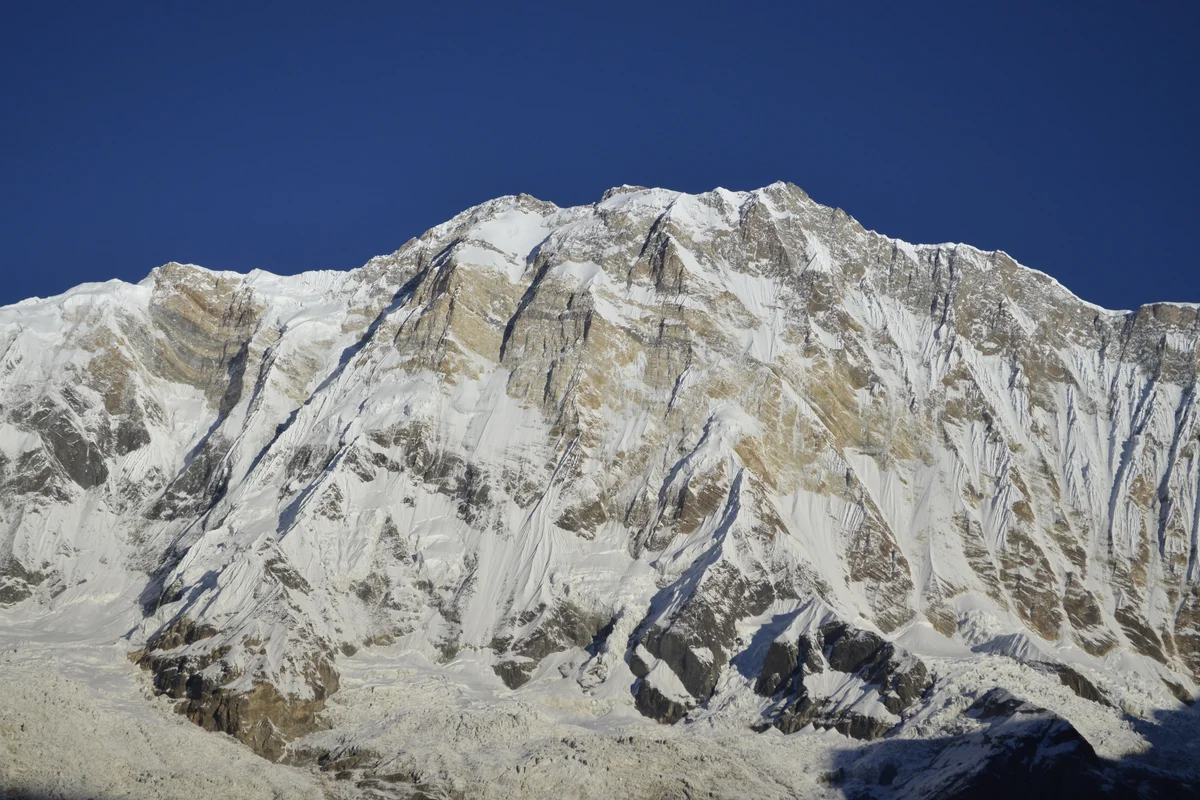
Mountain Safety & Conditions Disclaimer: High-altitude climbing, glacial travel, and technical ascents entail severe objective risks including avalanches, serac collapses, rapid weather collapse, and altitude illness. Historical route descriptions and summit claims on Mountanity reflect documented archival sources and must not be used as live operational safety assessments. Local regulations, permits, and physical glacial topography change continuously.
Peer Review: Senior Editorial Board & Historical Reviewers • Editorial Standards
In the rich, storied history of Polish Himalayan exploration, names like Jerzy Kukuczka, Wanda Rutkiewicz, and Krzysztof Wielicki evoke a fierce, almost mythic audacity. Yet alongside these titans stood a different kind of master: Dr. Piotr Pustelnik, a quiet, methodical chemical engineering researcher and university professor from the Łódź University of Technology. Known throughout the climbing community as an intellectual gentleman and deeply ethical partner, Pustelnik approached high-altitude mountaineering not as a battlefield against nature, but as an exercise in supreme humility, human solidarity, and mathematical patience.
By 2006, Pustelnik had climbed thirteen of the world’s fourteen 8,000-meter peaks, including K2, Dhaulagiri, Everest, and Makalu. Only one summit remained to complete the coveted Crown of the Himalayas and Karakoram: Annapurna I (8,091m), the deadliest mountain on the planet.
The Mountain of Unfinished Business
Annapurna became Pustelnik’s greatest personal test of character. Over six years, he launched four separate expeditions to the peak. In 2004 and 2005, ferocious blizzards and catastrophic avalanche cycles forced retreat. In 2006, climbing on the East Ridge alongside his close friend and protégé Piotr Morawski, Pustelnik was within touching distance of the summit when they encountered an injured, hypothermic Tibetan climber. Without hesitation, Pustelnik and Morawski abandoned their summit attempt to lower the stranded climber down the iceface, saving his life at the expense of their own dream.
In 2009, tragedy struck deeper: while preparing for another attempt on Dhaulagiri and Annapurna, Piotr Morawski fell into a fatal crevasse, plunging Pustelnik into profound grief. Many believed the fifty-eight-year-old professor would never return to the Himalaya.
The Fifth Attempt
In the spring of 2010, driven by a solemn desire to finish the journey in memory of Morawski, Pustelnik returned to Annapurna for his fifth attempt. Joining him was Slovak powerhouse Peter Hámor and rising Polish female alpinist Kinga Baranowska. Operating on the North Face, the team methodically navigated around unstable serac barriers, placing lightweight camps at 5,100 meters, 5,800 meters, and 6,500 meters.
On April 26, the trio moved up to Camp IV at 7,100 meters on the French Route. High-altitude winds abated, and temperatures hovered around -25°C. At 1:00 AM on April 27, 2010, the climbers departed their frozen assault tent, climbing into the pre-dawn darkness up steep snow ramps and icy rock couloirs.
The Triumph of Patience
Moving steadily, Pustelnik regulated his breathing with the calm focus of an academic. By late morning, they traversed below the final summit headwall and emerged onto the knife-edge summit crest. At 1:45 PM local time on April 27, 2010, Piotr Pustelnik stood on the 8,091-meter apex of Annapurna I.
Surrounded by the vast panorama of the Nepal Himalaya under crystal skies, the twenty-year odyssey that had begun on the slopes of Gasherbrum II in 1990 was finally complete. Piotr Pustelnik became only the third Polish climber in history—after Jerzy Kukuczka and Krzysztof Wielicki—and the twentieth human in the world to stand atop all fourteen eight-thousanders. His triumph proved that patience, uncompromising loyalty to teammates, and profound moral integrity could reach the highest summits on Earth.
Key Statistics & Topographic Figures
- Category
- Himalayan Milestones
Archival Subject
- Reading Time
- 15 min read
Narrative Length
- Key Mountain
- annapurna-1
Objective
- Ascent Route
- annapurna-north-face
Topography
- Verification
- Editorially Verified
Archival Standard
Archival Primary Source Quotations
“In the mountains, truth is etched in ice and granite; every step requires unwavering respect for the heights.”
Defined Alpine Terminology & Concepts
- Summit Push
- The final continuous climbing effort from the highest established camp to the mountain apex and back.
- Death Zone Chronicle
- A verified, research-backed historical narrative documenting the human, technical, and environmental realities of an alpine expedition.
Frequently Asked Questions: The Scholar's Crown: Piotr Pustelnik's 20-Year Quest on Annapurna
What is the core chronicle and subject of "The Scholar's Crown: Piotr Pustelnik's 20-Year Quest on Annapurna"?
On April 27, 2010, Polish academic Piotr Pustelnik conquered Annapurna on his fifth attempt, becoming the third Pole and 20th person to climb all 14 eight-thousanders.
Which mountain peaks and routes are featured in "The Scholar's Crown: Piotr Pustelnik's 20-Year Quest on Annapurna"?
This narrative documents climbs on annapurna-1 along the annapurna-north-face in Nepal.
Which documented expedition is chronicled in this story?
This historical chronicle captures the events of the 2010-piotr-pustelnik-annapurna-14th-summit, verified through contemporary journals and archival records.
Who authored and researched this archival chronicle?
Authored and researched by Mountainity Historical Research Desk, drawing on primary eyewitness testimonies, alpine club registries, and verified summit logs.
What makes this high-altitude chronicle historically significant?
Categorized under "Himalayan Milestones", this chronicle preserves critical lessons in alpine leadership, survival, tactical speed, and human endurance in the death zone.
Related Mountains
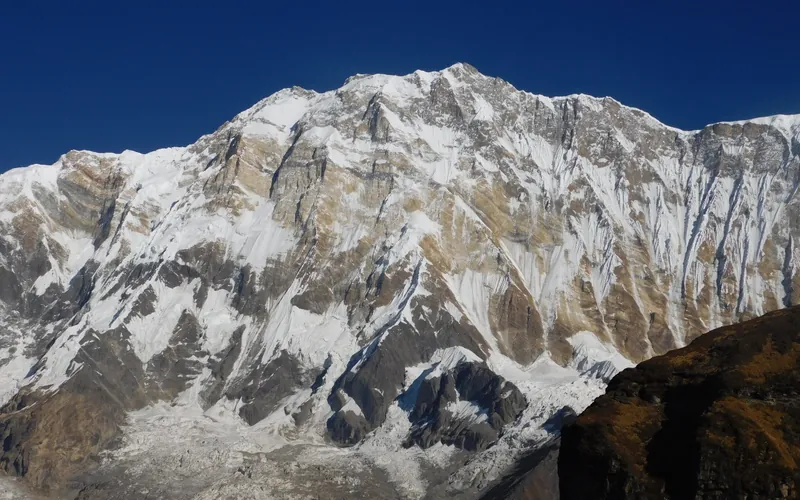

Annapurna I
Annapurna I, at 8,091 meters (26,545 ft), is the tenth-highest mountain in the world and historically the first 8,000-meter peak ever summited (June 3, 1950 by Maurice Herzog and Louis Lachenal). Rising above the Annapurna Sanctuary, its north and south walls present extreme avalanche and serac fall hazards.
Documented Sources & Archival Citations
- American Alpine Journal: Annapurna and the 14 Eight-Thousanders by Piotr Pustelnik(American Alpine Club)
Supporting claim: Official climb report and verification of the April 27, 2010 Annapurna summit
Accessed/Documented: 2011 - Ja, Pustelnik (I, the Hermit)(Piotr Pustelnik and Piotr Trybalski / Agora Publishing)
Supporting claim: Comprehensive biographical memoirs detailing high-altitude strategy and ethics
Accessed/Documented: 2017