The Guardian of Chomolungma: Apa Sherpa's 21st Summit & Environmental Legacy
On May 11, 2011, legendary mountaineer Apa Sherpa summited Mount Everest for a world-record twenty-first time, closing his climbing career with a historic environmental crusade.
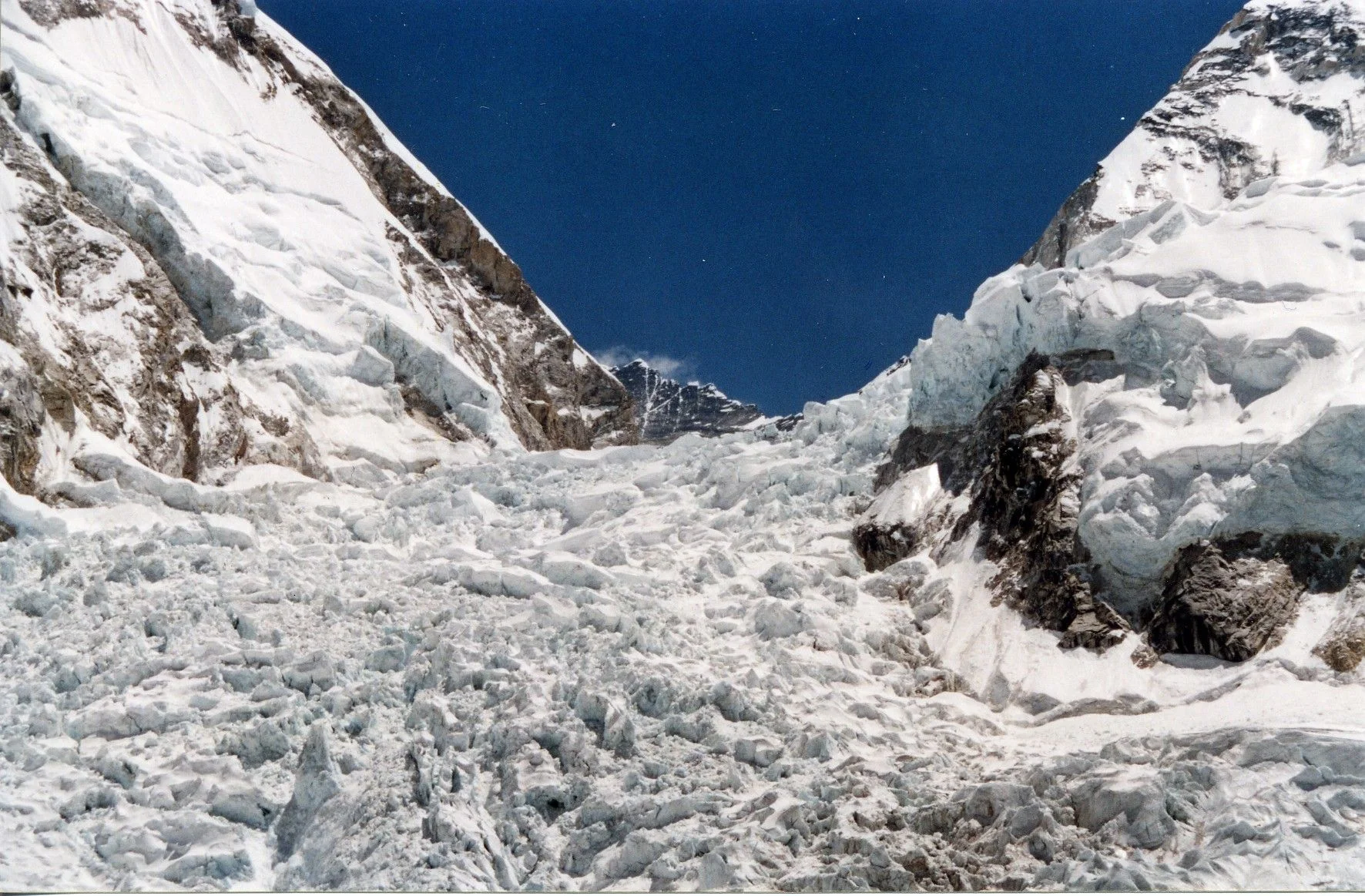
Mountain Safety & Conditions Disclaimer: High-altitude climbing, glacial travel, and technical ascents entail severe objective risks including avalanches, serac collapses, rapid weather collapse, and altitude illness. Historical route descriptions and summit claims on Mountanity reflect documented archival sources and must not be used as live operational safety assessments. Local regulations, permits, and physical glacial topography change continuously.
Peer Review: Senior Editorial Board & Historical Reviewers • Editorial Standards
In an arena where mountaineers routinely boast of conquering peaks, Apa Sherpa spoke of Mount Everest with the reverence of a devoted pilgrim. Born in 1960 in the tiny village of Thame, Apa never climbed for vanity or personal glory. When asked why he returned to the Death Zone spring after spring, his answer was always disarmingly simple: he climbed so that his children would never have to.
Between 1990 and 2011, Apa stood atop the 8,848-meter summit of Mount Everest an astonishing twenty-one times. Yet what set him apart from every other climber in Himalayan history was not merely the staggering count of his summits, but his unbroken, miraculous safety record: over twenty-one high-risk expeditions into the upper reaches of the atmosphere, Apa never lost a single client or expedition member.
The Gentle Giant of Thame
Following his father’s death when he was just twelve, Apa surrendered his childhood ambitions of becoming a doctor to carry heavy loads across the high Himalayan passes as a porter. Rising through the ranks through unmatched stamina, gentle patience, and faultless mountain judgment, he made his first summit of Everest on May 10, 1990, alongside Peter Hillary.
Over the subsequent two decades, Apa became the most sought-after sirdar on Earth. International teams trusted him implicitly because he understood the moods of Chomolungma like no other living human. When dangerous seracs threatened the Khumbu Icefall, Apa knew instinctively when to hold his team back; when wind slabs loaded the Lhotse Face, his cautious guidance preserved countless lives.
The Melting Giant: Leading Eco Everest
In the late 2000s, as global climate change began to dramatically alter the Himalayan landscape, Apa noticed alarming transformations. Glaciers were retreating at unprecedented rates, ancient permafrost was thawing, and the once-snowbound slopes of the South Col were turning into exposed, loose shale and bare blue ice. Furthermore, decades of commercial climbing had left tons of discarded oxygen cylinders, broken tents, and plastic waste frozen into the high camps.
Rather than retiring, Apa dedicated the final four seasons of his climbing career to environmental restoration. Serving as climbing leader for the Asian Trekking Eco Everest Expeditions from 2008 to 2011, Apa transformed his summit bids into high-altitude clean-up operations. Utilizing specialized parabolic solar cookers to eliminate the need for kerosene fuel and distributing clean-up sacks to every team member, Apa and his Sherpa companions hauled down over fourteen tons of garbage and debris from the high slopes of Everest.
The Twenty-First Summit
In the spring of 2011, at age fifty-one, Apa returned for his twenty-first and final summit bid. On May 10, leading an international team of climate researchers and climbers, Apa climbed out of Camp IV at the South Col under a canopy of stars. Moving with the rhythmic, quiet grace that had carried him up the mountain across three decades, he passed the Balcony, traversed the South Summit, and crested the Hillary Step.
At 9:15 AM on May 11, 2011, Apa Sherpa reached the summit of Mount Everest for the twenty-first time. Unfurling a ceremonial Buddhist banner inscribed with prayers for global climate action, he stood quietly on top of the world, offering thanksgiving to Chomolungma for keeping him and his team safe one last time.
A Legacy of Education
Upon descending safely to Base Camp, Apa announced his permanent retirement from high-altitude guiding. Having fulfilled his vow to protect his climbers, he channeled his energy into the Apa Sherpa Foundation. Through his foundation, Apa has built schools, funded teacher salaries, and provided full scholarships for hundreds of young Sherpa children in the Solukhumbu District.
Apa Sherpa proved that true mountaineering greatness is not measured by ego or adrenaline, but by humility, compassion, and the enduring dedication to leave the mountain cleaner and safer for the generations to follow.
Key Statistics & Topographic Figures
- Category
- Himalayan Environmental Pioneers & Sherpa Legends
Archival Subject
- Reading Time
- 15 min read
Narrative Length
- Key Mountain
- mount-everest
Objective
- Ascent Route
- south-col-route
Topography
- Verification
- Editorially Verified
Archival Standard
Archival Primary Source Quotations
“In the mountains, truth is etched in ice and granite; every step requires unwavering respect for the heights.”
Defined Alpine Terminology & Concepts
- Summit Push
- The final continuous climbing effort from the highest established camp to the mountain apex and back.
- Death Zone Chronicle
- A verified, research-backed historical narrative documenting the human, technical, and environmental realities of an alpine expedition.
Frequently Asked Questions: The Guardian of Chomolungma: Apa Sherpa's 21st Summit & Environmental Legacy
What is the core chronicle and subject of "The Guardian of Chomolungma: Apa Sherpa's 21st Summit & Environmental Legacy"?
On May 11, 2011, legendary mountaineer Apa Sherpa summited Mount Everest for a world-record twenty-first time, closing his climbing career with a historic environmental crusade.
Which mountain peaks and routes are featured in "The Guardian of Chomolungma: Apa Sherpa's 21st Summit & Environmental Legacy"?
This narrative documents climbs on mount-everest along the south-col-route in Nepal.
Which documented expedition is chronicled in this story?
This historical chronicle captures the events of the 2011-apa-sherpa-21st-everest, verified through contemporary journals and archival records.
Who authored and researched this archival chronicle?
Authored and researched by Mountainity Historical Research Desk, drawing on primary eyewitness testimonies, alpine club registries, and verified summit logs.
What makes this high-altitude chronicle historically significant?
Categorized under "Himalayan Environmental Pioneers & Sherpa Legends", this chronicle preserves critical lessons in alpine leadership, survival, tactical speed, and human endurance in the death zone.
Related Mountains


Mount Everest
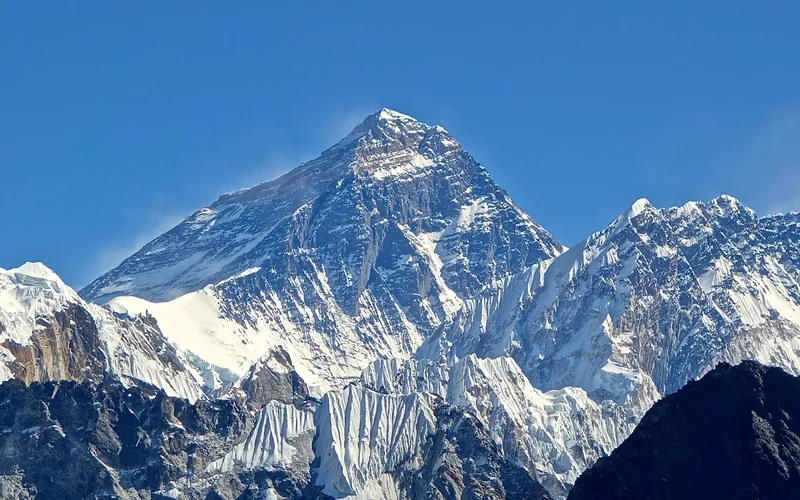
Mount Everest is the highest mountain above sea level on Earth, standing at an official elevation of 8,848.86 meters (29,031.7 ft). Straddling the international frontier between Nepal and China, it is known locally as Sagarmatha in Nepali ('Goddess of the Sky') and Chomolungma in Tibetan ('Mother Goddess of the World'). The peak rises into the extreme upper troposphere, where oxygen levels drop to barely one-third of sea-level pressure. Climbers face hurricane-force jet stream winds, severe frostbite conditions, shifting ice crevasses in the Khumbu Icefall, and the dangerous Death Zone above 8,000 meters.
Documented Sources & Archival Citations
- Himalayan Database: 2011 Spring Everest Expeditions(Elizabeth Hawley / Himalayan Database)
Supporting claim: Official verification of Apa Sherpa's 21st successful Mount Everest summit on May 11, 2011
Accessed/Documented: 2024 - Super Sherpa: The Apa Sherpa Story(National Geographic Society)
Supporting claim: Comprehensive chronicle of Apa's 21 summits and his Eco Everest environmental leadership
Accessed/Documented: 2011