The Humblest Giant: Apa Sherpa's Historic 21st Summit of Mount Everest and the Eco Cleanup Crusade
On May 11, 2011, 'Super Sherpa' Apa Sherpa stood atop Mount Everest for an unprecedented twenty-first time, leading the Eco Everest Expedition to clean tons of trash and champion climate action.
Mountain Safety & Conditions Disclaimer: High-altitude climbing, glacial travel, and technical ascents entail severe objective risks including avalanches, serac collapses, rapid weather collapse, and altitude illness. Historical route descriptions and summit claims on Mountanity reflect documented archival sources and must not be used as live operational safety assessments. Local regulations, permits, and physical glacial topography change continuously.
Peer Review: Senior Editorial Board & Historical Reviewers • Editorial Standards
In the global climbing pantheon, records are often pursued for personal glory, media fanfare, or corporate sponsorship. But for Lhakpa Tenzing Sherpa—known across the continents simply as Apa Sherpa or “Super Sherpa”—climbing the highest mountain in the world was never an exercise in ego. It was an act of profound dedication to his family, his people, and the sacred peaks of the Khumbu.
Born around 1960 in the tiny village of Thame, Apa had dreamt as a boy of becoming a medical doctor. That dream died when his father passed away suddenly when Apa was only twelve years old. Left as the eldest son, Apa dropped out of school to carry heavy expedition loads up glaciated trails to feed his mother and five younger siblings.
Between 1990 and 2011, Apa accomplished what no human in history had ever done: he climbed Mount Everest 21 times, maintaining a flawless safety record and never losing a single client.
The Rise of the Super Sherpa
Apa’s first summit came on May 10, 1990, on an expedition alongside Peter Hillary, son of Sir Edmund Hillary. Over the ensuing two decades, Apa became the most sought-after climbing leader on Everest. Quiet, intensely observant, and deeply devout in his Buddhist faith, Apa climbed with a rhythmic grace that foreign climbers marveled at. He never ran, he never panicked, and he possessed an instinct for reading snow conditions, crevasse bridges, and weather fronts that seemed almost supernatural.
Yet as the years progressed, Apa noticed disturbing changes in the high Himalayas. The glaciers were thinning at alarming rates. Rock buttresses that had been frozen solid for millennia were melting and tumbling down onto the climbing routes. Discarded oxygen cylinders, shredded tents, and expedition refuse from decades of commercial climbing were littering the high camps.
Apa decided that if the world was going to watch him set records, he would give them a message they could not ignore.
The Eco Everest Crusade
From 2008 onward, Apa teamed up with Dawa Steven Sherpa to lead the Eco Everest Expeditions. The mission was revolutionary: to use climbing permits not merely to reach the top, but to restore the mountain.
The team carried specialized canvas cleanup sacks and offered financial bonuses to high-altitude Sherpas to collect and carry down debris from the South Col (7,920m). Over four years, the Eco Everest team hauled down over fourteen tons of historical rubbish, abandoned batteries, and crumpled metal, transporting it out of the Khumbu for proper recycling.
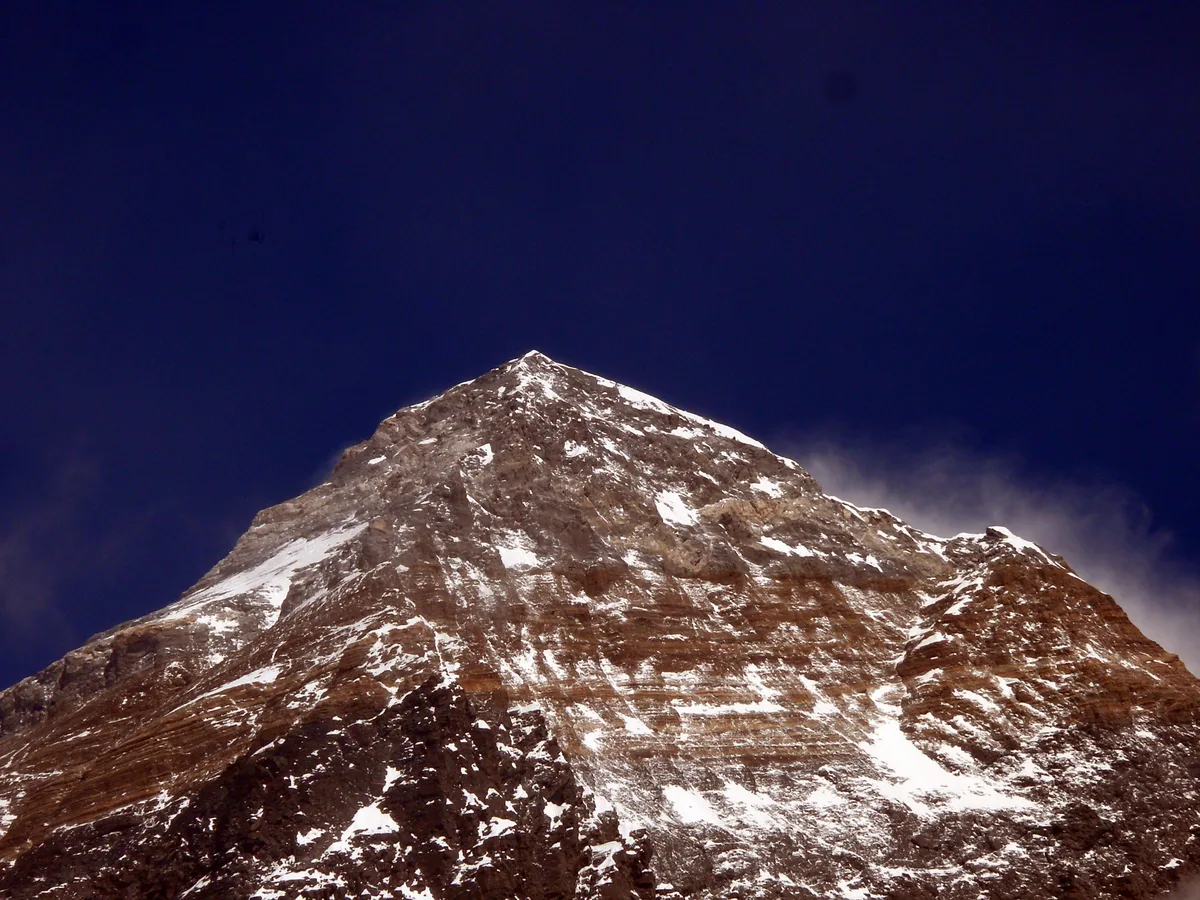
On May 11, 2011, at 9:15 AM, 51-year-old Apa Sherpa crested the Hillary Step and stepped onto the summit of Mount Everest for the twenty-first time. Unfurling a banner urging global action on climate change, Apa dedicated his milestone to the survival of Himalayan glaciers and the educational future of young Sherpas.
Following his descent, Apa made a historic announcement: he was hanging up his crampons. He would never climb Everest again.
He devoted his retirement to the Apa Sherpa Foundation, building schools and providing educational scholarships in Thame and across Nepal, ensuring that future generations of Sherpa children would have the choice to pursue their dreams through education, rather than having to risk their lives on the frozen flanks of the world’s highest mountains.
Key Statistics & Topographic Figures
- Category
- Himalayan High-Altitude Legends
Archival Subject
- Reading Time
- 10 min read
Narrative Length
- Key Mountain
- mount-everest
Objective
- Ascent Route
- south-col-route
Topography
- Verification
- Editorially Verified
Archival Standard
Archival Primary Source Quotations
“In the mountains, truth is etched in ice and granite; every step requires unwavering respect for the heights.”
Defined Alpine Terminology & Concepts
- Summit Push
- The final continuous climbing effort from the highest established camp to the mountain apex and back.
- Death Zone Chronicle
- A verified, research-backed historical narrative documenting the human, technical, and environmental realities of an alpine expedition.
Frequently Asked Questions: The Humblest Giant: Apa Sherpa's Historic 21st Summit of Mount Everest and the Eco Cleanup Crusade
What is the core chronicle and subject of "The Humblest Giant: Apa Sherpa's Historic 21st Summit of Mount Everest and the Eco Cleanup Crusade"?
On May 11, 2011, 'Super Sherpa' Apa Sherpa stood atop Mount Everest for an unprecedented twenty-first time, leading the Eco Everest Expedition to clean tons of trash and champion climate action.
Which mountain peaks and routes are featured in "The Humblest Giant: Apa Sherpa's Historic 21st Summit of Mount Everest and the Eco Cleanup Crusade"?
This narrative documents climbs on mount-everest along the south-col-route in Nepal.
Which documented expedition is chronicled in this story?
This historical chronicle captures the events of the 2011-apa-sherpa-super-sherpa-21st-everest, verified through contemporary journals and archival records.
Who authored and researched this archival chronicle?
Authored and researched by Mountainity Historical Research Desk, drawing on primary eyewitness testimonies, alpine club registries, and verified summit logs.
What makes this high-altitude chronicle historically significant?
Categorized under "Himalayan High-Altitude Legends", this chronicle preserves critical lessons in alpine leadership, survival, tactical speed, and human endurance in the death zone.
Related Mountains


Mount Everest
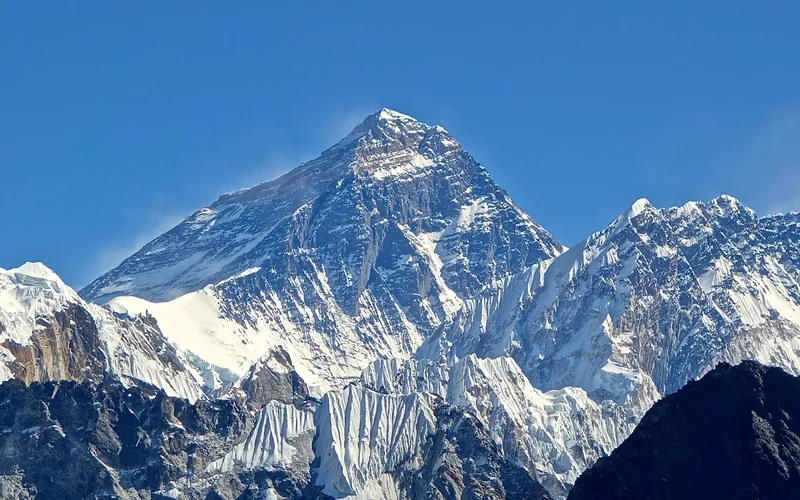
Mount Everest is the highest mountain above sea level on Earth, standing at an official elevation of 8,848.86 meters (29,031.7 ft). Straddling the international frontier between Nepal and China, it is known locally as Sagarmatha in Nepali ('Goddess of the Sky') and Chomolungma in Tibetan ('Mother Goddess of the World'). The peak rises into the extreme upper troposphere, where oxygen levels drop to barely one-third of sea-level pressure. Climbers face hurricane-force jet stream winds, severe frostbite conditions, shifting ice crevasses in the Khumbu Icefall, and the dangerous Death Zone above 8,000 meters.
Documented Sources & Archival Citations
- The Himalayan Database: Spring 2011 Eco Everest Ascents(Elizabeth Hawley / The Himalayan Database)
Supporting claim: Official certification of Apa Sherpa's 21st Everest summit on May 11, 2011
Accessed/Documented: 2011 - National Geographic: Super Sherpa Scales Everest for Record 21st Time(National Geographic)
Supporting claim: Coverage of the 21st summit milestone, Eco Everest rubbish clearance, and retirement announcement
Accessed/Documented: 2011-05-11 - BBC News: Climber Apa Sherpa Makes Record 21st Everest Ascent(BBC News)
Supporting claim: International news report documenting the environmental message and record-setting career
Accessed/Documented: 2011-05-11