Thirty Times to the Top of the World: Kami Rita Sherpa's Unprecedented Everest Mastery
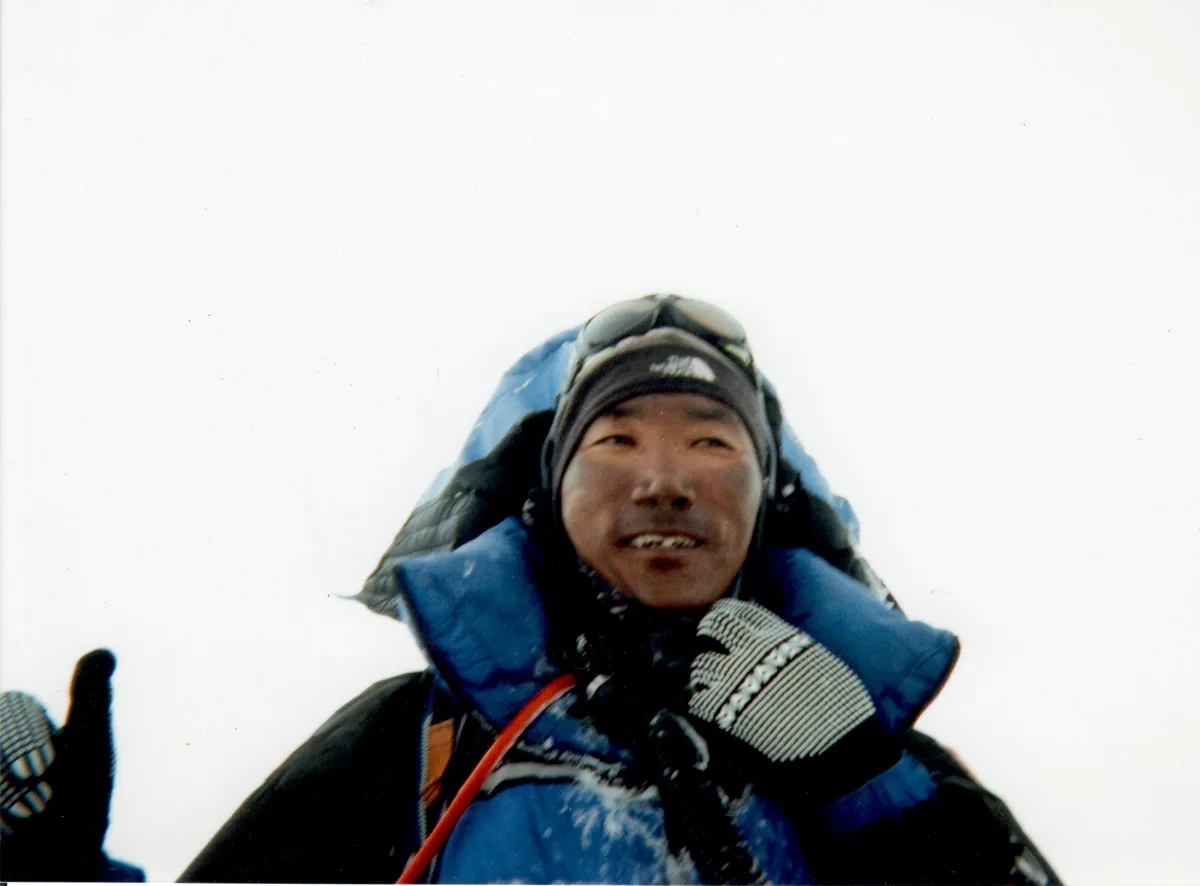
On May 22, 2024, 54-year-old Nepali mountain guide Kami Rita Sherpa reached the summit of Mount Everest for an astounding thirtieth time, extending his historic world record.
Mountain Safety & Conditions Disclaimer: High-altitude climbing, glacial travel, and technical ascents entail severe objective risks including avalanches, serac collapses, rapid weather collapse, and altitude illness. Historical route descriptions and summit claims on Mountanity reflect documented archival sources and must not be used as live operational safety assessments. Local regulations, permits, and physical glacial topography change continuously.
Peer Review: Senior Editorial Board & Historical Reviewers • Editorial Standards
To reach the summit of Mount Everest once is, for most human beings, the supreme accomplishment of a lifetime. It requires months of grueling physical preparation, weeks of hypoxic suffering, and surviving the lethal hazards of collapsing ice towers in the Khumbu Icefall, roaring avalanches on the Lhotse Face, and the suffocating atmosphere of the Death Zone.
To stand on that 8,848-meter apex thirty times is a feat that defies ordinary human comprehension.
On May 22, 2024, at 7:49 AM, a 54-year-old guide from Thame village named Kami Rita Sherpa stepped onto the summit of Mount Everest for the thirtieth time in his life. In doing so, he cemented his status as the undisputed ‘Everest Man’ and the most prolific high-altitude mountaineer who has ever lived.
Born to the High Trails
Kami Rita was born in 1970 in Thame, the storied valley that also produced Tenzing Norgay and Apa Sherpa. His father, Mingma Tshering Sherpa, was among the first generation of high-altitude porters who accompanied early foreign expeditions after Nepal opened its borders in 1950. As a teenager, Kami Rita spent years in a local Buddhist monastery studying scriptures, but he soon felt the inescapable pull of the high glaciated passes.
He began working on Everest in 1992, hauling heavy tents and cooking kerosene up through the Icefall. On May 13, 1994, at age 24, he stood on the summit of Mount Everest for the very first time.
Over the next three decades, while international climbers came and went, Kami Rita returned to Everest year after year. Serving as a senior guide and expedition leader for Seven Summit Treks and Alpine Ascents International, he was often on the frontlines: leading the rope-fixing teams that secured hundreds of ladders and thousands of meters of static safety rope across yawning crevasses and sheer ice headwalls so that other climbers could safely follow.
The Machine-Like March to Thirty
By 2018, Kami Rita had matched Apa Sherpa’s record of 21 summits. From that point forward, every single climb extended the frontier of world history. In 2019, he summited twice in seven days (reaching numbers 23 and 24). In 2023, he summited twice again.
In the spring season of 2024, Kami Rita arrived at Everest Base Camp in peak physical condition. On May 12, 2024, he guided an international expedition to the top, securing his 29th summit. Instead of packing his duffel bags and trekking down to Namche Bazaar for celebratory feasts, Kami Rita rested for only a few days at Base Camp before strapping on his crampons again.
On May 21, he moved through Camp IV on the South Col under a canopy of stars. Leading his climbers up the Balcony, past the South Summit, and across the narrow crest of the Hillary Step, Kami Rita reached the 8,848-meter summit on the morning of May 22, 2024.
Thirty summits. Nearly forty total summits across the 14 eight-thousanders, including K2, Cho Oyu, Lhotse, and Manaslu.
When journalists at Base Camp asked him about the world record, Kami Rita smiled gently with customary Sherpa humility: “I am not climbing for world records. I am just a working man doing my duty to support my family. But I am proud to show the world what the Sherpa people are capable of, because without the Sherpas, nobody climbs these mountains.”
Key Statistics & Topographic Figures
- Category
- Himalayan High-Altitude Legends
Archival Subject
- Reading Time
- 10 min read
Narrative Length
- Key Mountain
- mount-everest
Objective
- Ascent Route
- south-col-route
Topography
- Verification
- Editorially Verified
Archival Standard
Archival Primary Source Quotations
“In the mountains, truth is etched in ice and granite; every step requires unwavering respect for the heights.”
Defined Alpine Terminology & Concepts
- Summit Push
- The final continuous climbing effort from the highest established camp to the mountain apex and back.
- Death Zone Chronicle
- A verified, research-backed historical narrative documenting the human, technical, and environmental realities of an alpine expedition.
Frequently Asked Questions: Thirty Times to the Top of the World: Kami Rita Sherpa's Unprecedented Everest Mastery
What is the core chronicle and subject of "Thirty Times to the Top of the World: Kami Rita Sherpa's Unprecedented Everest Mastery"?
On May 22, 2024, 54-year-old Nepali mountain guide Kami Rita Sherpa reached the summit of Mount Everest for an astounding thirtieth time, extending his historic world record.
Which mountain peaks and routes are featured in "Thirty Times to the Top of the World: Kami Rita Sherpa's Unprecedented Everest Mastery"?
This narrative documents climbs on mount-everest along the south-col-route in Nepal.
Which documented expedition is chronicled in this story?
This historical chronicle captures the events of the 2024-kami-rita-sherpa-30th-everest, verified through contemporary journals and archival records.
Who authored and researched this archival chronicle?
Authored and researched by Mountainity Historical Research Desk, drawing on primary eyewitness testimonies, alpine club registries, and verified summit logs.
What makes this high-altitude chronicle historically significant?
Categorized under "Himalayan High-Altitude Legends", this chronicle preserves critical lessons in alpine leadership, survival, tactical speed, and human endurance in the death zone.
Related Mountains


Mount Everest
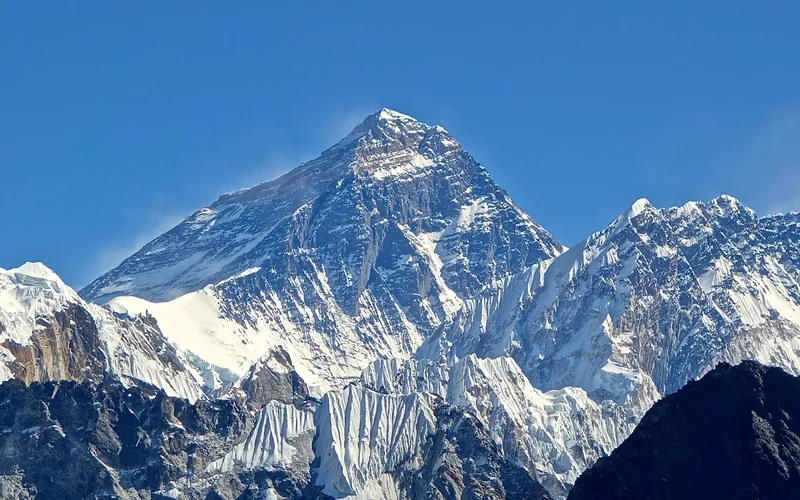
Mount Everest is the highest mountain above sea level on Earth, standing at an official elevation of 8,848.86 meters (29,031.7 ft). Straddling the international frontier between Nepal and China, it is known locally as Sagarmatha in Nepali ('Goddess of the Sky') and Chomolungma in Tibetan ('Mother Goddess of the World'). The peak rises into the extreme upper troposphere, where oxygen levels drop to barely one-third of sea-level pressure. Climbers face hurricane-force jet stream winds, severe frostbite conditions, shifting ice crevasses in the Khumbu Icefall, and the dangerous Death Zone above 8,000 meters.
Documented Sources & Archival Citations
- The Himalayan Database: Spring 2024 Everest Summit Logs(The Himalayan Database)
Supporting claim: Official verification of Kami Rita Sherpa's 29th (May 12) and 30th (May 22) Everest summits
Accessed/Documented: 2024 - Associated Press: Kami Rita Scales Everest for 30th Time, Breaking His Own Record(Associated Press)
Supporting claim: Comprehensive report on the landmark 30th ascent and quotes from base camp organizers
Accessed/Documented: 2024-05-22 - Guinness World Records: Most Mount Everest Summits(Guinness World Records)
Supporting claim: Official certification of the 30-summit world record
Accessed/Documented: 2024