1899 Sir Halford Mackinder, César Ollier and Josef Brocherel Mount Kenya Batian Maiden Ascent Expedition
On September 13, 1899, British geographer Sir Halford Mackinder and Italian Courmayeur alpine guides César Ollier and Josef Brocherel achieved the historic maiden first ascent of Mount Kenya (Batian, 5,199 m). Traversing the sheer hanging ice of the Diamond Glacier and scaling vertical volcanic chimneys, the trio conquered Africa's most technically demanding mountain.
Mountain Safety & Conditions Disclaimer: High-altitude climbing, glacial travel, and technical ascents entail severe objective risks including avalanches, serac collapses, rapid weather collapse, and altitude illness. Historical route descriptions and summit claims on Mountanity reflect documented archival sources and must not be used as live operational safety assessments. Local regulations, permits, and physical glacial topography change continuously.
Peer Review: Senior Editorial Board & Historical Reviewers • Editorial Standards
Official Expedition Narrative & Archival Record
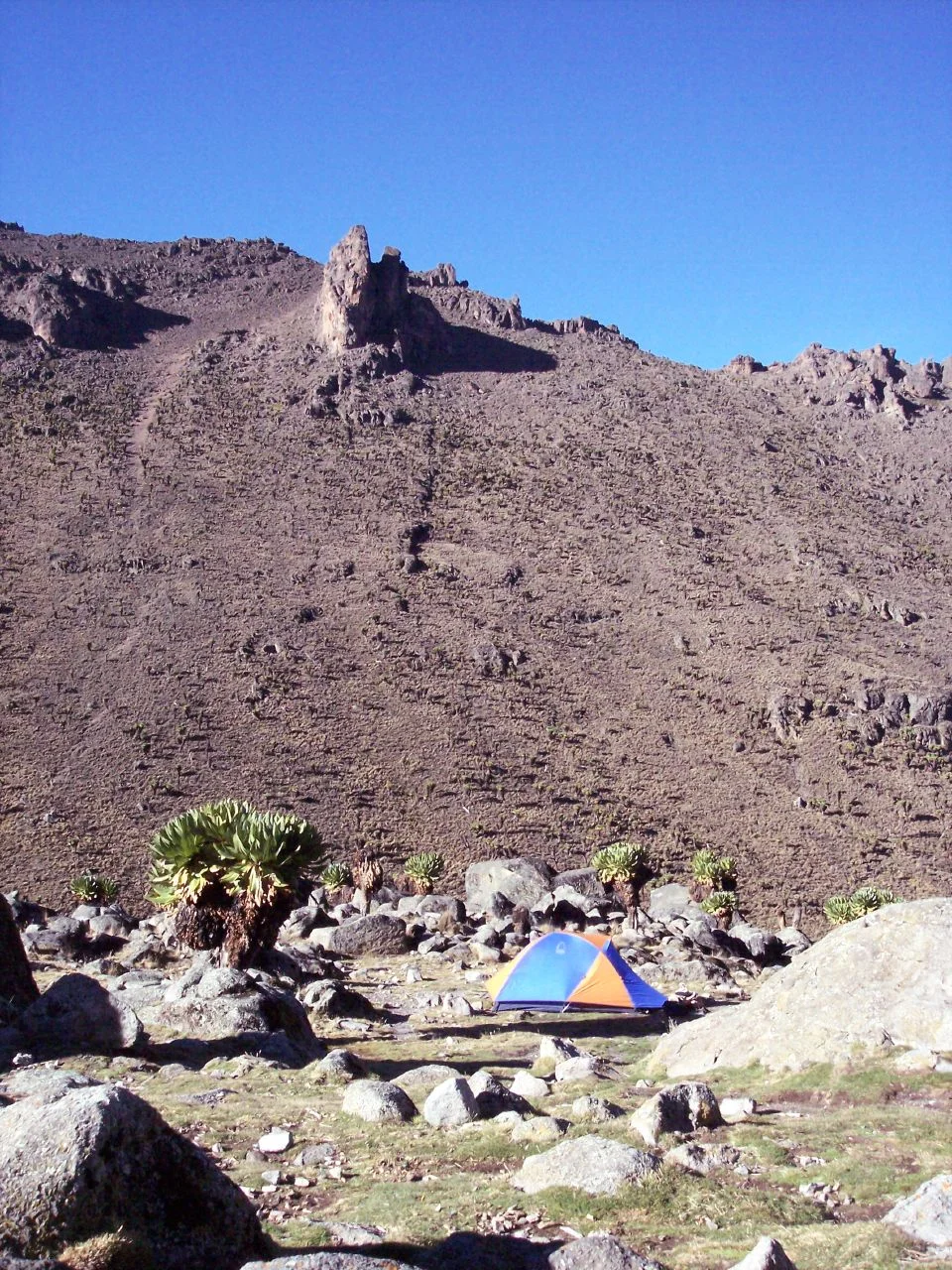
Mount Kenya (Kirinyaga, 5,199 m) had defied European explorers for half a century following its 1849 sighting by Johann Ludwig Krapf. Unlike the walk-up slopes of Kilimanjaro, Mount Kenya's twin volcanic plugs of Batian and Nelion presented vertical, crumbling rock bastions guarded by steep equatorial glaciers and treacherous weather. In the summer of 1899, British geographer Sir Halford Mackinder organized an ambitious assault sponsored by the Royal Geographical Society. To tackle the technical climbing, Mackinder recruited two of the most celebrated master guides from Courmayeur, Italy: César Ollier and Josef Brocherel. The expedition departed the newly established railway railhead at Nairobi, fighting through dense equatorial bamboo jungles and suffering logistical breakdowns and smallpox amongst porters. Reaching the mountain's upper sanctuary, Mackinder established a base camp in the glacial valley now known as Mackinder Valley. Initial summit assaults up the southern arêtes were repulsed by vertical walls and treacherous verglas. Changing tactics, Ollier reconnoitered a route across the precipitous Darwin and Diamond Glaciers. On September 13, 1899, climbing in bone-chilling mist, Ollier led the team across a precarious hanging ice traverse on the Diamond Glacier, hacking footsteps across 50-degree ice before ascending a severe chimney on the southeast face. At noon, Mackinder, Ollier, and Brocherel stood on the virgin summit of Batian at 5,199 metres. They erected a small cairn and spent twenty minutes on top before descending through a blinding snowstorm, achieving one of the greatest technical rock and ice conquests of the 19th century.
Documented Team Composition
- Sir Halford John Mackinder (Expedition Leader & Geographer, UK)
- César Ollier (Lead Alpine Guide, Courmayeur, Italy)
- Josef Brocherel (Alpine Guide, Courmayeur, Italy)
- Campbell B. Hausburg (Expedition Photographer & Collector, UK)
- Edward H. Saunders (Naturalist, UK)
Key Statistics & Topographic Figures
- Official Elevation
- 5,199 m (17,057 ft)
- Summit Date
- September 13, 1899
- Summit Peak
- Batian
- Climbers
- Halford Mackinder, César Ollier, Josef Brocherel
- Route Type
- Diamond Glacier & North Face Rock Chimneys
Archival Primary Source Quotations
“The cliffs of Batian rose like an impregnable medieval citadel, dark phonolite walls plastered with rime ice, defying human feet.”
Defined Alpine Terminology & Concepts
- Volcanic Plug
- A volcanic landform created when magma hardens within a vent on an active volcano, leaving behind a steep rocky spire after erosion.
- Equatorial Hanging Glacier
- A perched glacier clinging to sheer rock cliffs near the equator, prone to intense solar radiation and ice calving.
Frequently Asked Questions: 1899 Sir Halford Mackinder, César Ollier and Josef Brocherel Mount Kenya Batian Maiden Ascent Expedition
Who made the first ascent of Mount Kenya in 1899?
British geographer Sir Halford Mackinder and Italian alpine guides César Ollier and Josef Brocherel from Courmayeur achieved the maiden first ascent on September 13, 1899.
Which summit of Mount Kenya was climbed first in 1899?
The party summited Batian at 5,199 metres (17,057 ft), the highest of Mount Kenya's twin volcanic rock horns.
Why was climbing Mount Kenya much harder than Mount Kilimanjaro?
Mount Kenya is an eroded volcanic plug featuring sheer vertical rock faces of syenite and steep hanging glaciers requiring technical rock and ice climbing.
What famous glacier did Ollier and Mackinder cross on Mount Kenya?
They traversed the steep 50-degree hanging ice of the Diamond Glacier suspended high above the sheer southern precipices.
Ascent Route & Topography
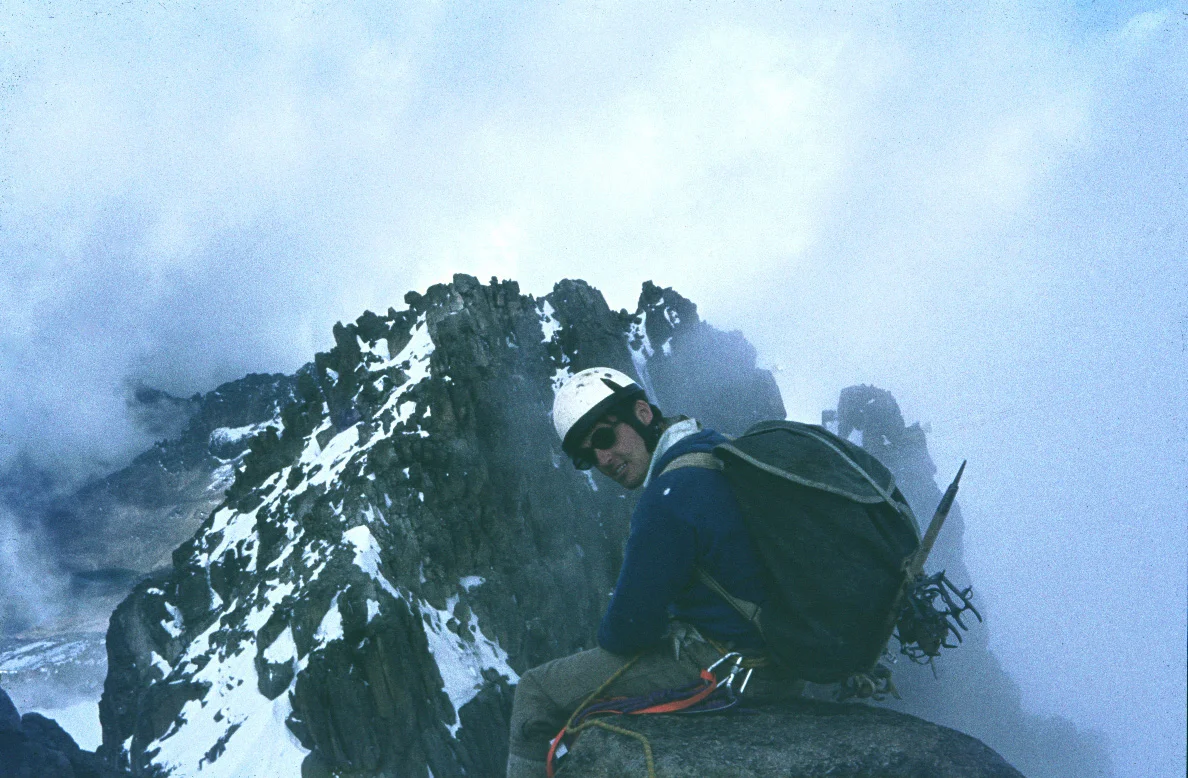
Mount Kenya North Face Standard Route on Batian
The classic technical climbing route up Africa's second-highest summit, tackled during the northern hemisphere summer when the sun warms the northern cliffs. Features over 20 pitches of high-grade granite-like syenite rock climbing ending on the summit pinnacle of Batian.
Target Objective Peak
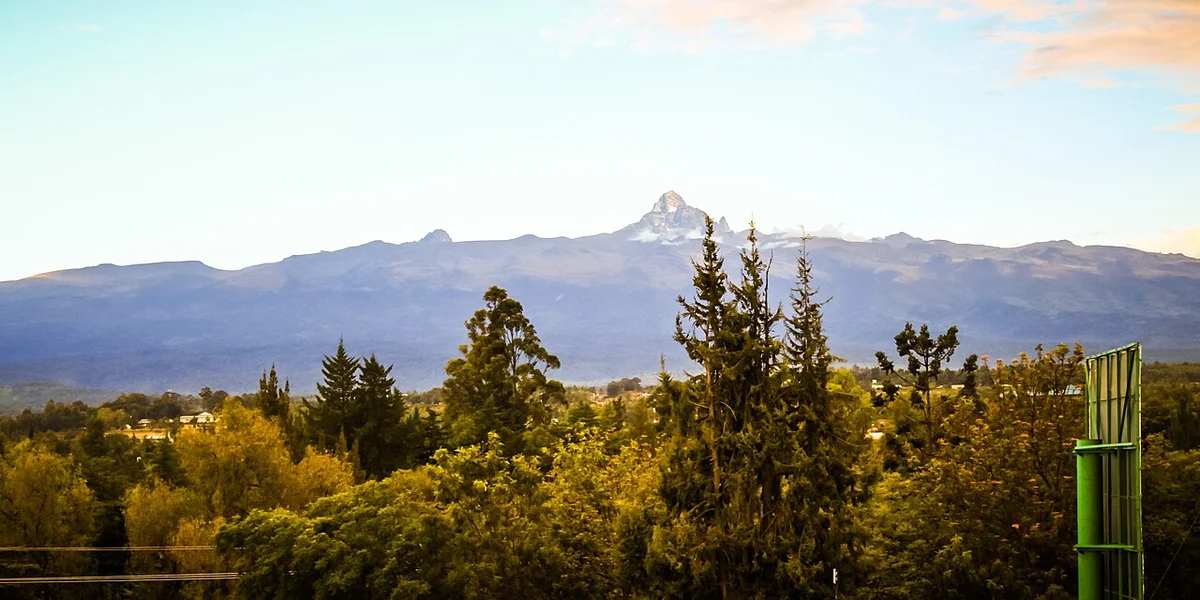

Mount Kenya
Mount Kenya is the second-highest mountain in Africa at 5,199 metres (17,057 ft), an ancient extinct stratovolcano that once rose over 7,000 metres before millions of years of glaciation eroded it into sheer rock bastions. Its highest twin summits—Batian (5,199 m) and Nelion (5,188 m)—present demanding, highly technical rock and ice climbing. Batian was first climbed on September 13, 1899, by British geographer Sir Halford Mackinder and Courmayeur alpine guides César Ollier and Josef Brocherel.
Featured Expedition Climber
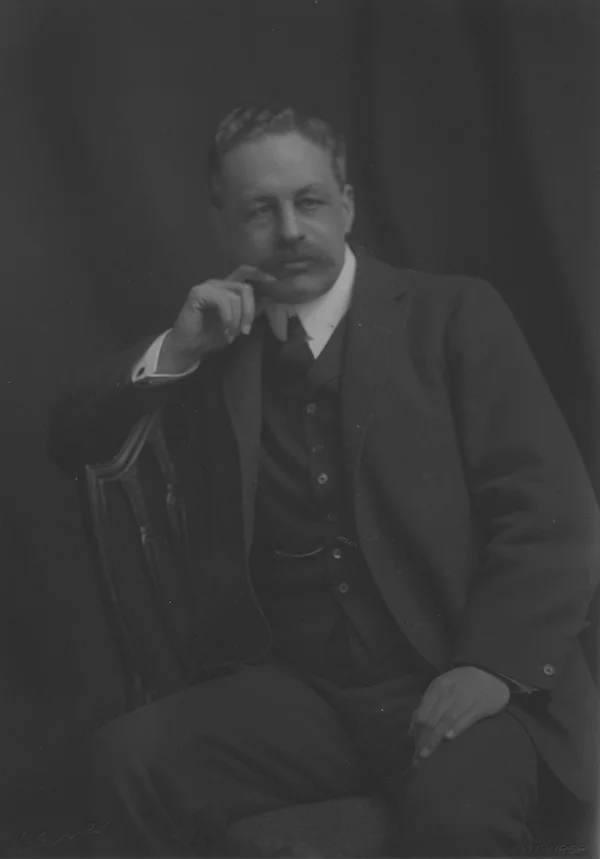
Sir Halford Mackinder
Sir Halford John Mackinder was born on February 15, 1861, in Gainsborough, Lincolnshire, England. Educated at Epsom College and Christ Church, Oxford, he was appointed Reader in Geography at Oxford in 1887 and founded the School of Geography there in 1899. A brilliant strategic thinker, he later authored the revolutionary 1904 paper 'The Geographical Pivot of History', establishing the concepts of the Eurasian 'Heartland' and the foundation of global geopolitics. In the summer of 1899, determined to combine geographic theory with practical exploration, Mackinder organized an expedition to ascend Mount Kenya (5,199 m), a peak whose glaciated volcanic crown had defied all previous explorers. Understanding the ferocious technical difficulty of the mountain's vertical phonolite spires, Mackinder engaged two master alpine guides from Courmayeur, Italy: César Ollier and Josef Brocherel. Departing Nairobi with a massive safari caravan, the party navigated dense bamboo jungles, smallpox outbreaks, and torrential equatorial rains to reach the mountain's base, establishing camp in the valley that now bears his name (Mackinder Valley). On September 13, 1899, after multiple unsuccessful attempts, Mackinder, Ollier, and Brocherel traversed the Diamond Glacier and climbed sheer, icy rock chimneys to stand atop the 5,199-metre pinnacle of Batian. Mackinder published a detailed account in The Geographical Journal, produced the first accurate topographical map of the massif, and named many of its defining landmarks. He passed away on March 6, 1947, in Parkstone, Dorset.
Associated Historical Chronicles & Stories
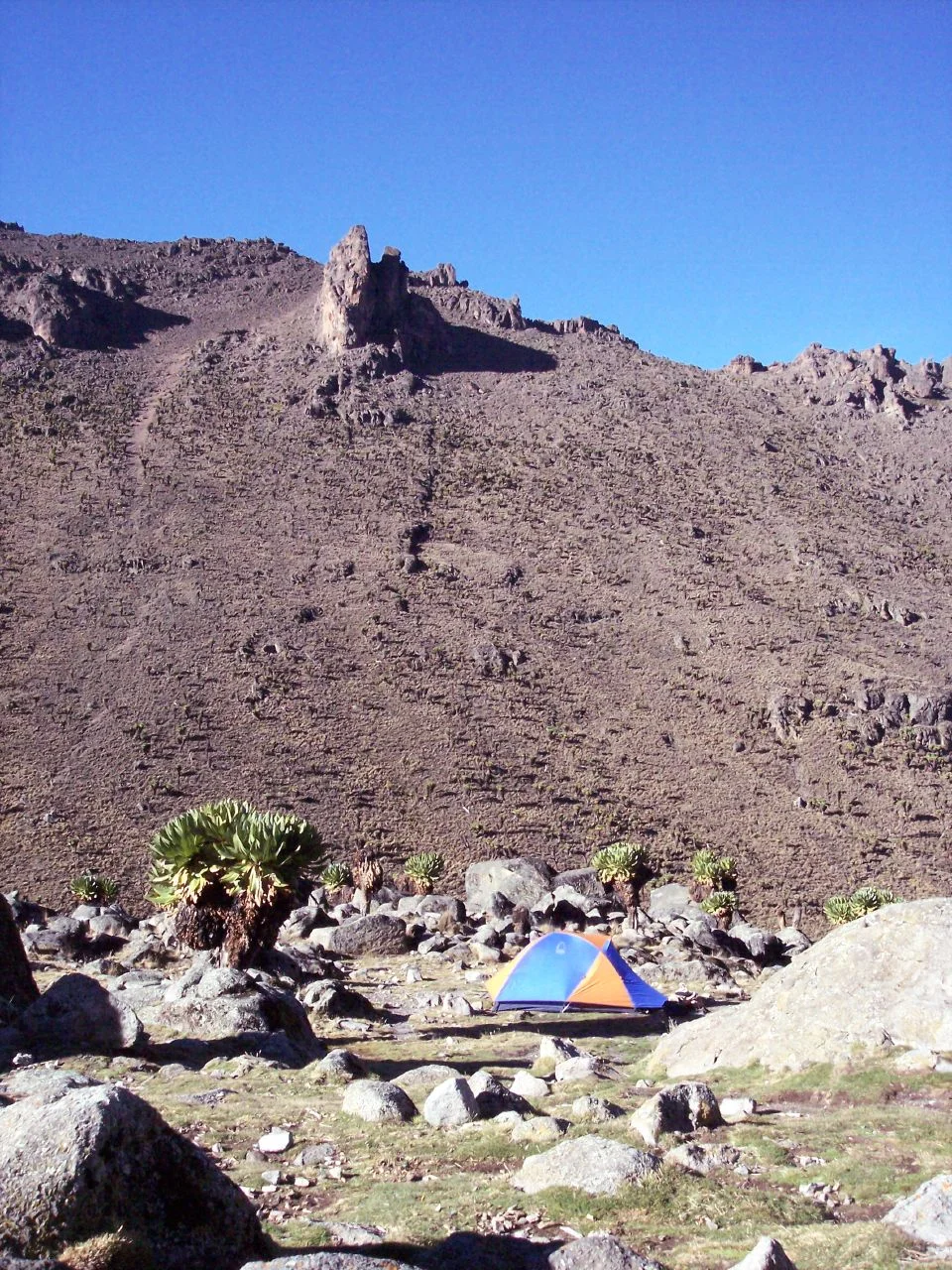
The Diamond Notch: Halford Mackinder and the 1899 First Ascent of Mount Kenya
The Unforgiving Spire of Kirinyaga...
Documented Sources & Archival Citations
- The First Ascent of Mount Kenya(Halford John Mackinder / The Geographical Journal)
Supporting claim: Firsthand official report of the 1899 first ascent
Accessed/Documented: 1900