1932 German-American Nanga Parbat Expedition
Led by Willy Merkl, the joint German-American expedition launched the first comprehensive exploration of Nanga Parbat (8,126m), pioneering the Rakhiot Flank route to over 7,000 meters.
Mountain Safety & Conditions Disclaimer: High-altitude climbing, glacial travel, and technical ascents entail severe objective risks including avalanches, serac collapses, rapid weather collapse, and altitude illness. Historical route descriptions and summit claims on Mountainity reflect documented archival sources and must not be used as live operational safety assessments. Local regulations, permits, and physical glacial topography change continuously.
Peer Review: Senior Editorial Board & Historical Reviewers • Editorial Standards
Official Expedition Narrative & Archival Record
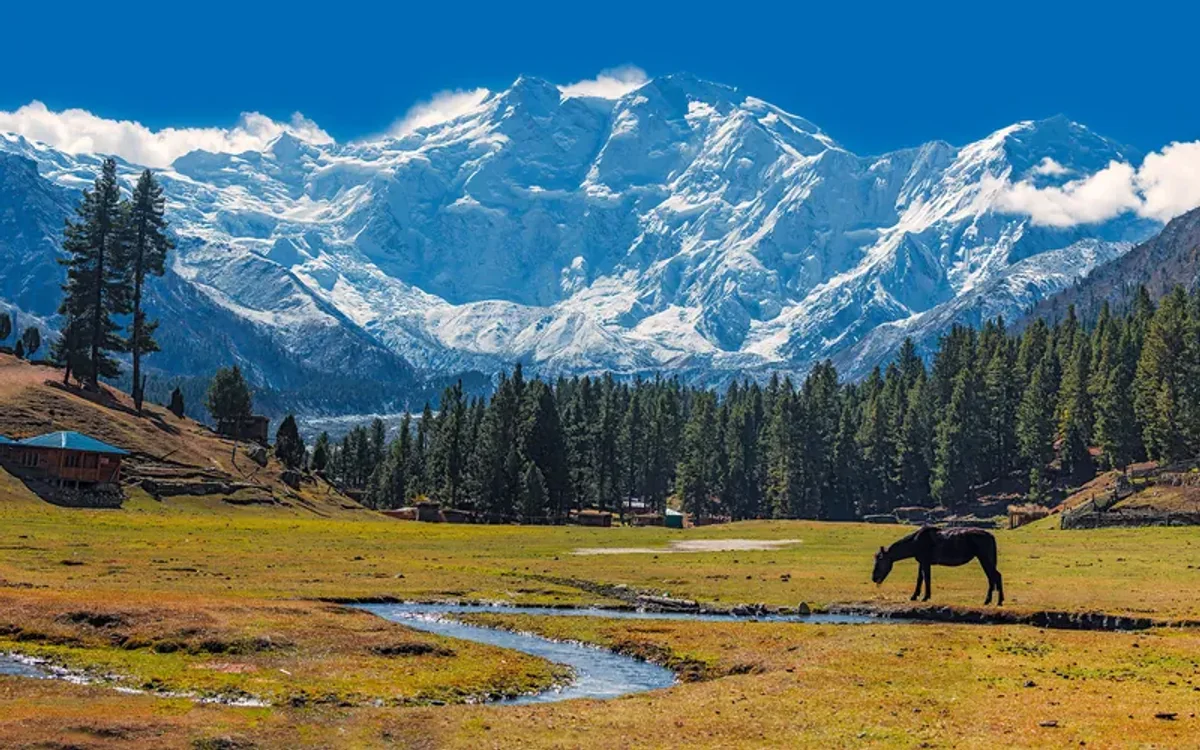
In the spring of 1932, Bavarian alpinist Willy Merkl organized a joint German-American expedition to Nanga Parbat, partnering with American climbers Rand Herron and Elizabeth Knowlton, and German veterans Fritz Bechtold and Peter Aschenbrenner. Approaching the Rakhiot Face from the Indus Valley, they established Base Camp near Fairy Meadows and methodically climbed the steep icefall, opening what became known as the Rakhiot Route. Despite ferocious monsoonal blizzards and extreme cold, Aschenbrenner and Herron reached the Silbersattel at 7,000 meters before being forced to retreat by continuous snowfall. Their pioneering effort established the route that Hermann Buhl would eventually use for his historic 1953 solo first ascent.
Documented Team Composition
- Willy Merkl (Expedition Leader)
- Rand Herron (American Climber - 7,000m)
- Peter Aschenbrenner (German Climber - 7,000m)
- Fritz Bechtold
- Elizabeth Knowlton (Correspondent & Climber)
- Hugo Hamberger (Physician)
Key Statistics & Topographic Figures
- Official Outcome
- Pioneered the Rakhiot Flank Route to 7,000m in First Major Attempt
Expedition Status
- Summit Date
- 1932-08-05
Ascent Timestamp
- Target Objective
- nanga-parbat
Mountain Peak
- Ascent Route
- rakhiot-flank
Climbing Path
- Team Size
- 6 Climbers
High-Altitude Team
- Region / Country
- Pakistan (Gilgit-Baltistan / Diamir)
Geography
Defined Alpine Terminology & Concepts
- Alpine Expedition
- A planned, self-contained high-altitude mountaineering undertaking operating in remote mountain terrain subject to extreme objective hazards.
- Death Zone
- The high-altitude region above 8,000 meters where atmospheric oxygen pressure is inadequate for sustained human survival.
Frequently Asked Questions: 1932 German-American Nanga Parbat Expedition
What was the primary outcome and achievement of the 1932 German-American Nanga Parbat Expedition?
Pioneered the Rakhiot Flank Route to 7,000m in First Major Attempt. Led by Willy Merkl, the joint German-American expedition launched the first comprehensive exploration of Nanga Parbat (8,126m), pioneering the Rakhiot Flank route to over 7,000 meters.
When did the 1932 German-American Nanga Parbat Expedition reach the summit?
Summit and operational dates for the 1932 German-American Nanga Parbat Expedition are documented across 1932-04-15 to 1932-08-05.
Who were the documented climbing team members on the 1932 German-American Nanga Parbat Expedition?
The documented climbing roster included: Willy Merkl (Expedition Leader), Rand Herron (American Climber - 7,000m), Peter Aschenbrenner (German Climber - 7,000m), Fritz Bechtold, Elizabeth Knowlton (Correspondent & Climber), Hugo Hamberger (Physician).
What climbing route and mountain objective were tackled during the 1932 German-American Nanga Parbat Expedition?
The expedition tackled nanga-parbat via the rakhiot-flank in Pakistan (Gilgit-Baltistan / Diamir).
How are the records and summit claims of the 1932 German-American Nanga Parbat Expedition verified?
Summit claims, route topography, and timeline logs for the 1932 German-American Nanga Parbat Expedition are cross-referenced with official alpine registries, national mountaineering federations, and primary expedition journals.
Ascent Route & Topography
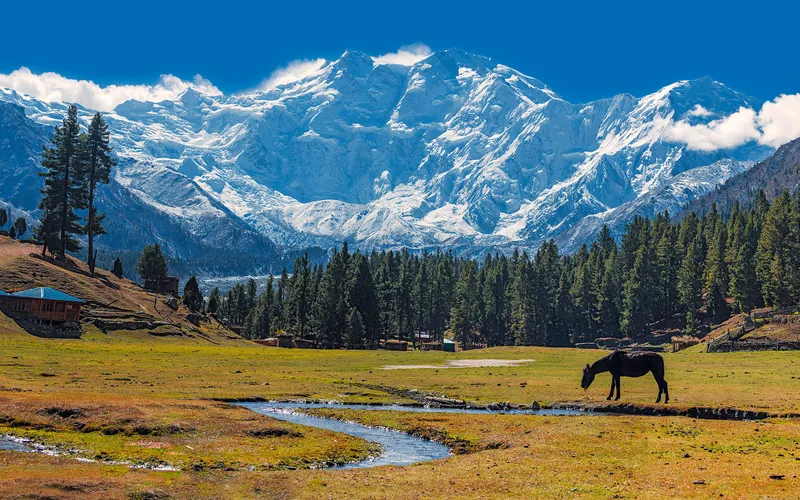
Rakhiot Flank & East Ridge (Original 1953 Route)
The historic original route on Nanga Parbat (8,126m), ascending from the Rakhiot Glacier over the heavily crevassed Rakhiot Icefall to reach the colossal Silbersattel (Silver Saddle) at 7,450 meters....
Target Objective Peak


Nanga Parbat
Nanga Parbat, at 8,126 meters (26,660 ft), is the ninth-highest mountain on Earth and the western anchor of the Himalayas in Pakistan. It boasts the Rupal Face, the highest vertical precipice in the world at 4,600 meters from valley floor to summit. Known for profound climbing history, highlighted by Hermann Buhl's legendary solo summit without supplemental oxygen in 1953.
Documented Sources & Archival Citations
- Archival PublicationThe Naked Mountain(Elizabeth Knowlton / G.P. Putnam's Sons)
- Primary Alpine JournalAmerican Alpine Journal: The German-American Himalayan Expedition 1932 ↗(American Alpine Club)
Share Exploration
Global Mountain Intelligence
✓ Link copied to clipboard!