Continental Mountain Discovery

Mountains of North America

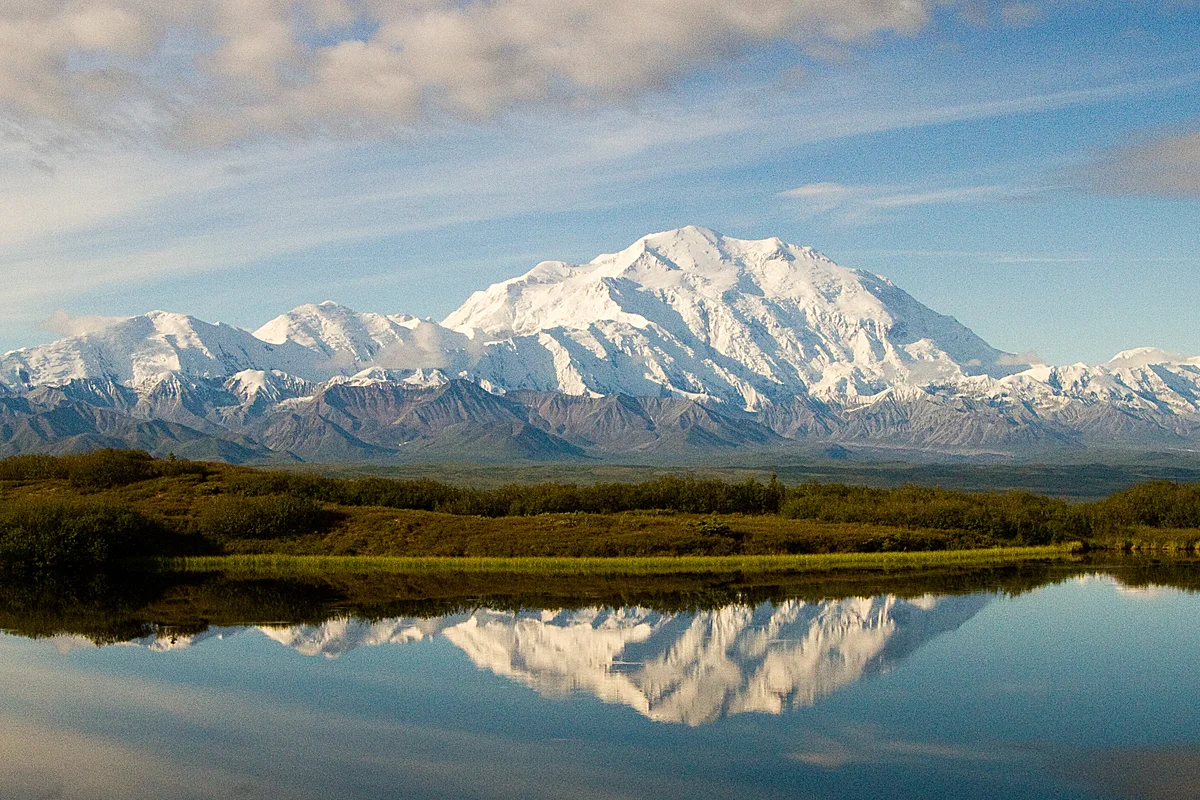
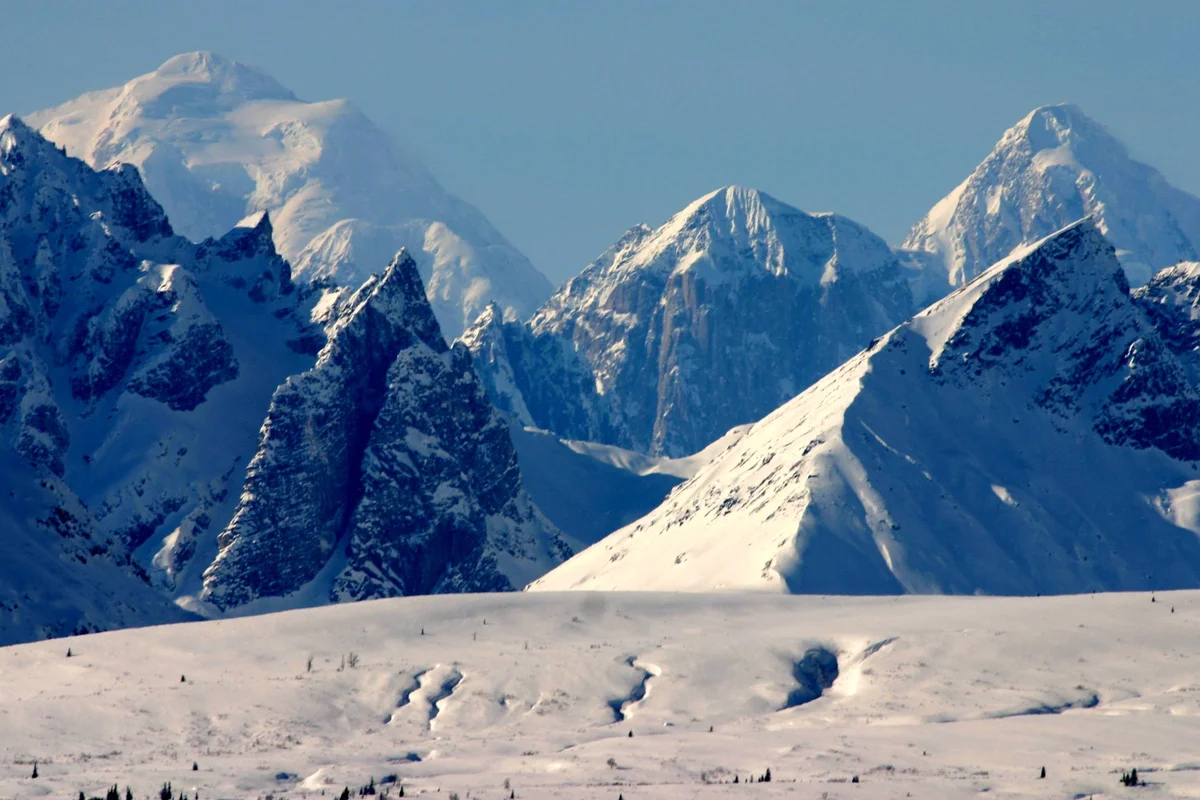
North America’s mountain architecture spans immense climatic zones, from the Arctic nunataks and coastal ice caps of Greenland and Alaska down through the contiguous Rocky Mountains and volcanic Cascade Arc. Dominated by massive topographic relief and severe maritime storms, peaks like Denali and Mount Logan feature some of the greatest base-to-summit vertical rises on Earth.

Report an Error
44
Verified Summits
13
Mountain Ranges
4
Alpine Nations

Mountain Ranges in North America

Primary geological cordilleras, tectonic belts, and regional massifs across North America.

13 Ranges
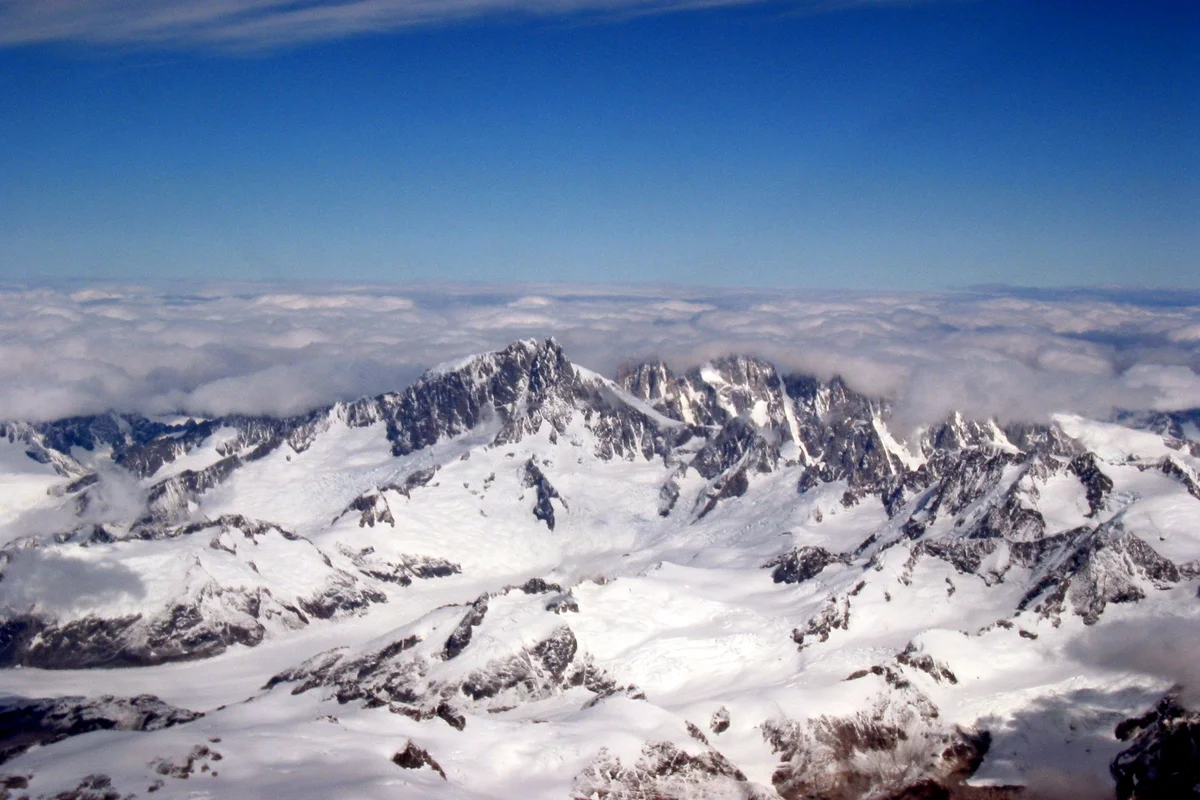
Panoramic aerial view of the ice-clad granite spires and glacial valleys of the Alaska Range.
United States7 Key Peaks

Alaska Range

A 650-kilometer arc of glacier-cloaked granite and sub-arctic wilderness in south-central Alaska. Home to Denali, the highest mountain in North America, as well as Mount Hunter and Mount Foraker, the range is renowned for extreme sub-zero weather, enormous vertical relief, and world-class alpine testpieces.

View Mountain Range
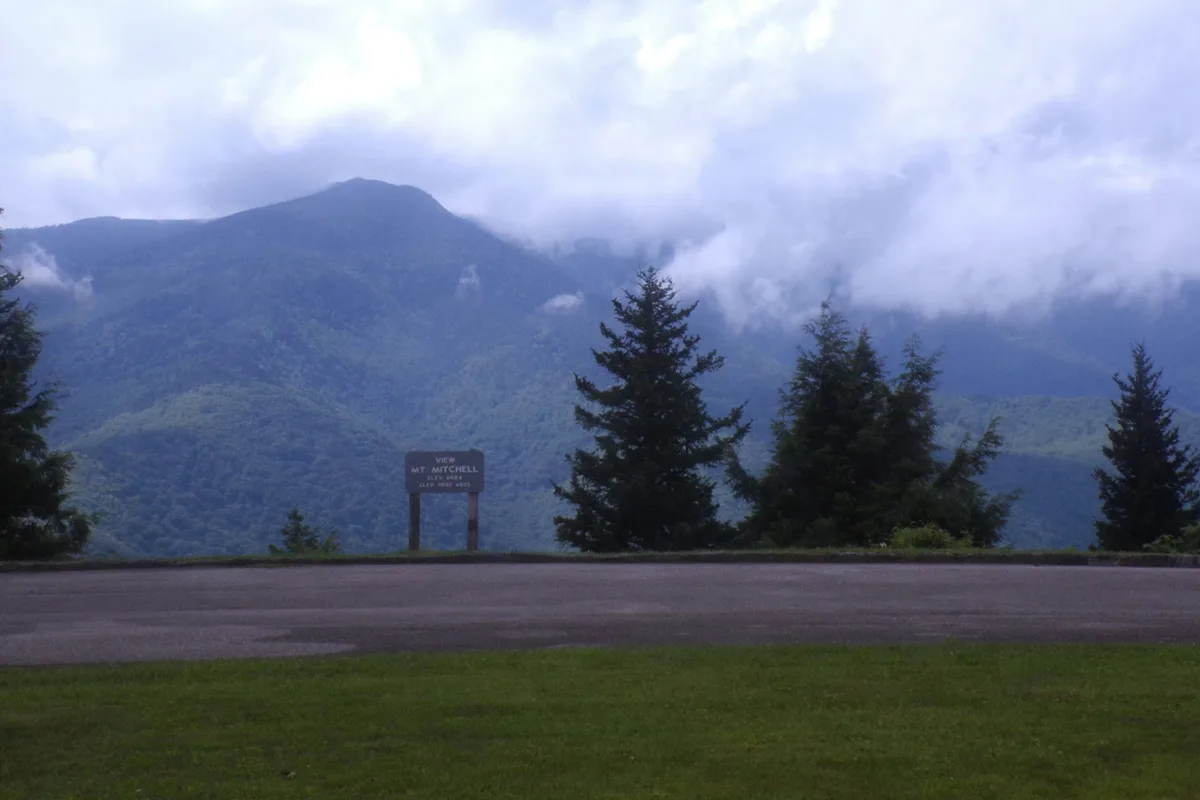
Mount Mitchell summit in the Appalachian Mountains, USA
United States, Canada1 Key Peaks

Appalachian Mountains

An ancient Paleozoic collision chain spanning 2,400 km from Alabama to Newfoundland, exhibiting deeply dissected ridges, hardwood highlands, and spruce-fir summits crowned by Mount Mitchell (2,037 m) in North Carolina’s Black Mountains.

View Mountain Range
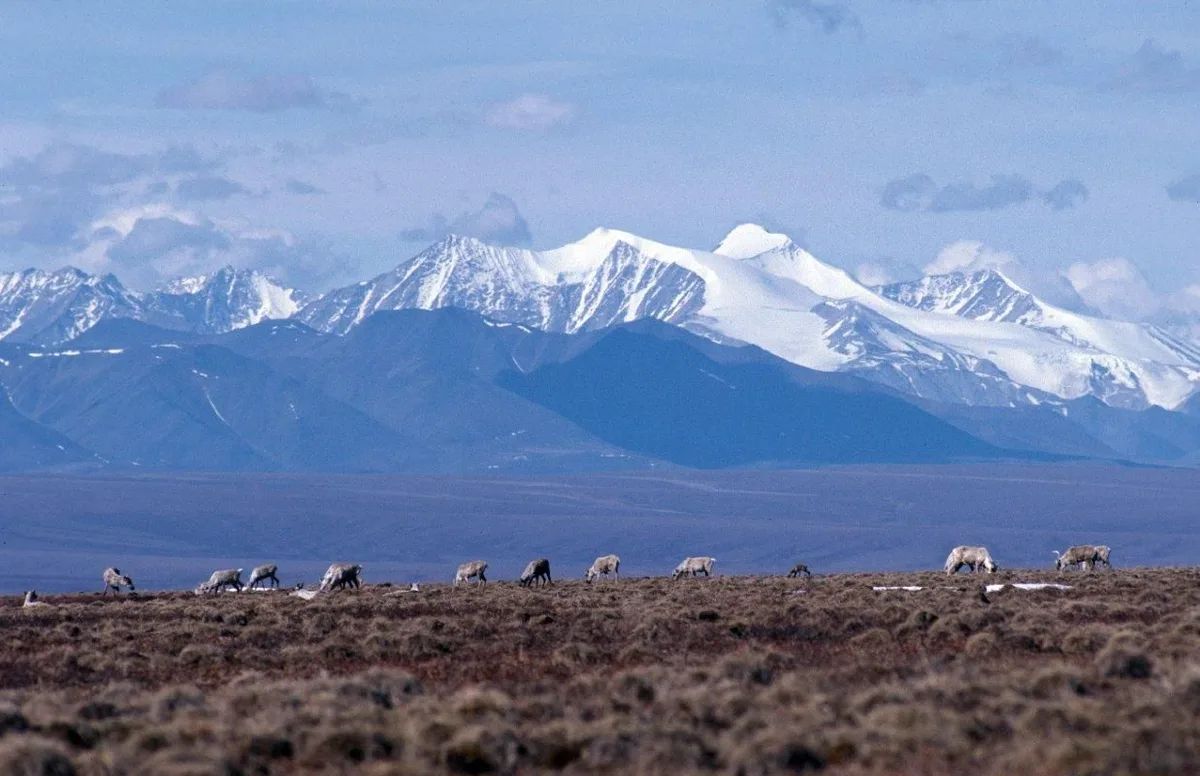
Arctic tundra and rugged peaks of the Brooks Range, northern Alaska.
United States, Canada1 Key Peaks

Brooks Range

Arctic North America’s northernmost Cordilleran front stretching 1,100 km across northern Alaska above the Arctic Circle, anchored by Mount Isto (2,736 m) in the heavily glaciated Romanzof Mountains.

View Mountain Range
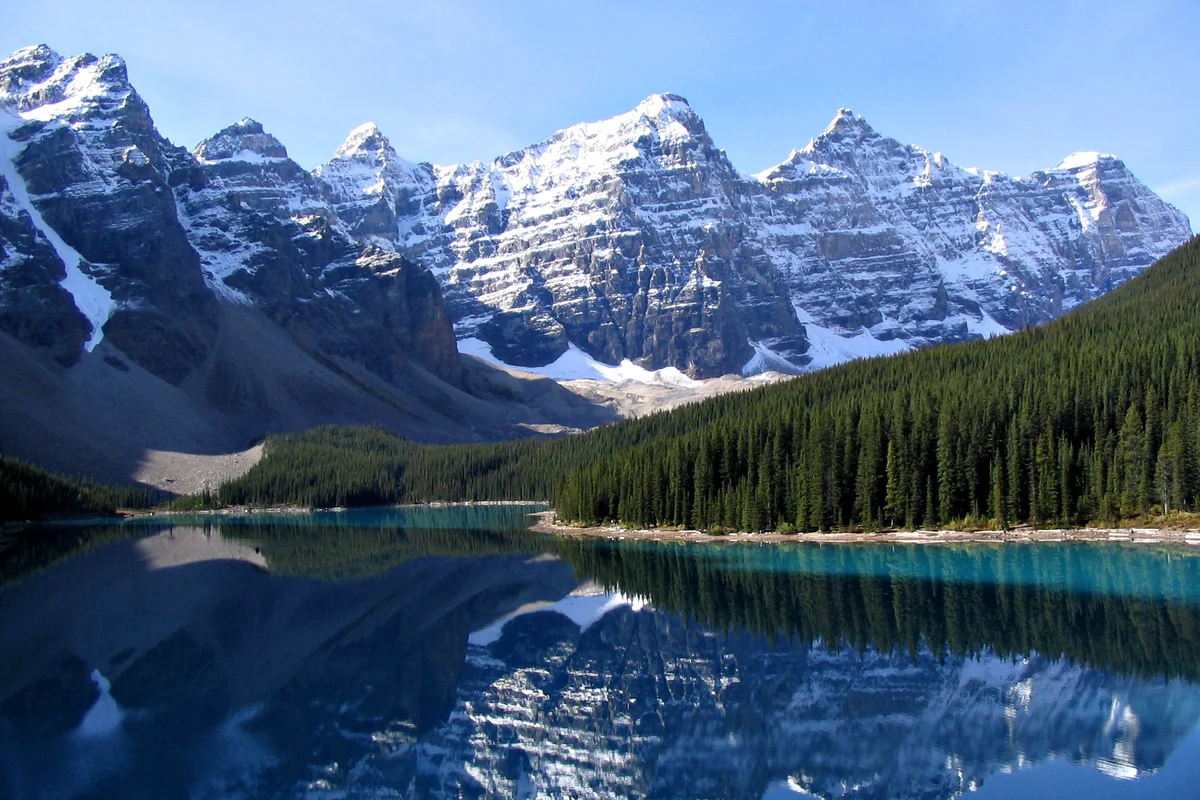
The iconic turquoise waters of Moraine Lake beneath the sheer glaciated peaks of the Canadian Rockies.
Canada8 Key Peaks

Canadian Rockies

The Canadian segment of the North American Rocky Mountains, extending across eastern British Columbia and western Alberta. Celebrated for massive layered limestone and quartzite peaks, sweeping glacial lakes, and the colossal summit of Mount Robson, the range was the crucible of early twentieth-century North American alpine exploration.

View Mountain Range
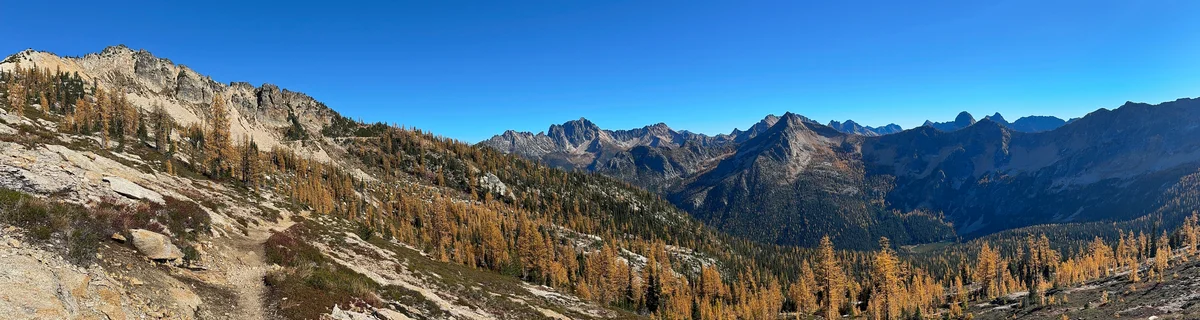
Panorama of the glaciated alpine peaks and alpine meadows across the Cascade Range in Washington.
United States, Canada2 Key Peaks

Cascade Range

A major mountain range of western North America extending from southern British Columbia through Washington and Oregon to Northern California. Dominated by massive glaciated stratovolcanoes including Mount Rainier, Mount Adams, Mount Hood, and Mount Baker, alongside the rugged granitic spires of the North Cascades, the range served as the training ground and proving center for generations of American mountaineers.

View Mountain Range
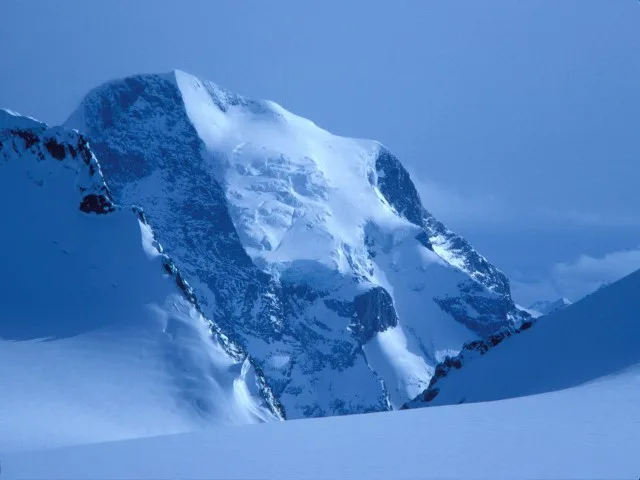
Coast Mountains alpine landscape featuring Mount Waddington.
Canada, United States1 Key Peaks

Coast Mountains

A massive Pacific Cordilleran chain extending over 1,600 km from southwest Yukon along coastal British Columbia to the Fraser River, dominated by colossal temperate icefields, granite towers, and Mount Waddington (4,019 m).

View Mountain Range
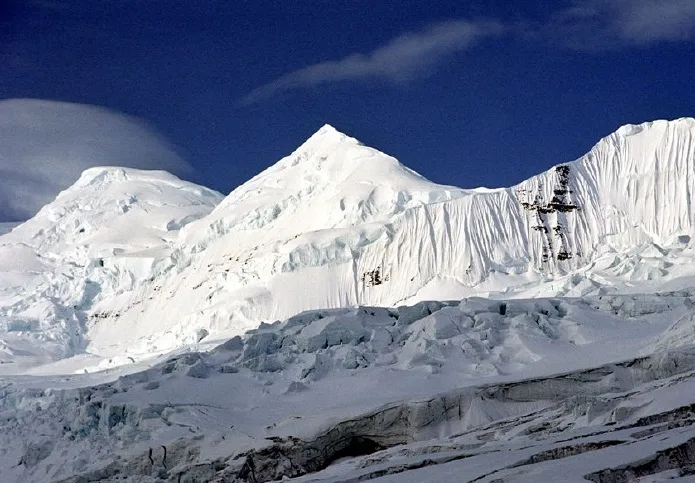
Mount Sir Sandford in the Selkirk Mountains of the Columbia Range
Canada, United States5 Key Peaks

Columbia Mountains

An interior British Columbian mountain system flanking the Rocky Mountain Trench, encompassing the Purcell, Selkirk, Monashee, and Cariboo ranges, renowned for heavy winter snowfall, deep alpine valleys, and Mount Sir Sandford (3,519 m).

View Mountain Range
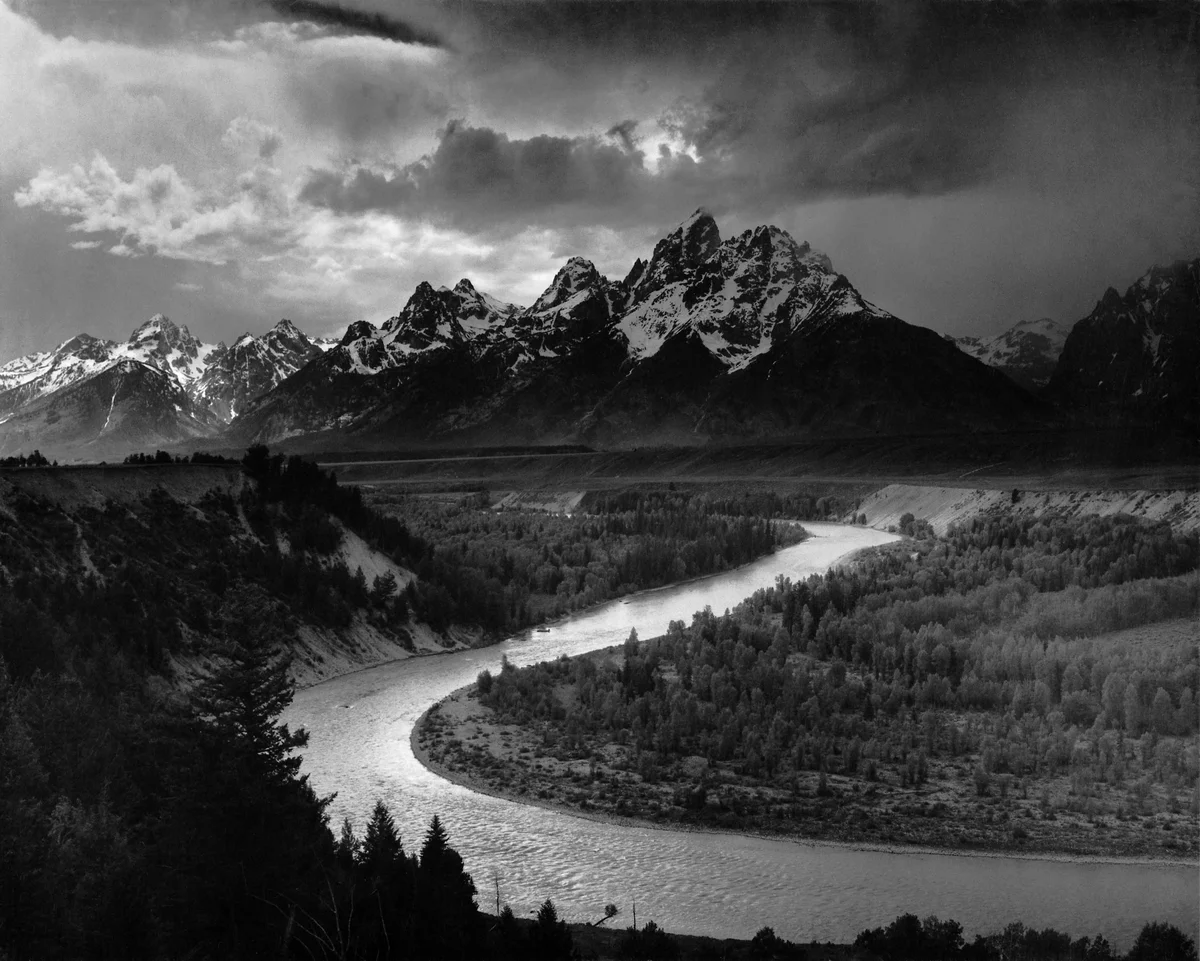
Ansel Adams' historic 1942 panoramic photograph of the Snake River winding in front of the snow-capped Cathedral Group in the Teton Range of the Rocky Mountains.
United States, Canada4 Key Peaks

Rocky Mountains

The Rocky Mountains form the vast continental backbone of North America, stretching more than 3,000 miles from British Columbia through Wyoming, Colorado, and New Mexico. Ranging from the abrupt 7,000-foot relief of the Teton Range to the soaring Colorado fourteeners, the American Rockies provided the proving grounds for modern North American alpine rock climbing, wilderness surveying, and guiding ethics.

View Mountain Range
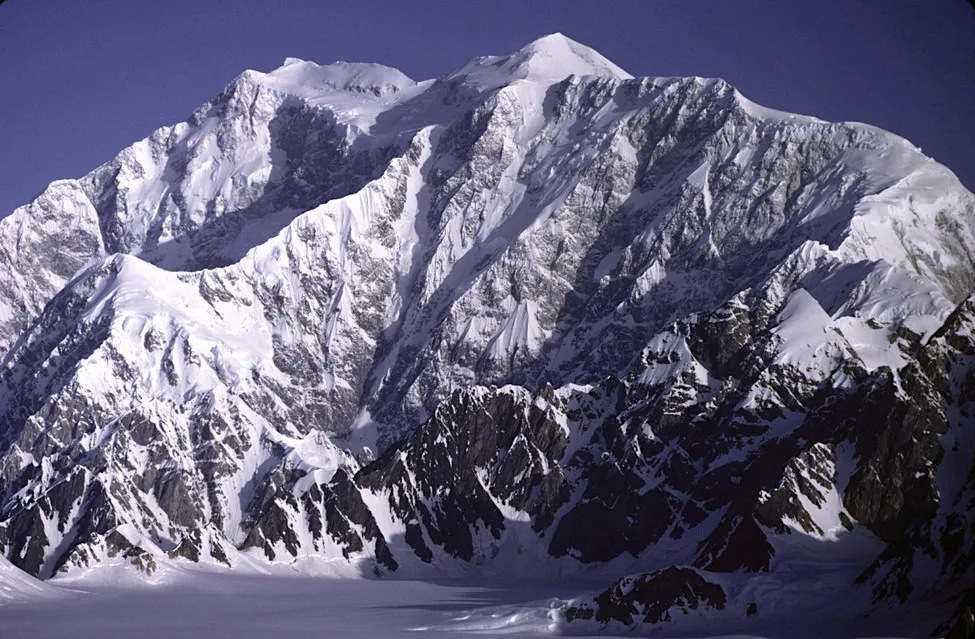
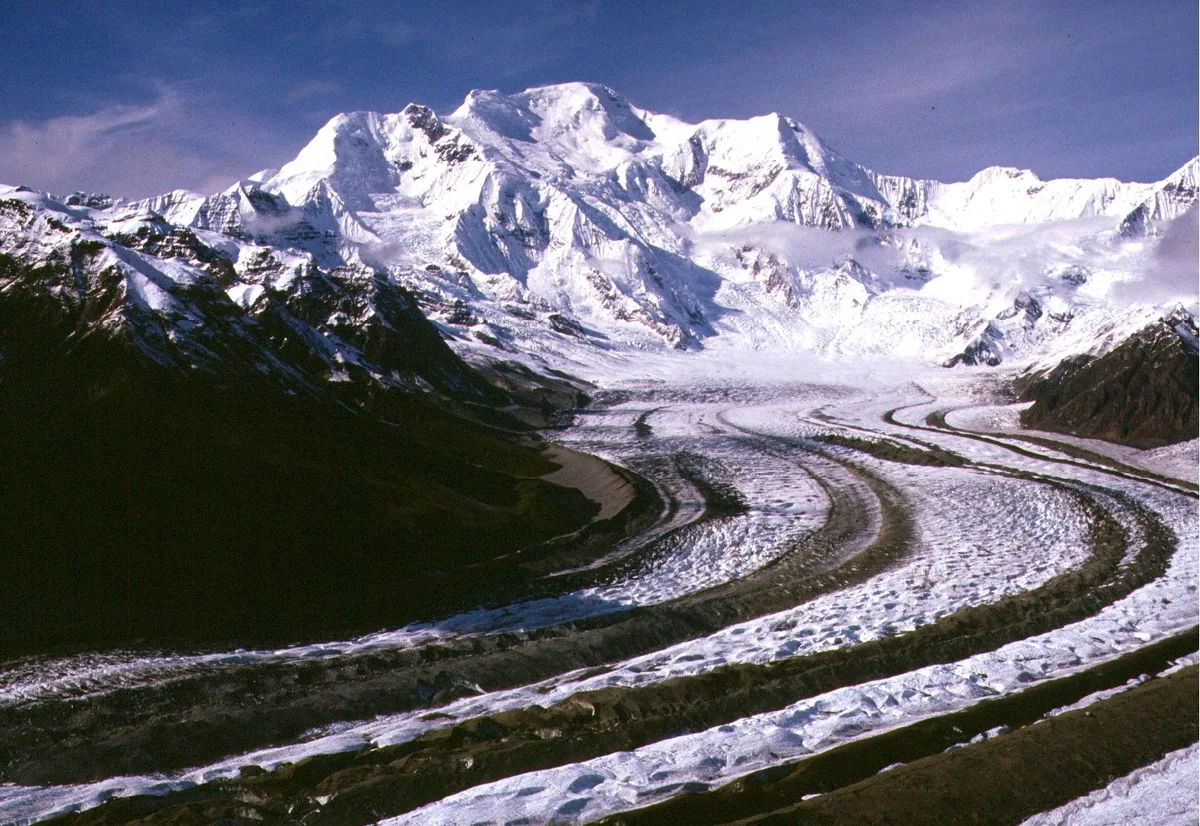
Mount Logan massif in the Saint Elias Mountains, Canada
Canada, United States6 Key Peaks

Saint Elias Mountains

Earth’s highest coastal mountain range and host to North America’s largest non-polar icefields, rising directly from the Gulf of Alaska to massive glaciated ramparts led by Mount Logan (5,959 m) and Mount Saint Elias (5,489 m).

View Mountain Range
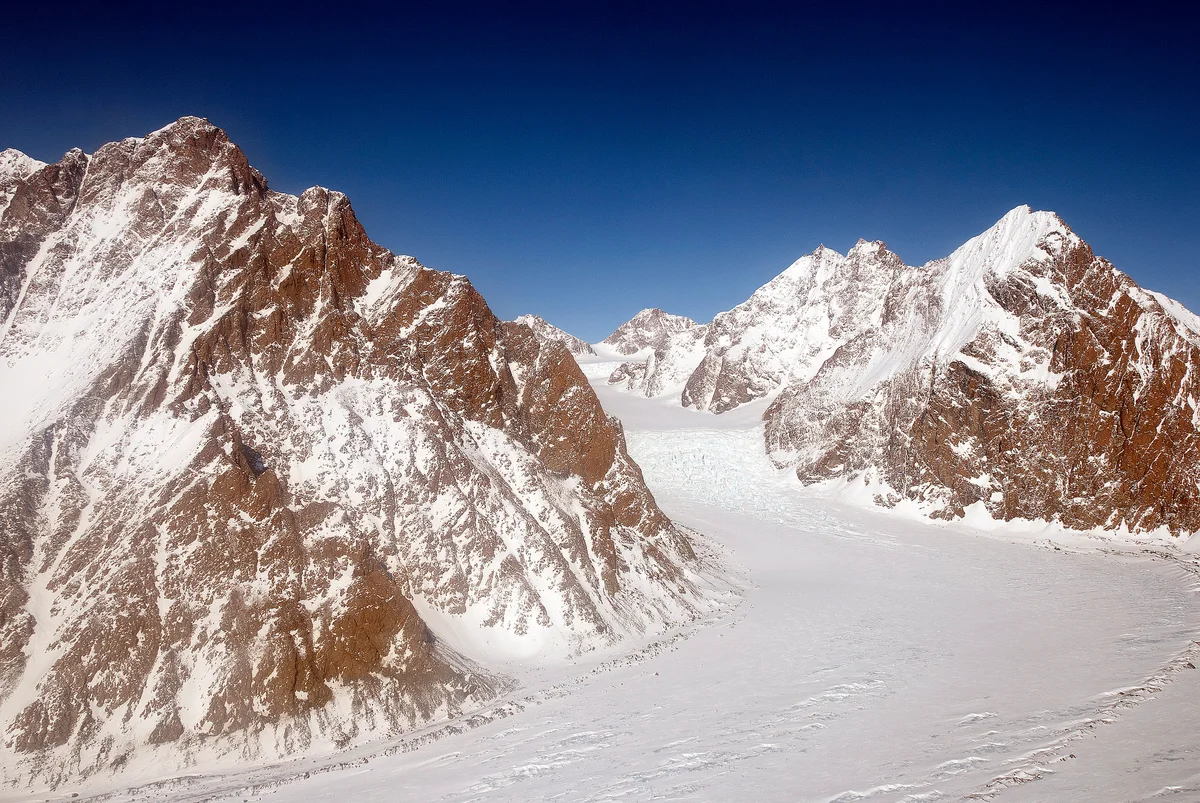
Glaciated alpine summits and outlet fjords of the Schweizerland Alps in East Greenland.
Greenland2 Key Peaks

Schweizerland Alps

The Schweizerland Alps form a spectacular coastal alpine cordillera in King Christian IX Land, Sermersooq Municipality, East Greenland. Named in 1912 by Swiss geophysicist Alfred de Quervain, the region is characterized by jagged granite needles, enormous tidewater glaciers, and the dominant icy dome of Mount Forel (3,383 m), the highest summit in Greenland outside the Watkins Range.

View Mountain Range
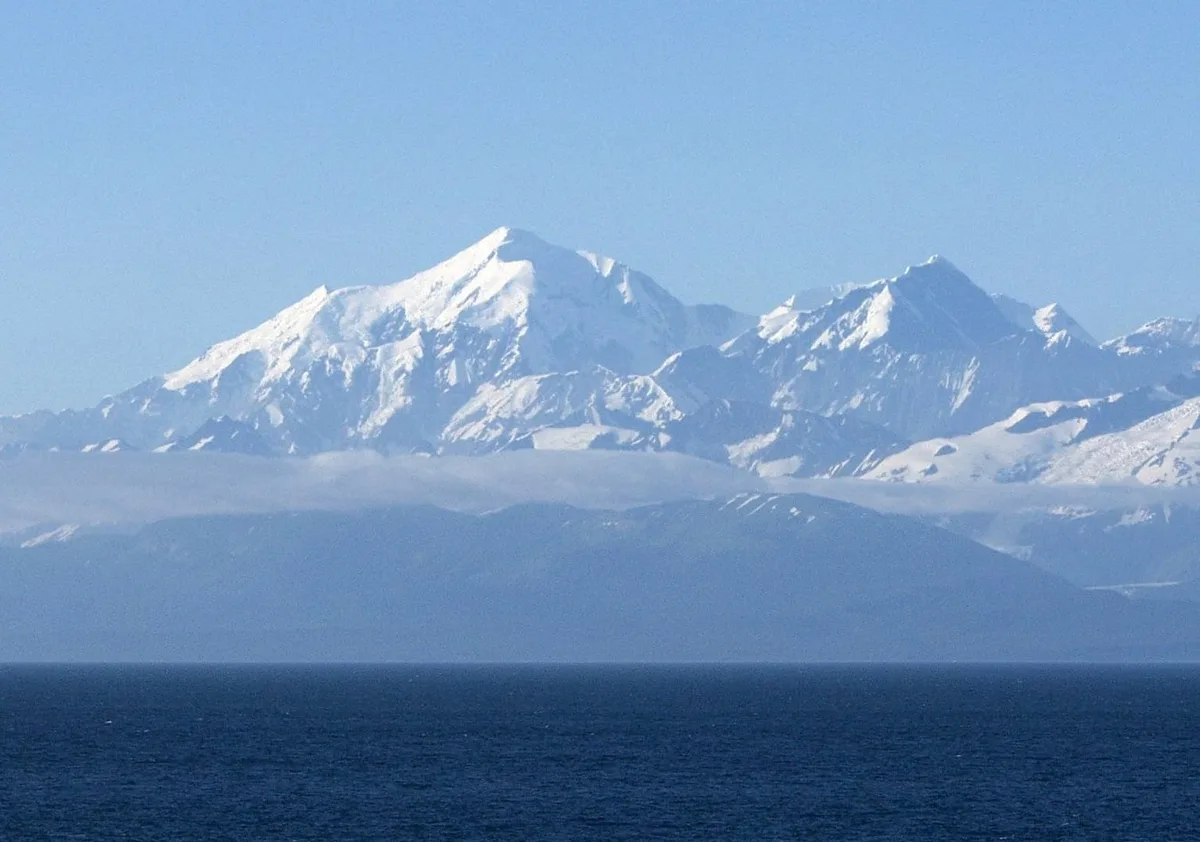
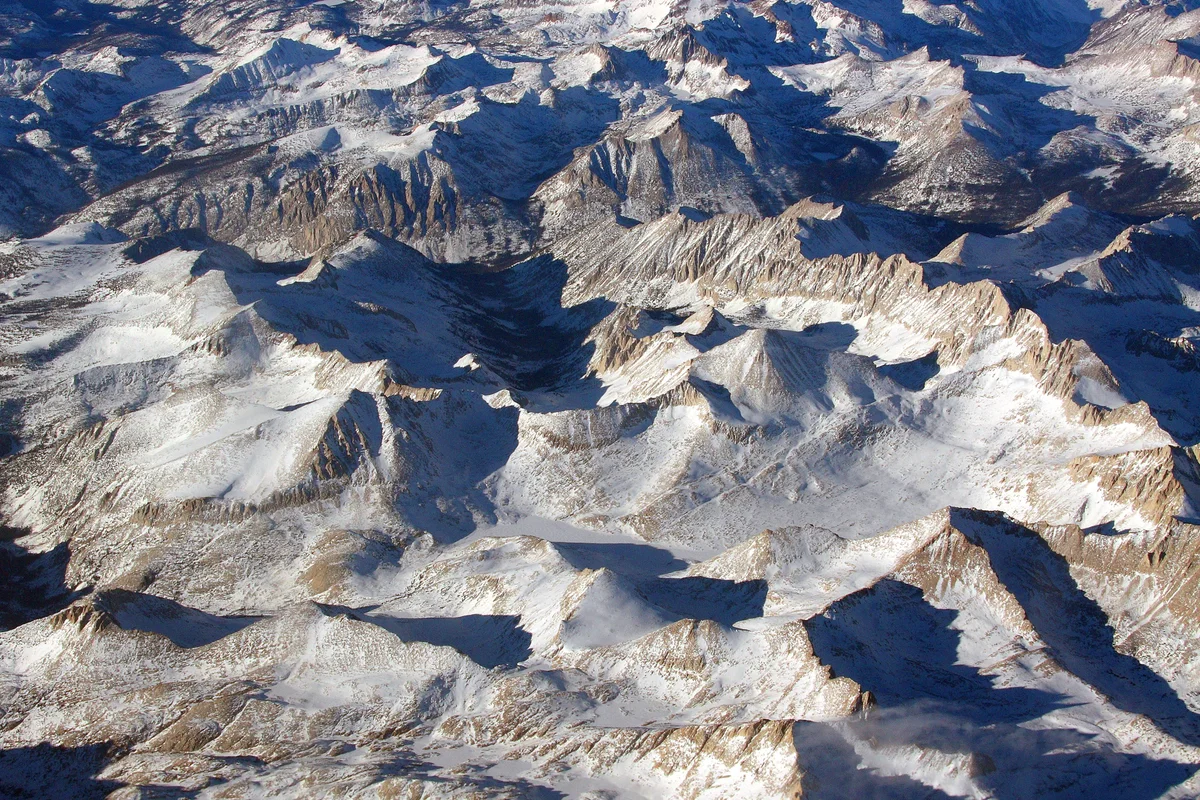
Aerial vista of the jagged granite peaks and alpine basins of the Sierra Nevada range in California.
United States2 Key Peaks

Sierra Nevada

A major mountain range in the Western United States, traversing eastern California. World-famous as the proving ground for modern big-wall rock climbing in Yosemite Valley, featuring legendary granite monoliths such as El Capitan and Half Dome.

View Mountain Range
Trans-Mexican Volcanic Belt alpine landscape featuring Pico de Orizaba.
Mexico4 Key Peaks

Trans-Mexican Volcanic Belt

A 1,000-kilometer Neogene–Quaternary subduction arc crossing central Mexico from the Pacific Ocean to the Gulf Coast, home to glaciated stratovolcanoes led by Pico de Orizaba (Citlaltépetl, 5,636 m) and Popocatépetl.

View Mountain Range
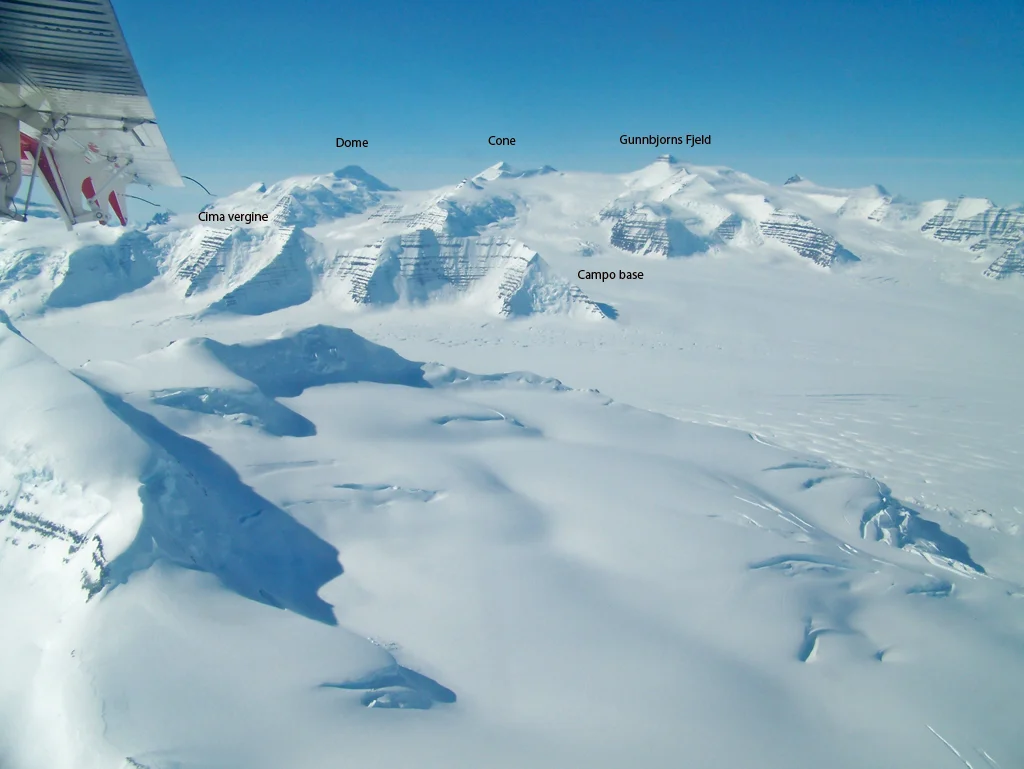
Snow-covered nunataks and glaciated spires of the Watkins Range in East Greenland.
Greenland2 Key Peaks

Watkins Range

The Watkins Range is the highest mountain chain in the Arctic, situated in King Christian IX Land along the remote east coast of Greenland. Discovered in 1930 by Gino Watkins during the British Arctic Air Route Expedition, the range features massive nunataks protruding through the polar ice cap, crowned by Gunnbjørn Fjeld (3,694 m), the highest peak north of the Arctic Circle.

View Mountain Range

Explore North America by Country

Country-level mountain discovery, regional summit registries, and technical routes.

4 Destinations

Verified Mountain Summits in North America

Showing high-altitude summits sorted by elevation with verified ascent records.

44 Peaks Total
Denali (Mount McKinley) mountain summit
🚩 4 Expeditions
6,190 m
First Ascent: 1913🧗 2 Routes

Denali (Mount McKinley)

Denali (Mount McKinley) is a majestic 6,000-meter peak rising to 6190 meters in the Alaska Range (Alaska, United States). Documented in international mountaineering archives following its historic first ascent in 1913 by Hudson Stuck, Harry Karstens, Walter Harper, Robert Tatum (United States), the peak presents technical ridgelines and high-altitude alpine terrain.

Explore Peak & Routes
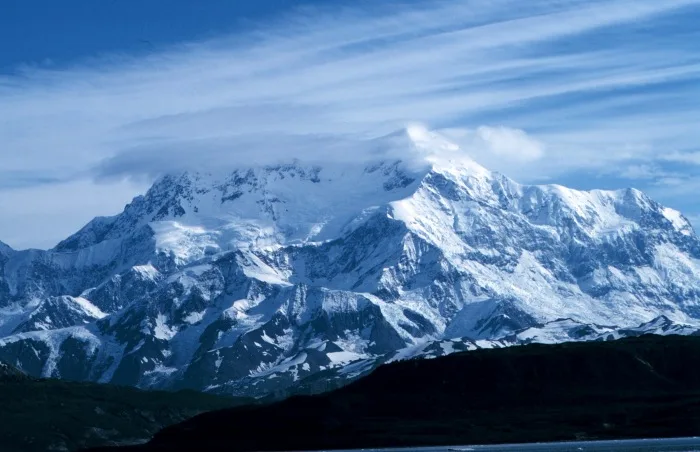
Massive ice-covered plateau and summit crest of Mount Logan (5,959m), Saint Elias Mountains.
5,959 m
First Ascent: 1925-06-23

Mount Logan

Mount Logan rises to 5,959 meters (19,551 ft) in Kluane National Park and Reserve, Yukon, serving as Canada's highest summit and North America's second-tallest peak. Crowned by an expansive 20-kilometer-long summit plateau above 5,000 meters—where sub-Arctic Pacific storms deliver extreme windchill and barometric lows—Mount Logan harbors immense icefields including the Hubbard and Logan glaciers. First climbed on June 23, 1925 by a joint Canadian–American expedition led by Albert MacCarthy and H. F. Lambart after a monumental ski and sled approach across the Chitina River valley, Mount Logan also boasts celebrated technical lines on its East Ridge and Hummingbird Ridge.

Explore Peak & Routes
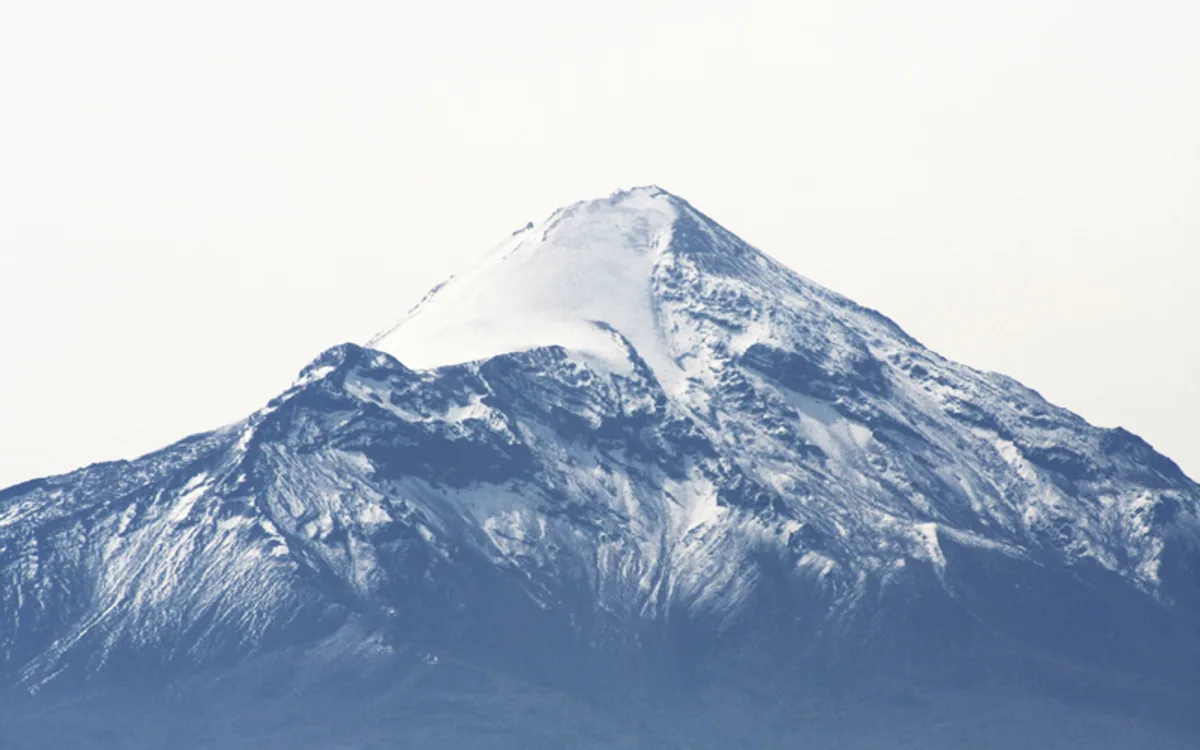
Glaciated volcanic cone of Pico de Orizaba (Citlaltépetl, 5,636 m), Trans-Mexican Volcanic Belt.
5,636 m
First Ascent: 1848-05-10

Pico de Orizaba

Known in Nahuatl as Citlaltépetl ('Star Mountain'), Pico de Orizaba rises to 5,636 meters (18,491 ft) along the border of Veracruz and Puebla in southern Mexico. Ranking seventh globally in topographic prominence (4,922 m), its symmetrical cone carries the Jamapa Glacier—one of Mexico's last tropical summit icefields—and serves as a premier altitude-acclimatization and mountaineering venue via Piedra Grande and the North Glacier.

Explore Peak & Routes
Mount Saint Elias (5,489m) soaring 18,000 feet directly above coastal glaciers, Alaska.
5,489 m
First Ascent: 1897-07-31

Mount Saint Elias

Mount Saint Elias (5,489 m / 18,008 ft) is the second-highest summit of both Canada and the United States, rising almost vertically from tidewater fjords along the Gulf of Alaska. Named by Vitus Bering's expedition in 1741 and revered in Tlingit tradition as Yas'éit'aa Shaa, its massive flanks shed titanic avalanches fed directly by Gulf of Alaska cyclones. Prince Luigi Amedeo, Duke of the Abruzzi, achieved its landmark first ascent on July 31, 1897 after hauling sleds up the Malaspina and Seward glaciers with photographer Vittorio Sella.

Explore Peak & Routes
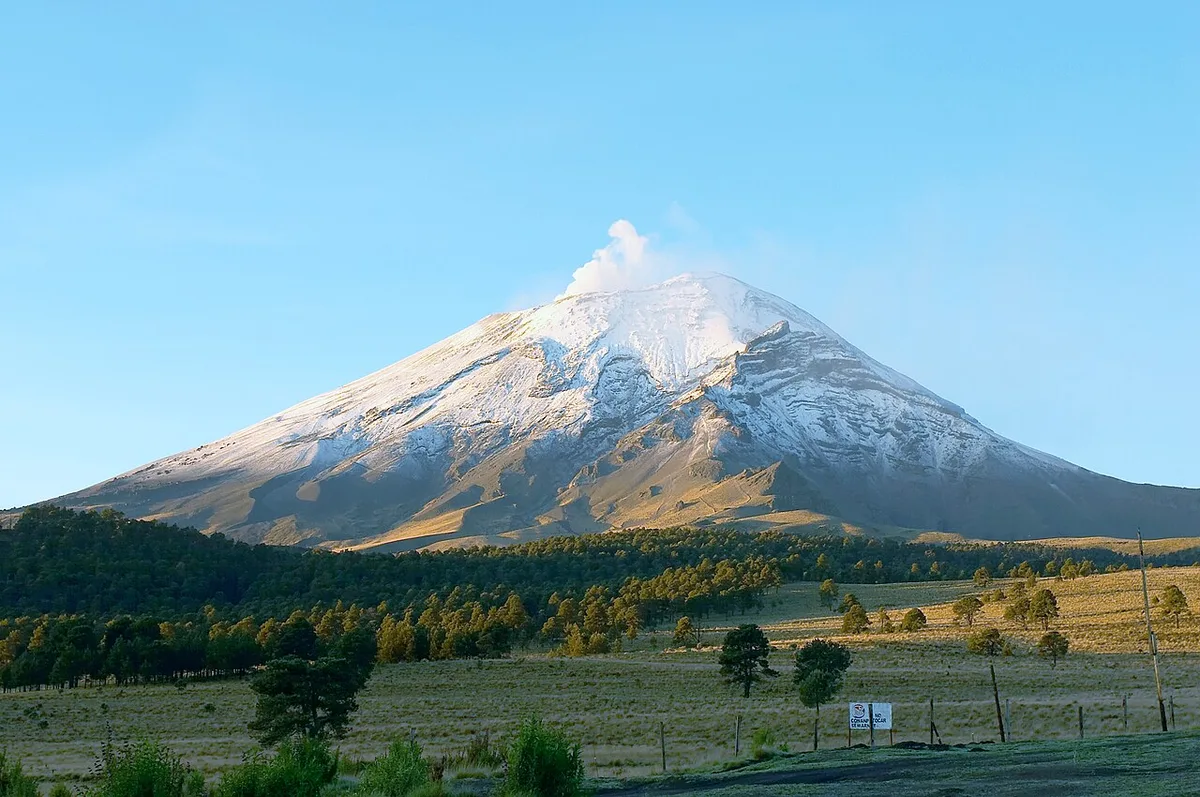
Popocatépetl summit in the mountains
5,426 m
First Ascent: 1519

Popocatépetl

Popocatépetl (The Smoking Mountain) is an active stratovolcano and the second-highest peak in Mexico, rising to 5,426 meters. Overlooking Puebla and Mexico City, its active crater and towering ash plumes make it one of the most monitored volcanic giants in North America.

Explore Peak & Routes
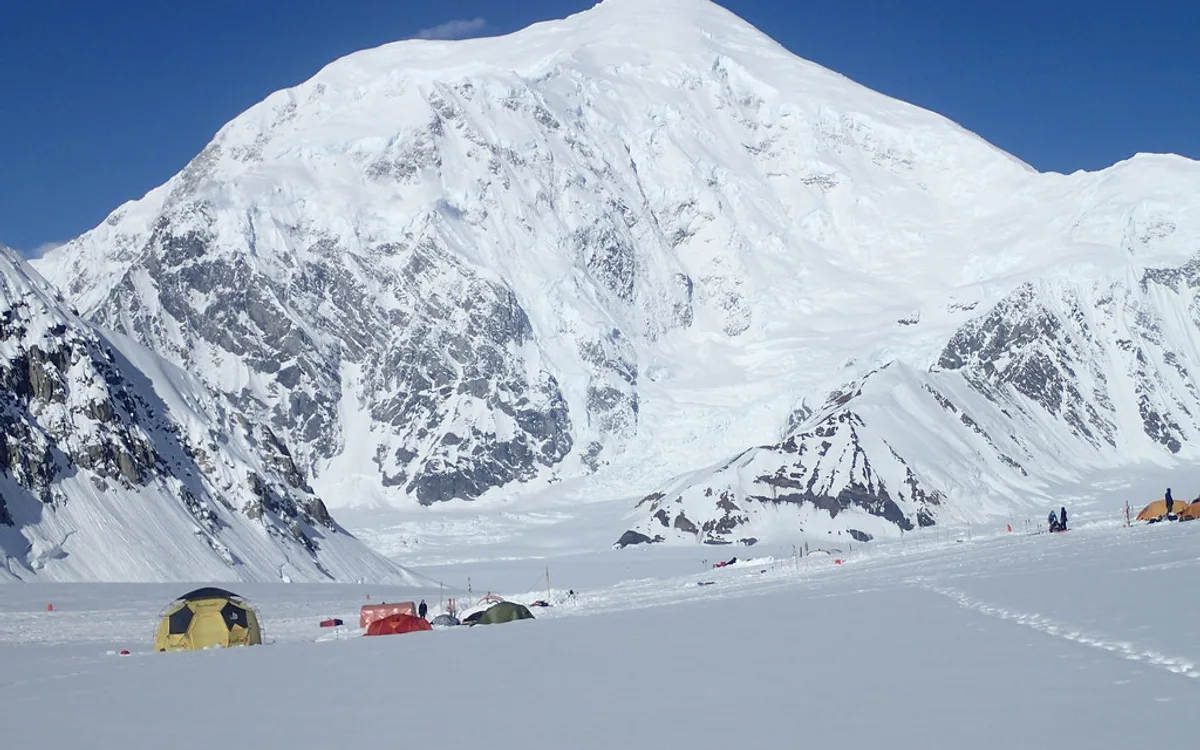
Northeast ridges of Mount Foraker (5,304 m) towering above Kahiltna Base Camp in Denali National Park.
5,304 m
First Ascent: 1934-08-06

Mount Foraker

Mount Foraker (5,304 m / 17,400 ft), known in Dena'ina and Koyukon Athabascan traditions as Sultana ('the Woman'), forms the twin giant across the Kahiltna Glacier southwest of Denali. Historically regarded as more technically sustained and wind-raked than its higher neighbor, Foraker's 1934 maiden ascent by Charles Houston's party via the Northwest Ridge preceded legendary modern routes like the Infinite Spur (1977) along its soaring South Ridge.

Explore Peak & Routes
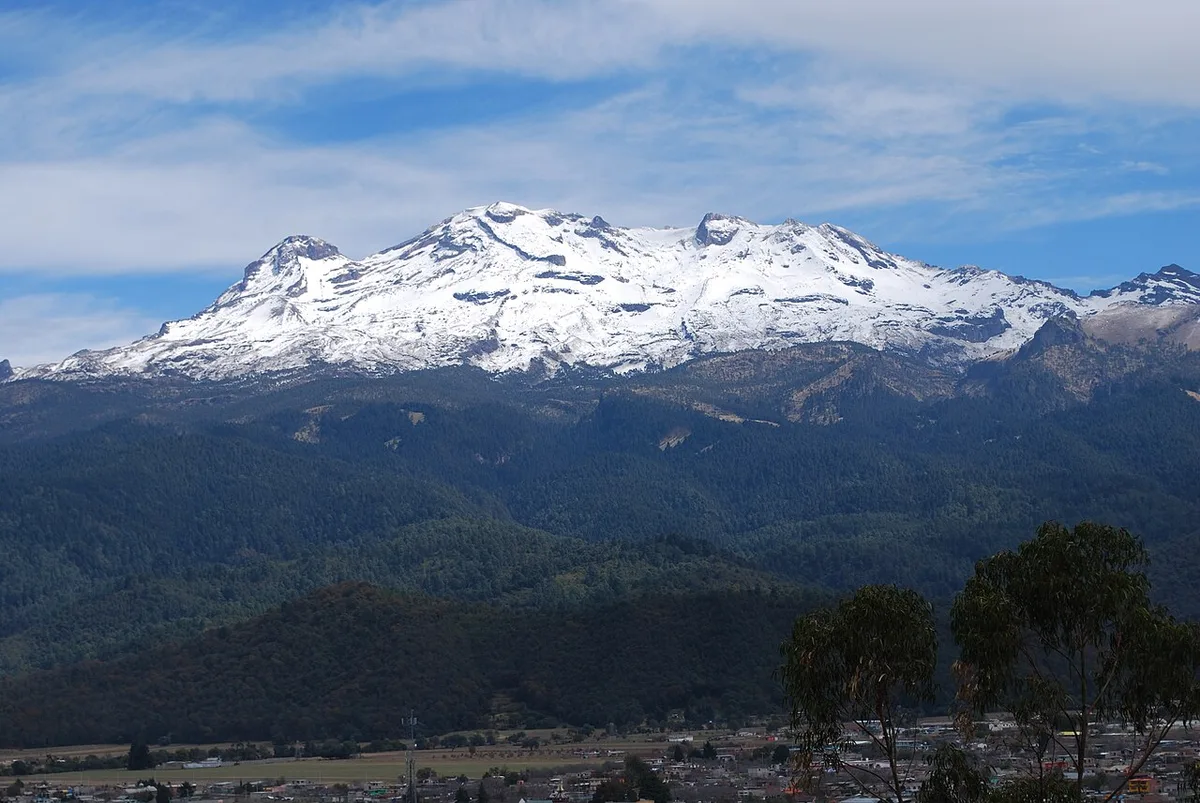
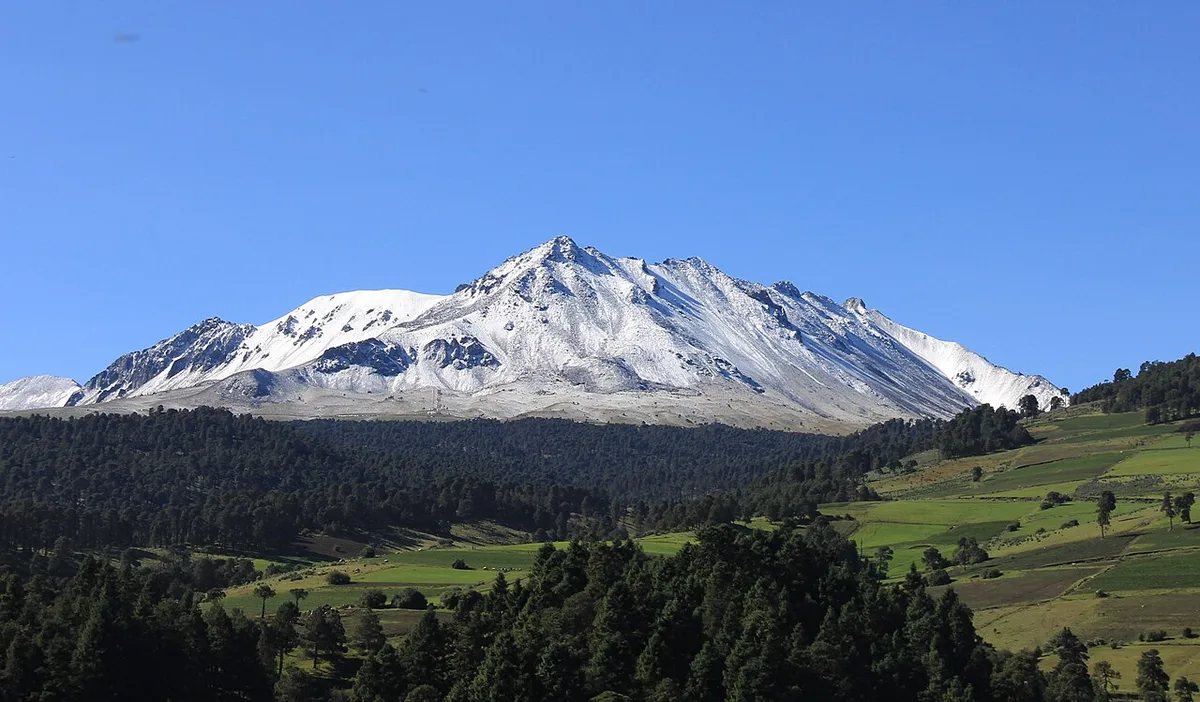
Iztaccíhuatl summit in the mountains
5,230 m
First Ascent: 1889

Iztaccíhuatl

Iztaccíhuatl (The Sleeping Woman) is the third-highest mountain in Mexico, rising to 5,230 meters in the Trans-Mexican Volcanic Belt. Linked to neighboring Popocatépetl by the high Paso de Cortés, its iconic profile resembles a reclining woman with distinct peaks representing head, chest, knees, and feet.

Explore Peak & Routes
Immense glaciated shield volcano of Mount Bona (5,044m), Saint Elias Mountains, Alaska.
🚩 1 Expedition
5,005 m
First Ascent: 1930

Mount Bona

Mount Bona is a colossal ice-draped stratovolcano in the Saint Elias Mountains of eastern Alaska, rising to 5,005 meters. As the fourth-highest independent peak in the United States, it is virtually buried beneath the immense Klutlan and Russell glaciers.

Explore Peak & Routes
Mount Blackburn (4,996m) towering above the Kennicott Glacier in the Wrangell Mountains, Alaska.
🚩 1 Expedition
4,996 m
First Ascent: 1912

Mount Blackburn

Mount Blackburn is the highest peak in the Wrangell Mountains of Alaska and the fifth-highest peak in the United States, standing at 4,996 meters. Known historically for Dora Keen’s daring 1912 first ascent up the Kennicott and Barrett glaciers without professional Swiss guides, it has an immense prominence of 3,535 meters.

Explore Peak & Routes
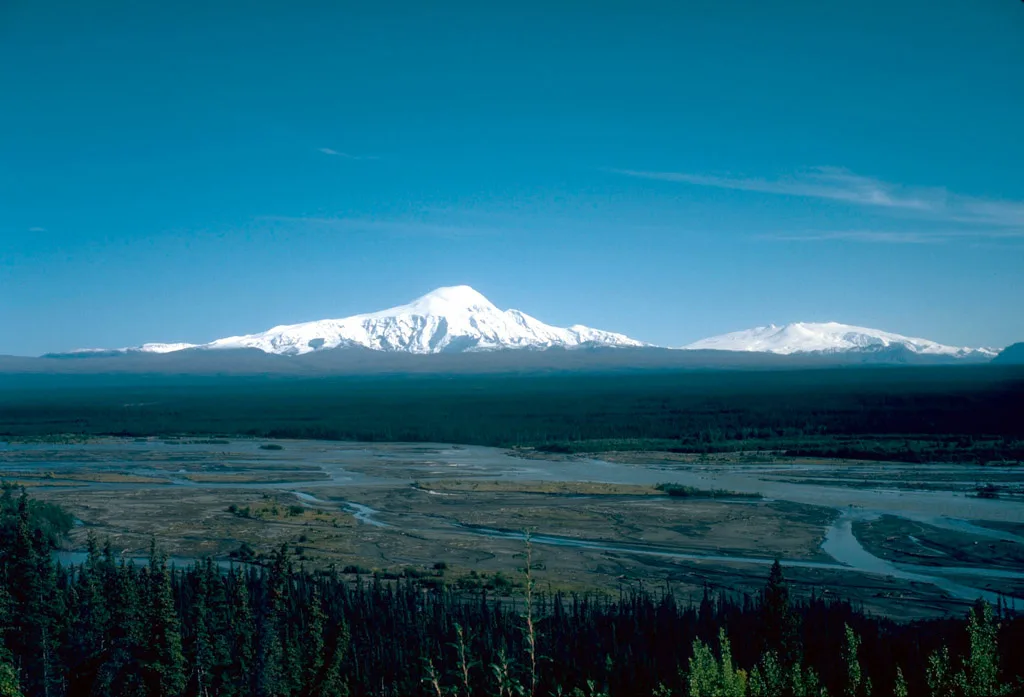
Mount Sanford shield volcano in the Wrangell Mountains, Alaska
🚩 1 Expedition
4,949 m
First Ascent: 1938

Mount Sanford

Mount Sanford is an ancient, heavily glaciated andesitic shield volcano in the Wrangell Mountains, rising to 4,949 meters. Featuring a colossal 2,400-meter sheer South Face—one of the largest rock and ice walls in North America—its gentle northern snow ramps provide a classic ski mountaineering line.

Explore Peak & Routes
Nevado de Toluca summit in the mountains
4,680 m
First Ascent: 1780

Nevado de Toluca

Nevado de Toluca (Xinantécatl) is an extinct stratovolcano in central Mexico, standing at 4,680 meters. Famous for its massive 1.5-kilometer summit caldera holding two turquoise crater lakes—the Lake of the Sun and the Lake of the Moon—it is a stunning alpine destination.

Explore Peak & Routes
Mount Fairweather (4,671m) soaring directly above the Gulf of Alaska and coastal fiords.
🚩 1 Expedition
4,671 m
First Ascent: 1931

Mount Fairweather

Mount Fairweather (Fairweather Mountain) is the highest peak in British Columbia and Glacier Bay National Park, rising to 4,671 meters only 20 kilometers from the Pacific Ocean. With one of the greatest coastal vertical reliefs in the world and an ultra-prominence of 3,951 meters, it is battered by legendary maritime tempests.

Explore Peak & Routes

Viewing 12 of 44 documented summits in North America

Search and filter the complete archive of 44 summits with elevations, GPS coordinates, routes, and first ascent histories in the interactive directory.