
Mountains of Mexico
Across the Trans-Mexican Volcanic Belt, Mexico hosts high-altitude glacierized stratovolcanoes rising above 5,000 meters—led by Pico de Orizaba (Citlaltépetl, 5,636 m) and Iztaccíhuatl—alongside northern El Potrero Chico limestone spires.
Peer Review: Senior Editorial Board & Historical Reviewers • Editorial Standards
Key Statistics & Topographic Figures
- Archive Classification
- COUNTRIES
Mountainity Knowledge Corpus
- Verification Status
- Editorially Verified
Archival Standards
- Citation Standard
- Primary Source Verified
Alpine Research Desk
Mountain Peaks in Mexico
Technical profiles, elevations, and ascent histories for summits located in or spanning Mexico.
Pico de Orizaba
Known in Nahuatl as Citlaltépetl ('Star Mountain'), Pico de Orizaba rises to 5,636 meters (18,491 ft) along the border of Veracruz and Puebla in southern Mexico. Ranking seventh globally in topographic prominence (4,922 m), its symmetrical cone carries the Jamapa Glacier—one of Mexico's last tropical summit icefields—and serves as a premier altitude-acclimatization and mountaineering venue via Piedra Grande and the North Glacier.
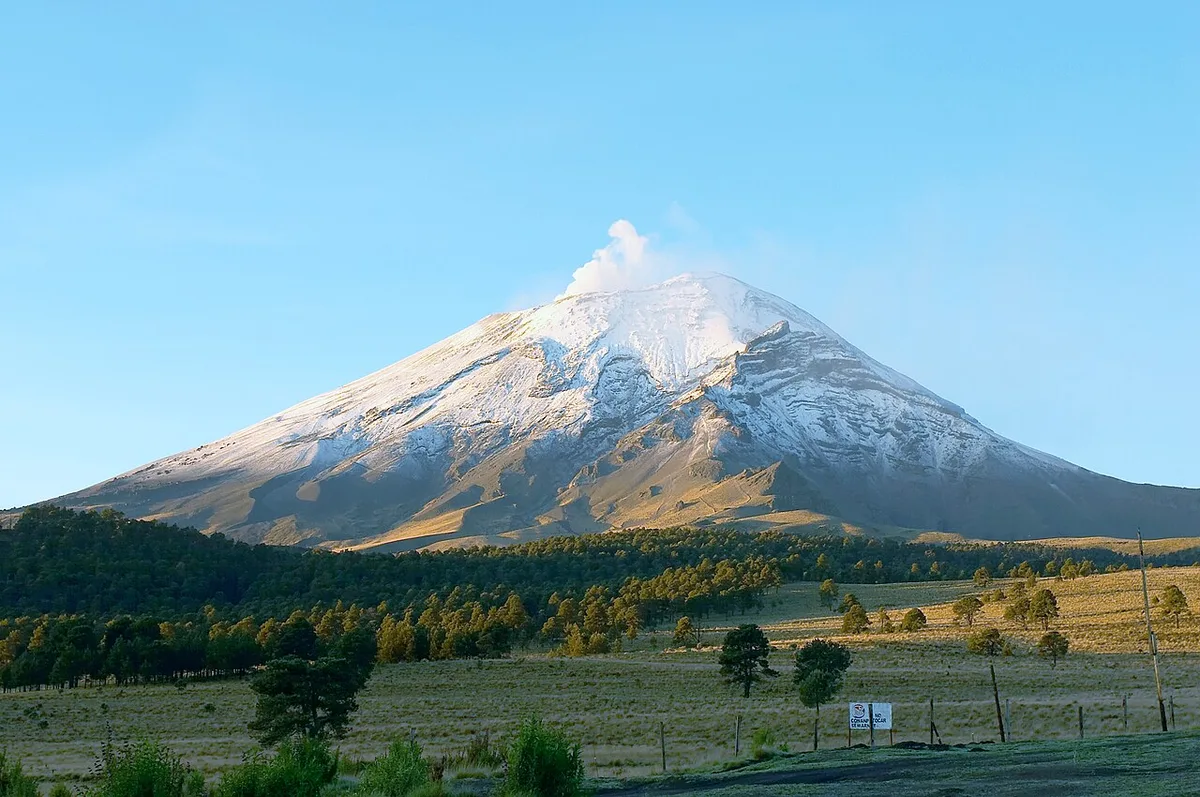
Popocatépetl
Popocatépetl (The Smoking Mountain) is an active stratovolcano and the second-highest peak in Mexico, rising to 5,426 meters. Overlooking Puebla and Mexico City, its active crater and towering ash plumes make it one of the most monitored volcanic giants in North America.
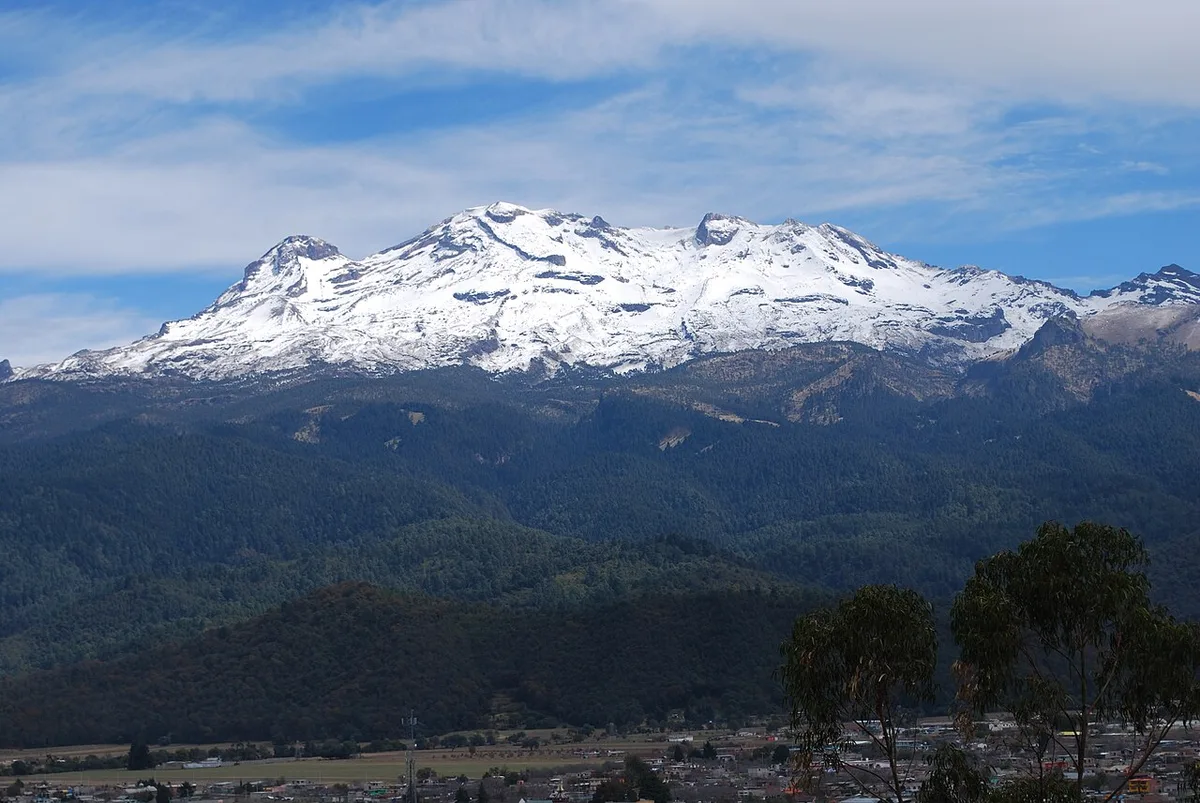
Iztaccíhuatl
Iztaccíhuatl (The Sleeping Woman) is the third-highest mountain in Mexico, rising to 5,230 meters in the Trans-Mexican Volcanic Belt. Linked to neighboring Popocatépetl by the high Paso de Cortés, its iconic profile resembles a reclining woman with distinct peaks representing head, chest, knees, and feet.
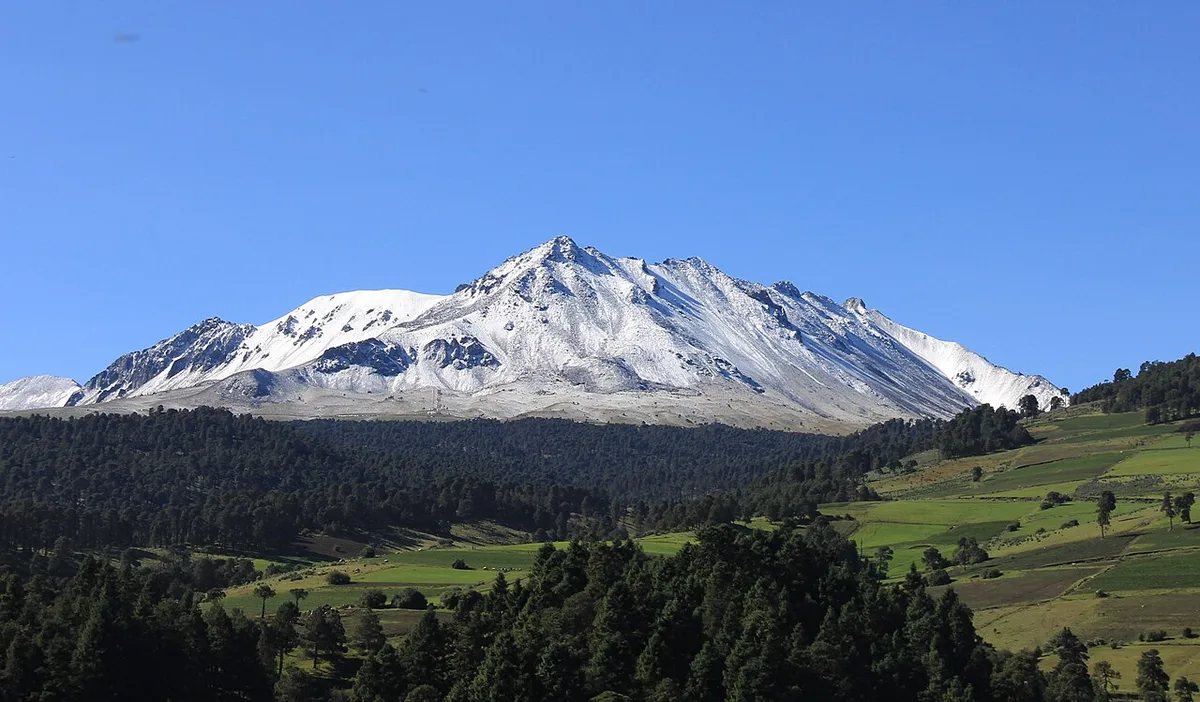
Nevado de Toluca
Nevado de Toluca (Xinantécatl) is an extinct stratovolcano in central Mexico, standing at 4,680 meters. Famous for its massive 1.5-kilometer summit caldera holding two turquoise crater lakes—the Lake of the Sun and the Lake of the Moon—it is a stunning alpine destination.
Mountain Ranges Spanning Mexico
Geographic mountain massifs, regional topography, and glaciated chains within Mexico.
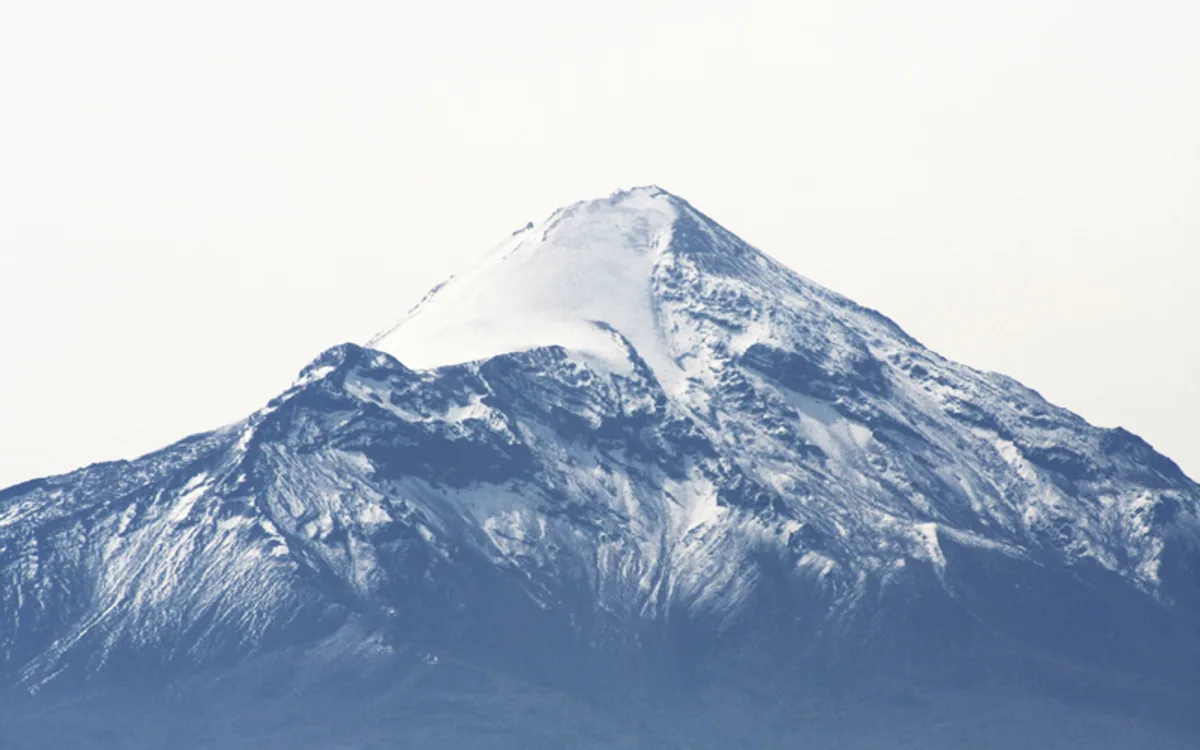
Trans-Mexican Volcanic Belt
A 1,000-kilometer Neogene–Quaternary subduction arc crossing central Mexico from the Pacific Ocean to the Gulf Coast, home to glaciated stratovolcanoes led by Pico de Orizaba (Citlaltépetl, 5,636 m) and Popocatépetl.
Pioneer Mountaineers of Mexico
Biographical chronicles of legendary high-altitude alpinists hailing from Mexico.
Carlos Carsolio
Carlos Carsolio Larrea was born on October 4, 1962, in Mexico City. Introduced to rock climbing in the volcanic valleys of central Mexico and the towering snow dome of Citlaltépetl (Pico de Orizaba), Carsolio showed...
Héctor Ponce de León
Héctor Ponce de León is an internationally recognized Mexico mountaineer. Across 10 campaigns in the Himalayan Database, Héctor Ponce de León accomplished 6 verified summits without supplemental bottled oxygen on...
Mauricio López
Mauricio Ernesto López Ahumada is an accomplished Mexican high-altitude mountaineer. Across 7 campaigns in the Himalayan Database, López achieved 3 summits—2 strictly without supplemental oxygen—conquering Lhotse, Cho...
Viridiana Álvarez Chávez
Hailing from Aguascalientes, Mexico, Viridiana Álvarez transitioned from corporate directorship to elite high-altitude mountaineering at age 30. Beginning with Manaslu in 2015, Álvarez set a Guinness World Record for...
Yuri Contreras
Yuri Contreras is an internationally recognized Mexico mountaineer. Across 10 campaigns in the Himalayan Database, Yuri Contreras accomplished 9 verified summits without supplemental bottled oxygen on several ascents,...
Defined Alpine Terminology & Concepts
- Archival Integrity
- The standard of verifying historical mountain facts, summit claims, and altitudes using primary expeditions journals and geodetic measurements.
Frequently Asked Questions: Mexico Mountaineering
What historical significance does this countrie hold?
Mexico represents an essential chapter in global mountaineering heritage, verified through contemporary expedition journals and archival sources.
How are the facts and records for Mexico verified?
All records are checked against peer-reviewed journals, national alpine clubs, geodetic surveys, and the Mountainity Archival Integrity Policy.
Share Exploration
Global Mountain Intelligence
✓ Link copied to clipboard!