Atlas Mountains
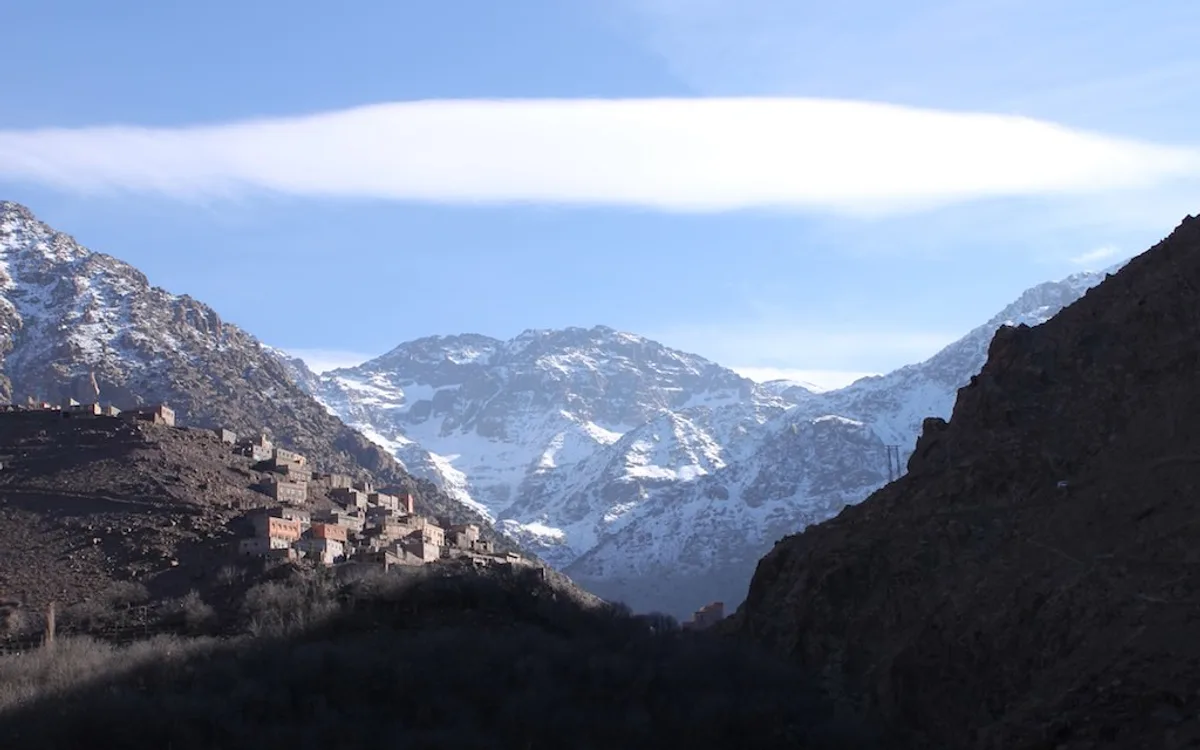
An Alpide-related intracontinental fold belt stretching 2,500 km across North Africa from Morocco to Tunisia, crowned by Precambrian–Paleozoic metamorphic massifs in the High Atlas including Toubkal (4,167 m).
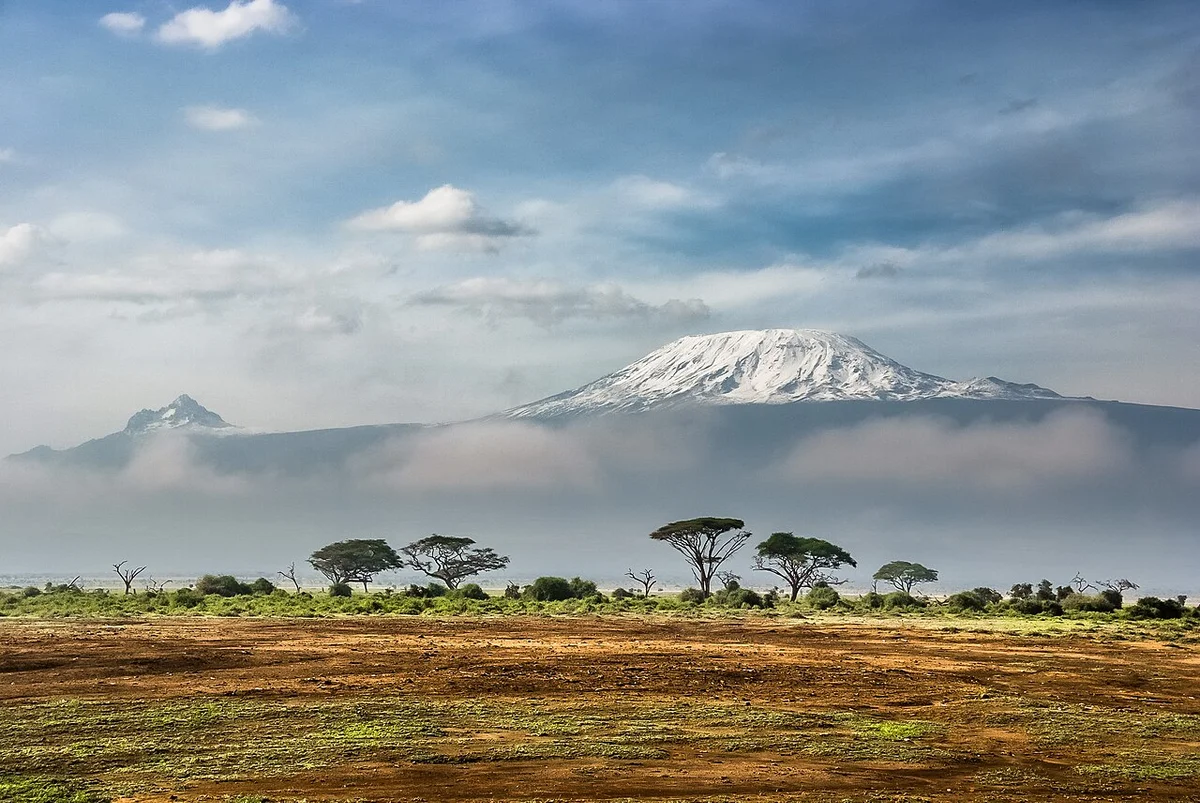
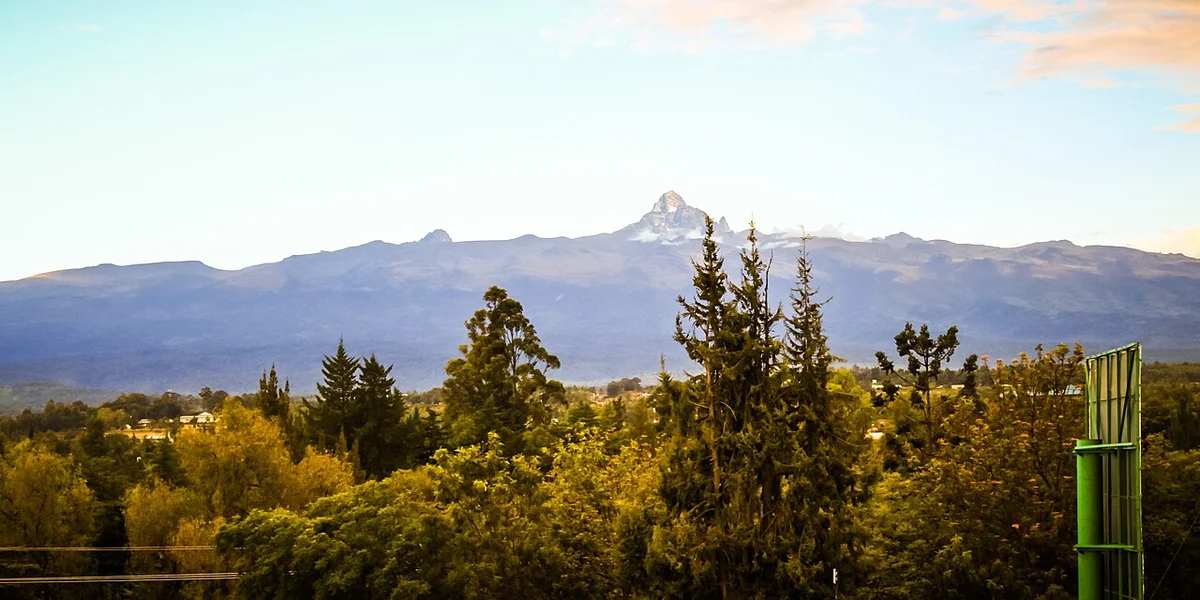
Africa’s highest mountains owe their dramatic existence to the East African Rift System, where continental divergence has created colossal stratovolcanic massifs and uplifted fault blocks. Rising straight out of tropical savannahs, summits like Mount Kilimanjaro and Mount Kenya feature distinct ecological zones crowned by shrinking equatorial glaciers.
Primary geological cordilleras, tectonic belts, and regional massifs across Africa.

An Alpide-related intracontinental fold belt stretching 2,500 km across North Africa from Morocco to Tunisia, crowned by Precambrian–Paleozoic metamorphic massifs in the High Atlas including Toubkal (4,167 m).

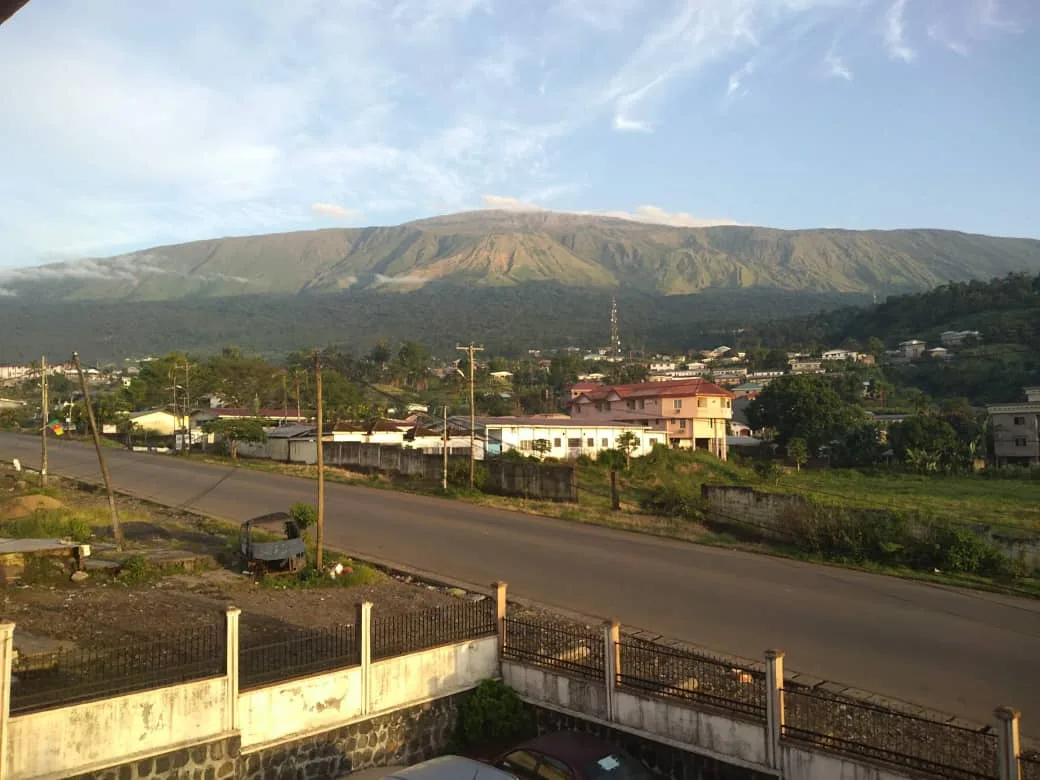
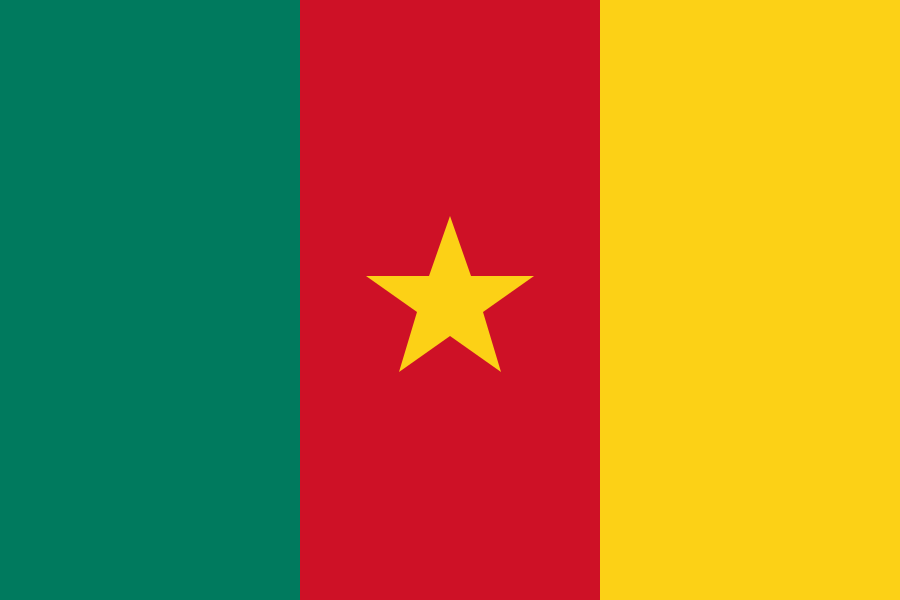
A 1,600 km linear tectonic chain of oceanic and continental volcanoes stretching from the Gulf of Guinea into Central Africa, featuring Mount Cameroon (4,040 m) as its massive, active sub-Saharan coastal apex.

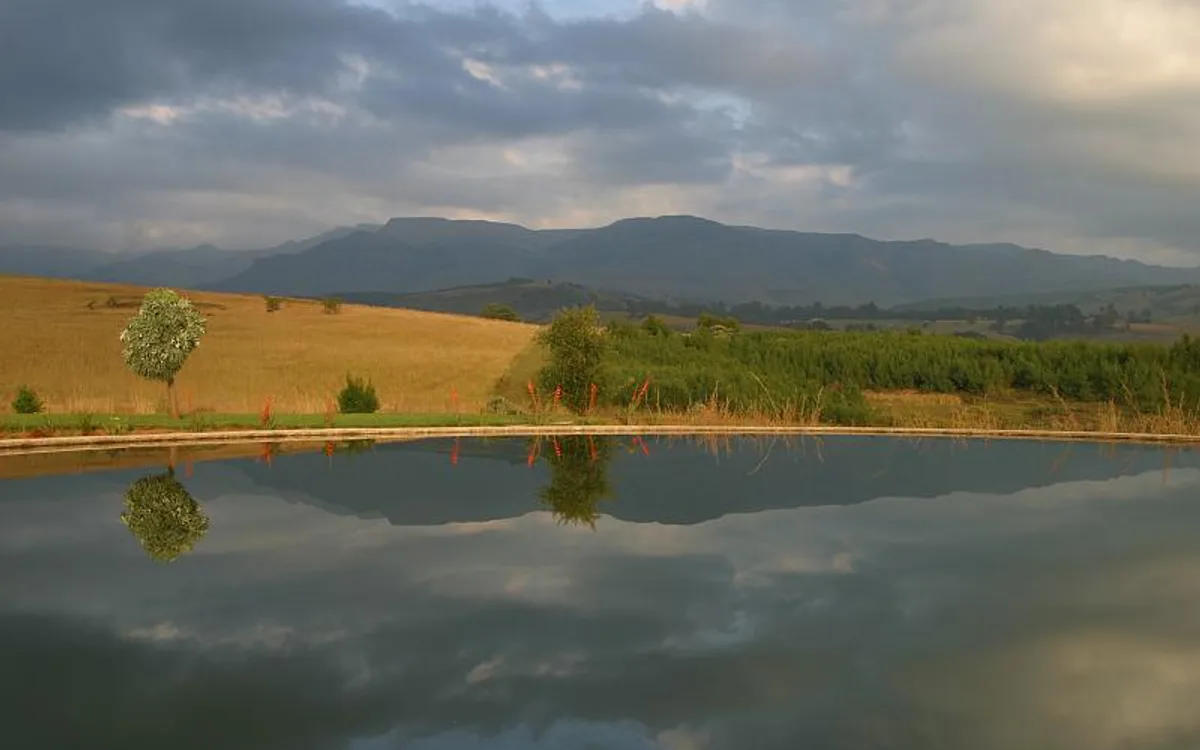
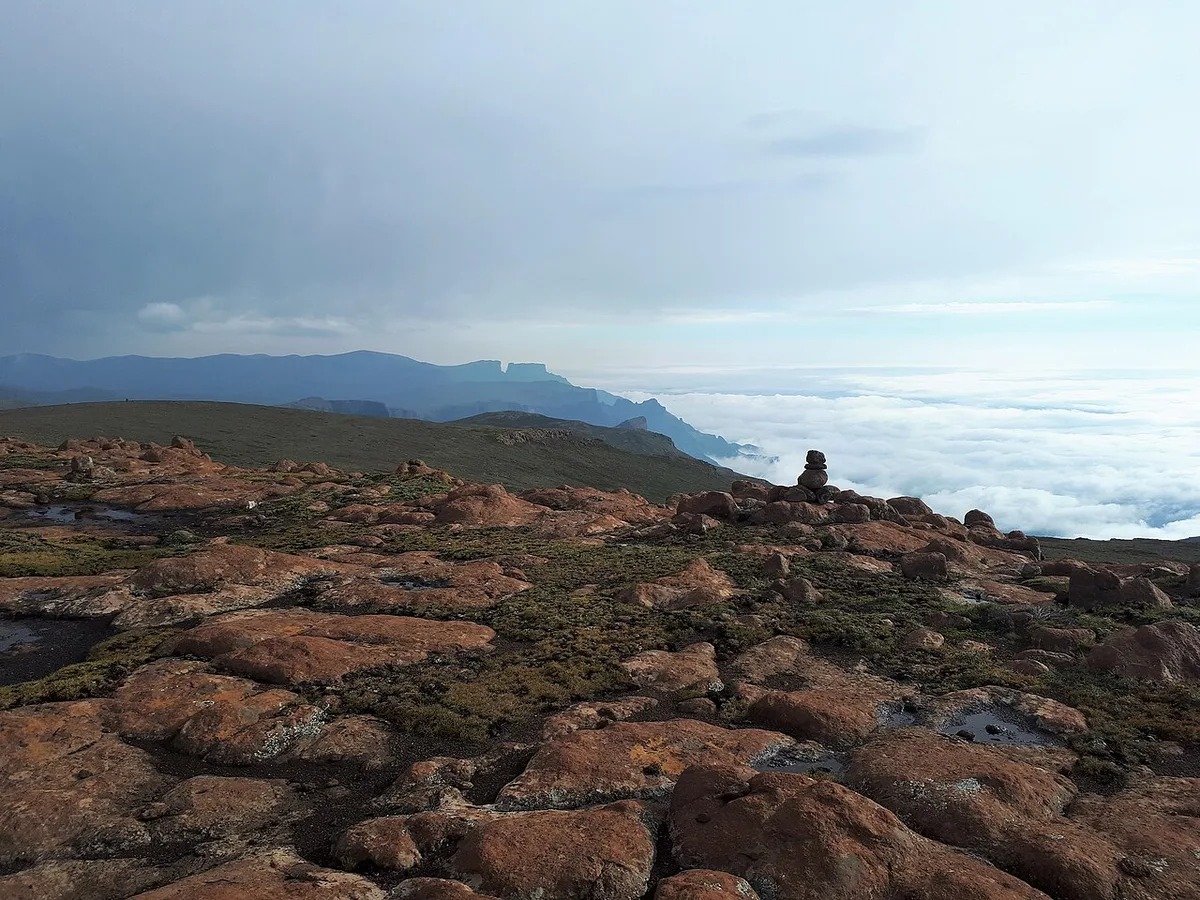
Southern Africa’s Great Escarpment rises along Jurassic Karoo flood basalts between Lesotho and KwaZulu-Natal, forming steep basaltic buttresses crowned by Thabana Ntlenyana (3,482 m) and the technical monoliths of Champagne Castle (3,377 m).

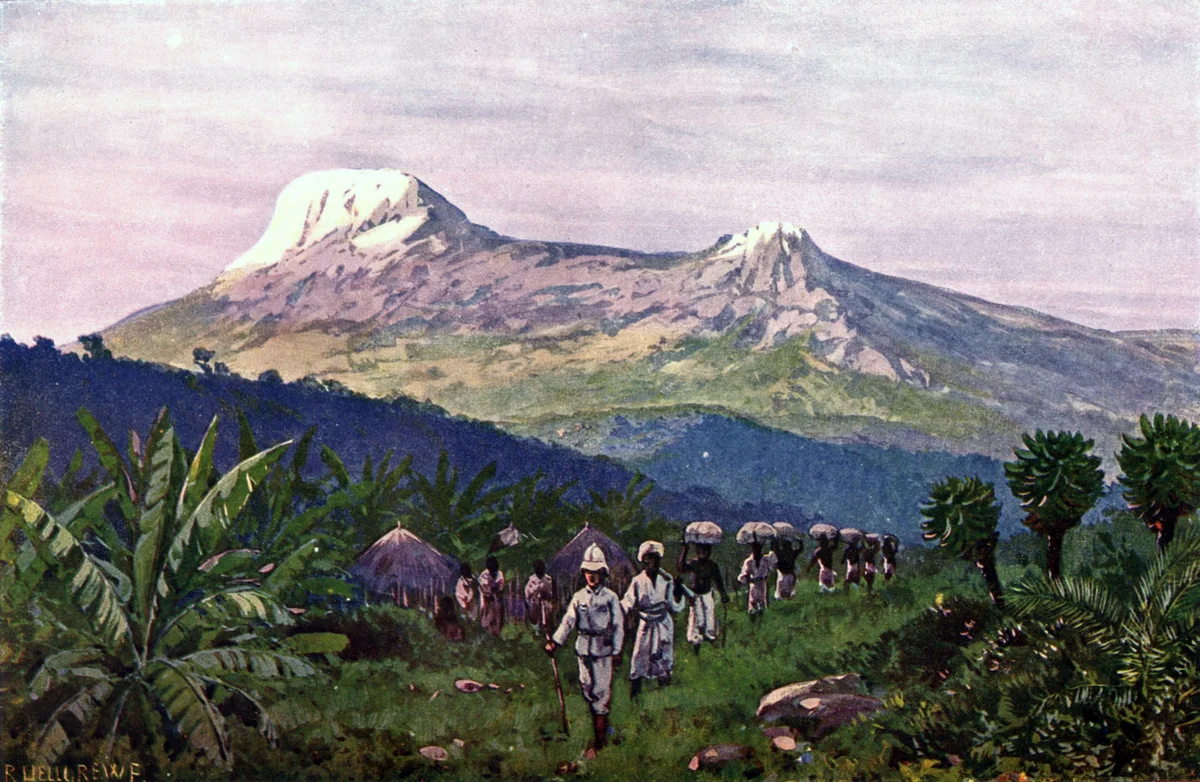
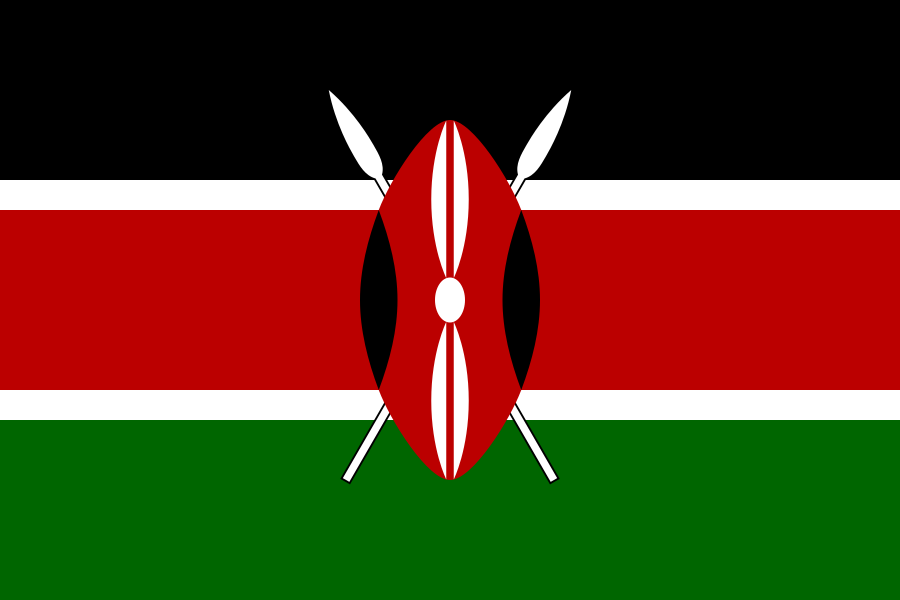
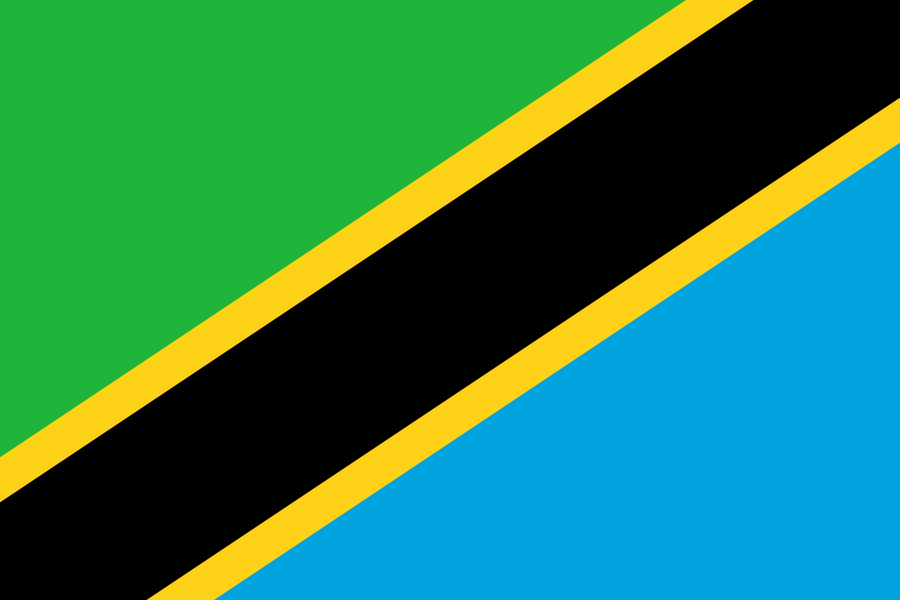
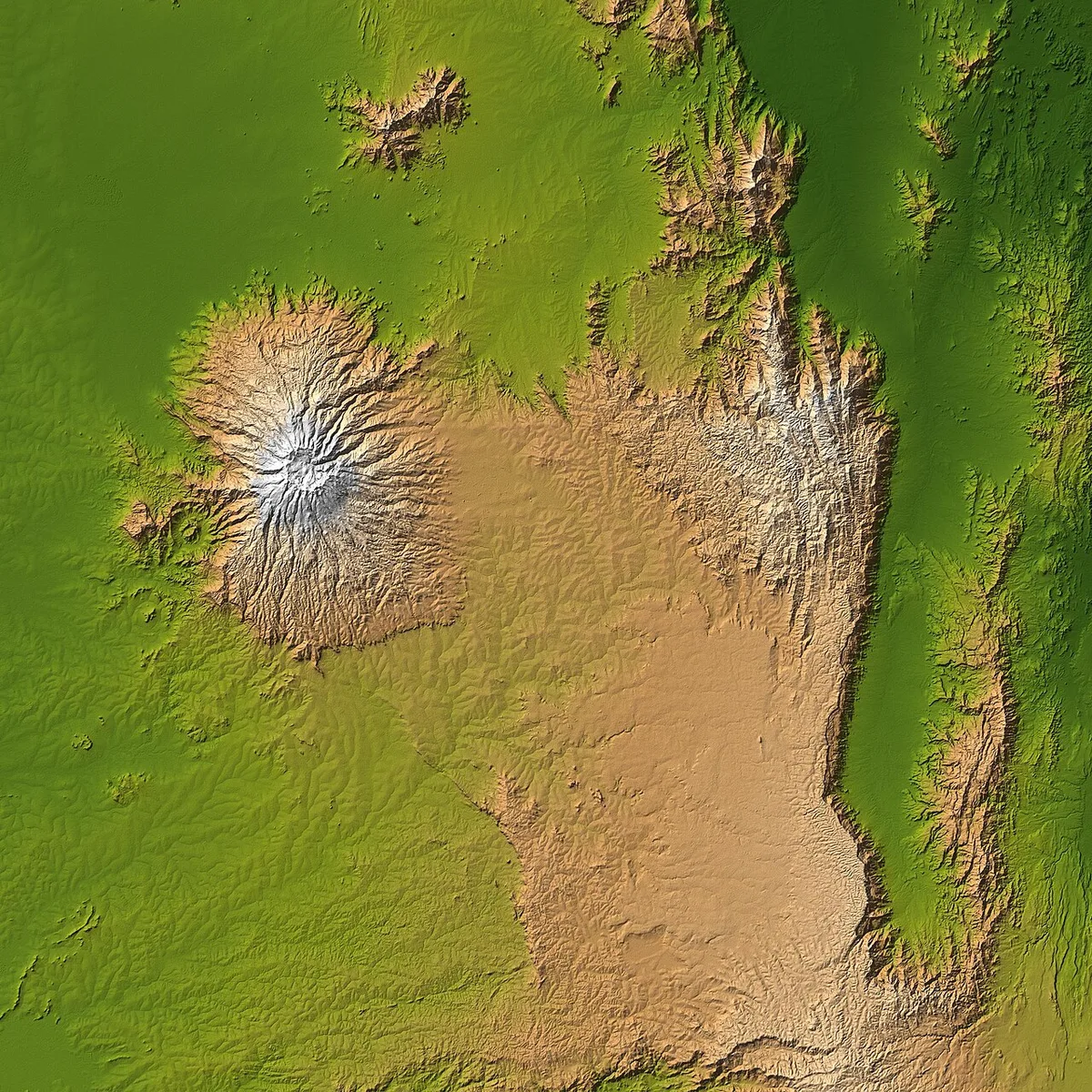
The colossal tectonic rift mountain system of East Africa, towering from the savannah plains. Home to Africa's highest peak, the massive dormant stratovolcano Mount Kilimanjaro (5,895 m), and the rugged volcanic rock spires of Mount Kenya (5,199 m).

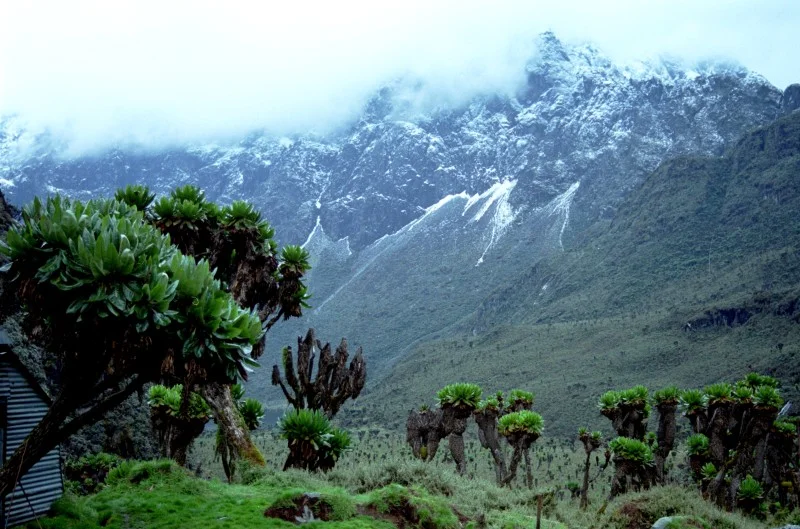
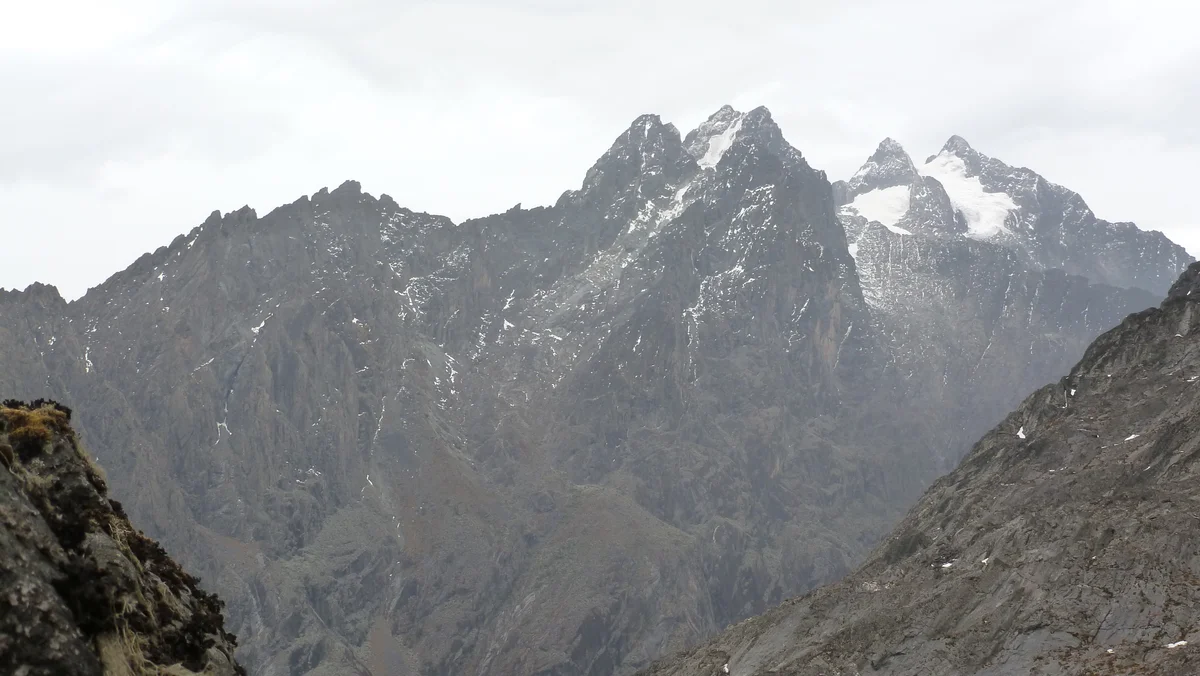
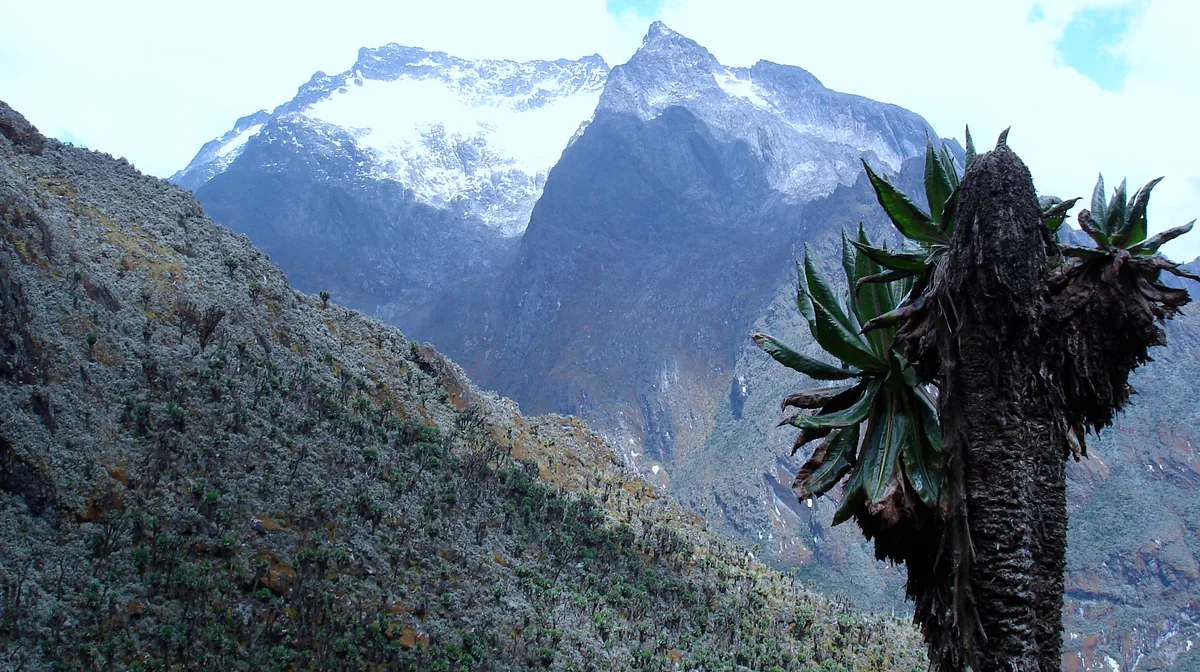
The legendary 'Mountains of the Moon' described by Ptolemy, a non-volcanic crystalline fault-block horst straddling Uganda and the DRC. Famous for perpetual cloud cover, bizarre Afro-alpine giant groundsels, and glaciated equatorial spires crowned by Mount Stanley (5,109 m).

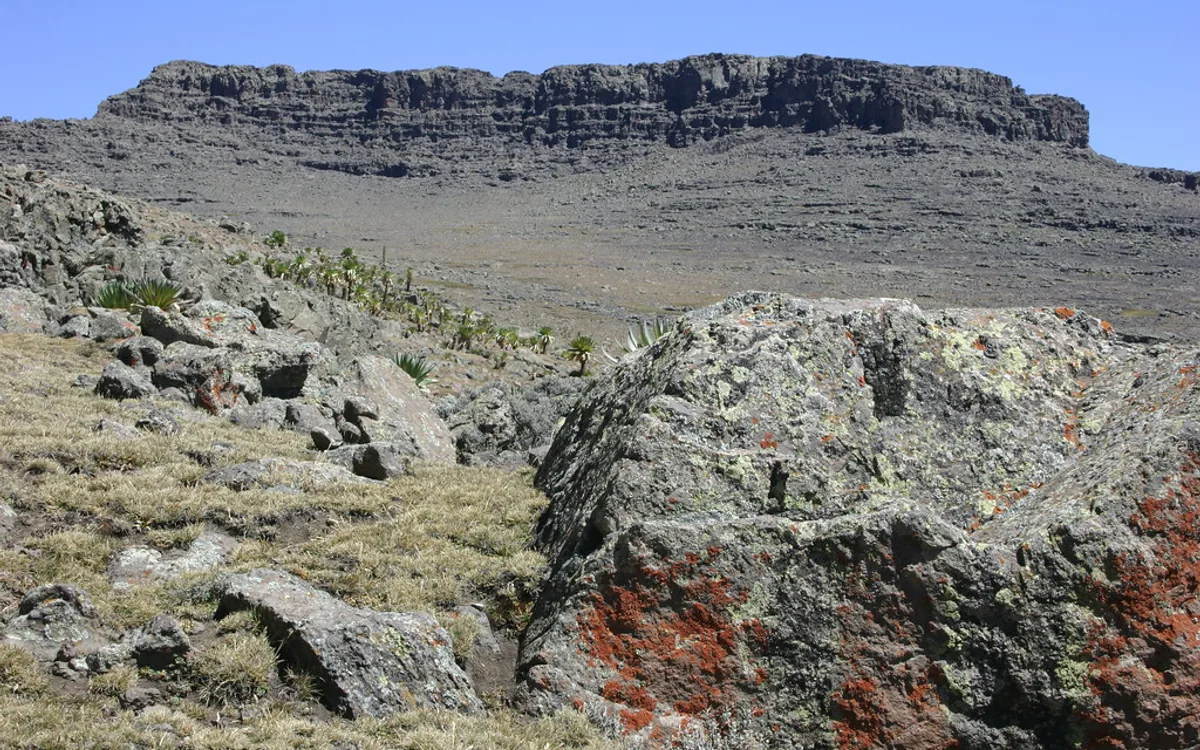
A dramatic plateau escarpment sculpted from Paleogene African flood basalts flanked by Ethiopia’s Rift Valley drop-offs, hosting 1,500-meter basalt cliffs, endemic afro-alpine ecosystems, and Ethiopia’s highest peak Ras Dashen (4,550 m).
Country-level mountain discovery, regional summit registries, and technical routes.
Showing high-altitude summits sorted by elevation with verified ascent records.
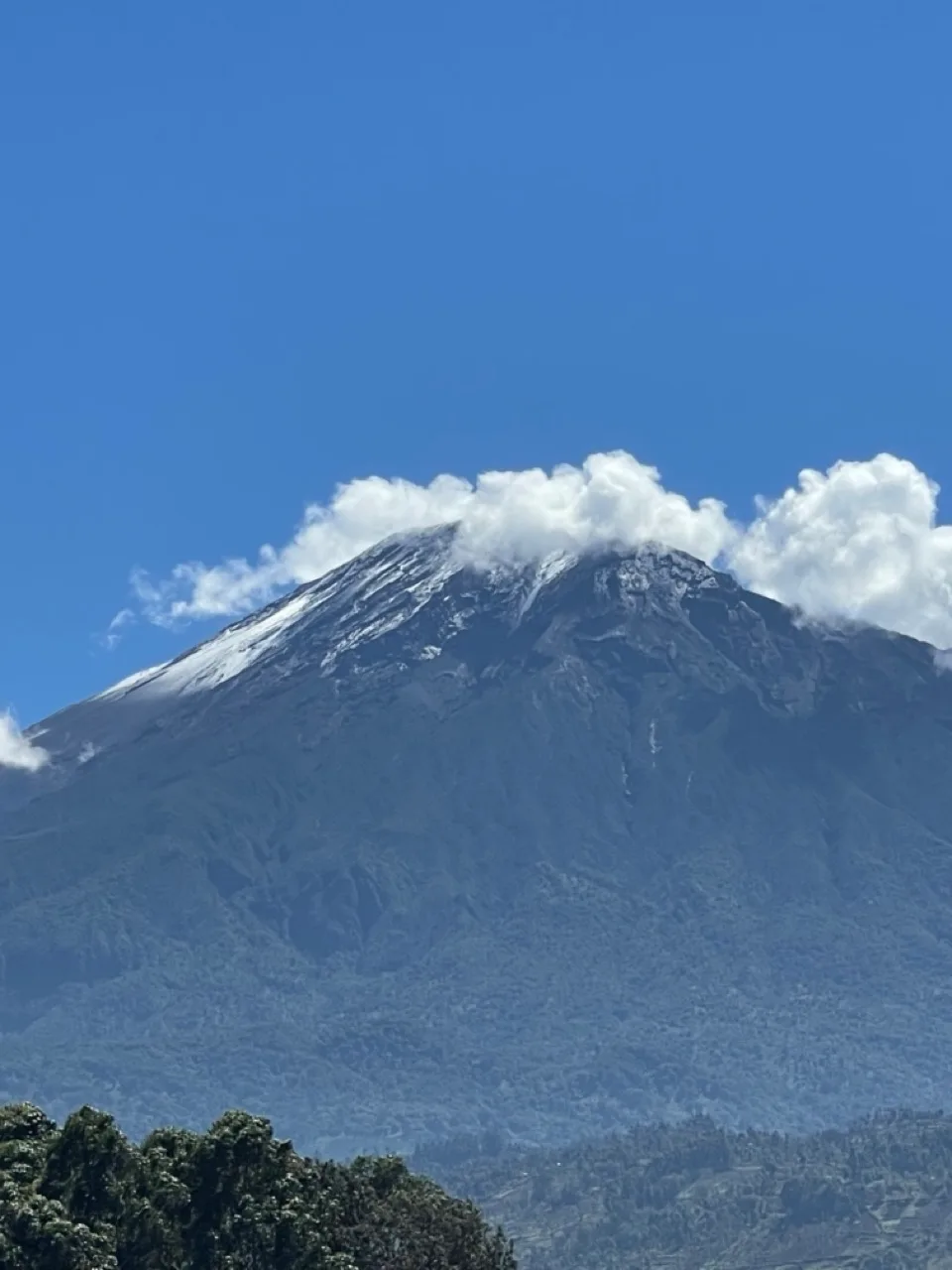
Mount Kilimanjaro is the highest mountain in Africa, the highest free-standing mountain in the world, and one of the Seven Summits, soaring to 5,895 metres (19,341 ft) above the plains of northeastern Tanzania. Consisting of three distinct volcanic cones—Kibo, Mawenzi (5,149 m), and Shira (4,005 m)—its summit at Uhuru Peak was first reached on October 6, 1889, by German geographer Hans Meyer, Austrian alpine pioneer Ludwig Purtscheller, and local Chagga mountain scout Yohani Lauwo.
Mount Kenya is the second-highest mountain in Africa at 5,199 metres (17,057 ft), an ancient extinct stratovolcano that once rose over 7,000 metres before millions of years of glaciation eroded it into sheer rock bastions. Its highest twin summits—Batian (5,199 m) and Nelion (5,188 m)—present demanding, highly technical rock and ice climbing. Batian was first climbed on September 13, 1899, by British geographer Sir Halford Mackinder and Courmayeur alpine guides César Ollier and Josef Brocherel.
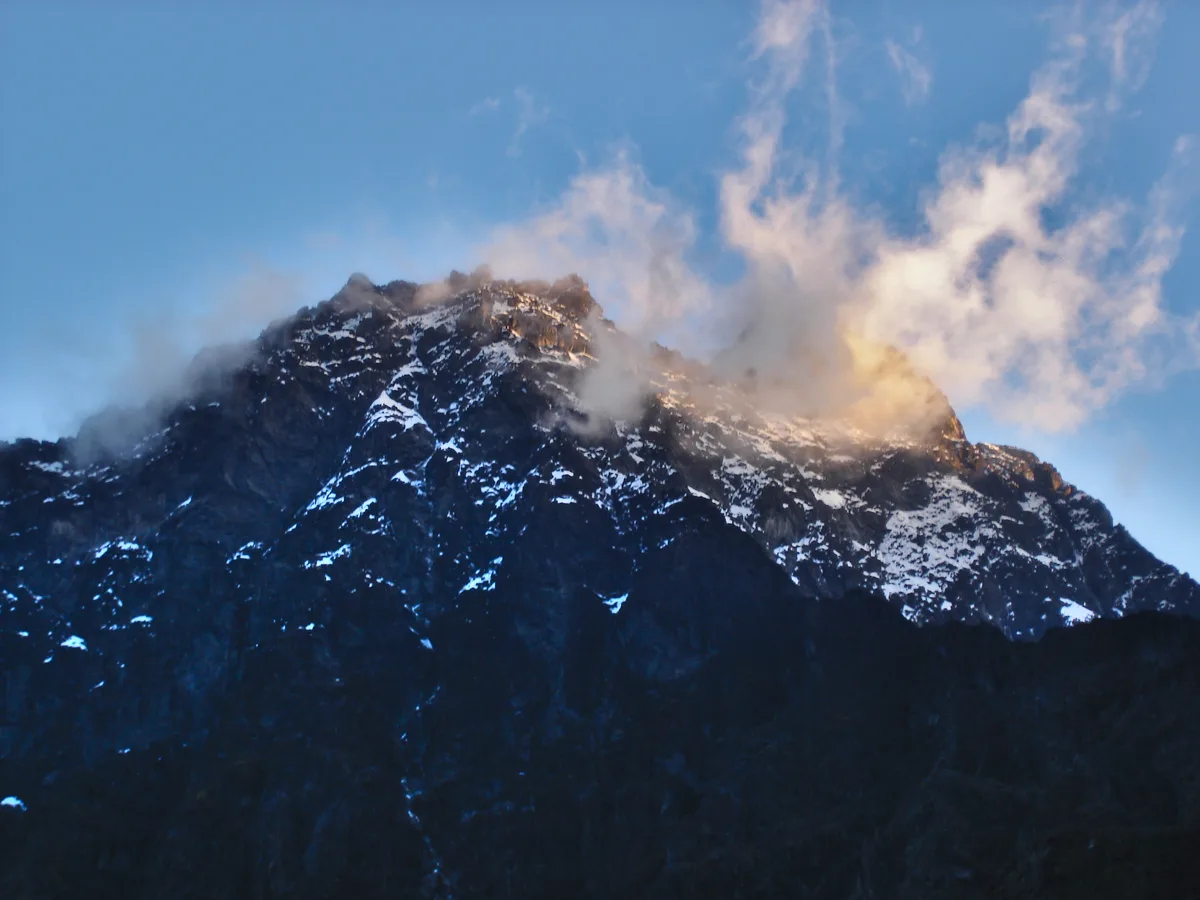
Mount Stanley is the third-highest mountain in Africa at 5,109 metres (16,762 ft) and the supreme crown of the Rwenzori Mountains ('Mountains of the Moon'), straddling the international boundary between Uganda and the Democratic Republic of the Congo. Its highest point, Margherita Peak, is a formidable horn of glaciated metamorphic rock, first summitted on June 18, 1906, by Prince Luigi Amedeo, Duke of the Abruzzi, accompanied by master Courmayeur guides Joseph Petigax, César Ollier, and Josef Brocherel.
Mount Speke is the second-highest mountain massif in the Rwenzori range, rising to 4,890 meters at Vittorio Emanuele Peak on the Uganda-DRC border. Named after explorer John Hanning Speke, its glaciated quartzite peaks rise out of ethereal mist and giant groundsels.
Mount Baker (Kiyanja) is the third-highest mountain in the Rwenzori Mountains, standing at 4,844 meters at Edward Peak in western Uganda. Named after Sir Samuel Baker, its sharp jagged arêtes flank the scenic Freshfield Pass above Lake Kitandara.
Mount Meru is an active stratovolcano standing at 4,562 meters in Arusha National Park, Tanzania, 70 kilometers west of Kilimanjaro. Featuring a colossal collapsed volcanic caldera with a pristine internal Ash Cone rising 1,500m above the floor, its knife-edge crater rim offers one of Africa’s greatest treks.
Standing at 4,550 meters (14,928 ft) inside Simien Mountains National Park, Ras Dashen forms the highest rocky pinnacle of a colossal Oligocene–Miocene flood-basalt volcano eroded into dramatic 1,500-meter escarpments. Although its final sandstone-and-basalt crown requires only light scrambling above high shepherd villages, multi-day Simien ridge treks showcase rare afro-alpine giant lobelia groves, Walia ibex, and gelada troops.
Mount Elgon is an ancient, extinct solitary shield volcano on the Uganda-Kenya border, culminating at Wagagai (4,321 m). Renowned for possessing the largest intact volcanic caldera in the world (over 8 kilometers wide) and the mineral-rich Kitum elephant caves, it is an ecological treasure.
At 4,167 meters (13,671 ft), Jebel Toubkal dominates the High Atlas of Morocco as the highest peak in North Africa. Although accessible as a strenuous alpine scramble up the Ikhibi Sud scree couloir in summer, winter converts Toubkal's steep cirques and North Face into a classic alpine snow-and-ice playground crowned by sweeping views stretching toward the Sahara and Atlantic.
Mount Cameroon (Mongo ma Ndemi / Fako) is an active stratovolcano in southwest Cameroon and the highest peak in Sub-Saharan Western and Central Africa. Rising almost directly out of the Atlantic coast along the Cameroon Volcanic Line to 4,040m, it features extreme relief, monsoon rainforests, and sub-alpine savanna.
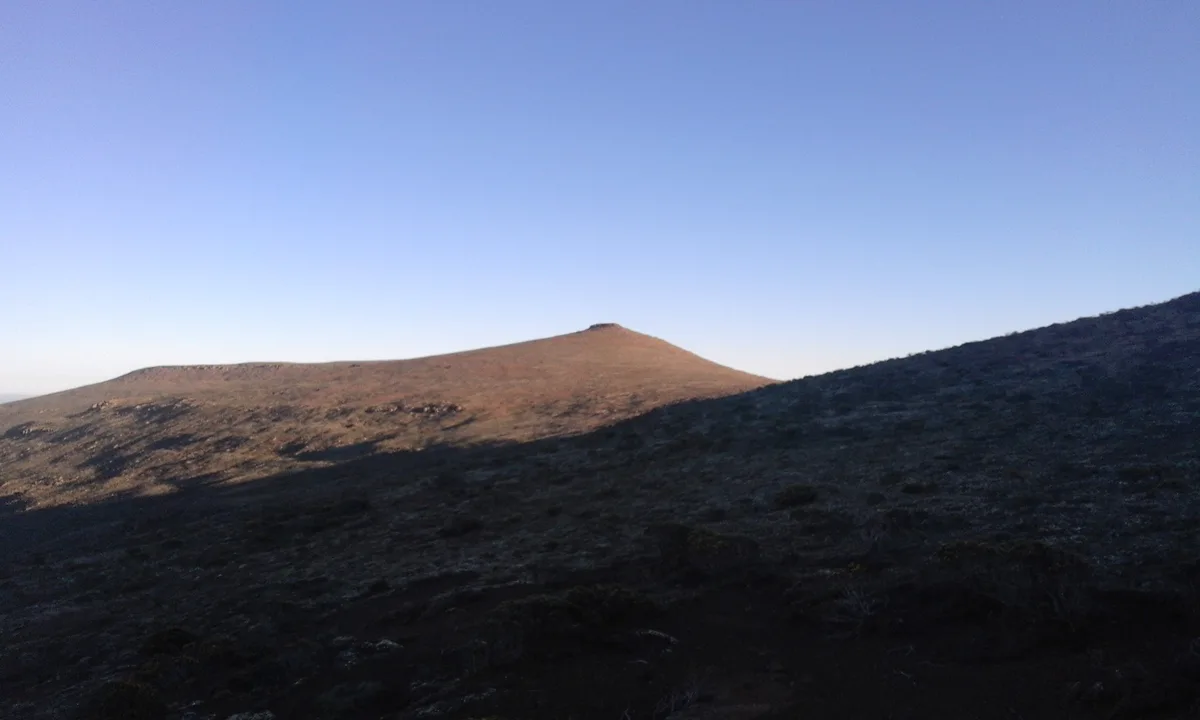
Reaching 3,482 meters (11,424 ft) just north of historic Sani Pass in Lesotho's Mokhotlong District, Thabana Ntlenyana ('Beautiful Little Mountain' in Sesotho) is the highest point in Southern Africa. Sculpted from dark Jurassic Drakensberg flood basalts, its rounded summit dome anchors alpine wetlands forming the headwaters of the Senqu (Orange) River and faces icy winter storms above the KwaZulu-Natal escarpment.
Mafadi is the highest mountain in South Africa, standing at 3,450 meters on the international border with Lesotho in the Central Drakensberg. Located on the high basalt plateau of the Great Escarpment, it overlooks the colossal sandstone valleys of Injisuthi and Giants Castle.
Search and filter the complete archive of 15 summits with elevations, GPS coordinates, routes, and first ascent histories in the interactive directory.
Share Exploration
Global Mountain Intelligence
✓ Link copied to clipboard!