


Special Mountain CollectionContinental High Points

The Seven Summits

The Seven Summits comprise the highest peak on each of Earth's seven continents. Conceived as the ultimate global mountaineering odyssey, the challenge spans the glaciated stratosphere of Mount Everest to the sub-zero polar wilderness of Mount Vinson in Antarctica. Mountainity highlights the definitive Reinhold Messner technical list, featuring the remote equatorial limestone towers of Carstensz Pyramid for Oceania.

Report an Error
7 / 7
Continental Apexes
7 Continents
Global Coverage
40,048 m
Cumulative Altitude
Oceania Definition
Carstensz Pyramid / Puncak Jaya (Messner Technical Standard)

Seven Summits Roster & Continental Breakdown

Surveyed elevation, host continent, mountain range, and first ascent chronicles.

7 Continents
ContinentMountain SummitElevationMountain RangeCountryProfile
AsiaMount Everest8,849 m(29,032 ft)Himalayan RangeExplore
South AmericaAconcagua6,961 m(22,838 ft)AndesExplore
North AmericaDenali (Mount McKinley)6,190 m(20,308 ft)Alaska RangeExplore
AfricaMount Kilimanjaro5,895 m(19,341 ft)East African Rift MountainsExplore
EuropeMount Elbrus5,642 m(18,510 ft)Caucasus MountainsExplore
AntarcticaMount Vinson / Vinson Massif4,892 m(16,050 ft)Sentinel RangeExplore
OceaniaCarstensz Pyramid / Puncak Jaya4,884 m(16,024 ft)Sudirman RangeExplore

Seven Summits Visual Profiles

Technical topography, expedition histories, routes, and mountain conditions for each continental high point.

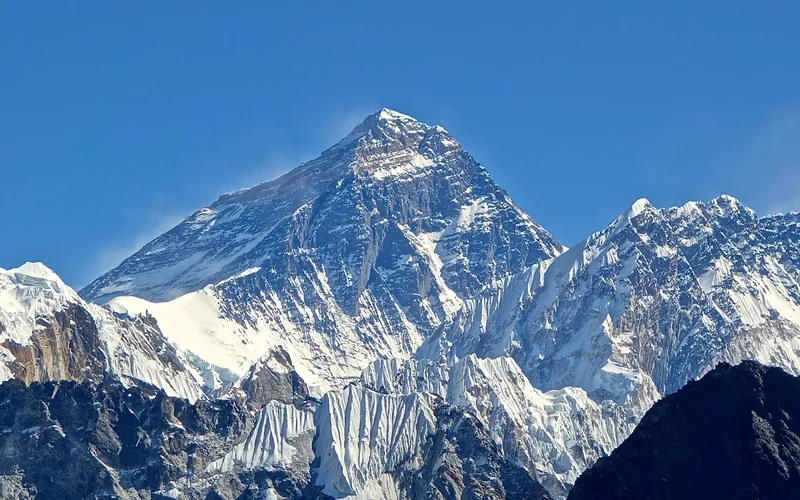
Snow-blown summit pyramid of Mount Everest towering above the Khumbu Glacier.
🚩 53 Expeditions
8,849 m
First Ascent: May 29, 1953🧗 8 Routes

Mount Everest

Mount Everest is the highest mountain above sea level on Earth, standing at an official elevation of 8,848.86 meters (29,031.7 ft). Straddling the international frontier between Nepal and China, it is known locally as Sagarmatha in Nepali ('Goddess of the Sky') and Chomolungma in Tibetan ('Mother Goddess of the World'). The peak rises into the extreme upper troposphere, where oxygen levels drop to barely one-third of sea-level pressure. Climbers face hurricane-force jet stream winds, severe frostbite conditions, shifting ice crevasses in the Khumbu Icefall, and the dangerous Death Zone above 8,000 meters.

Explore Peak & Routes
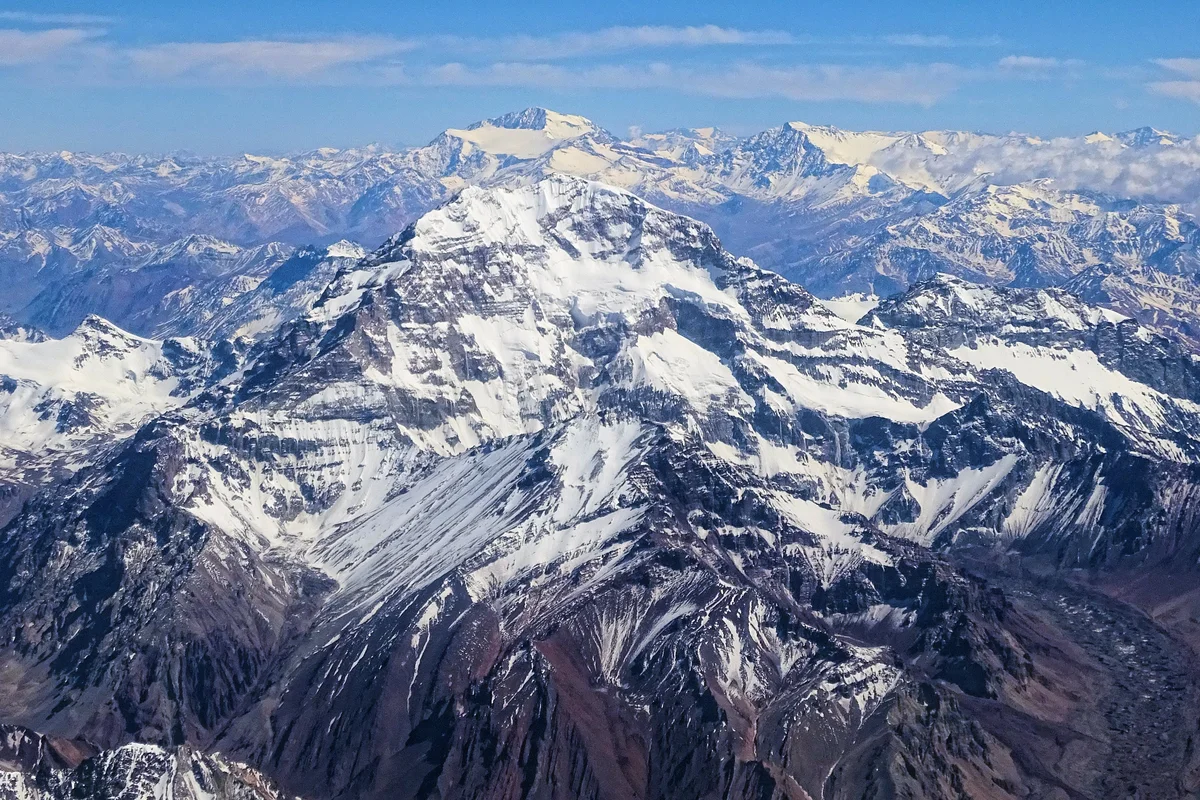
The snow-capped summit of Mount Aconcagua rising majestically in the Argentine Andes.
🚩 2 Expeditions
6,961 m
First Ascent: January 14, 1897🧗 1 Route

Aconcagua

Aconcagua is the highest mountain in the Americas and the highest peak outside Asia, rising to 6,961 metres in Argentina's Andes. Celebrated as the second most topographically prominent mountain on Earth, it features colossal glaciated faces, intense high-altitude gales, and historic routes including the Polish Glacier.

Explore Peak & Routes
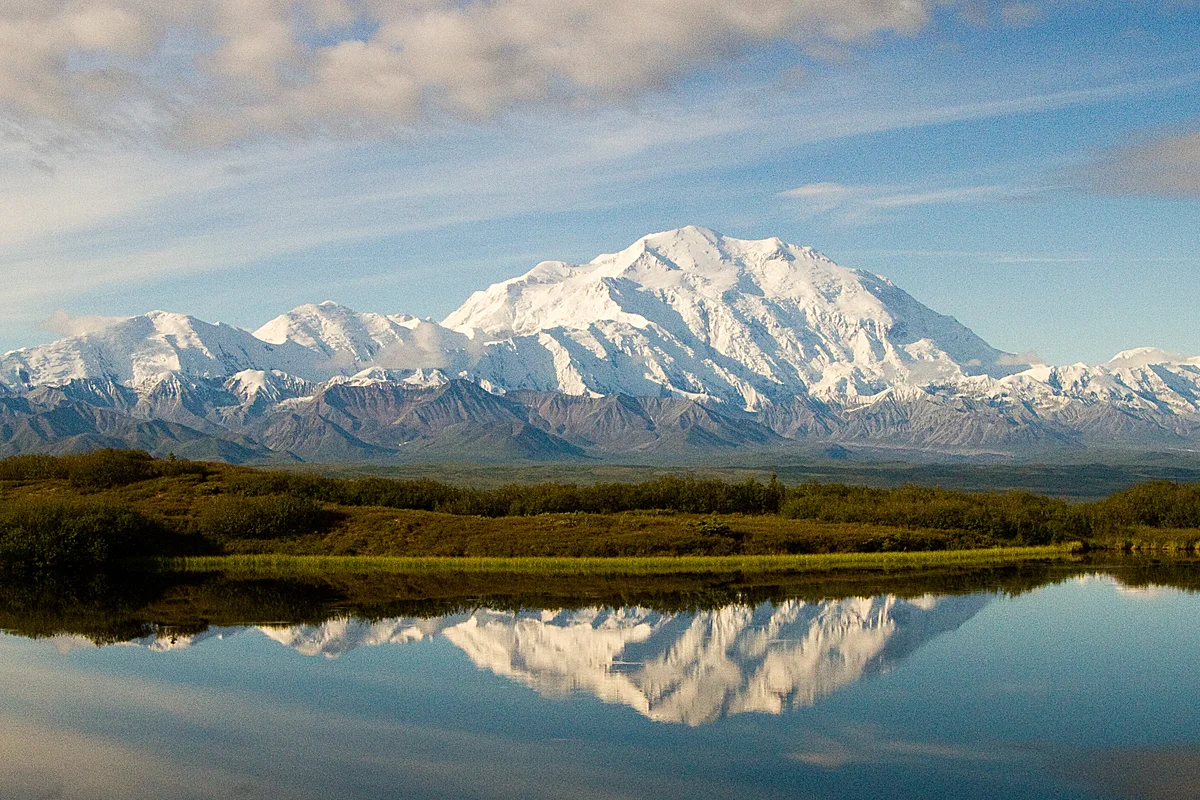
Denali (Mount McKinley) mountain summit
🚩 4 Expeditions
6,190 m
First Ascent: 1913🧗 2 Routes

Denali (Mount McKinley)

Denali (Mount McKinley) is a majestic 6,000-meter peak rising to 6190 meters in the Alaska Range (Alaska, United States). Documented in international mountaineering archives following its historic first ascent in 1913 by Hudson Stuck, Harry Karstens, Walter Harper, Robert Tatum (United States), the peak presents technical ridgelines and high-altitude alpine terrain.

Explore Peak & Routes
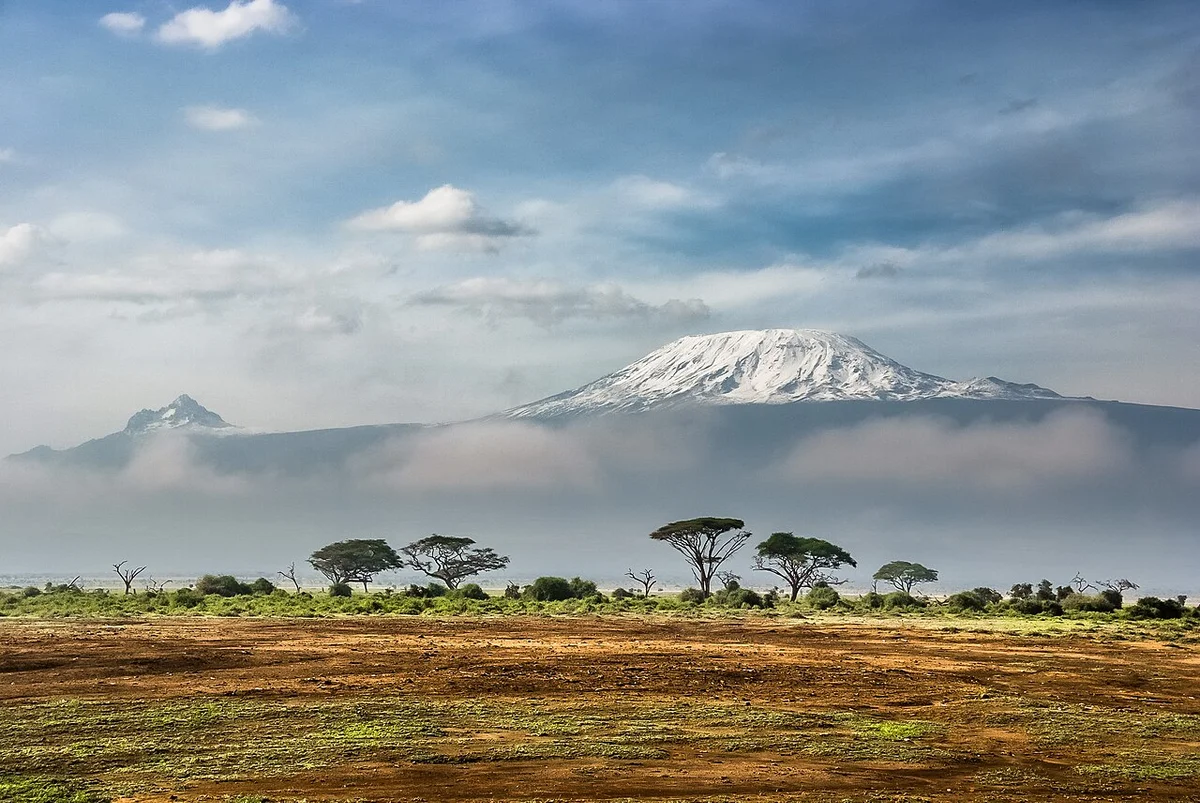
The snow-capped summit of Mount Kilimanjaro rising majestically above the African savannah.
🚩 2 Expeditions
5,895 m
First Ascent: 1889-10-06🧗 1 Route

Mount Kilimanjaro

Mount Kilimanjaro is the highest mountain in Africa, the highest free-standing mountain in the world, and one of the Seven Summits, soaring to 5,895 metres (19,341 ft) above the plains of northeastern Tanzania. Consisting of three distinct volcanic cones—Kibo, Mawenzi (5,149 m), and Shira (4,005 m)—its summit at Uhuru Peak was first reached on October 6, 1889, by German geographer Hans Meyer, Austrian alpine pioneer Ludwig Purtscheller, and local Chagga mountain scout Yohani Lauwo.

Explore Peak & Routes
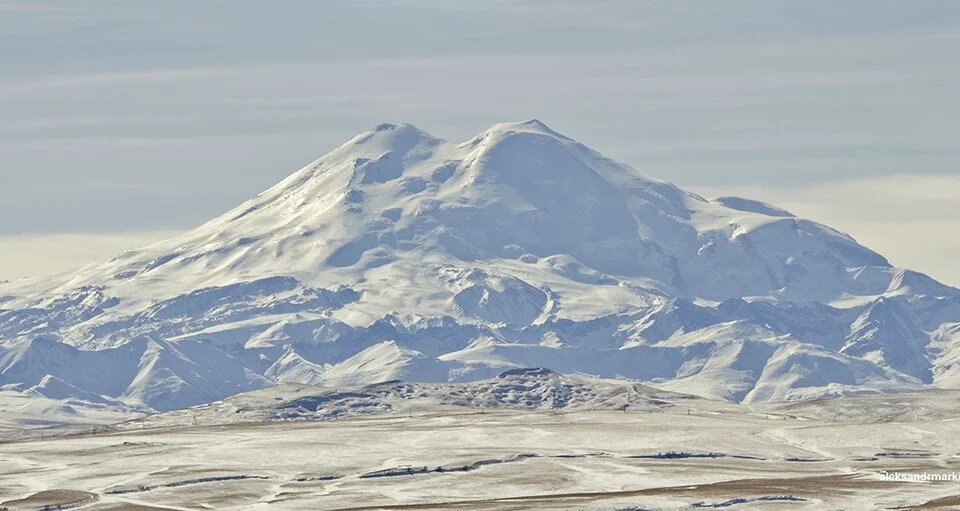
The twin snow-capped volcanic summits of Mount Elbrus rising above the glaciated Caucasus.
🚩 2 Expeditions
5,642 m
First Ascent: 1874-07-28🧗 1 Route

Mount Elbrus

Mount Elbrus is the highest mountain in Russia and Europe, soaring to 5,642 metres as the tenth-most topographically prominent peak on Earth and one of the Seven Summits. Situated in the Russian Caucasus near the Georgian border, this colossal dormant stratovolcano features two ice-capped volcanic domes separated by a high saddle at 5,416 metres. The eastern summit (5,621 m) was first climbed in 1829 by Circassian scout Killar Khashirov, while the true continental high point on the western summit (5,642 m) was conquered in 1874 by Florence Craufurd Grove, Frederick Gardiner, Horace Walker, Peter Knubel, and Balkar guide Ahiya Sottaev.

Explore Peak & Routes
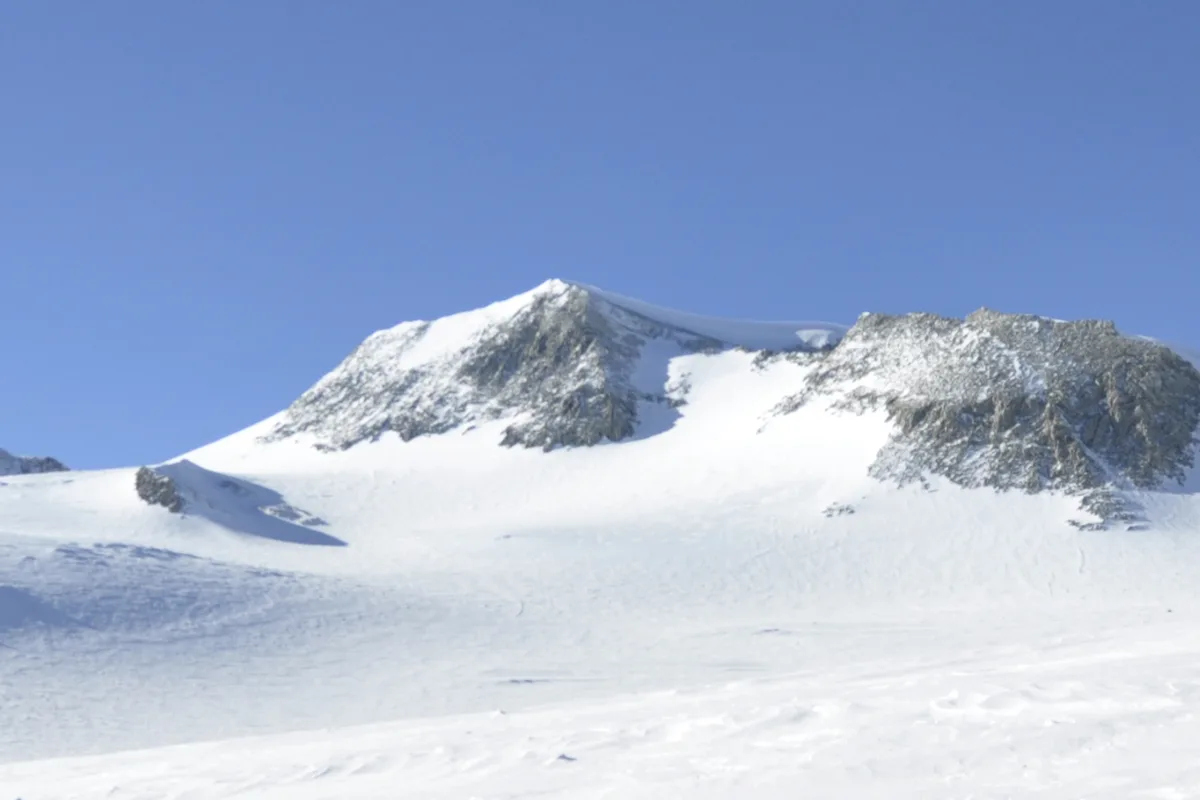
The sprawling glaciated summit ridge and icefields of Mount Vinson in Antarctica.
🚩 5 Expeditions
4,892 m
First Ascent: December 18, 1966🧗 1 Route

Mount Vinson / Vinson Massif

Mount Vinson is the highest peak in Antarctica at 4,892 metres (16,050 ft), situated in the Sentinel Range of the Ellsworth Mountains approximately 1,200 kilometres from the South Pole. As the summit of Antarctica, it forms one of the celebrated Seven Summits. First sighted by a US Navy aircraft in January 1958 and named after Georgia congressman Carl Vinson, the peak was conquered on December 18, 1966, by a team led by Nicholas Clinch and Barry Corbet during the historic American Antarctic Mountaineering Expedition. While technically moderate via the Branscomb Glacier, climbing Mount Vinson demands extreme endurance against temperatures plunging to -40°C and ferocious katabatic blizzards.

Explore Peak & Routes
The towering, sheer limestone north wall of Carstensz Pyramid rising into tropical cloud.
🚩 2 Expeditions
4,884 m
First Ascent: February 13, 1962🧗 1 Route

Carstensz Pyramid / Puncak Jaya

Carstensz Pyramid (Puncak Jaya / Nemangkawi) is the highest mountain in Indonesia, the highest island peak on Earth, and the highest summit in Oceania at 4,884 metres (16,024 ft). As one of the Seven Summits, it presents the unique challenge of technical limestone rock climbing above dense equatorial cloud forests and vanishing tropical glaciers. First climbed on February 13, 1962, by an expedition led by Austrian mountaineer Heinrich Harrer alongside Philip Temple, Russell Kippax, and Albertus Huizenga, Carstensz Pyramid requires ascending vertical limestone slabs and crossing a famous Tyrolean traverse across a sheer 15-metre chasm high on the summit ridge.

Explore Peak & Routes