Continental Mountain Discovery

Mountains of South America

South America is anchored by the Andes, the longest continental mountain range on Earth, extending over 7,000 kilometers along the Pacific rim. From the ultra-prominent dry summits of the Central Andes and the ice-draped flutes of Peru’s Cordillera Blanca to the wind-battered granite spires of Argentine and Chilean Patagonia, South America offers extraordinary alpine diversity.

Report an Error
240
Verified Summits
5
Mountain Ranges
7
Alpine Nations
Continental Apex
Aconcagua (6,961 m) →

Mountain Ranges in South America

Primary geological cordilleras, tectonic belts, and regional massifs across South America.

5 Ranges
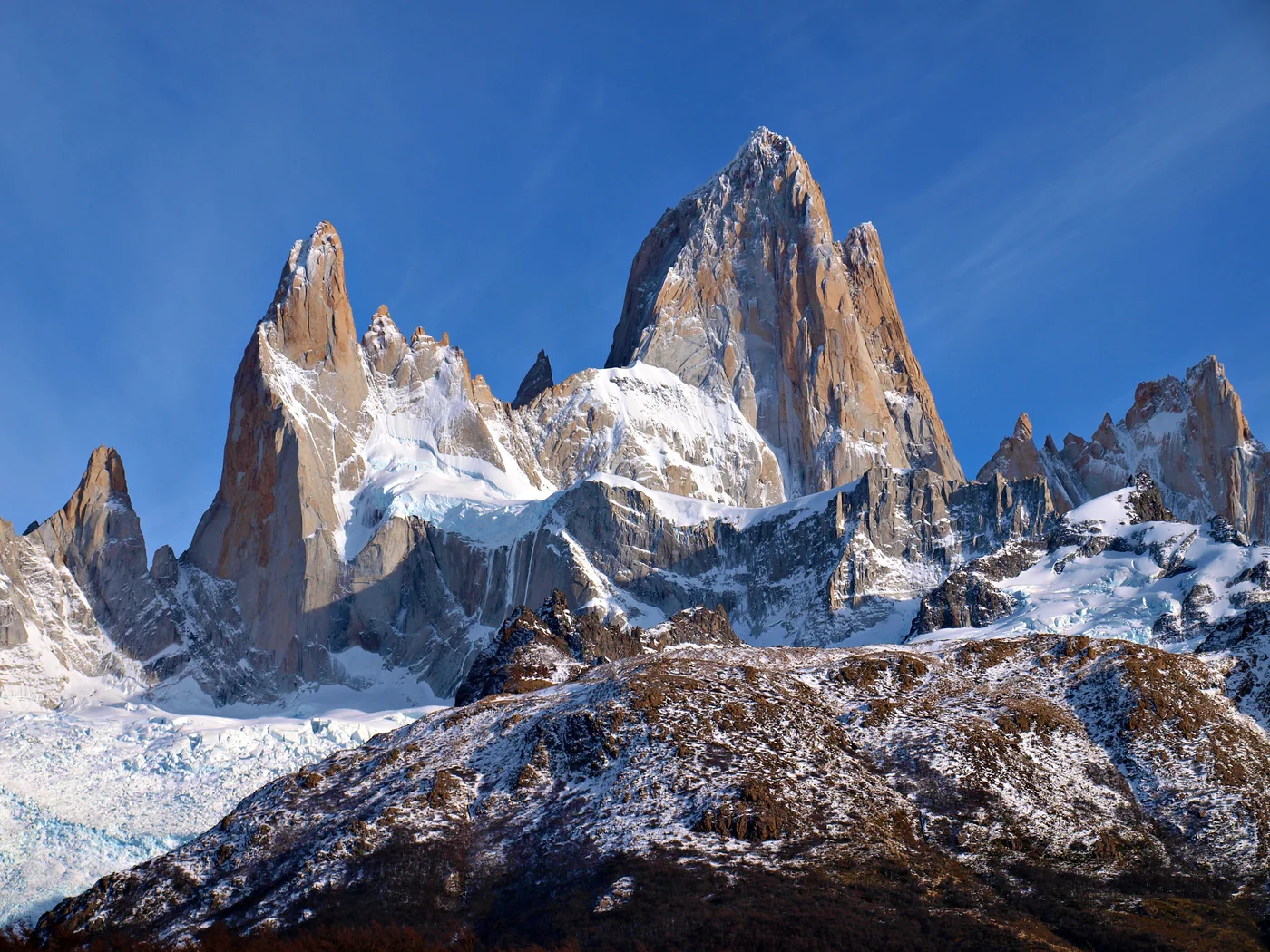
The sheer granite spires of the Fitz Roy massif rising above glacial lakes in the Patagonian Andes.
Argentina, Chile, Peru257 Key Peaks

Andes

The Andes form the longest continental mountain range on Earth, stretching over 7,000 kilometres along the western margin of South America. Renowned for soaring glaciated volcanoes, high Altiplano plateaus, and the sheer wind-blasted granite spires of Patagonia, the range contains legendary alpine challenges including Aconcagua and Cerro Fitz Roy.

View Mountain Range
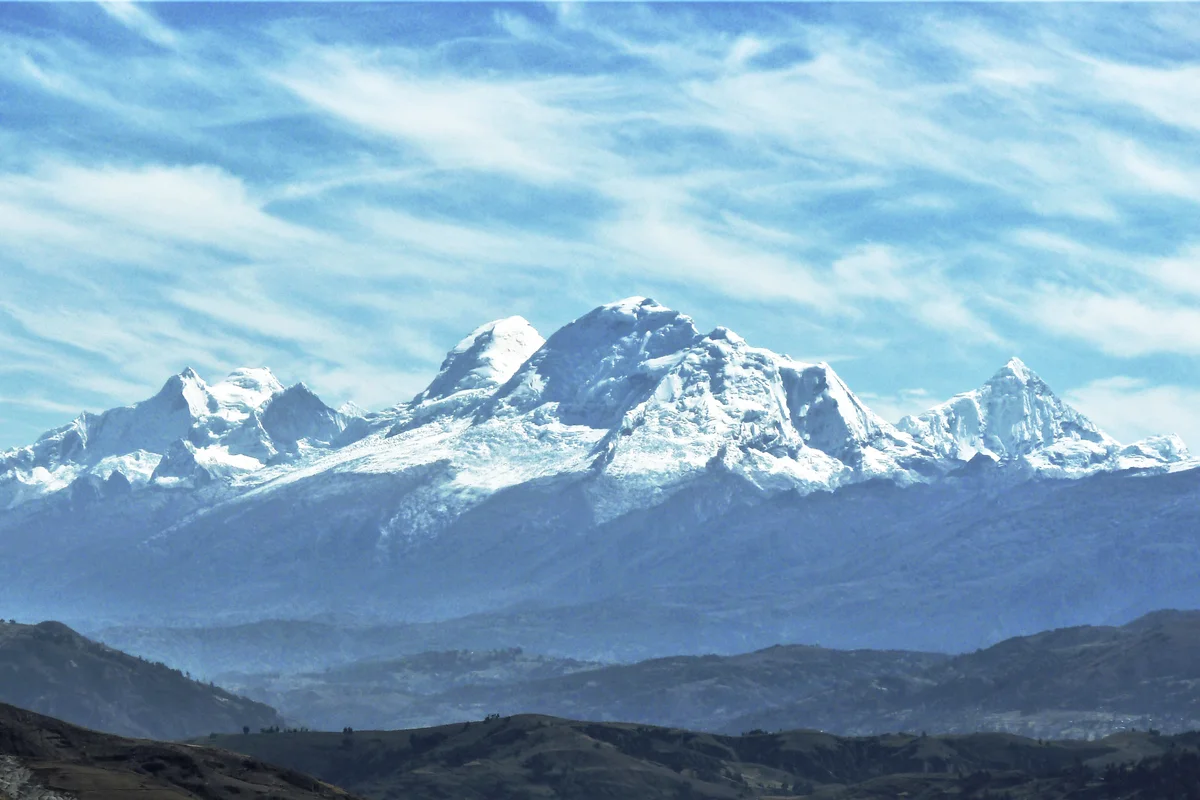
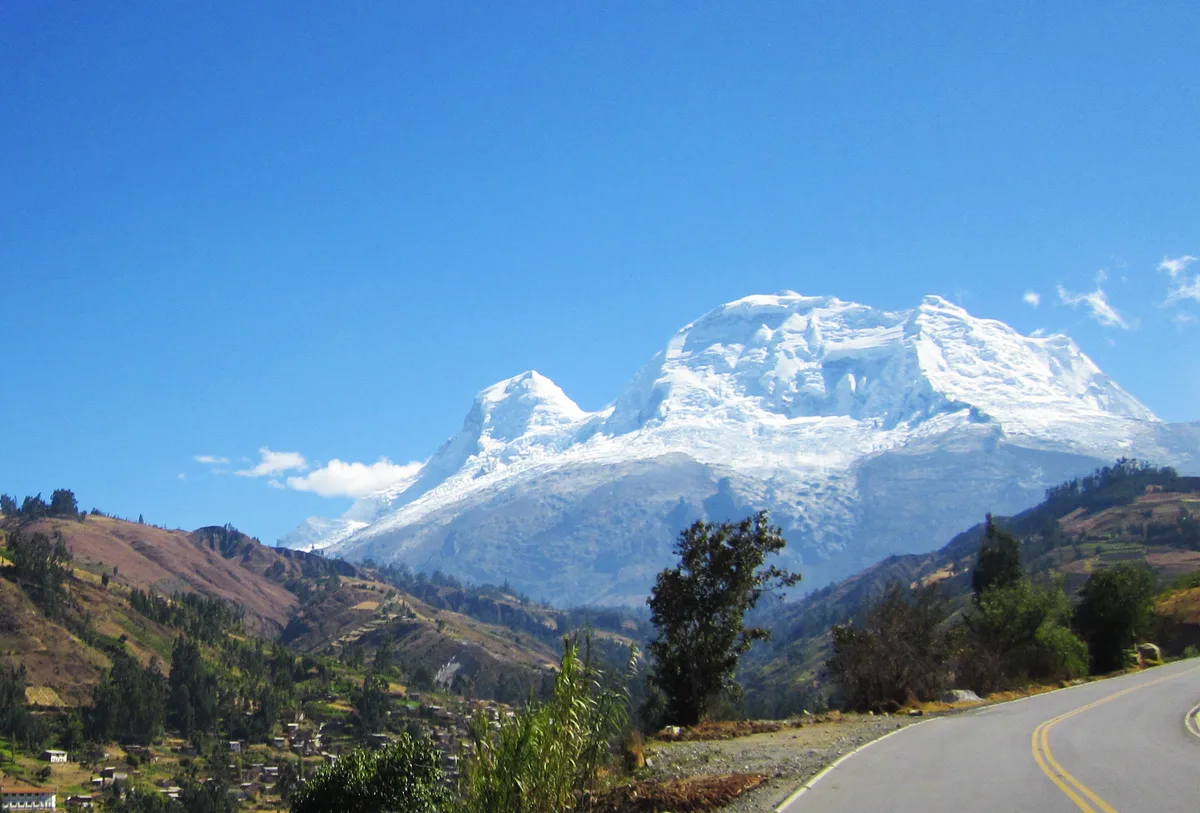
Glaciated summit pyramid of Huascarán in the Cordillera Blanca of Peru.
Peru28 Key Peaks

Cordillera Blanca

The Cordillera Blanca is the highest and most extensively glaciated tropical mountain range in the world, rising dramatically in the Ancash Andes of Peru. Preserved within Huascarán National Park, it holds iconic summits including Huascarán, Alpamayo, Artesonraju, and Huandoy.

View Mountain Range
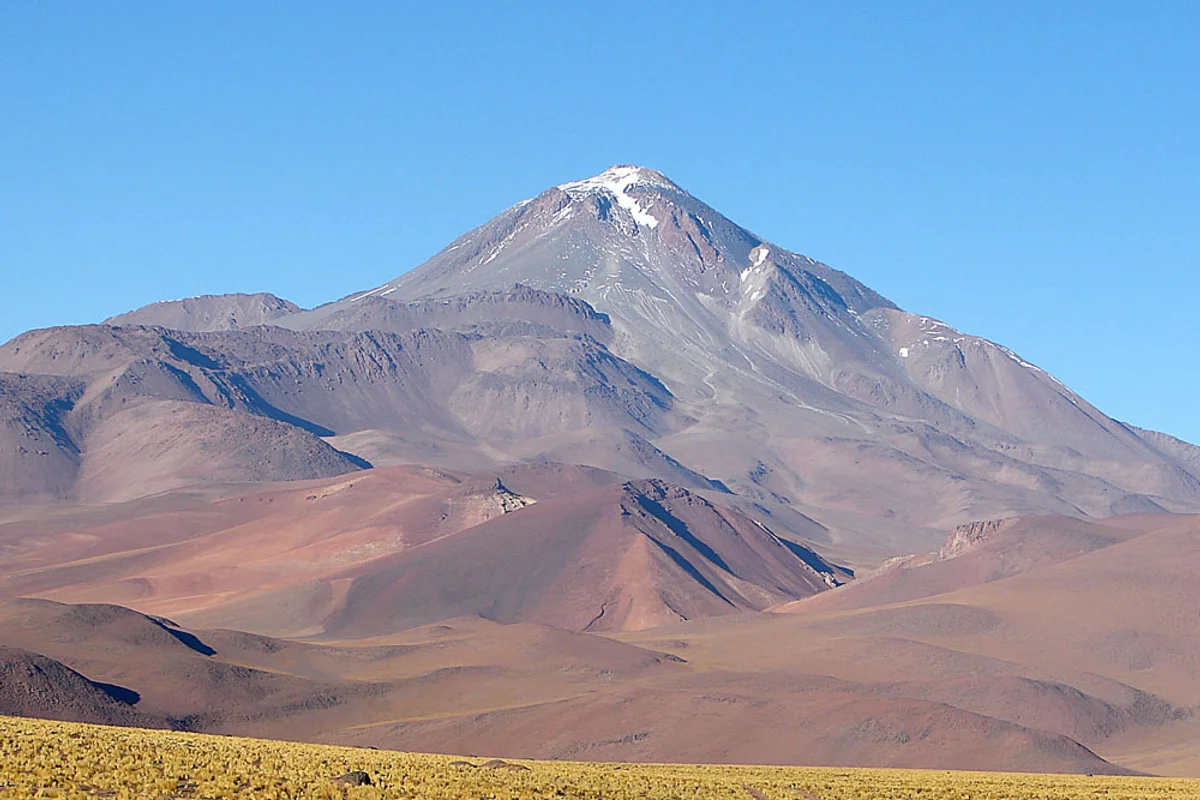
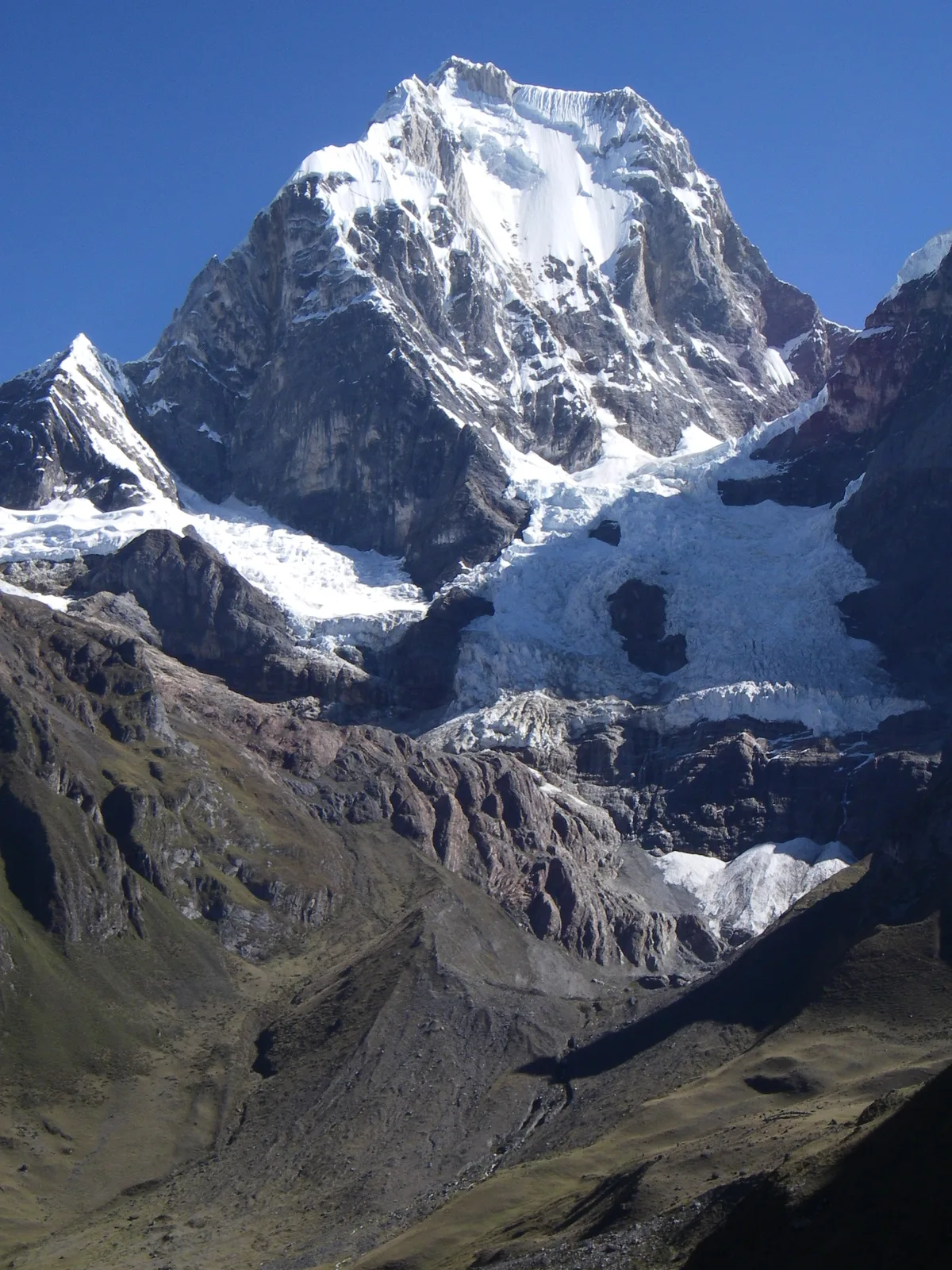
The colossal ice-fluted west precipice of Yerupajá in the Cordillera Huayhuash.
Peru10 Key Peaks

Cordillera Huayhuash

A compact and notoriously formidable alpine bastion in Peru, the Cordillera Huayhuash spans just thirty kilometres yet concentrates some of the most technical ice and rock walls in South America. Crowning the range are Yerupajá, Jirishanca, and the legendary west face of Siula Grande.

View Mountain Range
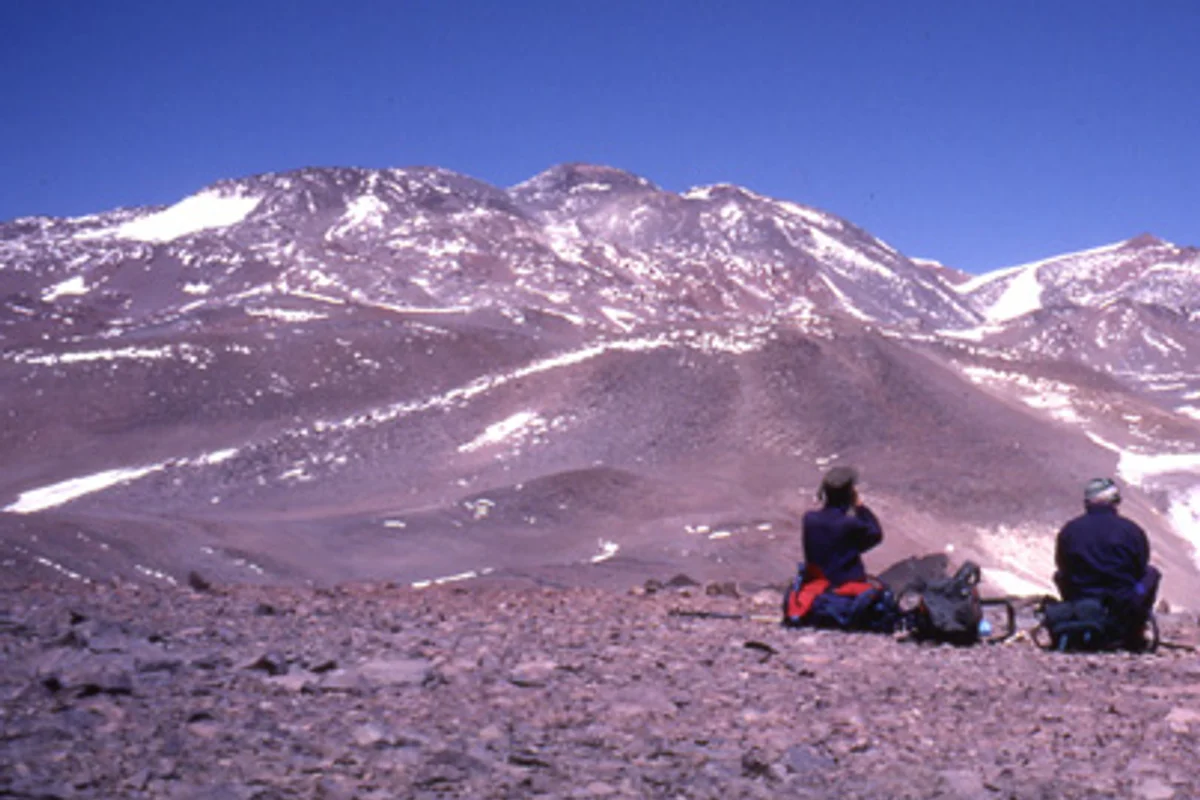
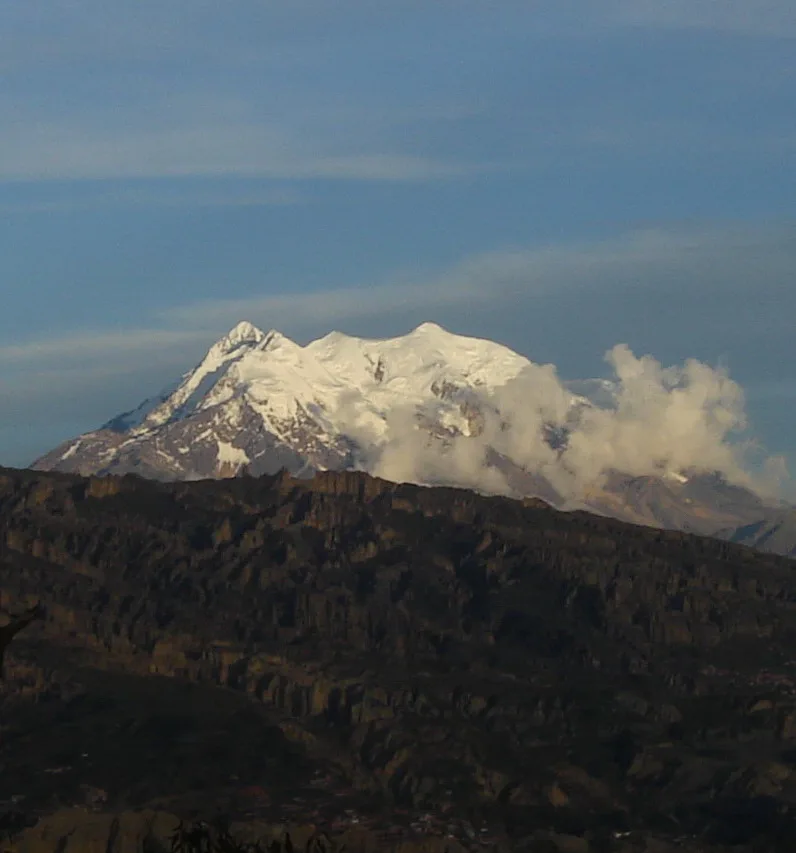
The gleaming southern ice ramparts of Illimani presiding over the Cordillera Real.
Bolivia16 Key Peaks

Cordillera Real

The Cordillera Real is the granite spine of the Bolivian Andes, separating the high windswept Altiplano from the humid Amazonian lowlands. Extending across 125 kilometres, this glaciated cordillera features historic peaks including Illimani, Huayna Potosí, and Illampu.

View Mountain Range
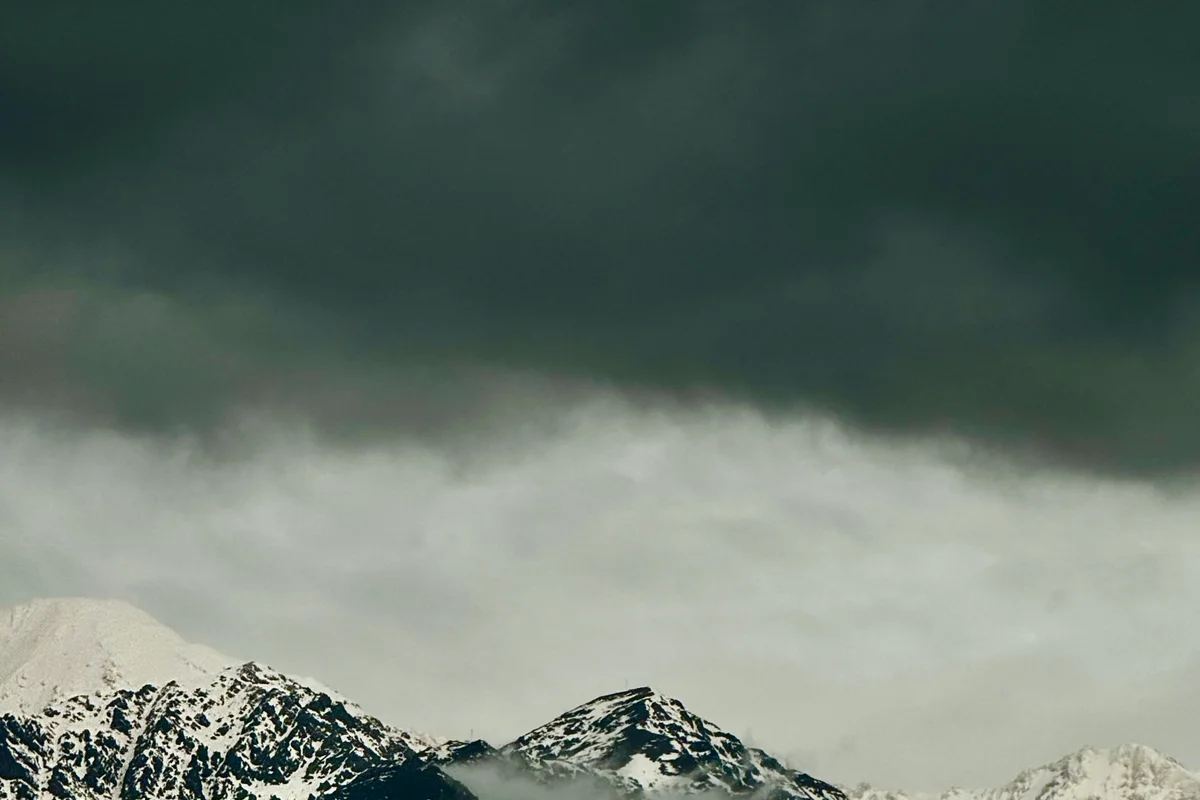
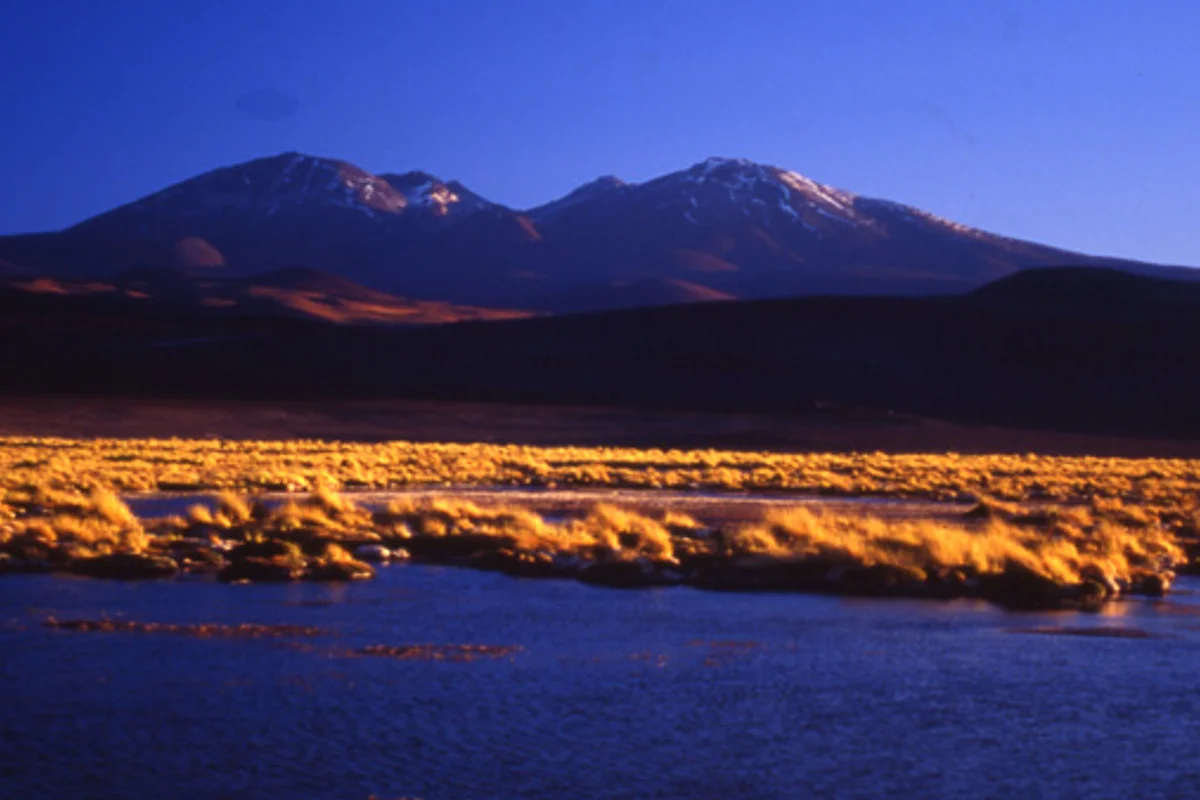
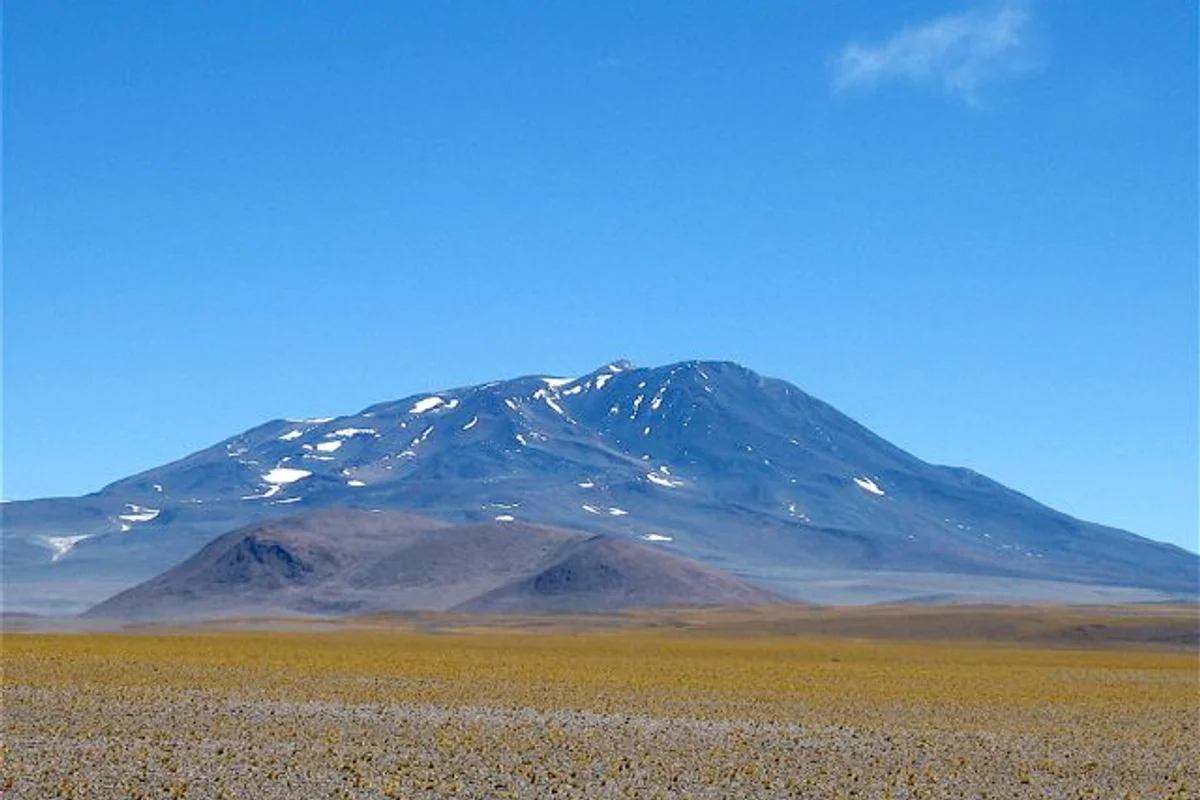
High desert volcanic cone of Volcán Antofalla in the Puna de Atacama.
Argentina, Chile12 Key Peaks

Puna de Atacama

A colossal high-altitude volcanic plateau and physiographic cordilleran system spanning the arid northern borderlands of Argentina and Chile. Formed by tectonic block-faulting and Cenozoic volcanism in the Central Andes, the Puna de Atacama hosts giant stratovolcanoes including Volcán Antofalla, Cerro Solo, and Cerro Medusa.

View Mountain Range
Explore South America by Country

Country-level mountain discovery, regional summit registries, and technical routes.

7 Destinations

Verified Mountain Summits in South America

Showing high-altitude summits sorted by elevation with verified ascent records.

240 Peaks Total
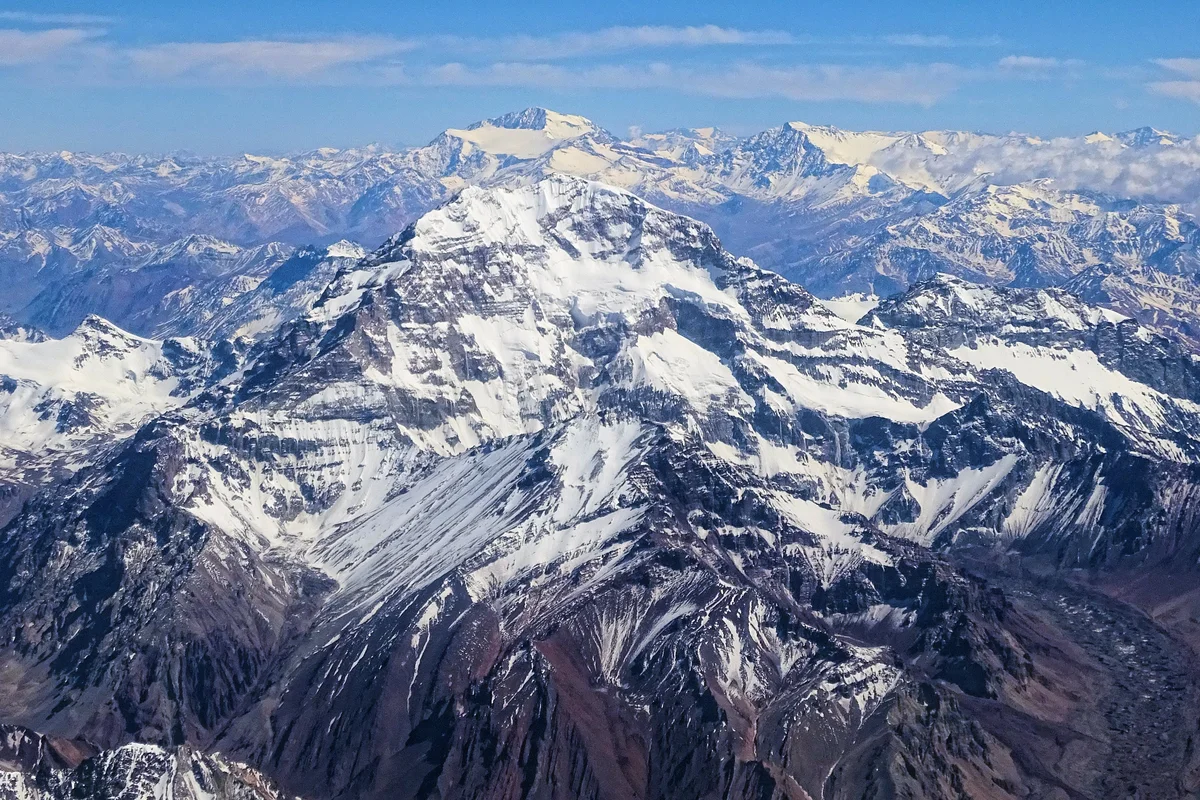
The snow-capped summit of Mount Aconcagua rising majestically in the Argentine Andes.
🚩 2 Expeditions
6,961 m
First Ascent: January 14, 1897🧗 1 Route

Aconcagua

Aconcagua is the highest mountain in the Americas and the highest peak outside Asia, rising to 6,961 metres in Argentina's Andes. Celebrated as the second most topographically prominent mountain on Earth, it features colossal glaciated faces, intense high-altitude gales, and historic routes including the Polish Glacier.

Explore Peak & Routes
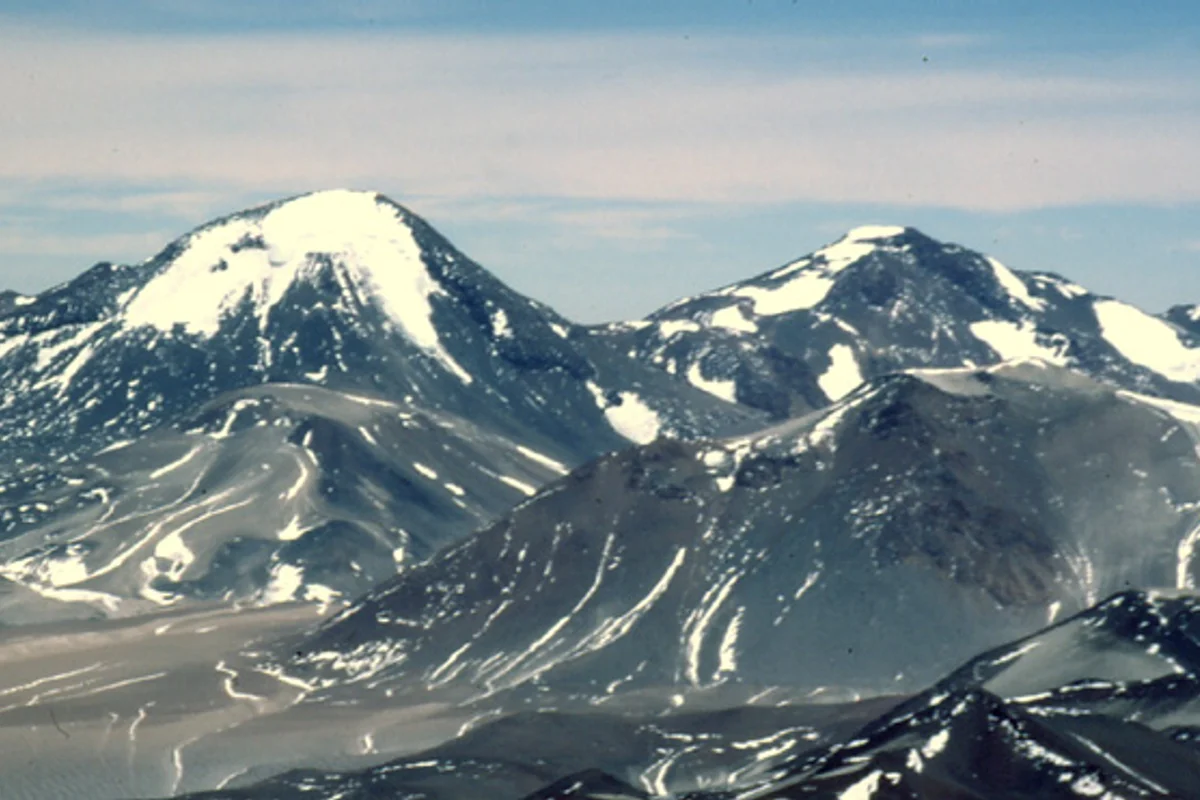
The majestic glaciated summit of Ojos del Salado (6,893 m)
🚩 1 Expedition
6,893 m
First Ascent: February 26, 1937🧗 1 Route

Ojos del Salado

Nevado Ojos del Salado is officially the highest active volcano on Earth at 6,893 meters (22,615 ft) and the second highest mountain in the Americas and Western Hemisphere after Aconcagua. Located on the high, arid Puna de Atacama along the border of Chile and Argentina, it contains the highest permanent crater lake on Earth at 6,390 meters.

Explore Peak & Routes
The majestic glaciated summit of Monte Pissis (6,793 m)
🚩 1 Expedition
6,793 m
First Ascent: February 7, 1937🧗 1 Route

Monte Pissis

Monte Pissis is an enormous 6,793-meter (22,287 ft) extinct stratovolcano in the Argentine Puna de Atacama. Ranking as the third highest mountain in the Western Hemisphere and the second highest volcano on Earth, its massive glacial complex towers above colorful lithium salt flats and turquoise lagoons in one of the driest, most otherworldly landscapes on Earth.

Explore Peak & Routes
The towering twin peaks and hanging glaciers of Nevado Huascarán in Peru's Cordillera Blanca.
🚩 3 Expeditions
6,768 m
First Ascent: July 20, 1932🧗 1 Route

Huascarán

Huascarán is the highest mountain in Peru and the highest peak in the entire tropical zone of Earth, rising to 6,768 metres in the Cordillera Blanca. Its twin glaciated summits—Huascarán Sur (6,768 m) and Huascarán Norte (6,655 m)—tower over the Callejón de Huaylas with colossal icefalls and sheer vertical walls.

Explore Peak & Routes
The majestic glaciated summit of Cerro Bonete Chico (6,759 m)
🚩 1 Expedition
6,759 m
First Ascent: 1913🧗 1 Route

Cerro Bonete Chico

Cerro Bonete Chico is a massive 6,759-meter (22,175 ft) extinct volcano in the La Rioja Province of Argentina. Ranking as the fifth highest mountain in the Americas, it rises isolated on the desolate southern rim of the Puna de Atacama with sweeping scree slopes and immense dry summit crags.

Explore Peak & Routes
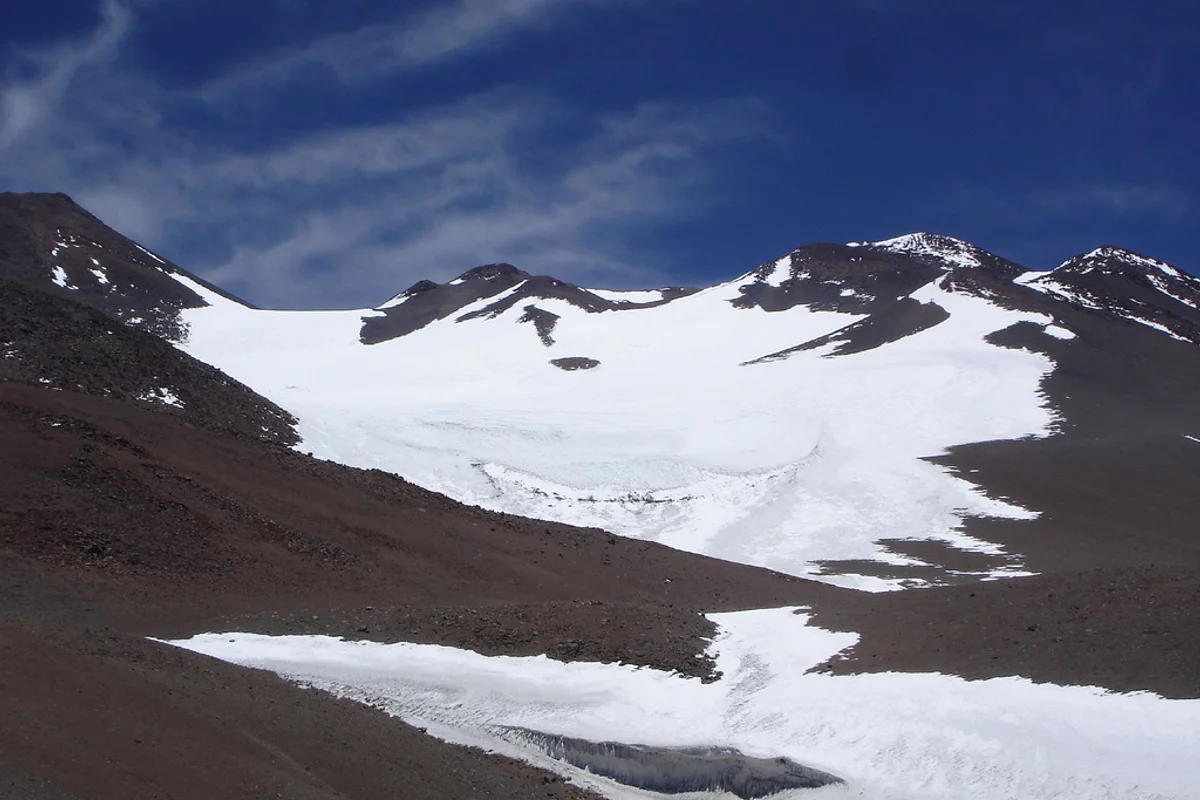
Nevado Tres Cruces Sur mountain summit
🚩 1 Expedition
6,748 m
First Ascent: February 26, 1937

Nevado Tres Cruces Sur

Nevado Tres Cruces Sur is a majestic 6,000-meter peak rising to 6748 meters in the Andes (Atacama, Chile). Documented in international mountaineering archives following its historic first ascent in 1937 by Stefan Osiecki, Witold Paryski (Poland), the peak presents technical ridgelines and high-altitude alpine terrain.

Explore Peak & Routes
The majestic glaciated summit of Llullaillaco (6,739 m)
🚩 1 Expedition
6,739 m
First Ascent: Pre-Columbian (Inca Summit Santuary, c. 1490–1500); Modern: December 1, 1952🧗 1 Route

Llullaillaco

Volcán Llullaillaco is a monumental 6,739-meter (22,110 ft) stratovolcano on the border between Chile and Argentina. Internationally renowned as the world's highest archaeological site, its summit crater was chosen by the Inca Empire 500 years ago for the sacred Capacocha ritual, where the three famous, impeccably preserved 'Children of Llullaillaco' Inca mummies were discovered in 1999.

Explore Peak & Routes
The majestic glaciated summit of Mercedario (6,720 m)
🚩 1 Expedition
6,720 m
First Ascent: January 18, 1934🧗 1 Route

Mercedario

Cerro Mercedario is an immense 6,720-meter (22,047 ft) glaciated mountain in the San Juan Province of Argentina. Standing as the crowning monarch of the Cordillera de la Ramada just 100 kilometers north of Aconcagua, Mercedario ranks #8 in the Western Hemisphere and #27 worldwide by topographic prominence (3,353 m).

Explore Peak & Routes
Cazadero (Walter Penck) mountain summit
6,658 m
First Ascent: 1970

Cazadero (Walter Penck)

Cazadero (Walter Penck) is a majestic 6,000-meter peak rising to 6658 meters in the Andes (Catamarca, Argentina). Documented in international mountaineering archives following its historic first ascent in 1970 by Argentine team led by G. Vieiro (Argentina), the peak presents technical ridgelines and high-altitude alpine terrain.

Explore Peak & Routes
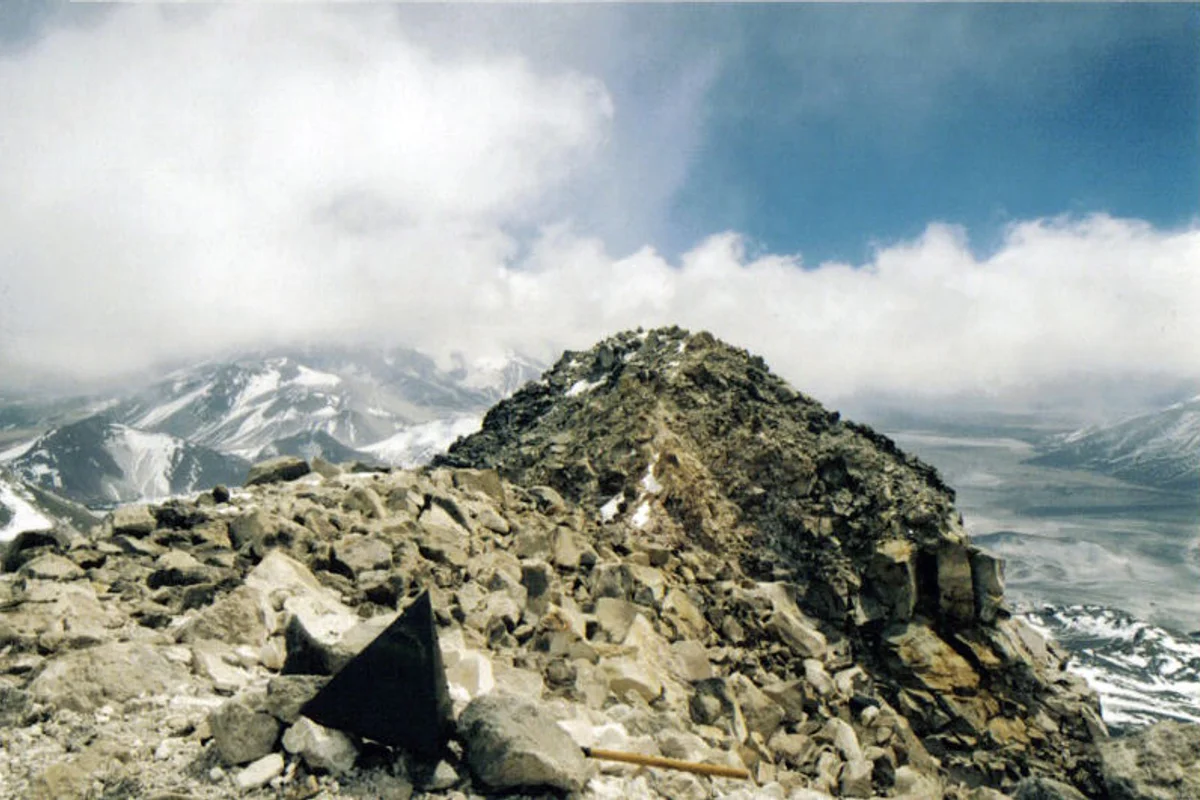
The sprawling volcanic crater and red scree slopes of Cerro Walter Penck.
🚩 1 Expedition
6,658 m
First Ascent: December 14, 1970🧗 1 Route

Cerro Walter Penck

Cerro Walter Penck (also known as Volcán Cazadero or Tipas) is a massive 6,658-meter (21,844 ft) volcanic complex in Catamarca Province, Argentina. Situated just south of Ojos del Salado in the hyper-arid Puna de Atacama, its sprawling summit crater covers over 25 square kilometers with multiple 6,000-meter cones.

Explore Peak & Routes
The glaciated summit pyramid and seracs of Huascarán Norte in the Cordillera Blanca of Peru.
🚩 1 Expedition
6,655 m
First Ascent: September 2, 1908🧗 2 Routes

Huascarán Norte

Huascarán Norte is the northern summit of Peru's highest mountain massif, rising to 6,655 metres in the Cordillera Blanca. It was first climbed in September 1908 by pioneering American suffragist Annie Smith Peck alongside Swiss guides Gabriel Zumtaugwald and Rudolf Taugwalder. The peak features steep ice aprons and towering seracs connected to Huascarán Sur via the Garganta col.

Explore Peak & Routes
The colossal snow-plastered summit peak and knife-edge corniced ridges of Yerupajá in the Cordillera Huayhuash.
🚩 2 Expeditions
6,635 m
First Ascent: July 31, 1950🧗 1 Route

Yerupajá

Yerupajá is the second-highest peak in Peru and the undisputed monarch of the Cordillera Huayhuash, soaring to 6,635 metres. Celebrated for its razor-sharp summit cornices, vertical ice walls, and ominous local moniker El Carnicero (The Butcher), it was first climbed in July 1950 by Jim Maxwell and Dave Harrah of the Harvard Andean Mountaineering Club. In 1968, Chris Jones and Paul Dix completed the first ascent of its fearsome 1,200-metre West Face.

Explore Peak & Routes

Viewing 12 of 240 documented summits in South America

Search and filter the complete archive of 240 summits with elevations, GPS coordinates, routes, and first ascent histories in the interactive directory.