Puna de Atacama
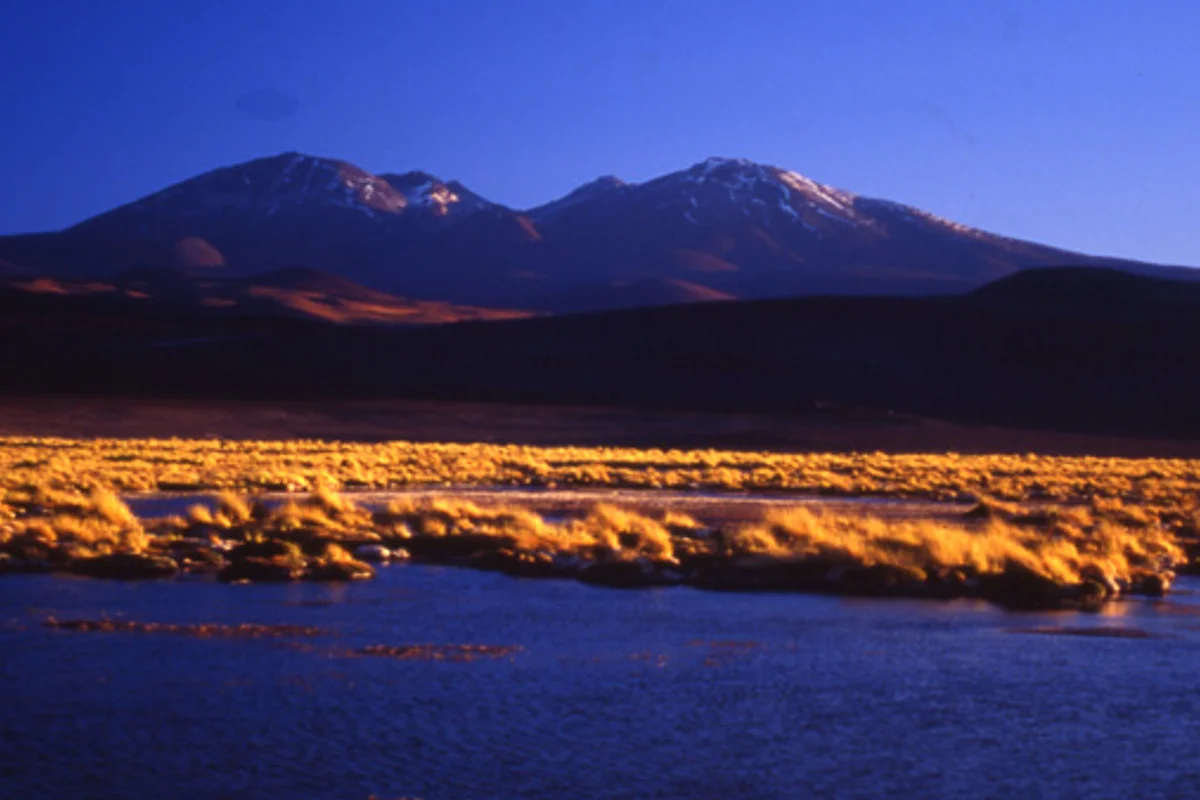
A colossal high-altitude volcanic plateau and physiographic cordilleran system spanning the arid northern borderlands of Argentina and Chile. Formed by tectonic block-faulting and Cenozoic volcanism in the Central Andes, the Puna de Atacama hosts giant stratovolcanoes including Volcán Antofalla, Cerro Solo, and Cerro Medusa.
Peer Review: Senior Editorial Board & Historical Reviewers • Editorial Standards
Key Statistics & Topographic Figures
- Archive Classification
- RANGES
Mountainity Knowledge Corpus
- Verification Status
- Editorially Verified
Archival Standards
- Citation Standard
- Primary Source Verified
Alpine Research Desk
Defined Alpine Terminology & Concepts
- Archival Integrity
- The standard of verifying historical mountain facts, summit claims, and altitudes using primary expeditions journals and geodetic measurements.
Frequently Asked Questions: Puna de Atacama
What historical significance does this range hold?
Puna de Atacama represents an essential chapter in global mountaineering heritage, verified through contemporary expedition journals and archival sources.
How are the facts and records for Puna de Atacama verified?
All records are checked against peer-reviewed journals, national alpine clubs, geodetic surveys, and the Mountainity Archival Integrity Policy.
Featured Summits in Puna de Atacama
Browse Range Summits →
Volcán Antofalla
Volcán Antofalla is a colossal 6,409-meter stratovolcano in the Puna de Atacama of Catamarca, Argentina. Rising abruptly above the Salar de Antofalla—one of the longest salt pans on Earth—Antofalla is an ultra-prominent peak with pre-Columbian ceremonial sanctuaries on its high summit crest.
Cerro Solo
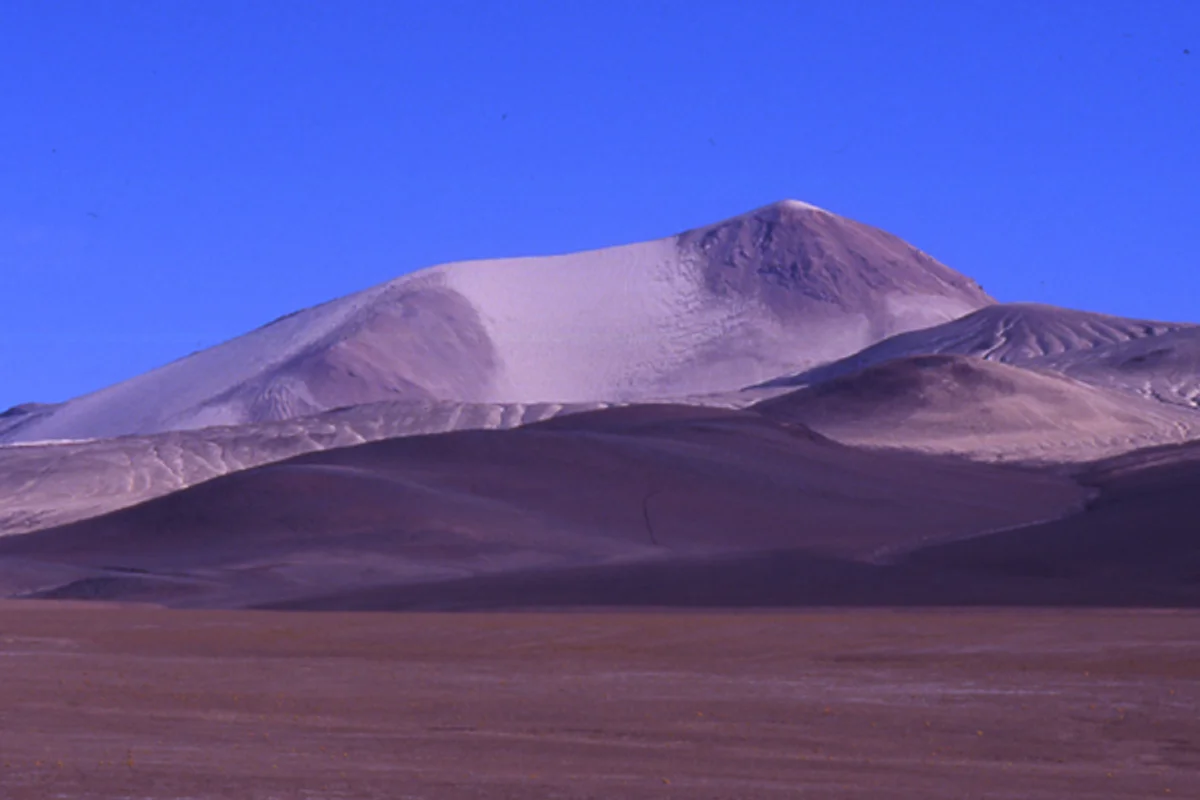
Cerro Solo is a colossal 6,205-meter stratovolcano straddling the border between Argentina and Chile, just southwest of Ojos del Salado. Flanked by massive hanging glaciers and 20 individual eruptive centers of dacitic and andesitic rock, Solo dominates the upper valley of the Río Cazadero.
Nevado Queva
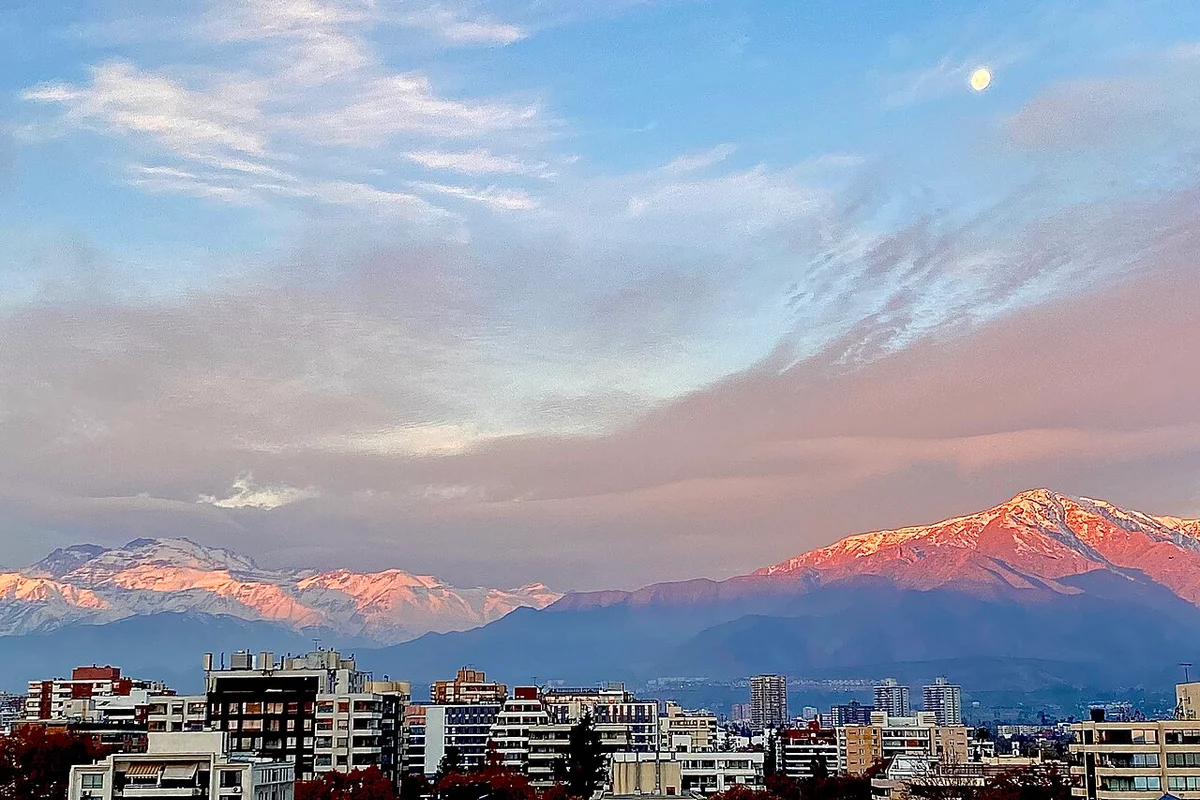
Nevado Queva is an ultra-prominent 6,140-meter stratovolcano rising in the high desert of the Puna de Atacama in Salta Province, Argentina. Crowned by a crater complex and ancient pre-Columbian ceremonial sanctuaries, Queva features a small summit glacier and active low-temperature solfataras.
Nevado de Pastos Grandes
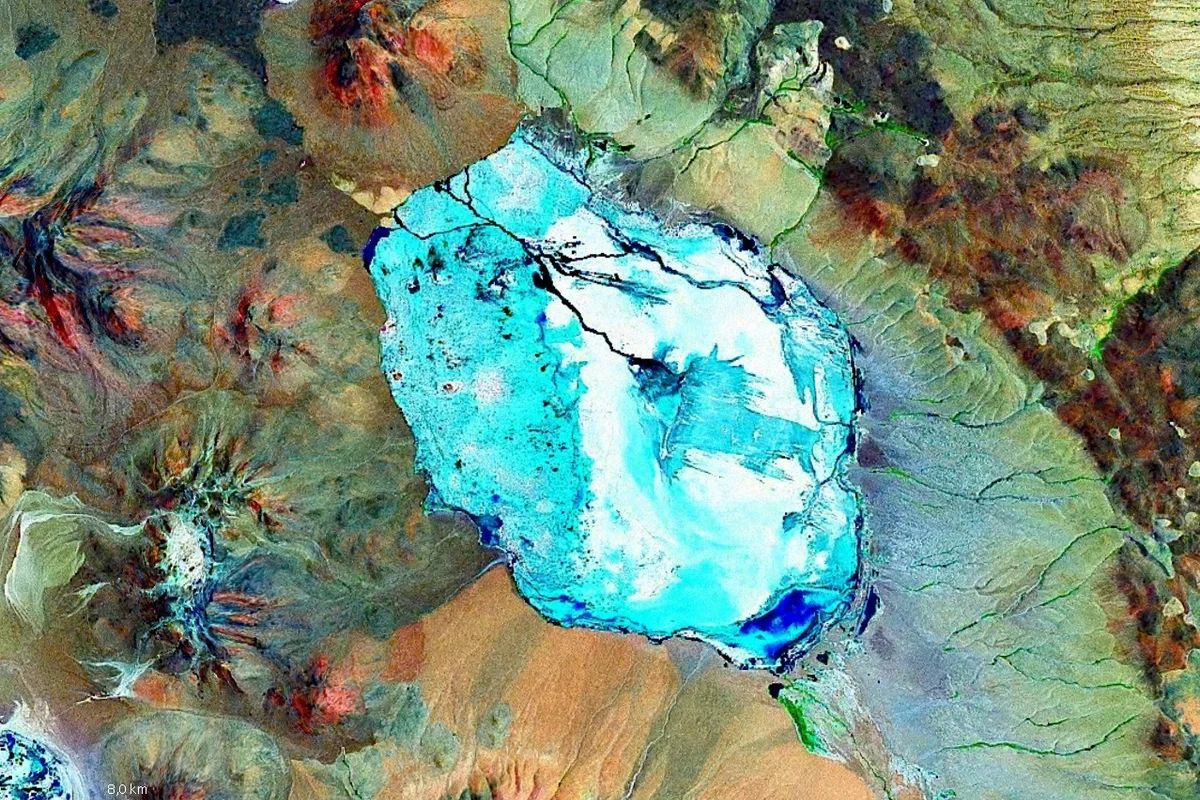
Nevado de Pastos Grandes, soaring to 6,130 meters in Salta Province, Argentina, is the highest point along the rim of the colossal Pastos Grandes caldera complex. Flanked by geothermal hot springs, saline marshes, and vast ignimbrite plateaus, this mountain is an exceptional high-desert alpine ascent.
Cerro Medusa
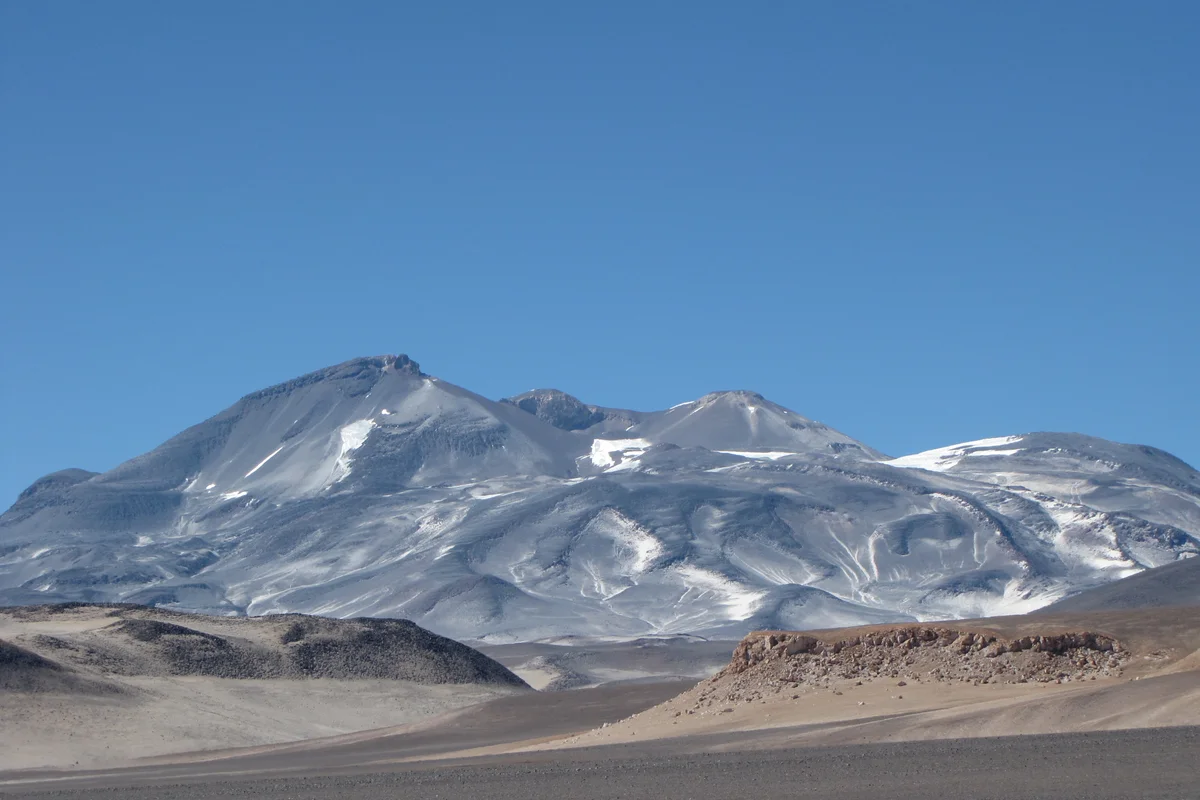
Cerro Medusa, at 6,120 meters, is a remote volcanic peak rising in the high desert between Ojos del Salado and El Muerto along the international frontier. Surrounded by extensive fields of volcanic lava flows and penitentes, Medusa is one of the least frequently tackled 6,000-meter summits in the Puna.
Volcán Arácar
Volcán Arácar is a massive 6,082-meter stratovolcano standing near the border between Argentina and Chile, directly east of the Salar de Arizaro. Topped by a well-preserved 1.5-kilometer summit crater containing a small crater lake, Arácar is one of the most prominent volcanic landmarks of the northern Argentine Puna.
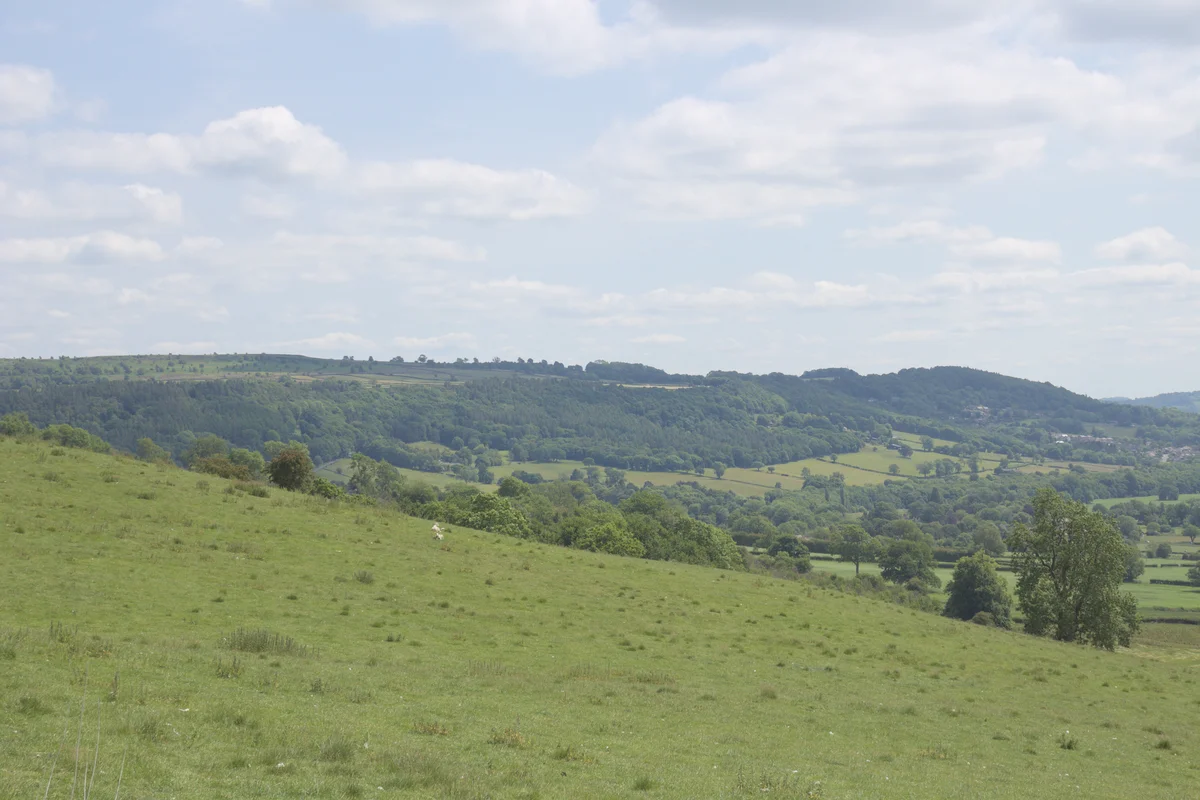
Cerro Vicuñas
Cerro Vicuñas is a prominent 6,067-meter volcano rising in northern Chile's Atacama Region, situated immediately west of Ojos del Salado. Guarded by fields of sharp penitentes ice formations and wind-carved volcanic pumice, Vicuñas offers a commanding vantage point over the Laguna Verde basin.
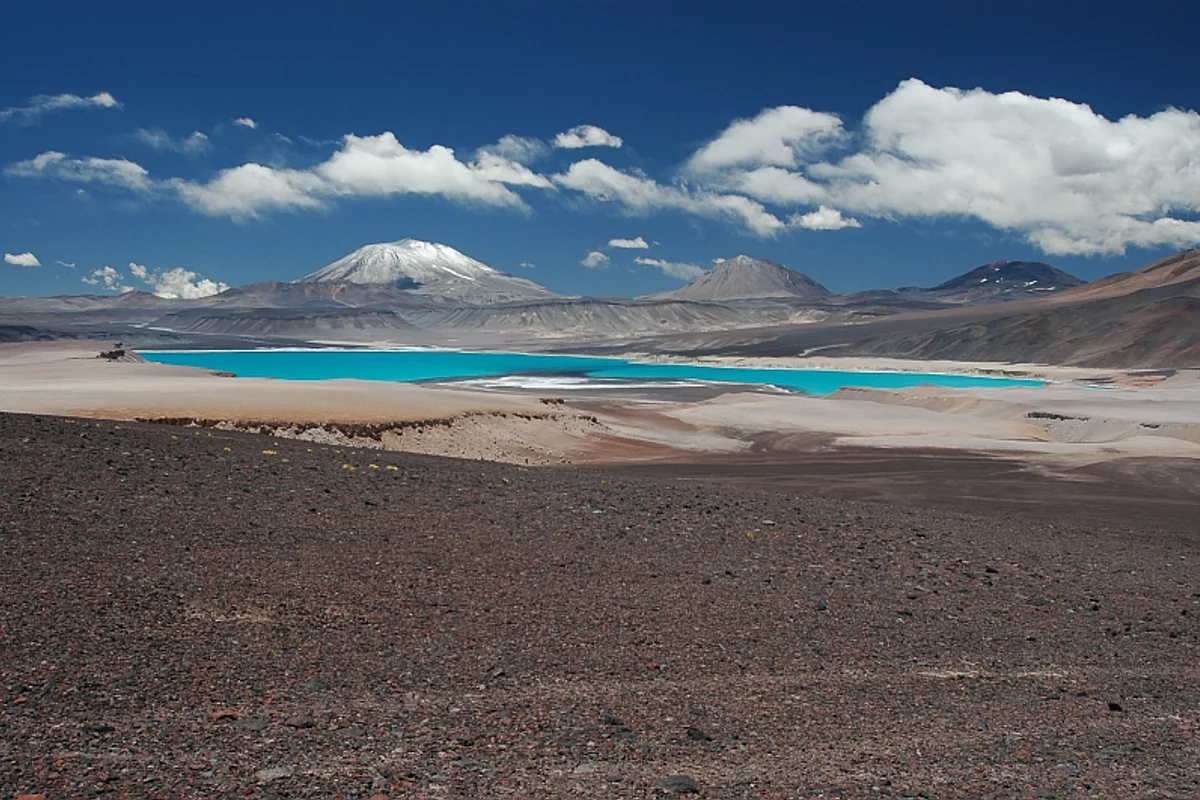
Nevado El Fraile
Nevado El Fraile, rising to 6,061 meters, is a prominent volcanic peak standing directly between Nevado Incahuasi and Cerro San Francisco on the Chile-Argentina border. Featuring steep fields of volcanic scree and seasonal penitentes, El Fraile offers a classic high-altitude ascent with expansive vistas of the Puna.
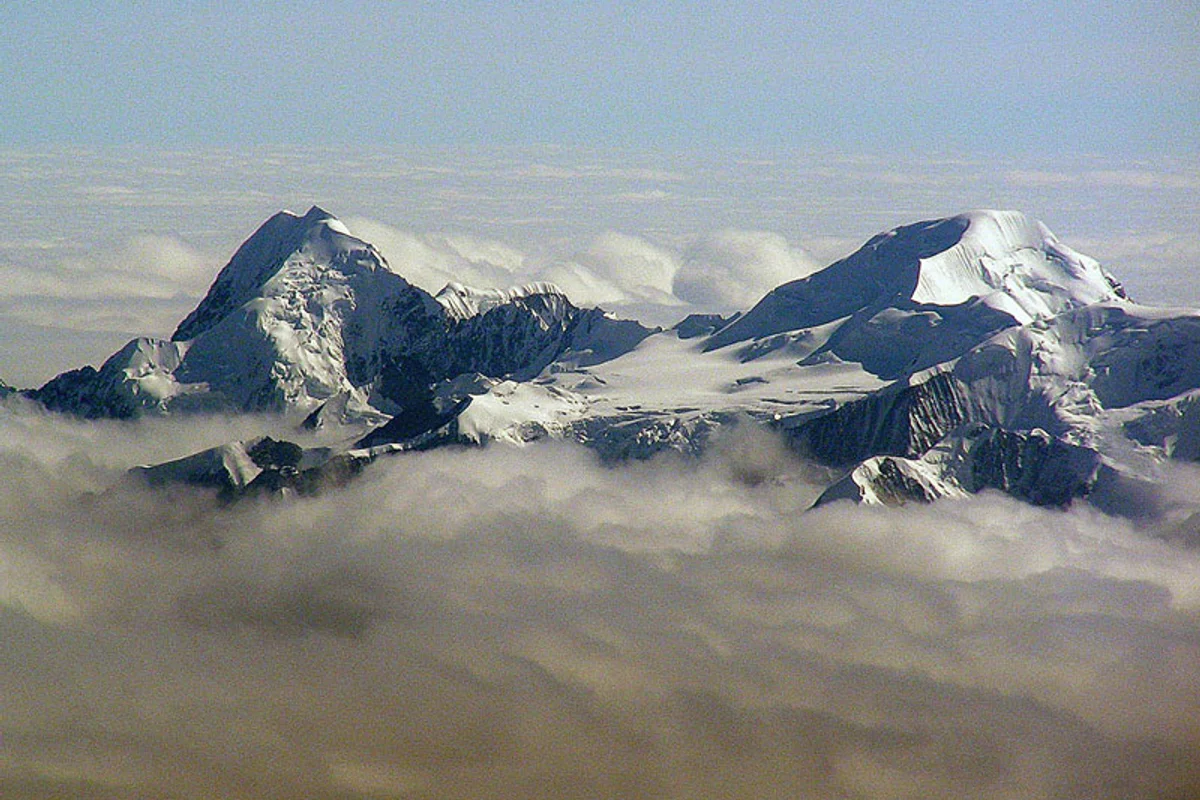
Cerro Colorado
Cerro Colorado is a striking 6,056-meter volcano characterized by vibrant reddish dacitic slopes and ancient lava fields along the Chile-Argentina frontier. Located south of Paso de San Francisco and northwest of Ojos del Salado, Colorado features sweeping scree ramps and high-altitude desert solitude.
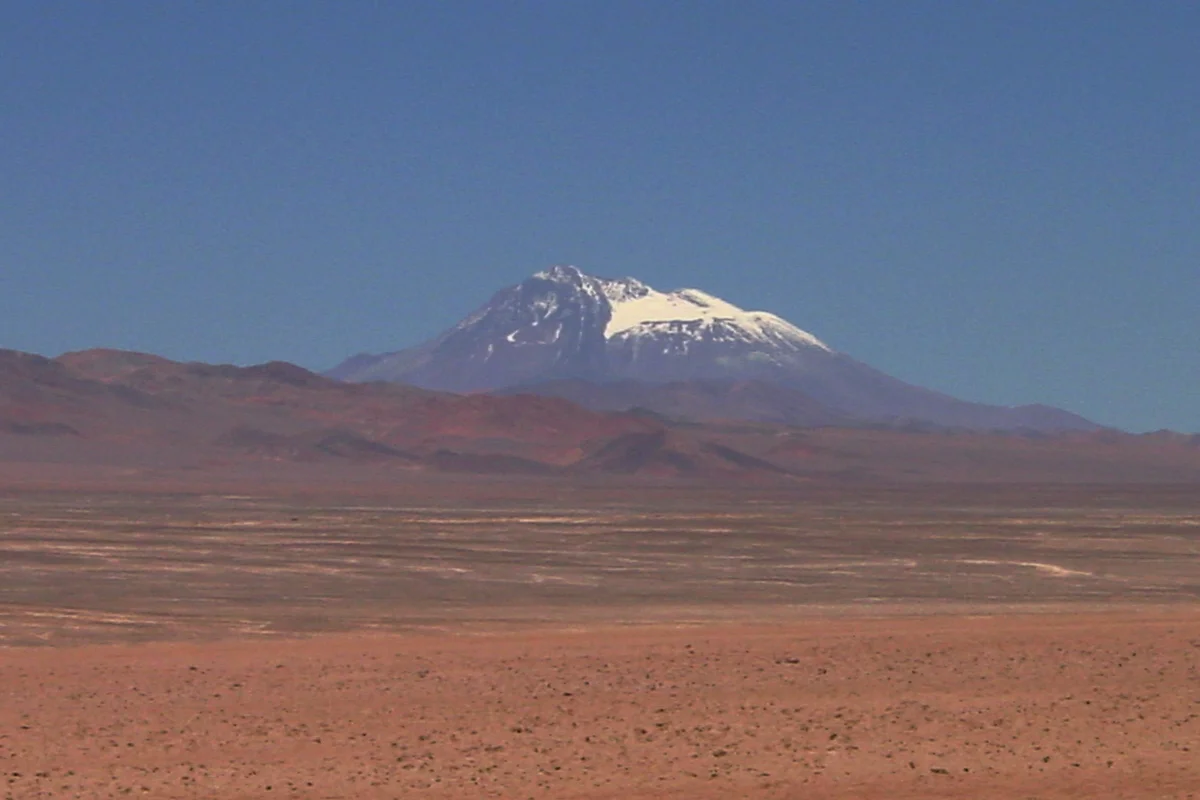
Volcán Socompa
Volcán Socompa is a 6,051-meter stratovolcano straddling the international boundary between Argentina and Chile. Famous in volcanology for its catastrophic prehistoric debris avalanche that blanketed 500 square kilometers of the desert, Socompa is also renowned for the highest known cold-adapted microbial colonies on Earth.
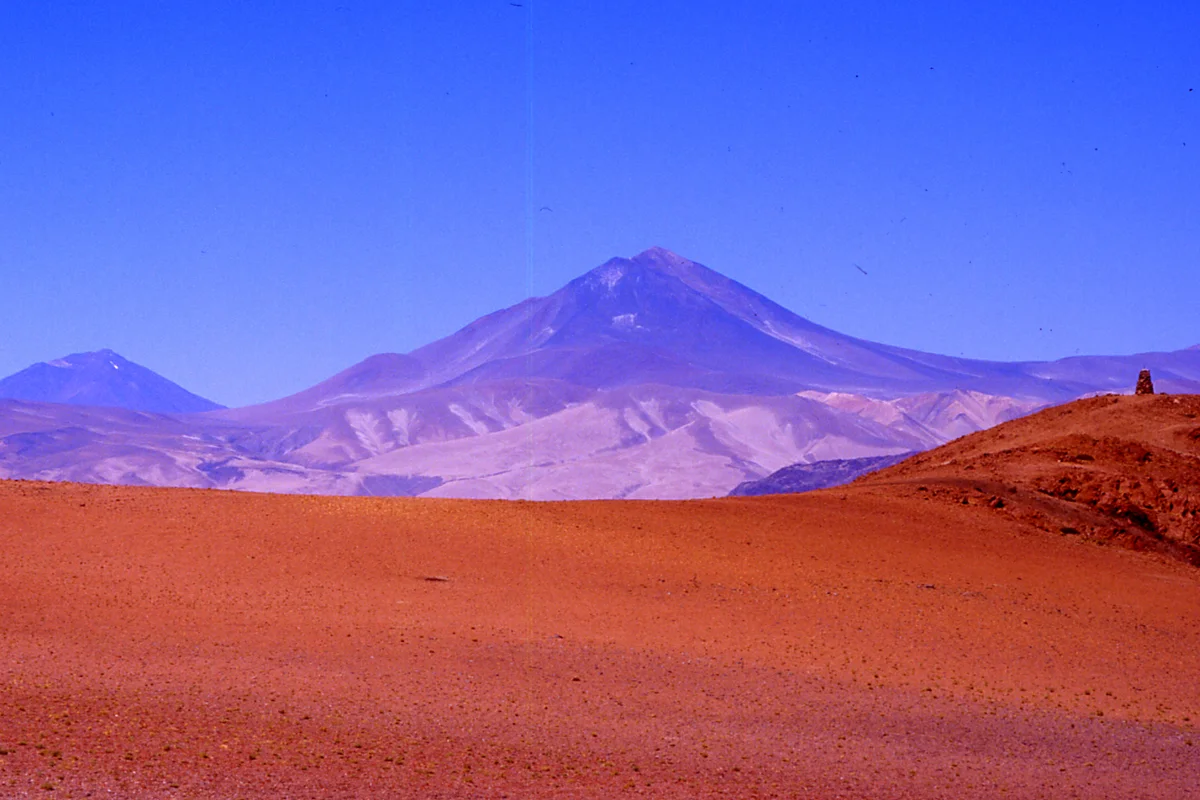
Volcán Salín
Volcán Salín is an isolated 6,029-meter volcano rising on the international border between Argentina and Chile, south of Socompa. Overlooking the Salar de Arizaro to the east and the Salar de Pajonales to the west, Salín is an austere, wind-scoured sentinel in one of the driest sectors of the Atacama.
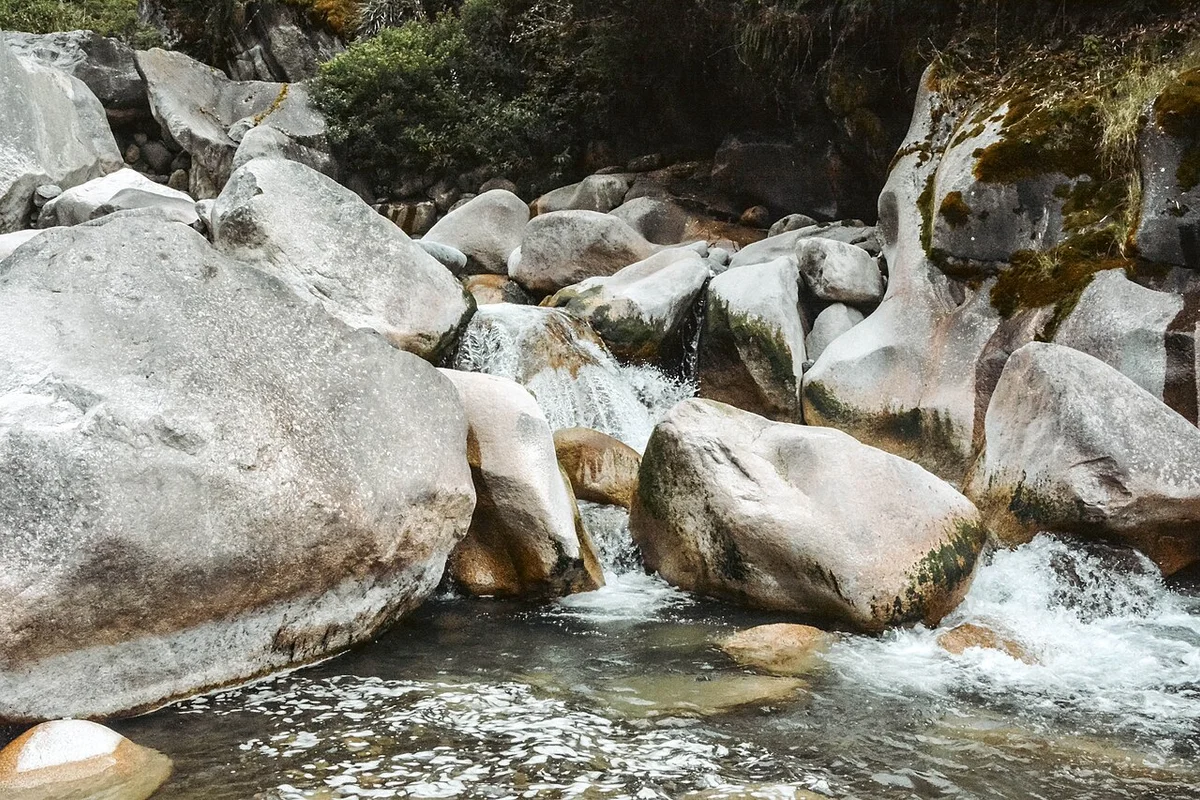
Nevado San Francisco
Nevado San Francisco, rising to 6,018 meters on the Argentina-Chile border, towers directly above the international San Francisco Pass (4,726 m). Featuring sweeping scree slopes and an accessible northern ridge, San Francisco is one of the most accessible 6,000-meter ascents in the Andes.
Documented Sources & Archival Citations
- Reference OverviewThe High Andes: A Guide for Climbers(John Biggar / Andes Publishing)
- Primary Alpine JournalSouth American Mountain Directory(Evelio Echevarría / American Alpine Club)
Share Exploration
Global Mountain Intelligence
✓ Link copied to clipboard!