Australian Alps
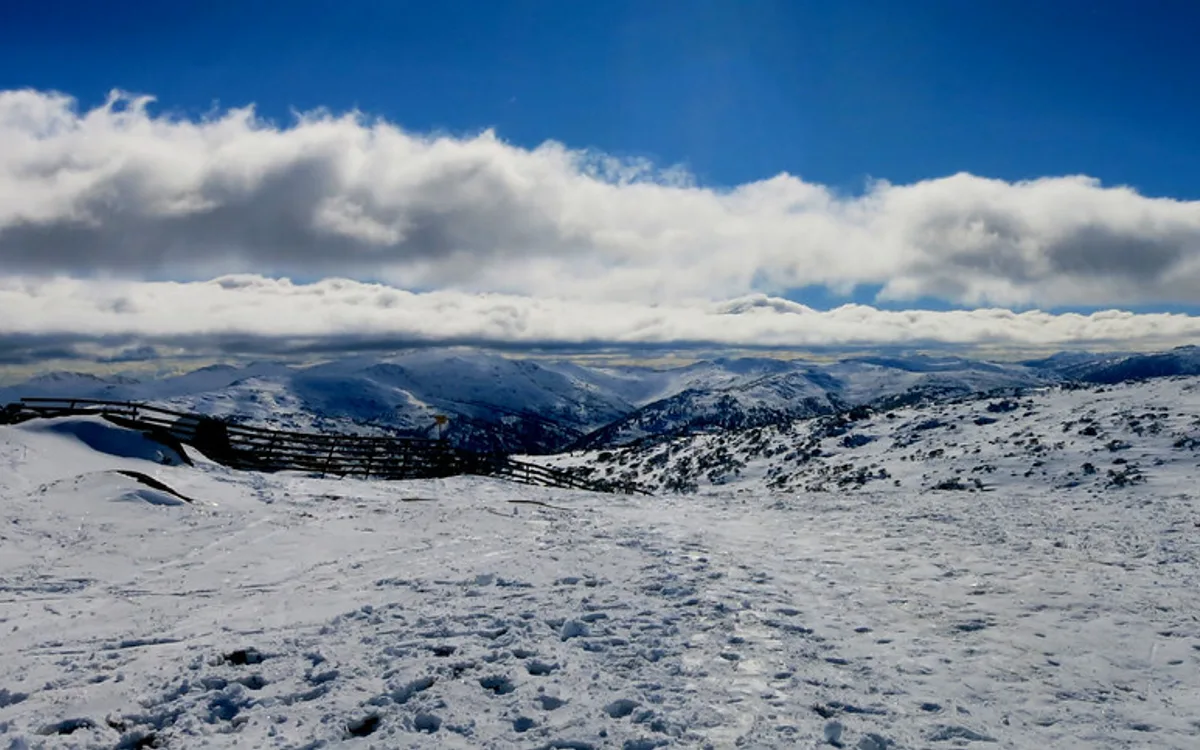
The highest segment of Australia’s Great Dividing Range, comprising uplifted Paleozoic granitic plateaus across New South Wales’ Snowy Mountains and Victoria’s Bogong High Plains, topped by Mount Kosciuszko (2,228 m).
Oceania’s mountaineering terrain encompasses stark contrasts, from the ancient equatorial limestone towers of the Sudirman Range in New Guinea to the heavily glaciated tectonic crest of New Zealand’s Southern Alps. Carstensz Pyramid (Puncak Jaya) stands as the highest continental peak, rising above equatorial rainforests with remnants of rare tropical glaciers.
Primary geological cordilleras, tectonic belts, and regional massifs across Oceania.

The highest segment of Australia’s Great Dividing Range, comprising uplifted Paleozoic granitic plateaus across New South Wales’ Snowy Mountains and Victoria’s Bogong High Plains, topped by Mount Kosciuszko (2,228 m).

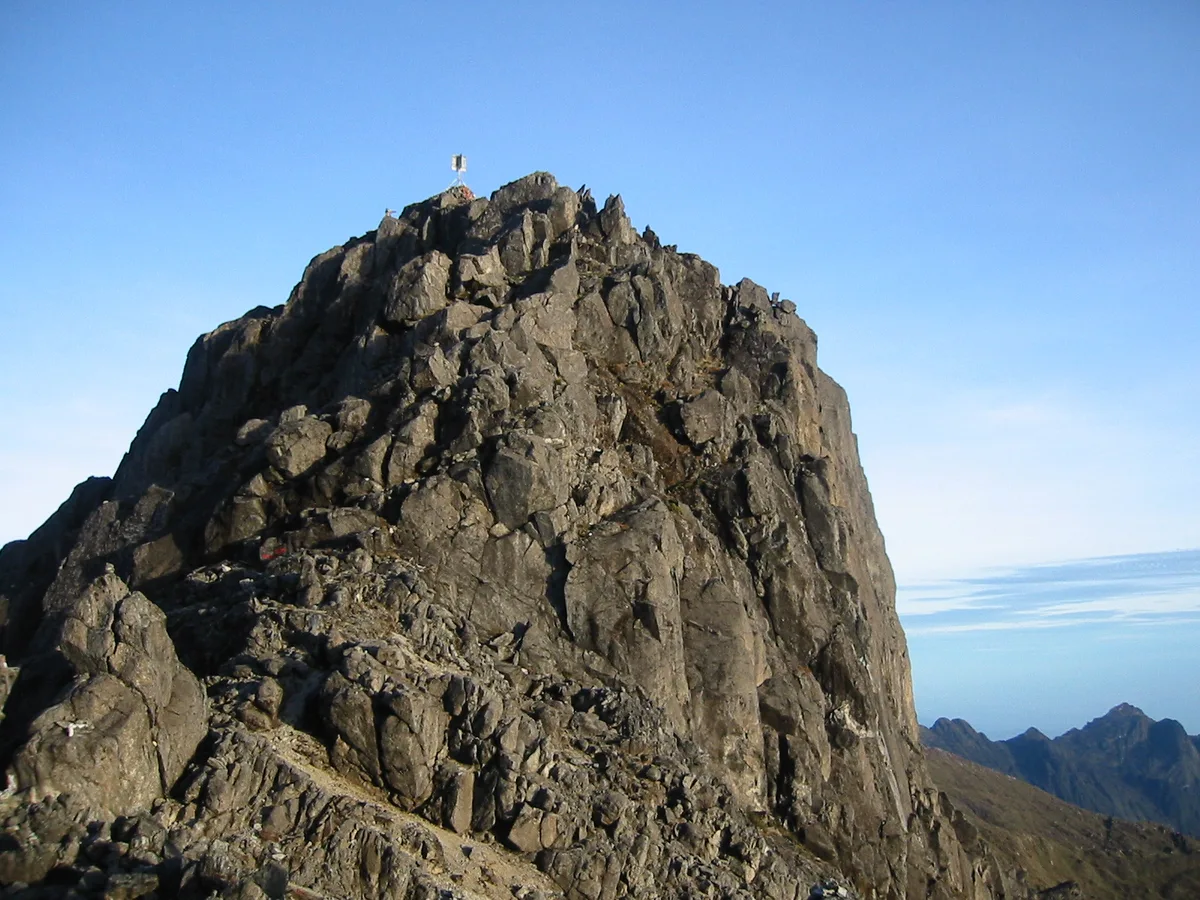
A high, rugged mountain range within the New Guinea Highlands of Papua New Guinea, formed by complex oblique arc-continent collision and culminating at Mount Wilhelm (4,509 m), featuring dramatic glacial cirques and equatorial paramo.

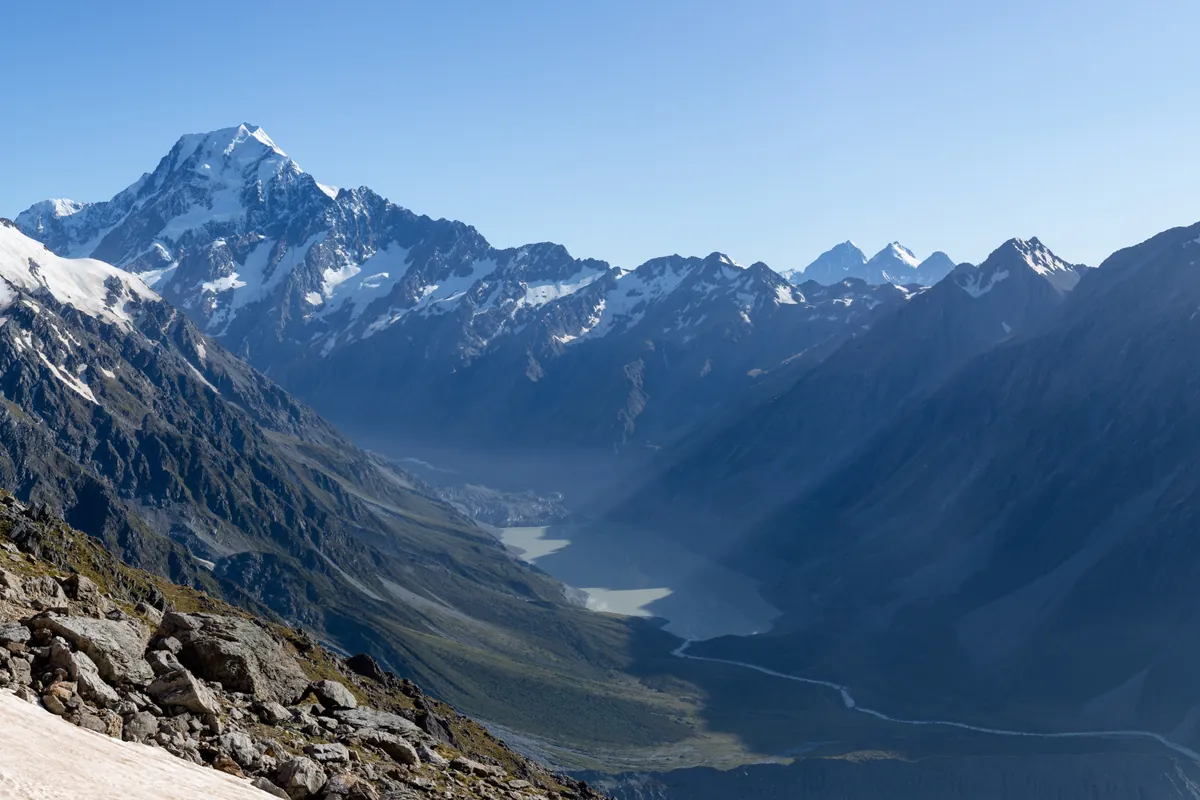
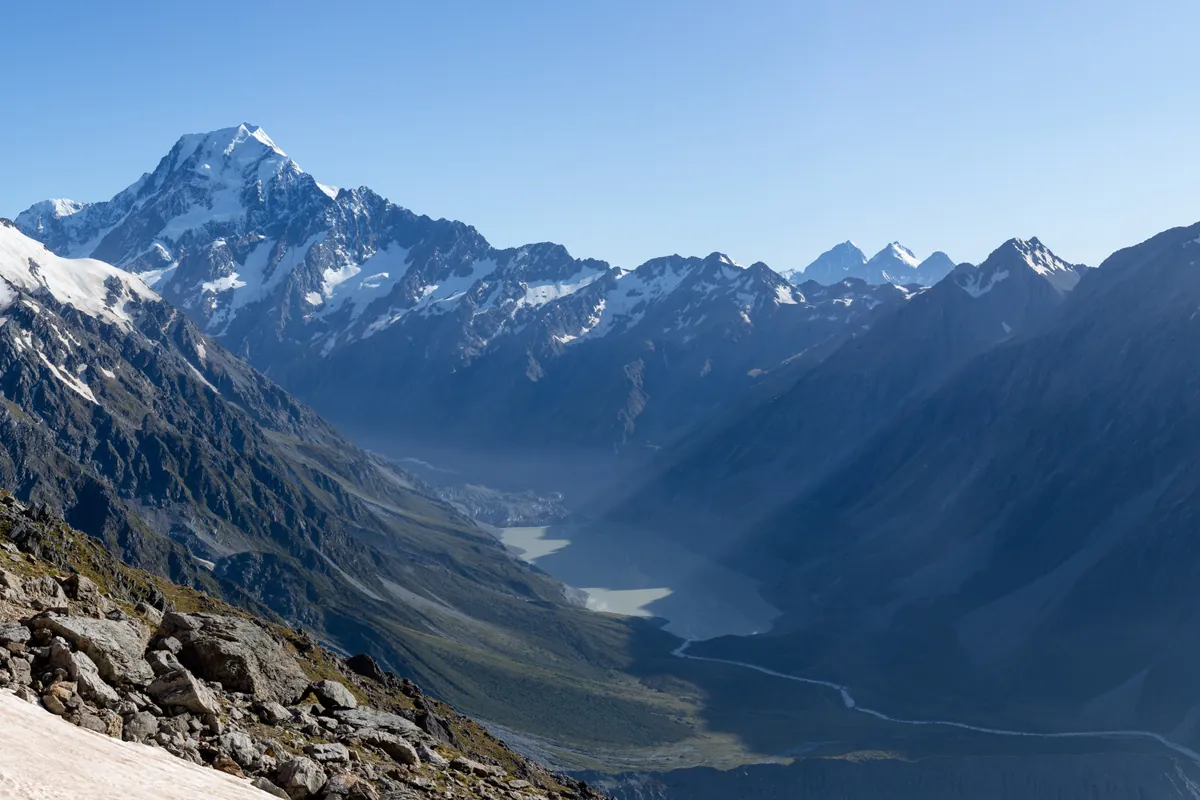
The Southern Alps (Kā Tiritiri o te Moana) form the dramatic glaciated spine of New Zealand's South Island. Rising steeply from the Tasman Sea, the range features deep temperate rainforests yielding to vast névés, active hanging glaciers, and shattered greywacke arêtes crowned by Aoraki / Mount Cook.

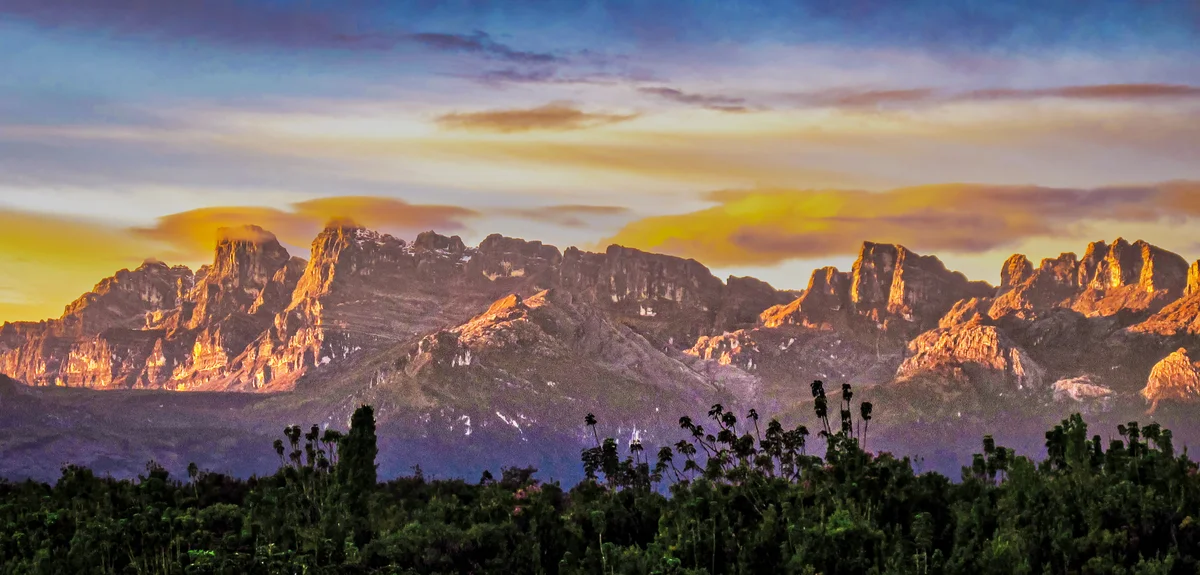
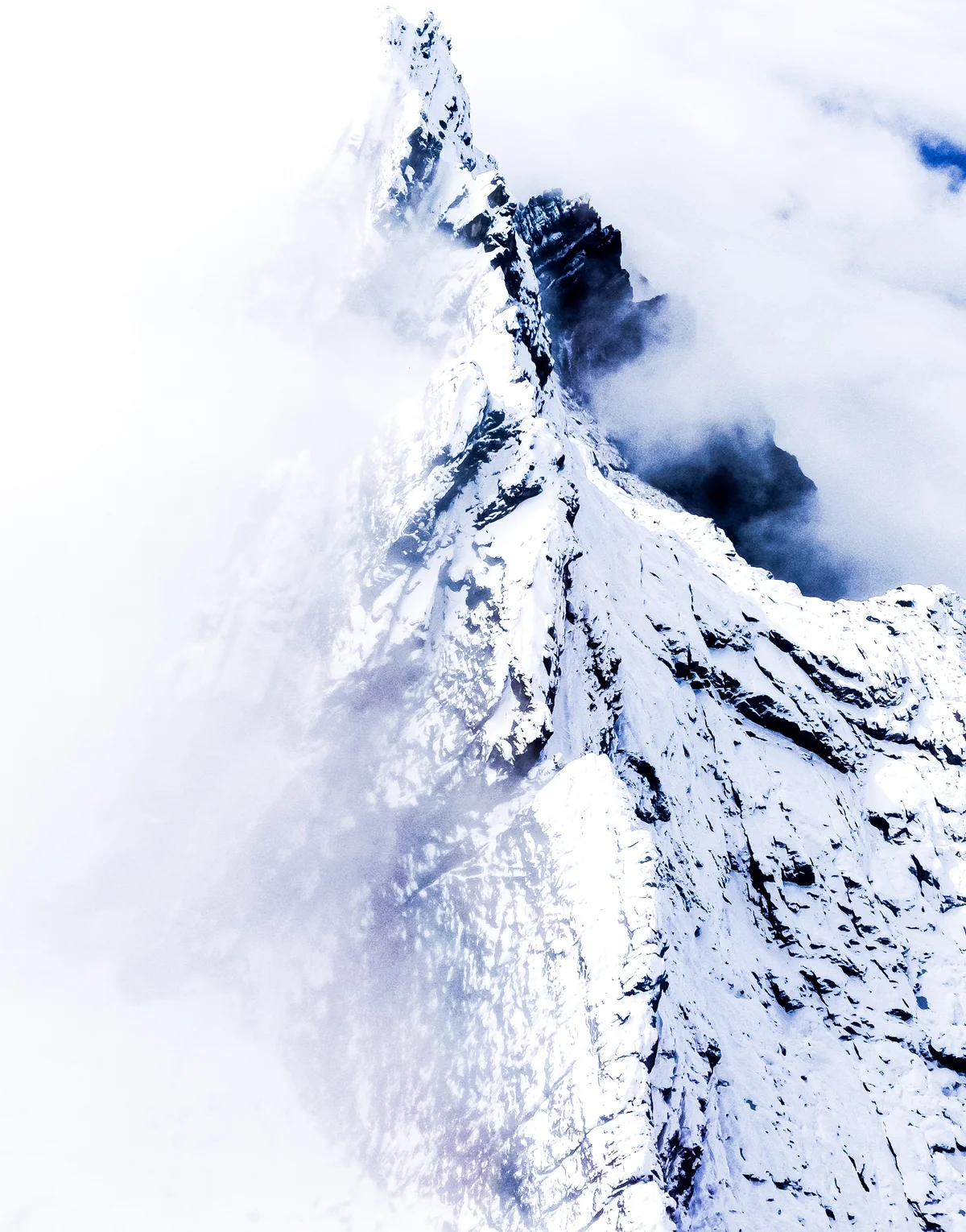
The Sudirman Range (Barisan Sudirman / Snow Mountains) forms the western portion of the Maoke Mountains in the central highlands of Central Papua, Indonesia. Rising dramatically from equatorial tropical rainforests to soaring limestone massifs crowned by equatorial glaciers, it is home to Carstensz Pyramid (Puncak Jaya, 4,884 m), the highest island mountain on Earth and the summit peak of Oceania.
Country-level mountain discovery, regional summit registries, and technical routes.
Showing high-altitude summits sorted by elevation with verified ascent records.
Carstensz Pyramid (Puncak Jaya / Nemangkawi) is the highest mountain in Indonesia, the highest island peak on Earth, and the highest summit in Oceania at 4,884 metres (16,024 ft). As one of the Seven Summits, it presents the unique challenge of technical limestone rock climbing above dense equatorial cloud forests and vanishing tropical glaciers. First climbed on February 13, 1962, by an expedition led by Austrian mountaineer Heinrich Harrer alongside Philip Temple, Russell Kippax, and Albertus Huizenga, Carstensz Pyramid requires ascending vertical limestone slabs and crossing a famous Tyrolean traverse across a sheer 15-metre chasm high on the summit ridge.
Mount Wilhelm is the highest mountain in Papua New Guinea and the apex summit of the Bismarck Range. Featuring dramatic Pleistocene glacial cirques, alpine tarns (Lake Piunde and Lake Pinde), and unique equatorial afro-alpine grasslands, it forms one of the Seven Second Summits.
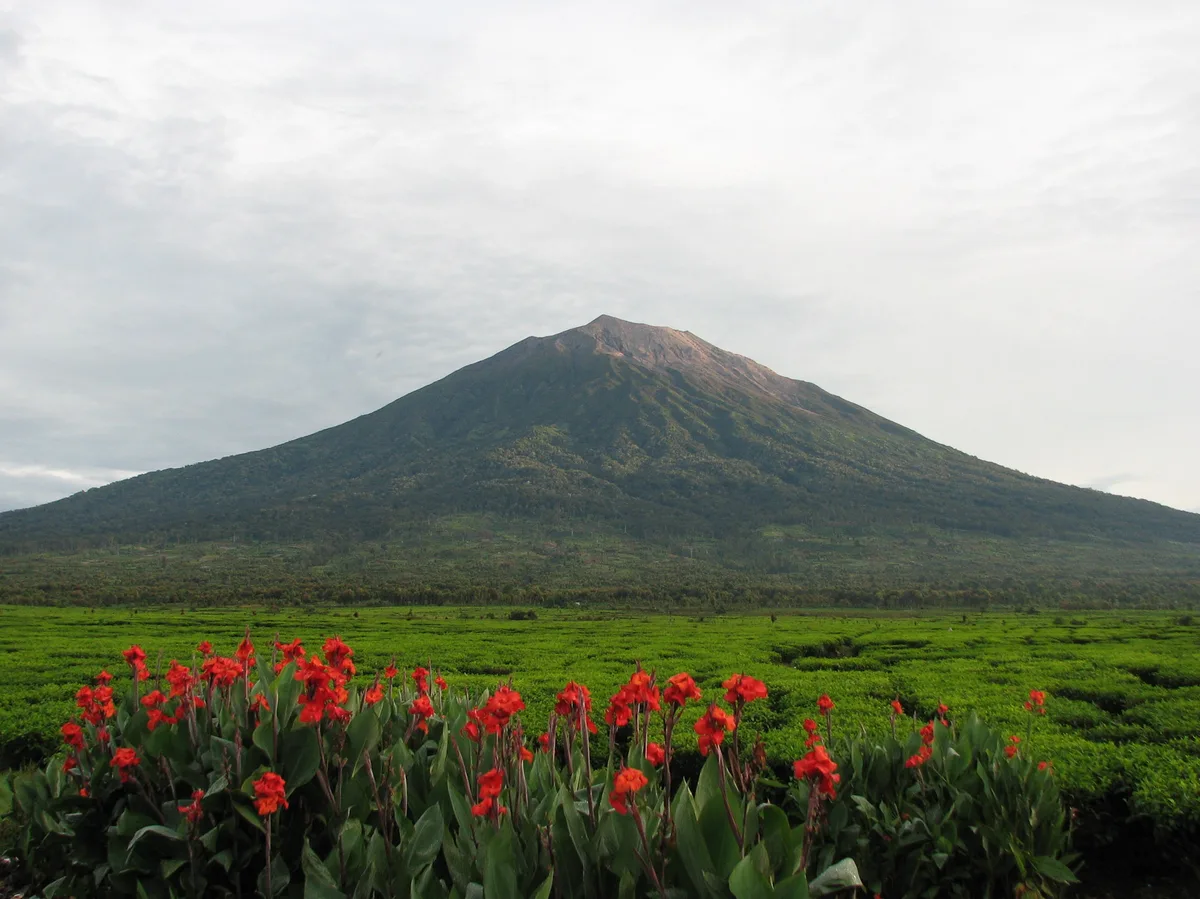
Gunung Kerinci is the highest volcano in Indonesia and the highest peak on the island of Sumatra. Situated within Kerinci Seblat National Park in the Bukit Barisan range, this active andesitic stratovolcano features an active 600m-deep crater lake and is the habitat of the critically endangered Sumatran tiger.
Aoraki / Mount Cook is the highest mountain in New Zealand at 3,724 meters (12,218 ft). Located in the Southern Alps, it is an ultra-prominent glaciated peak rising dramatically above the Tasman Glacier. It is sacred in Māori mythology as the ancestor Aoraki. The mountain is renowned as the formative training ground where Sir Edmund Hillary developed his high-altitude icecraft. On January 30, 1948, Hillary completed the historic first ascent of the technical South Ridge alongside Harry Ayres. Climbing Aoraki requires expert crampon technique, glacier navigation, and vigilance against severe maritime storms.
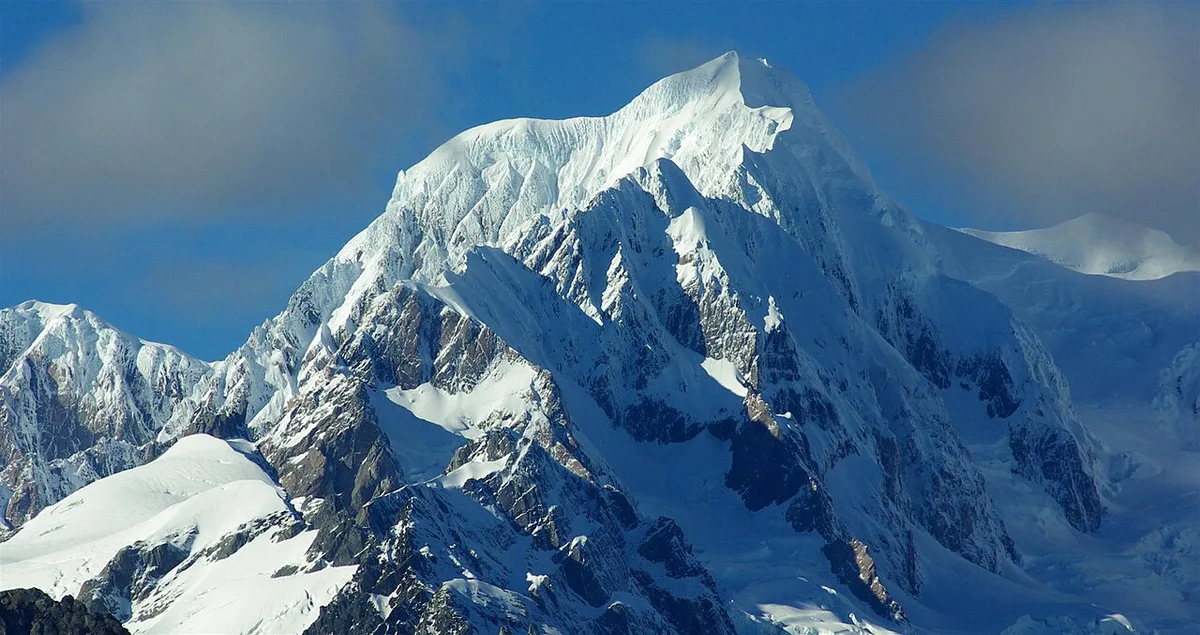
Mount Tasman is the second-highest mountain in New Zealand, rising to 3,497 meters along the Main Divide of the Southern Alps just north of Aoraki / Mount Cook. Famous for its razor-sharp, snow-feathered North and South ridges, it is widely considered the finest pure alpine climb in New Zealand.
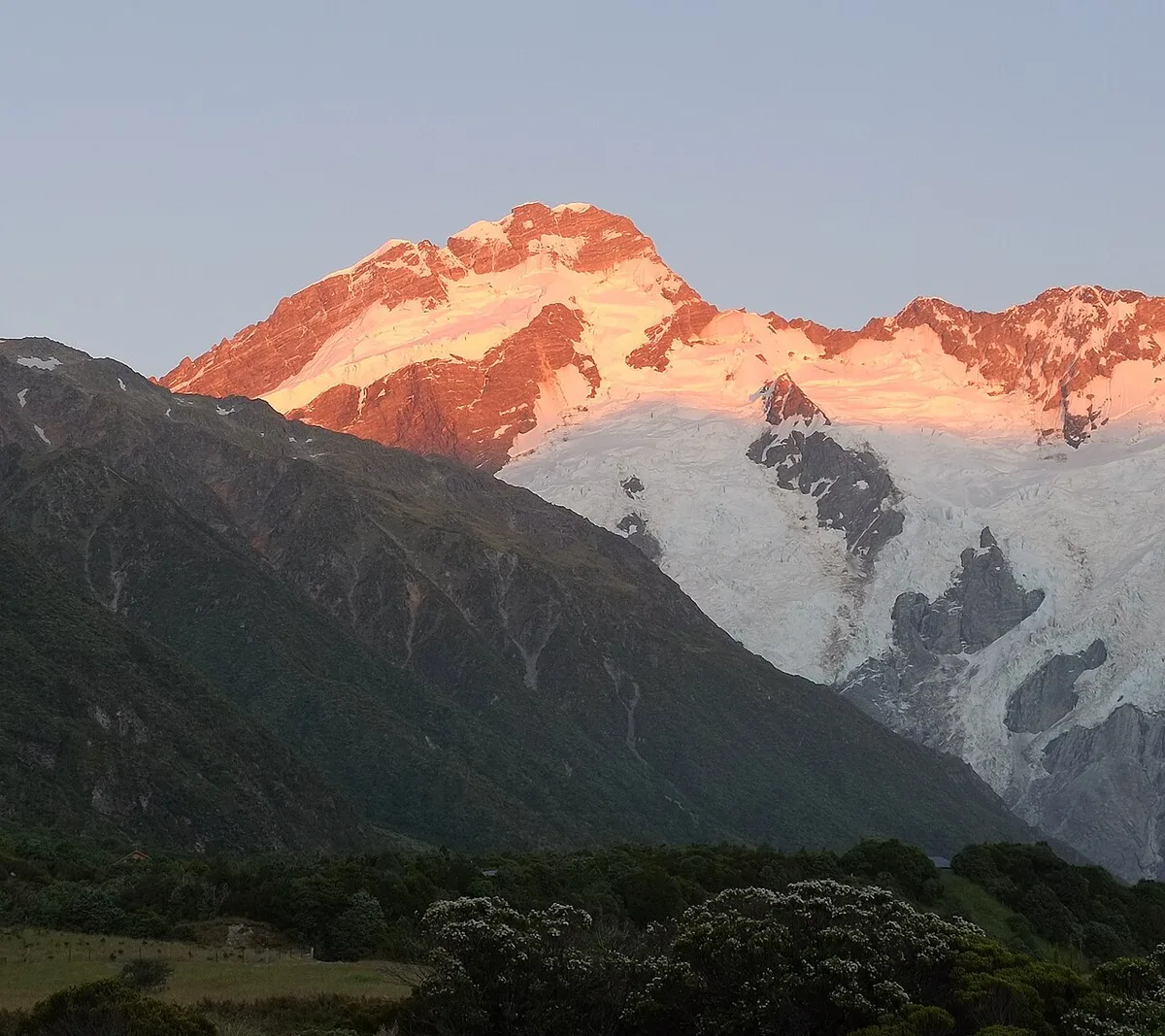
Mount Sefton is an imposing glaciated bastion rising 2,400 meters directly above the Hermitage at Mount Cook Village in the Southern Alps. Known as the "Scourge of the Southern Alps" due to violent hanging serac avalanches dropping into the Mueller Glacier, its North Arête is a celebrated classic.
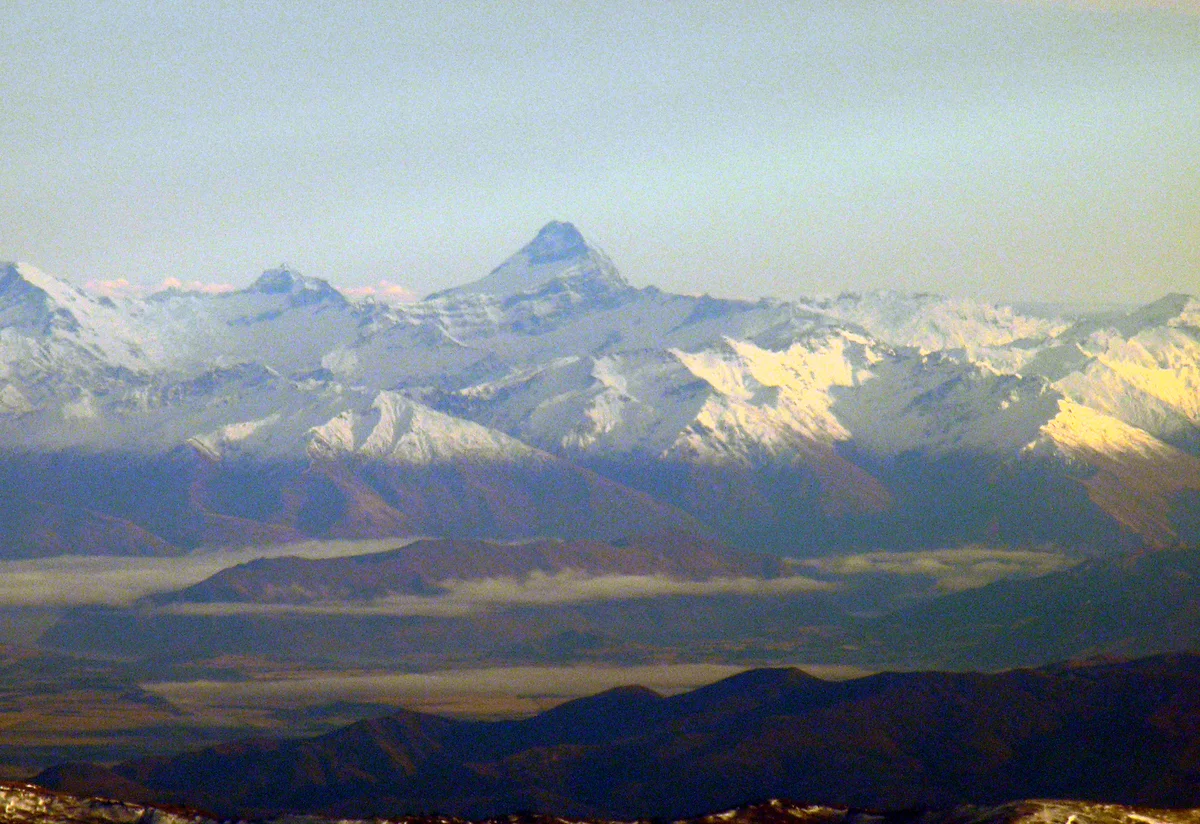
Mount Aspiring / Tititea is a majestic glaciated horn rising to 3,033 metres (9,951 ft) in Mount Aspiring National Park in the Southern Alps of New Zealand. Often celebrated as the 'Matterhorn of the South' due to its sharp pyramidal geometry and towering ice-plastered rock facets, it is sacred to southern Māori as Tititea ('steep peak of glistening white'). First ascended on November 23, 1909, by Bernard Head accompanied by legendary guides Jack Clarke and Alec Graham via the Southwest Ridge, it stands as one of the premier classic alpine ascents in Australasia.
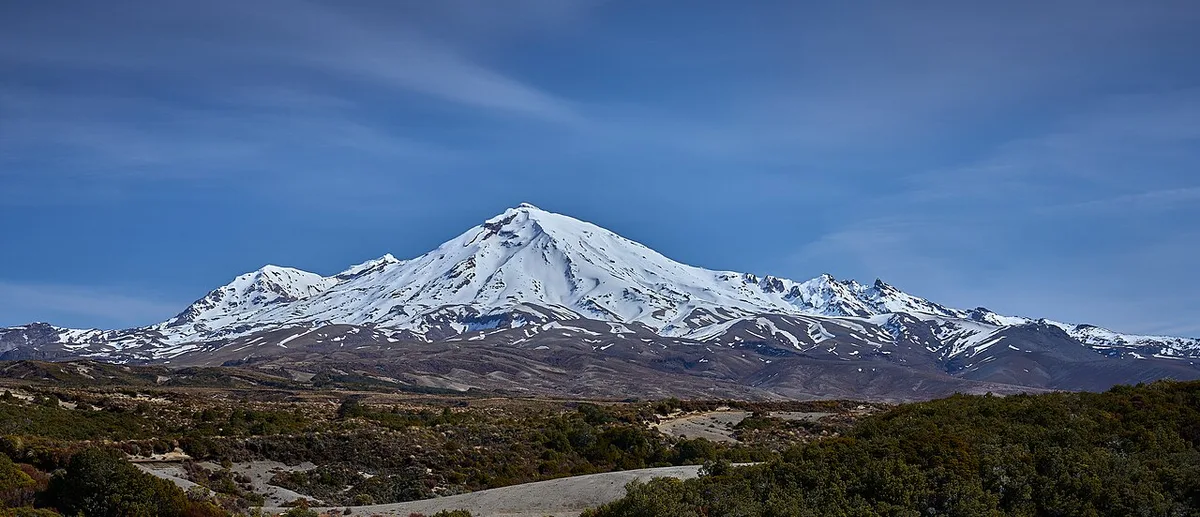
Mount Ruapehu is the highest mountain in New Zealand’s North Island and the largest active stratovolcano in the country, rising to 2,797 meters at Tahurangi Peak. Anchoring Tongariro National Park, it features glaciers, commercial ski fields, and an active geothermal crater lake.
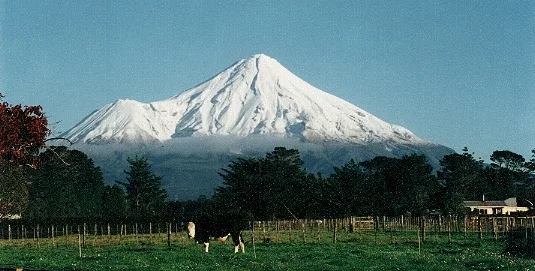
Mount Taranaki (Mount Egmont) is an ultra-prominent, near-perfectly symmetrical stratovolcano rising isolated to 2,518 meters on the western coast of New Zealand’s North Island. Revered as an ancestor by local Māori iwi and granted legal personhood, its coastal position attracts sudden, violent maritime storms.
Crowning the Snowy Mountains of southeastern New South Wales at 2,228 meters (7,310 ft), Mount Kosciuszko is mainland Australia's highest peak and the traditional Bass-list representative of the Seven Summits. Named by Polish explorer Paweł Strzelecki on March 12, 1840 in honor of Tadeusz Kościuszko, the massif preserves rare Pleistocene glacial cirque lakes—including Blue Lake and Club Lake—set into Paleozoic granite uplands.
Mount Townsend is the second-highest mountain in mainland Australia, rising to 2,209 meters in the Snowy Mountains of New South Wales. Possessing a sharper, more dramatic craggy profile than neighboring Mount Kosciuszko, it was originally named Kosciuszko by Strzelecki before the names were swapped to preserve the highpoint title.
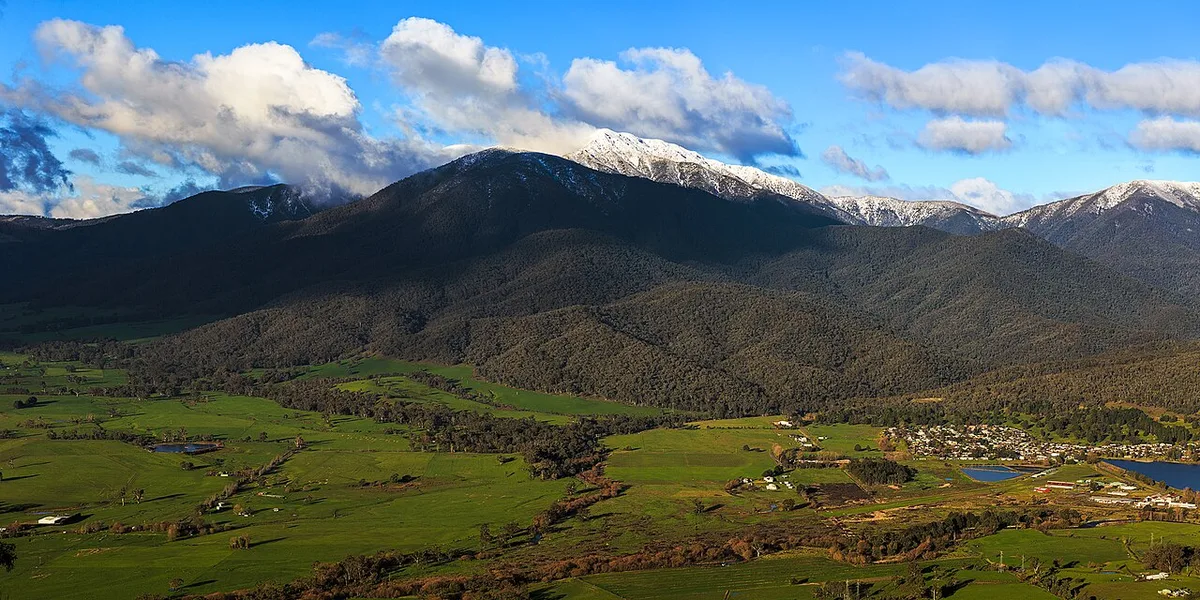
Mount Bogong is the highest mountain in Victoria, Australia, rising to 1,986 meters above sea level. Perched on a vast sub-alpine plateau bounded by the Staircase Spur, it rises over 1,400 meters above the Kiewa Valley and features severe winter weather conditions.
Search and filter the complete archive of 13 summits with elevations, GPS coordinates, routes, and first ascent histories in the interactive directory.
Share Exploration
Global Mountain Intelligence
✓ Link copied to clipboard!