Australian Alps
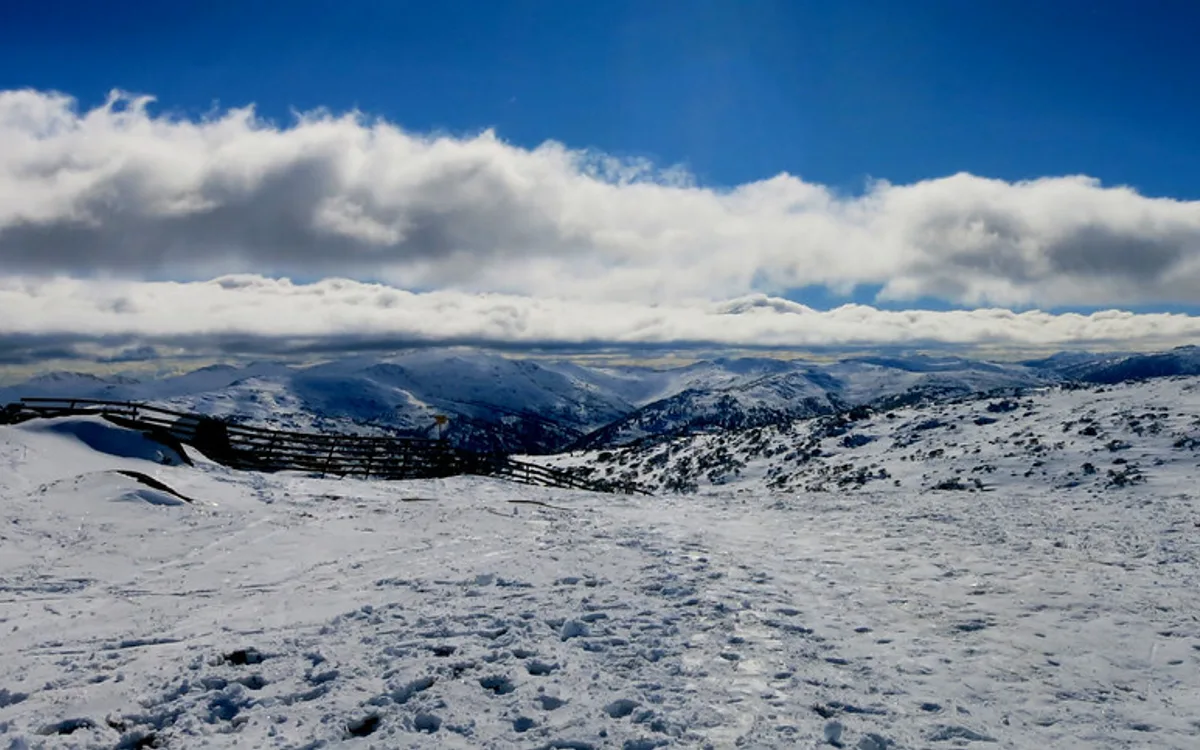
The highest segment of Australia’s Great Dividing Range, comprising uplifted Paleozoic granitic plateaus across New South Wales’ Snowy Mountains and Victoria’s Bogong High Plains, topped by Mount Kosciuszko (2,228 m).
Peer Review: Senior Editorial Board & Historical Reviewers • Editorial Standards
Key Statistics & Topographic Figures
- Archive Classification
- RANGES
Mountainity Knowledge Corpus
- Verification Status
- Editorially Verified
Archival Standards
- Citation Standard
- Primary Source Verified
Alpine Research Desk
Defined Alpine Terminology & Concepts
- Archival Integrity
- The standard of verifying historical mountain facts, summit claims, and altitudes using primary expeditions journals and geodetic measurements.
Frequently Asked Questions: Australian Alps
What historical significance does this range hold?
Australian Alps represents an essential chapter in global mountaineering heritage, verified through contemporary expedition journals and archival sources.
How are the facts and records for Australian Alps verified?
All records are checked against peer-reviewed journals, national alpine clubs, geodetic surveys, and the Mountainity Archival Integrity Policy.
Featured Summits in Australian Alps
Browse Range Summits →
Mount Kosciuszko
Crowning the Snowy Mountains of southeastern New South Wales at 2,228 meters (7,310 ft), Mount Kosciuszko is mainland Australia's highest peak and the traditional Bass-list representative of the Seven Summits. Named by Polish explorer Paweł Strzelecki on March 12, 1840 in honor of Tadeusz Kościuszko, the massif preserves rare Pleistocene glacial cirque lakes—including Blue Lake and Club Lake—set into Paleozoic granite uplands.
Mount Townsend
Mount Townsend is the second-highest mountain in mainland Australia, rising to 2,209 meters in the Snowy Mountains of New South Wales. Possessing a sharper, more dramatic craggy profile than neighboring Mount Kosciuszko, it was originally named Kosciuszko by Strzelecki before the names were swapped to preserve the highpoint title.
Mount Bogong
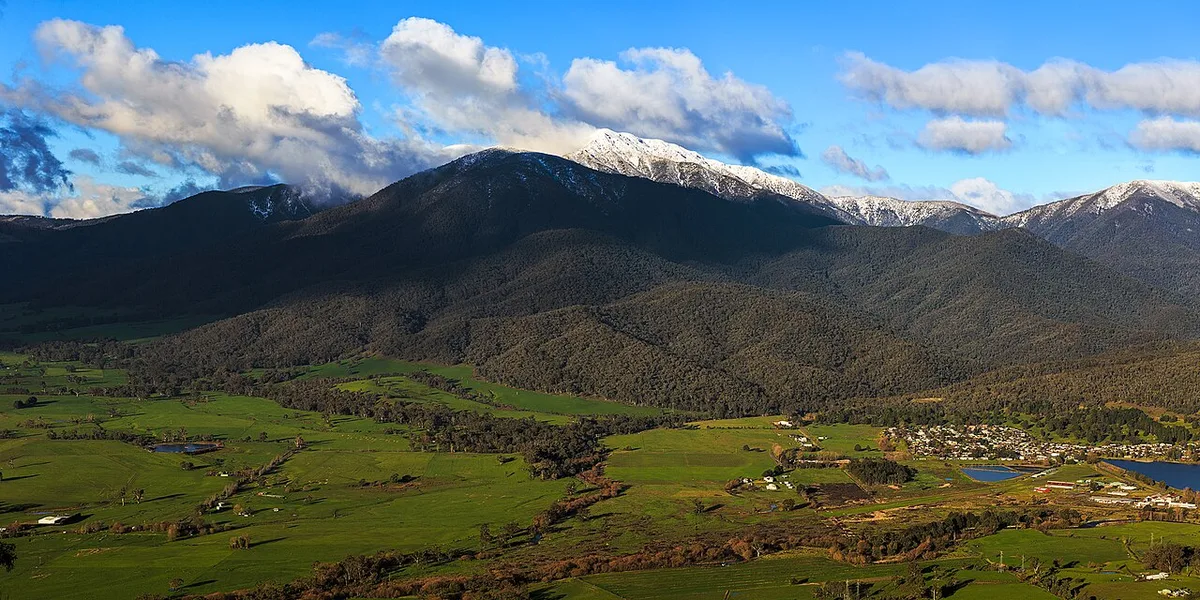
Mount Bogong is the highest mountain in Victoria, Australia, rising to 1,986 meters above sea level. Perched on a vast sub-alpine plateau bounded by the Staircase Spur, it rises over 1,400 meters above the Kiewa Valley and features severe winter weather conditions.
Mount Feathertop
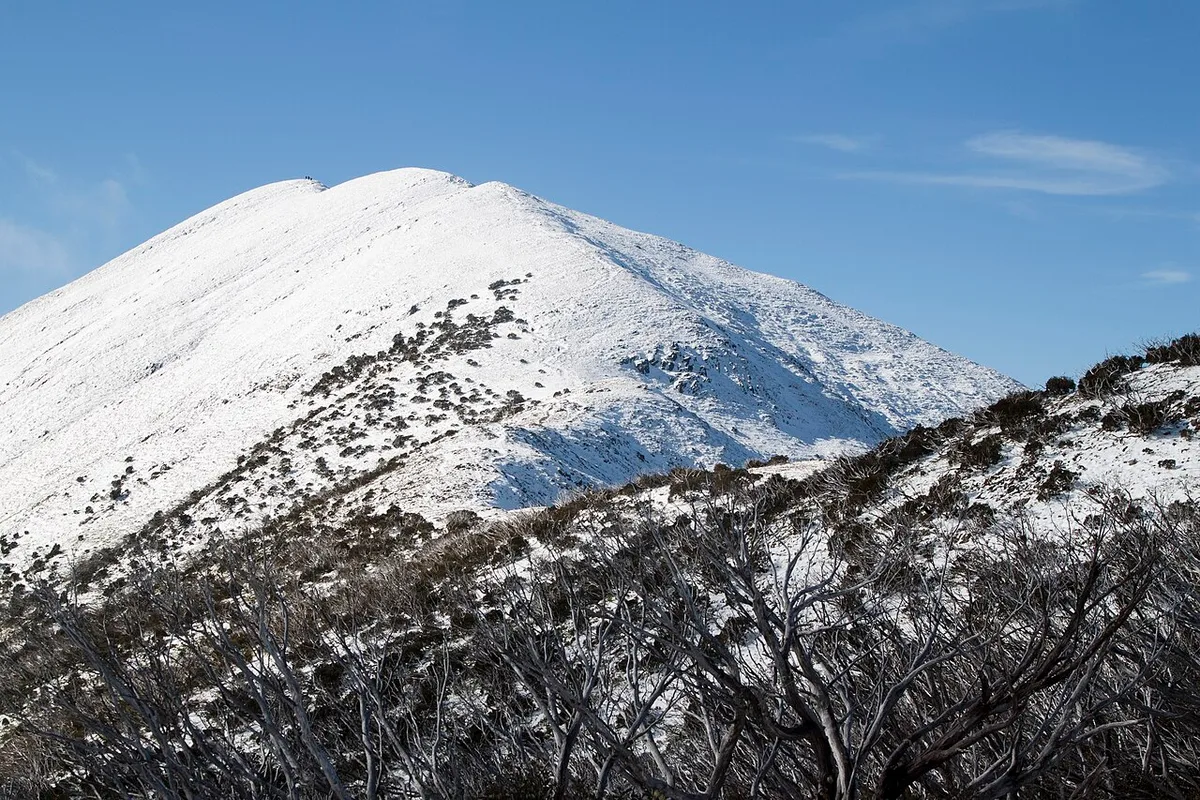
Mount Feathertop is the second-highest mountain in Victoria, Australia, standing at 1,922 meters. Unlike the rounded dome of Mount Bogong, Feathertop is a distinct pyramidal peak with sharp corniced ridges and deep avalanche gullies above Harrietville.
Documented Sources & Archival Citations
Supporting claim: Geographical boundaries, apex elevation, and regional geology of Australian Alps.
Share Exploration
Global Mountain Intelligence
✓ Link copied to clipboard!