European Alps
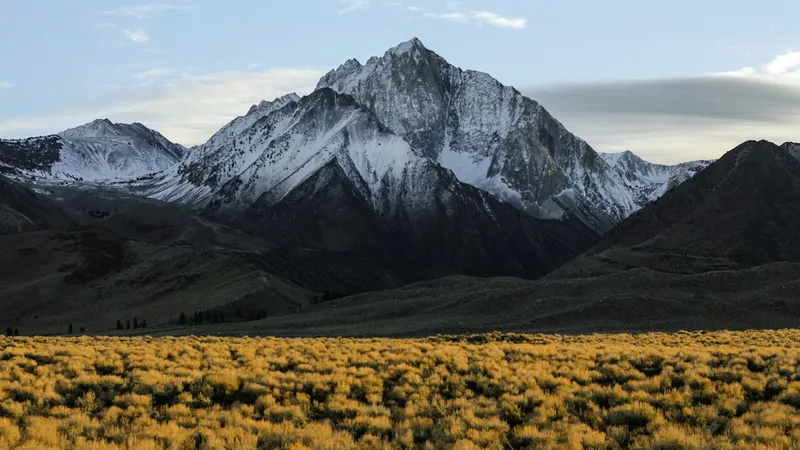
The historic cradle of modern mountaineering, extending in an arc across central Europe. Featuring classic granite massifs, iconic glaciers, and historic summits including Mont Blanc, the Matterhorn, and the Grandes Jorasses.
Europe’s mountain geography is defined by the historic cradle of modern alpinism: the glaciated European Alps and the towering volcanic domes of the Greater Caucasus. Stretching from the Baksan Valley to Mont Blanc, the continent features legendary granite needles, precipitous north faces, and extensive glacier systems that have tested mountaineers for centuries.
Primary geological cordilleras, tectonic belts, and regional massifs across Europe.

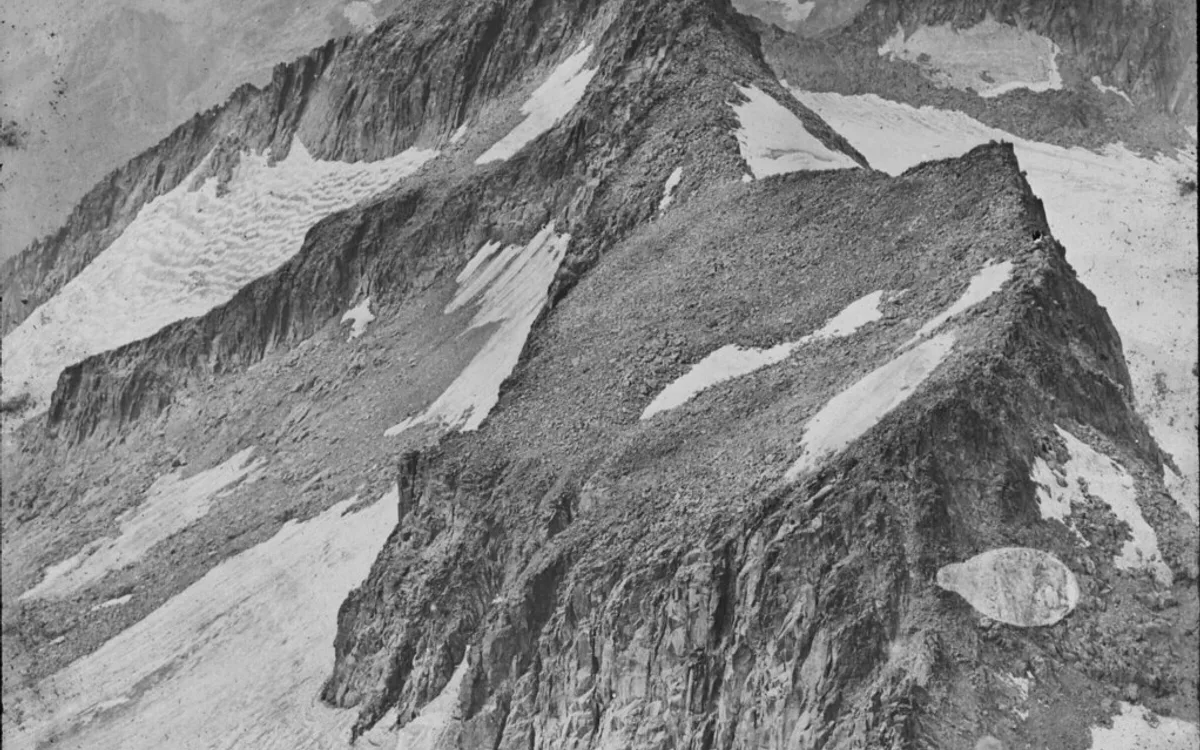
The historic cradle of modern mountaineering, extending in an arc across central Europe. Featuring classic granite massifs, iconic glaciers, and historic summits including Mont Blanc, the Matterhorn, and the Grandes Jorasses.

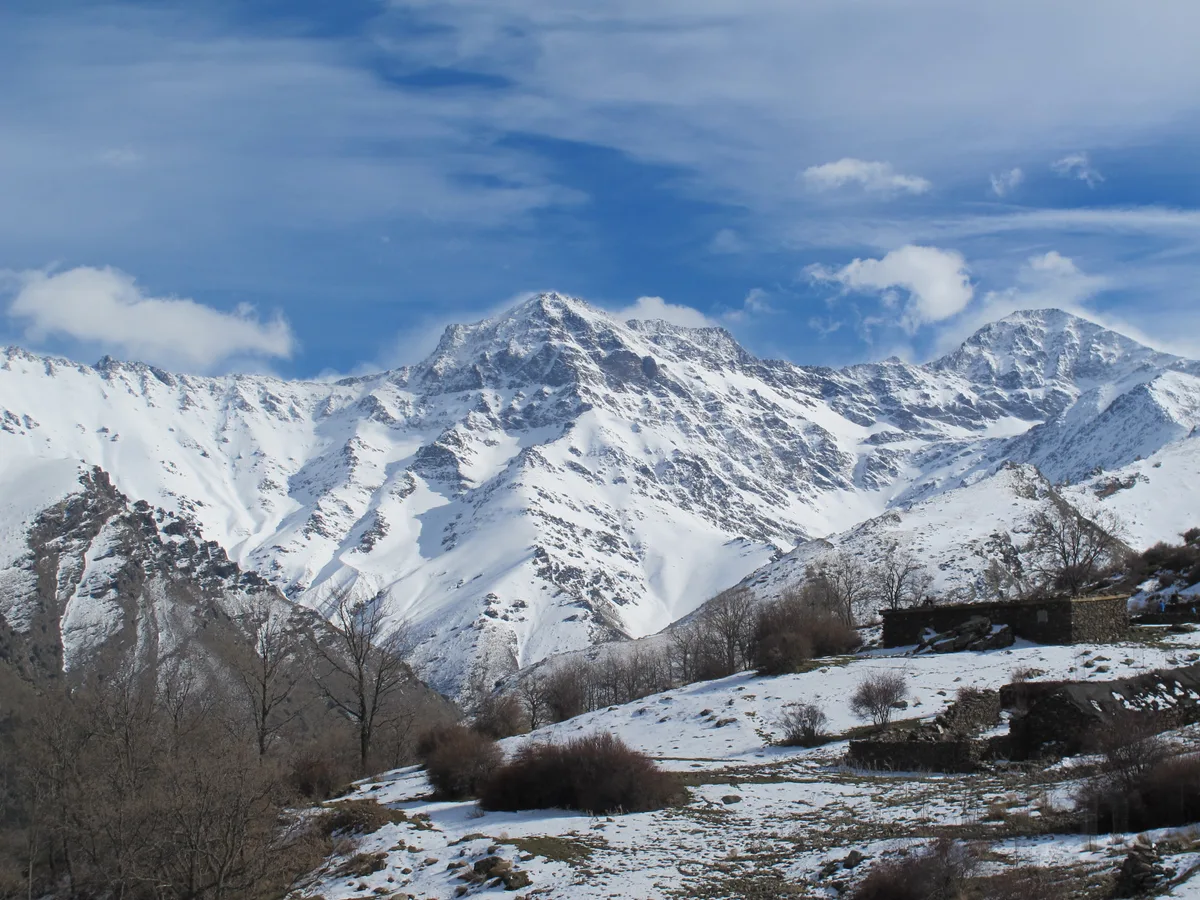
The westernmost arc of the European Alpide belt, running through Andalusia and southeastern Spain, comprising the Sierra Nevada, Subbaetic, and Prebaetic systems, culminating at Mulhacén (3,479 m), the highest peak in the Iberian Peninsula.

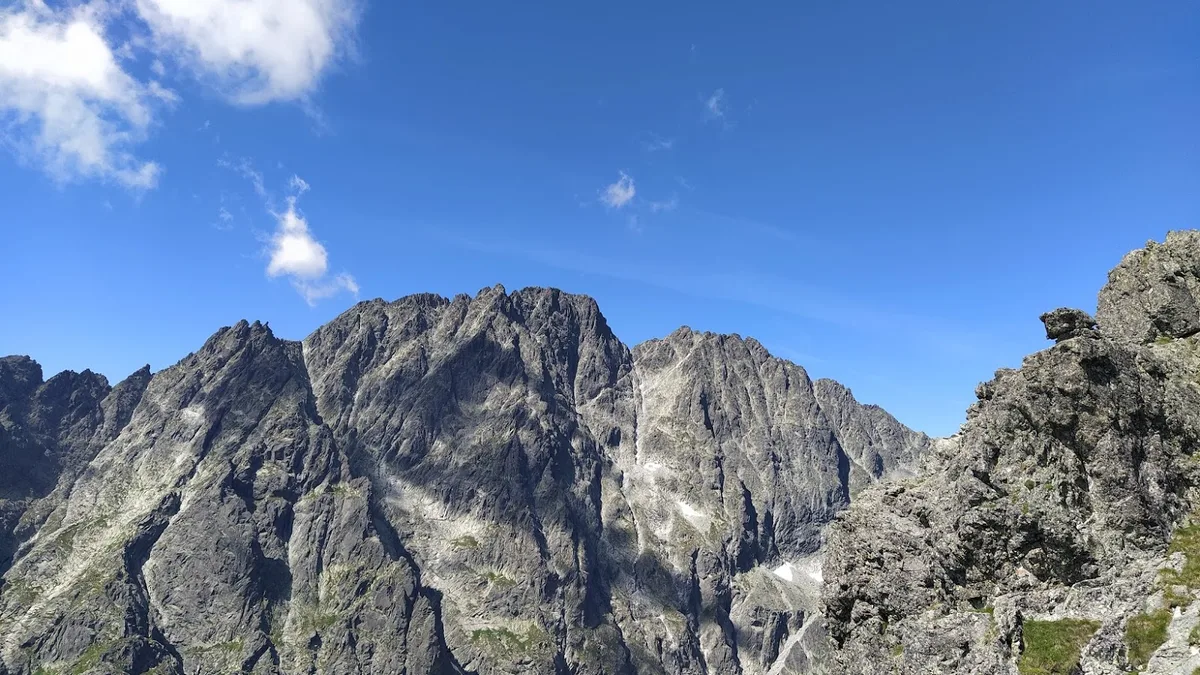
The dramatic arc of the Carpathian Mountains forms a 1,500-kilometre crescent across Central and Eastern Europe. Anchored by the alpine granodiorite crests of the High Tatras, the range features deep glacial couloirs, pristine beech wilderness, and the historic summit of Gerlachovský Štít.
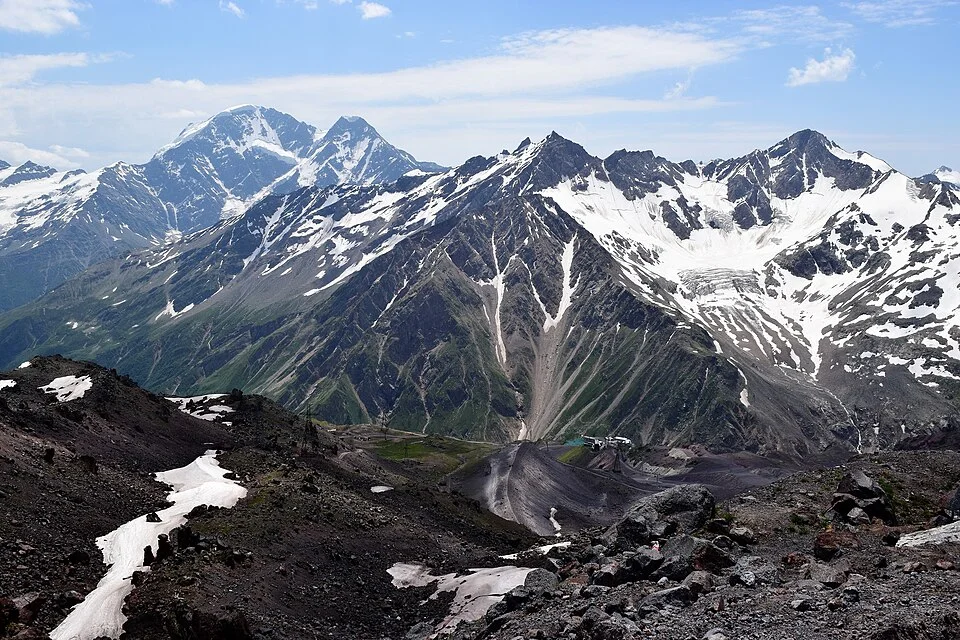
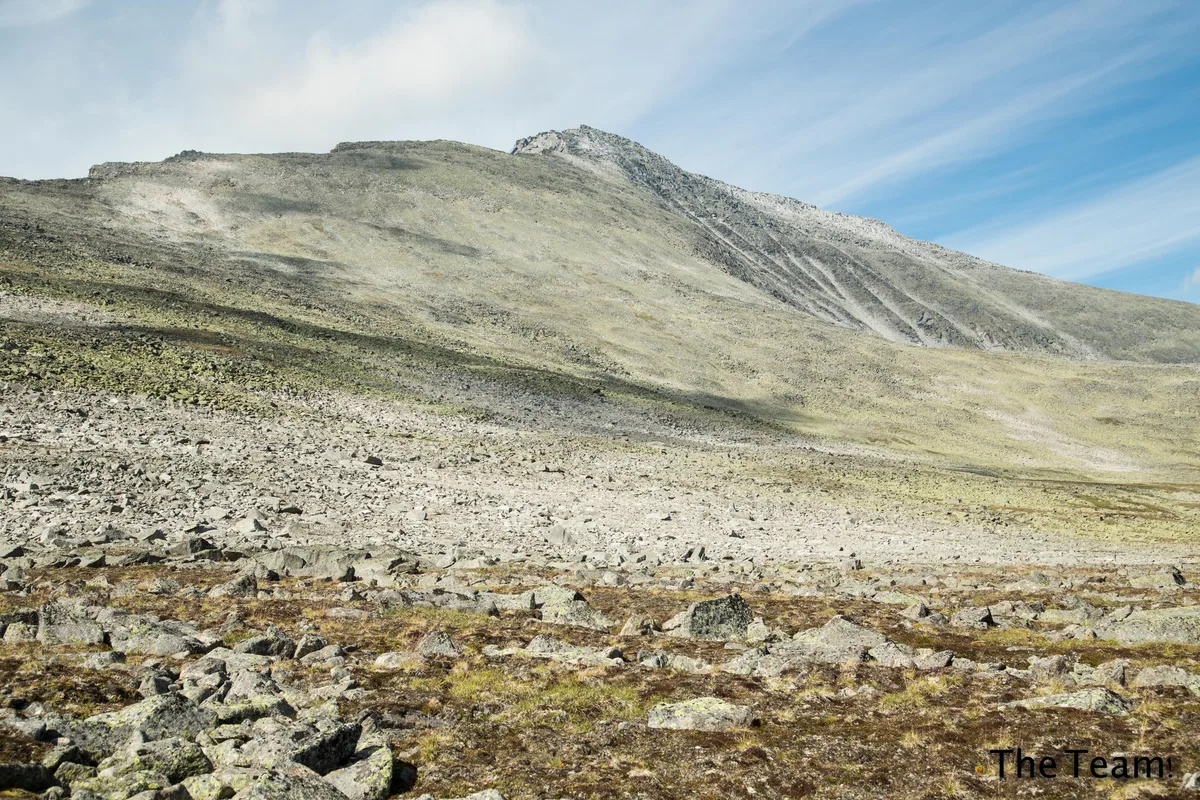
The formidable 1,200-kilometer mountain system bridging Europe and Asia between the Black Sea and the Caspian Sea. Home to Mount Elbrus (5,642 m), the continental high point of Europe, the terrifying twin granite spires of Ushba in Svaneti, and the ancient glaciated stratovolcano of Mount Kazbek.

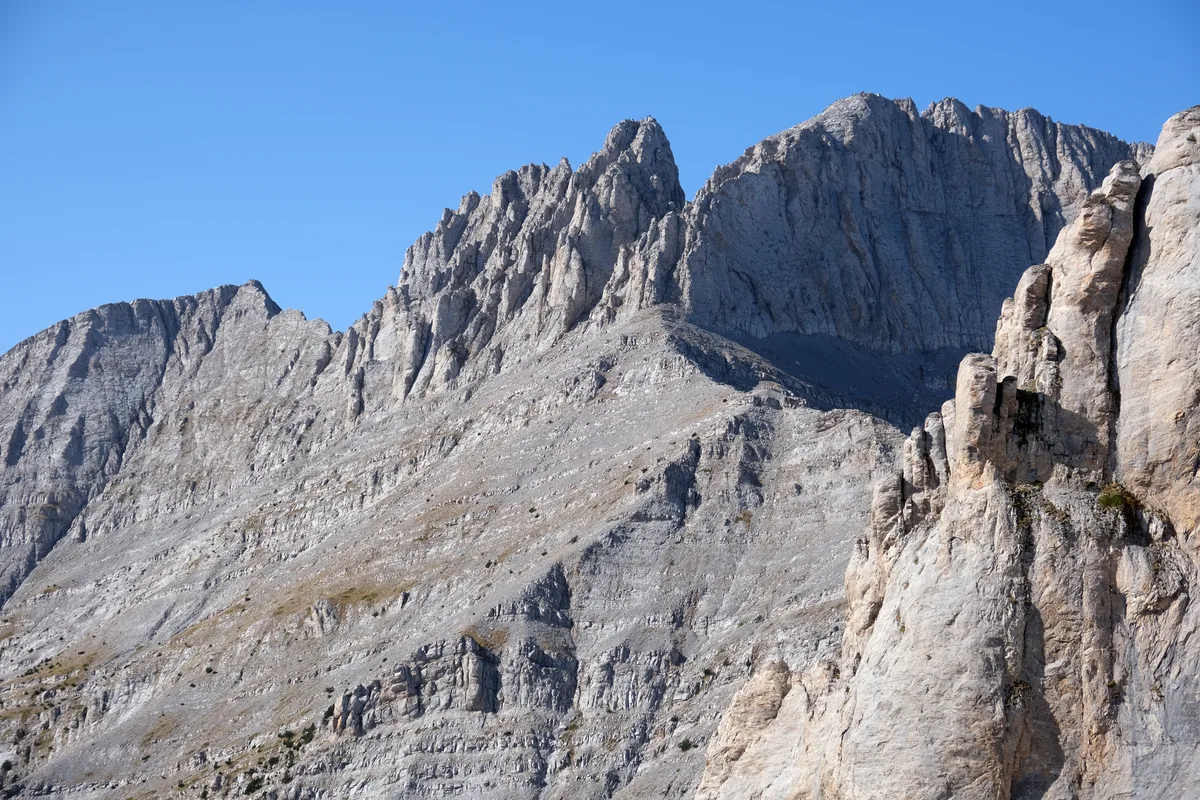
The southern continuation of the Dinaric Alps through Greece, encompassing the rugged limestone spine of the Pindus Range, the Peloponnese Taygetos, and the legendary Olympus Massif topped by Mytikas (2,918 m).

An East-West Alpide collisional chain separating the Iberian Peninsula from France for over 430 km, featuring glaciated granitic batholiths such as the Maladeta massif and Aneto (3,404 m), alongside classic limestone walls at Gavarnie and Ordesa.

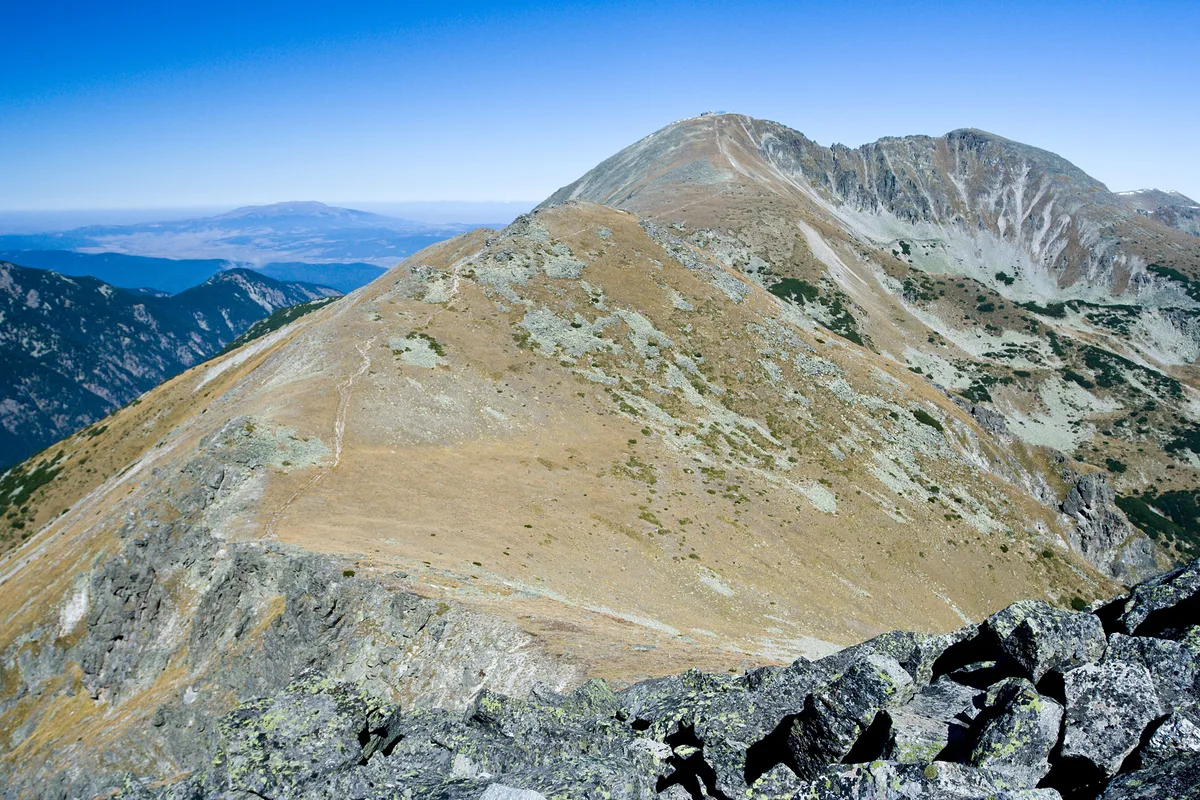
The highest mountain range in the Balkan Peninsula and Southeastern Europe, formed of crystalline schist and granite, showcasing over 120 glacial tarns, deep U-shaped valleys, and culminating at Musala (2,925 m).
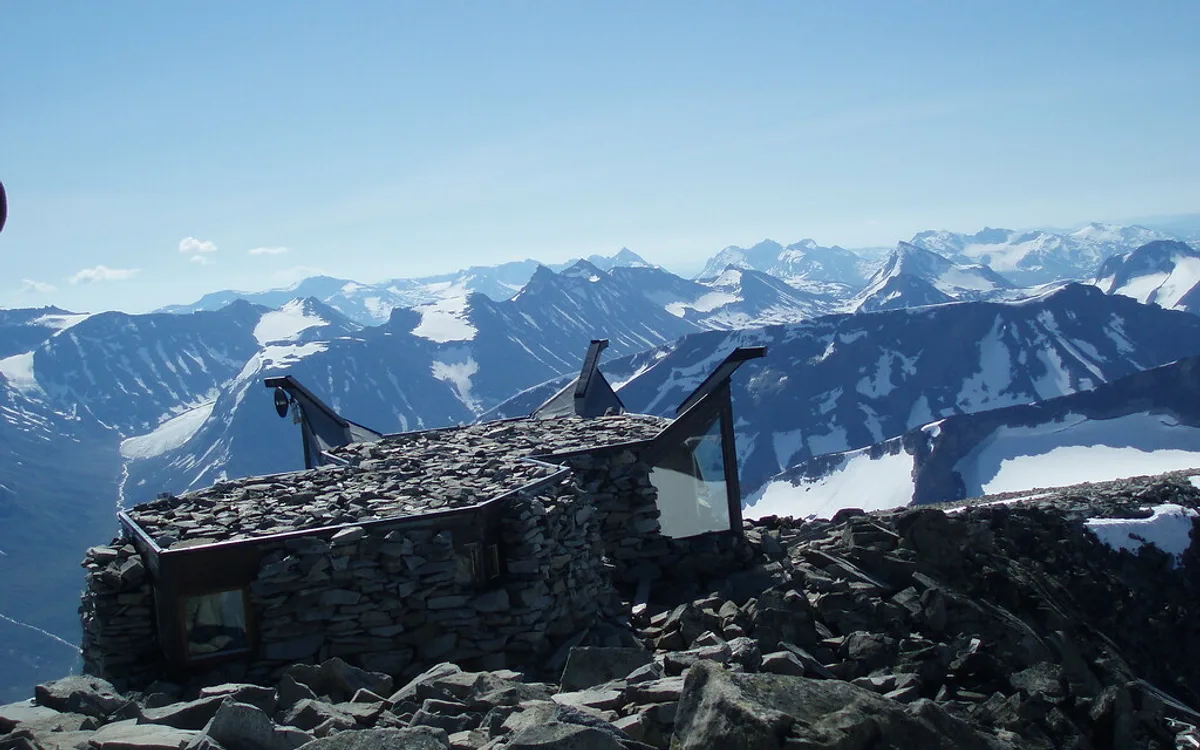
Rooted in the Paleozoic Caledonian orogeny and reshaped by Pleistocene fjord glaciation, the Scandes span 1,700 km along Norway and Sweden, peaking at Galdhøpiggen (2,469 m) in the heavily glacierized Jotunheimen massif.

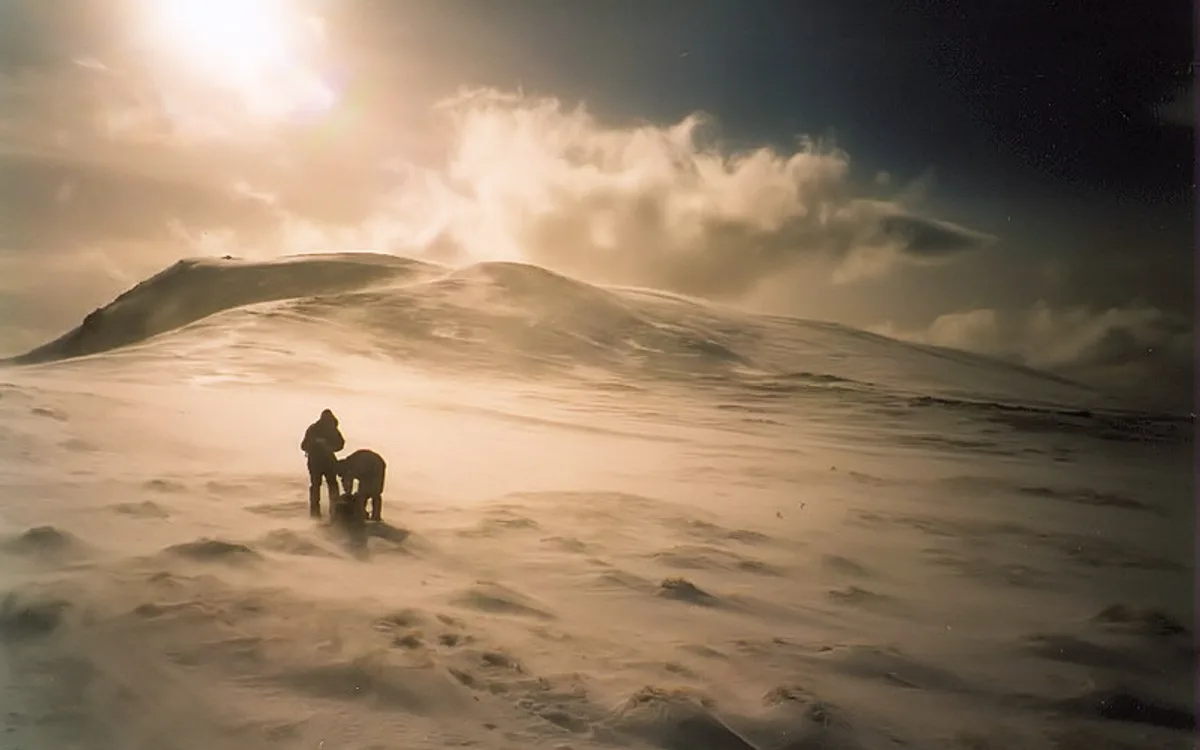
Deeply glaciated metamorphic and igneous uplands anchored by the Grampian Mountains and Lochaber massif, featuring Ben Nevis (1,345 m)—the highest summit in the British Isles—famous for historic winter mixed climbing gullies and ridges.

A 2,500-kilometer late Paleozoic collisional seam running north to south from the Arctic Kara Sea toward the Kazakh steppe, reaching 1,895 meters at Mount Narodnaya in the glaciated Subpolar Urals.
Country-level mountain discovery, regional summit registries, and technical routes.
Showing high-altitude summits sorted by elevation with verified ascent records.
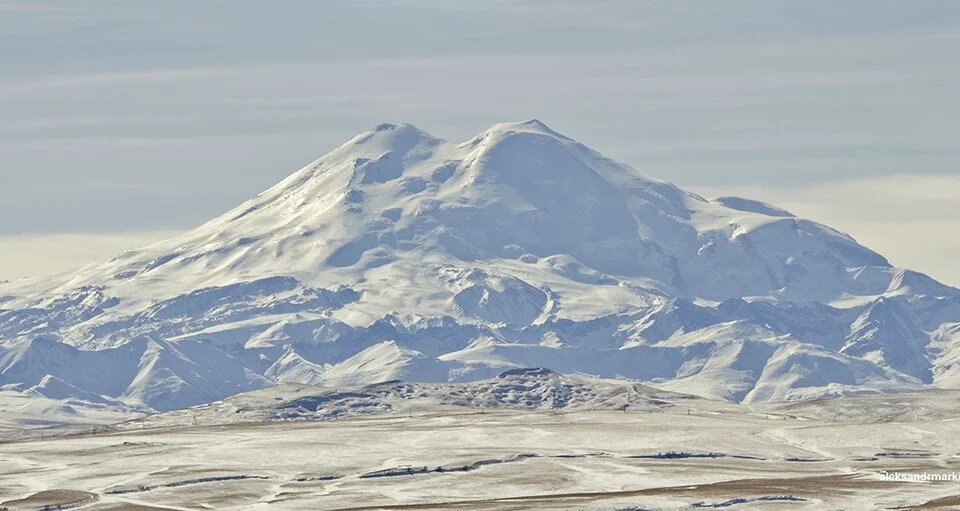
Mount Elbrus is the highest mountain in Russia and Europe, soaring to 5,642 metres as the tenth-most topographically prominent peak on Earth and one of the Seven Summits. Situated in the Russian Caucasus near the Georgian border, this colossal dormant stratovolcano features two ice-capped volcanic domes separated by a high saddle at 5,416 metres. The eastern summit (5,621 m) was first climbed in 1829 by Circassian scout Killar Khashirov, while the true continental high point on the western summit (5,642 m) was conquered in 1874 by Florence Craufurd Grove, Frederick Gardiner, Horace Walker, Peter Knubel, and Balkar guide Ahiya Sottaev.
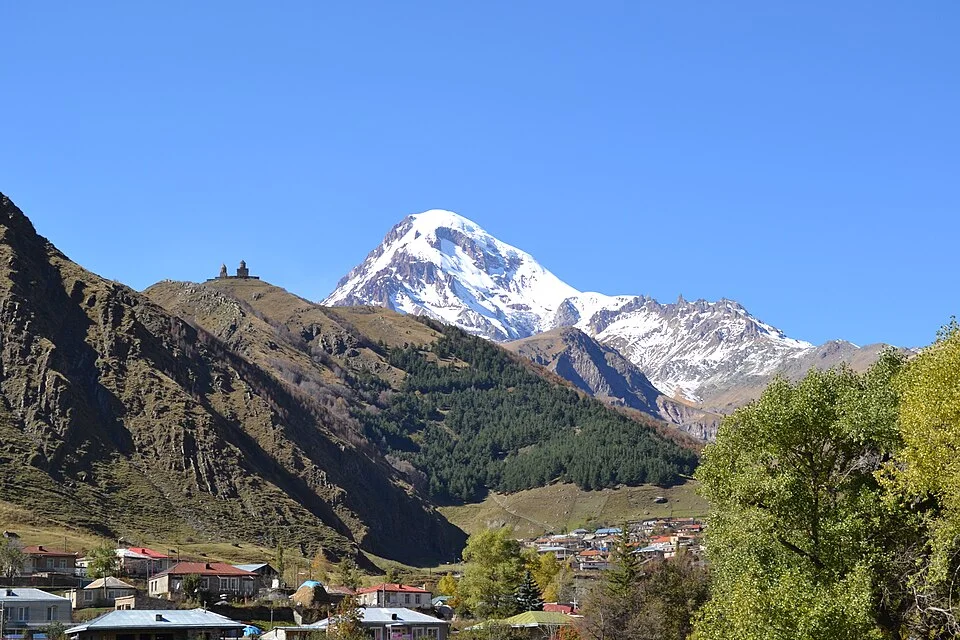
Mount Kazbek (known in Georgian as Mqinvartsveri, meaning 'Glacier Peak') is a magnificent 5,054-metre dormant stratovolcano situated in northeastern Georgia just south of the Russian border. The third-highest summit in Georgia and the second-highest volcanic cone in the Caucasus after Elbrus, Kazbek towers majestically above the town of Stepantsminda and the historic Georgian Military Highway. Rich in mythology as the legendary peak where the Titan Amirani (the Georgian Prometheus) was chained for gifting fire to mortals, Kazbek was first climbed in 1868 by Douglas Freshfield, Adolphus Moore, Charles Tucker, and Chamonix guide François Devouassoud.
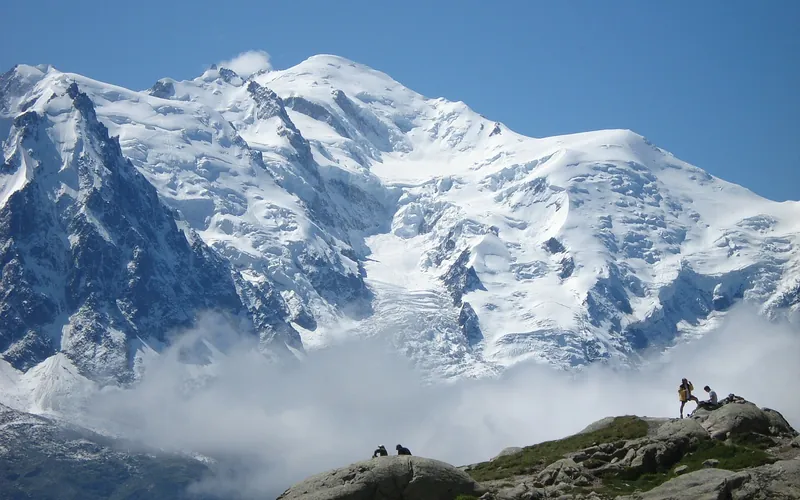
Mont Blanc (Monte Bianco), at 4,808 meters (15,774 ft), is the highest mountain in the Alps and Western Europe. Rising on the Franco-Italian watershed, this iconic glacier-draped granite massif is revered as the historic cradle of modern mountaineering following its celebrated first ascent in 1786. Featuring towering seracs, complex crevasse systems, and classic ridges like the Goûter and Bosses, it attracts climbers from around the globe.
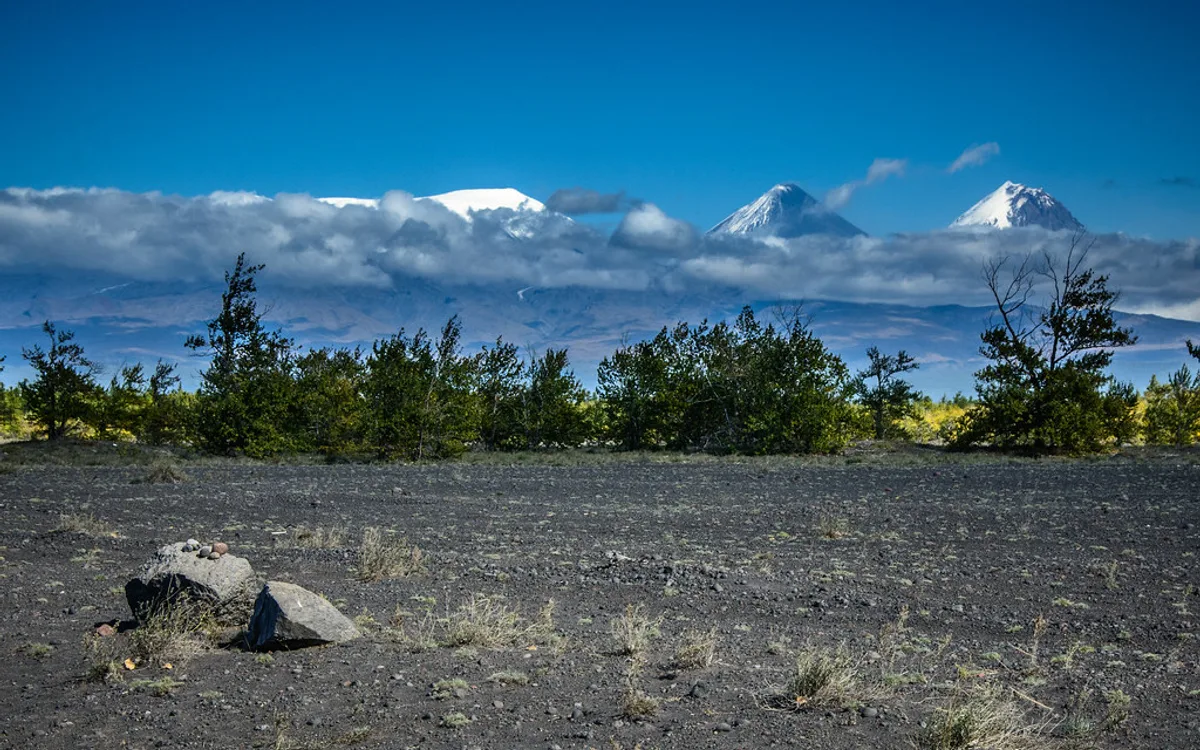
Rising from the Kamchatka River valley above the Pacific subduction trench to roughly 4,750 meters (15,584 ft—fluctuating slightly with crater-building eruptions), Klyuchevskaya Sopka is the tallest active volcano in Eurasia. Surrounded by twin snow-draped neighbors Kamen and Bezymianny inside a UNESCO World Heritage volcanic reserve, its symmetrical cinder-and-lava cone alternates between icy couloirs and incandescent Strombolian ash-and-lava eruptions.
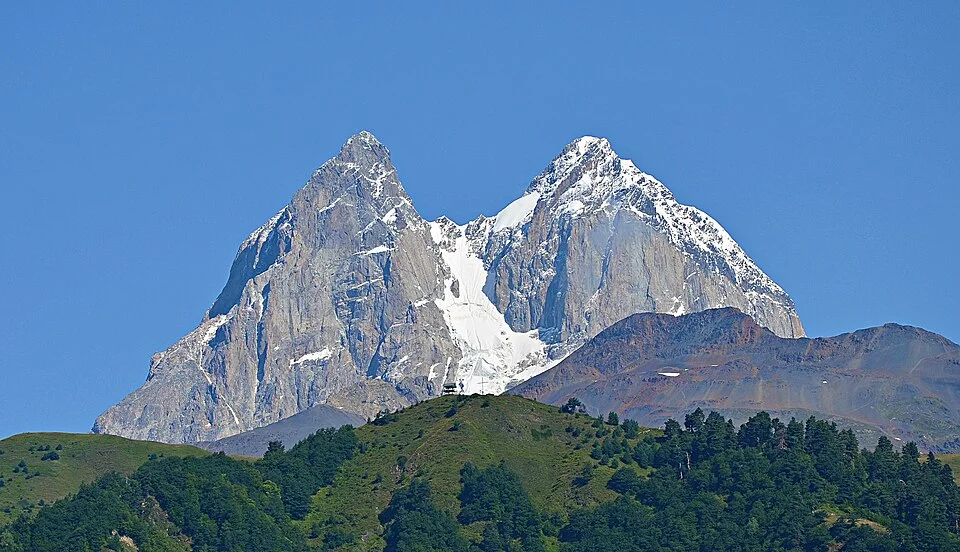
Ushba is a legendary double-peaked granite horn in the Svaneti region of Georgia, universally celebrated as the 'Matterhorn of the Caucasus' and widely regarded as the most difficult technical mountaineering objective in the entire Caucasus range. Rising with breathtaking vertical ferocity above the high valleys of Mestia, Ushba features a South Peak (4,710 m) and a North Peak (4,690 m) separated by a jagged, corniced saddle. The North Peak was first climbed in 1888 by English mountaineer John Garford Cockin and Swiss guide Ulrich Almer, while the South Peak was first conquered in 1903 by a daring German-Austrian team led by Adolf Schulze, Willi Rickmer Rickmers, and Cenzi von Ficker.
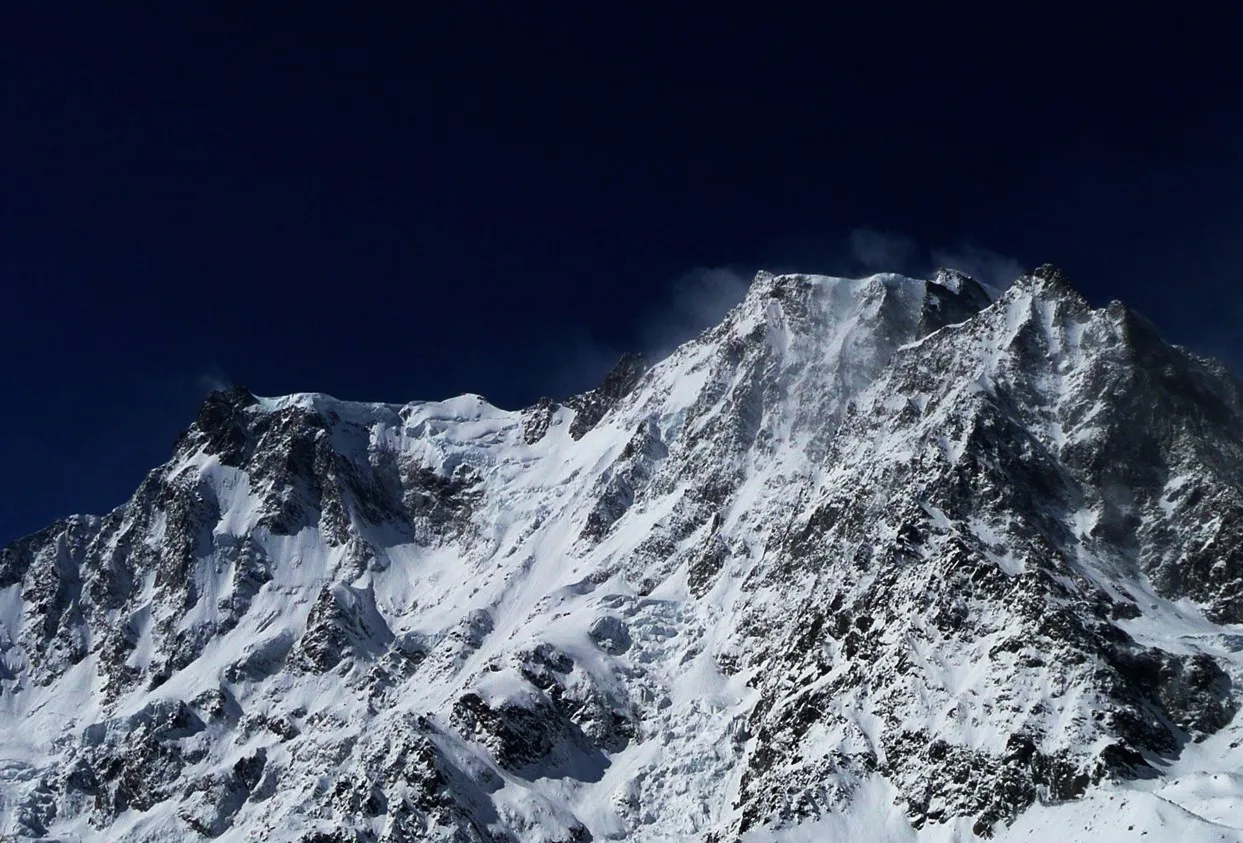
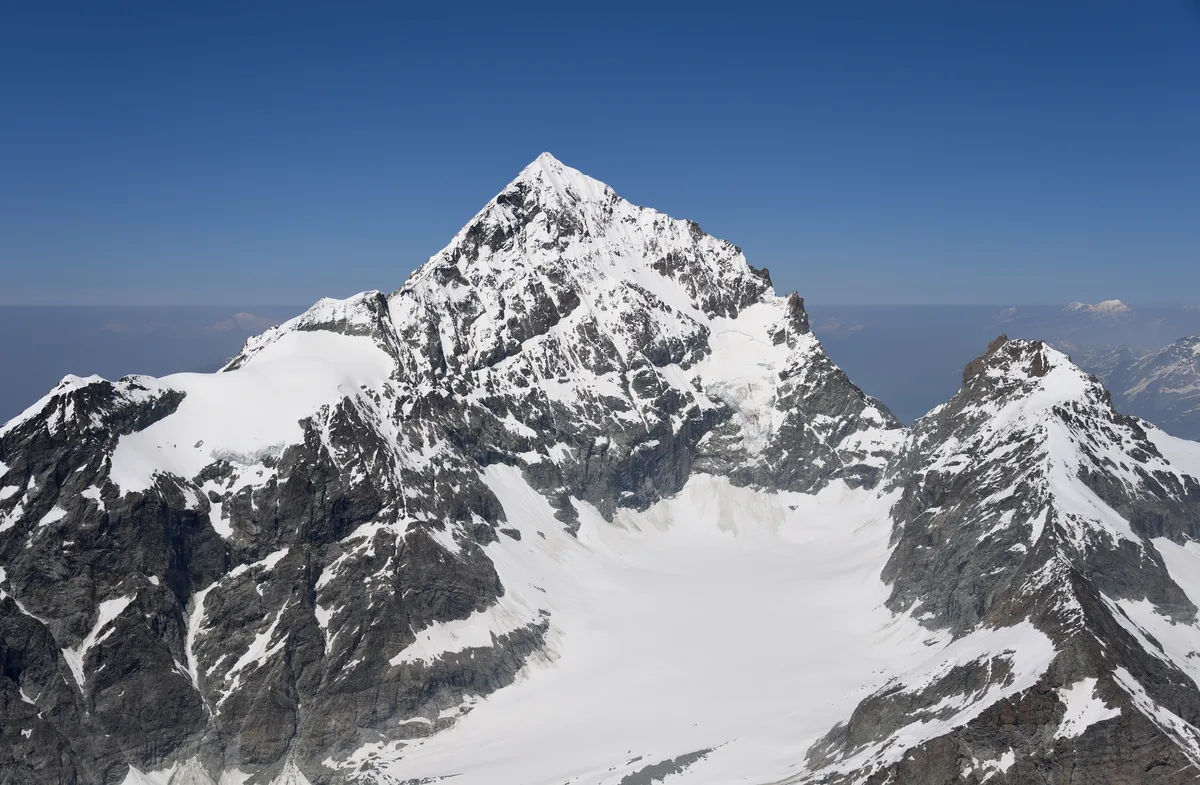
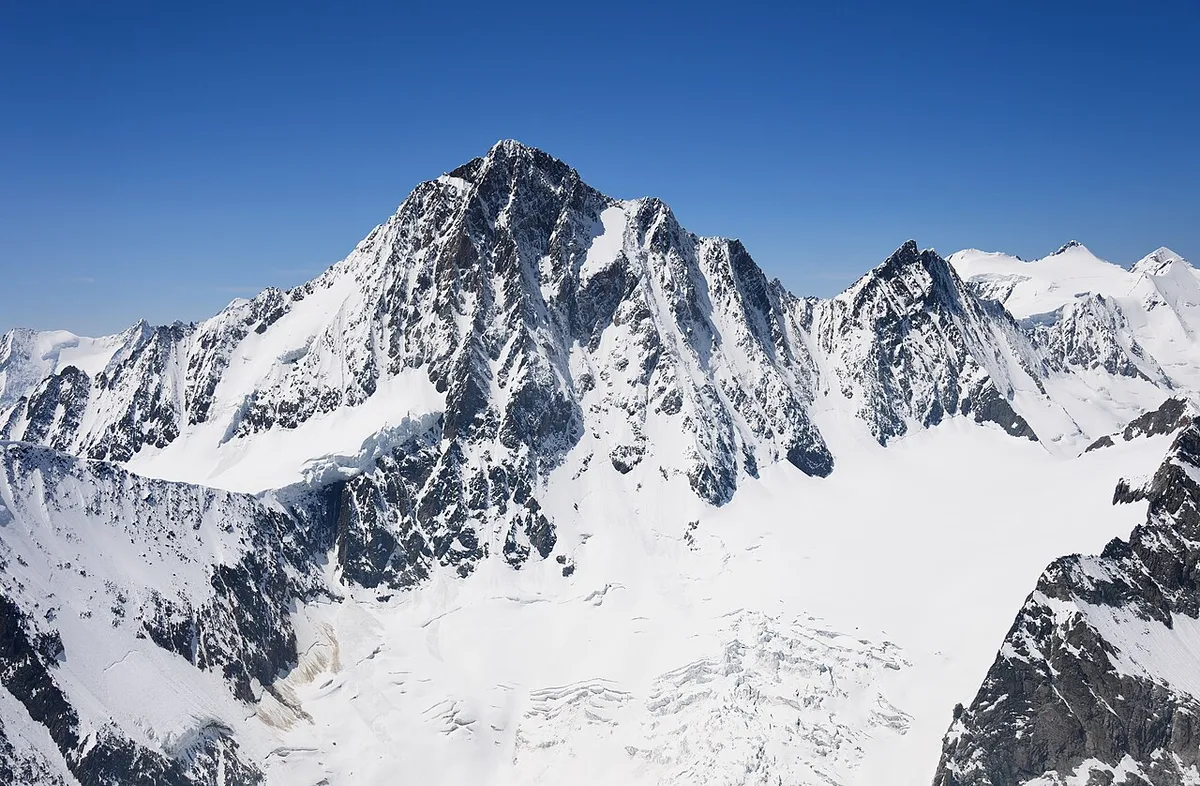
The Dufourspitze (4,634 m / 15,203 ft) is the highest peak in Switzerland and the second-highest summit in the Alps, surpassed only by Mont Blanc. It forms the crowning summit of the Monte Rosa massif, a vast fortress of Pennine granite straddling the Swiss-Italian border above Zermatt and Gressoney. Named in honor of Guillaume-Henri Dufour, the Swiss Federal Army general who created the first modern topographic map of Switzerland, the Dufourspitze was first climbed on August 1, 1855, by a party led by the brothers J.G. and C. Smyth with guides Matthäus and Johannes Zumtaugwald, Ulrich Lauener, and Johann and Stephan Biner.
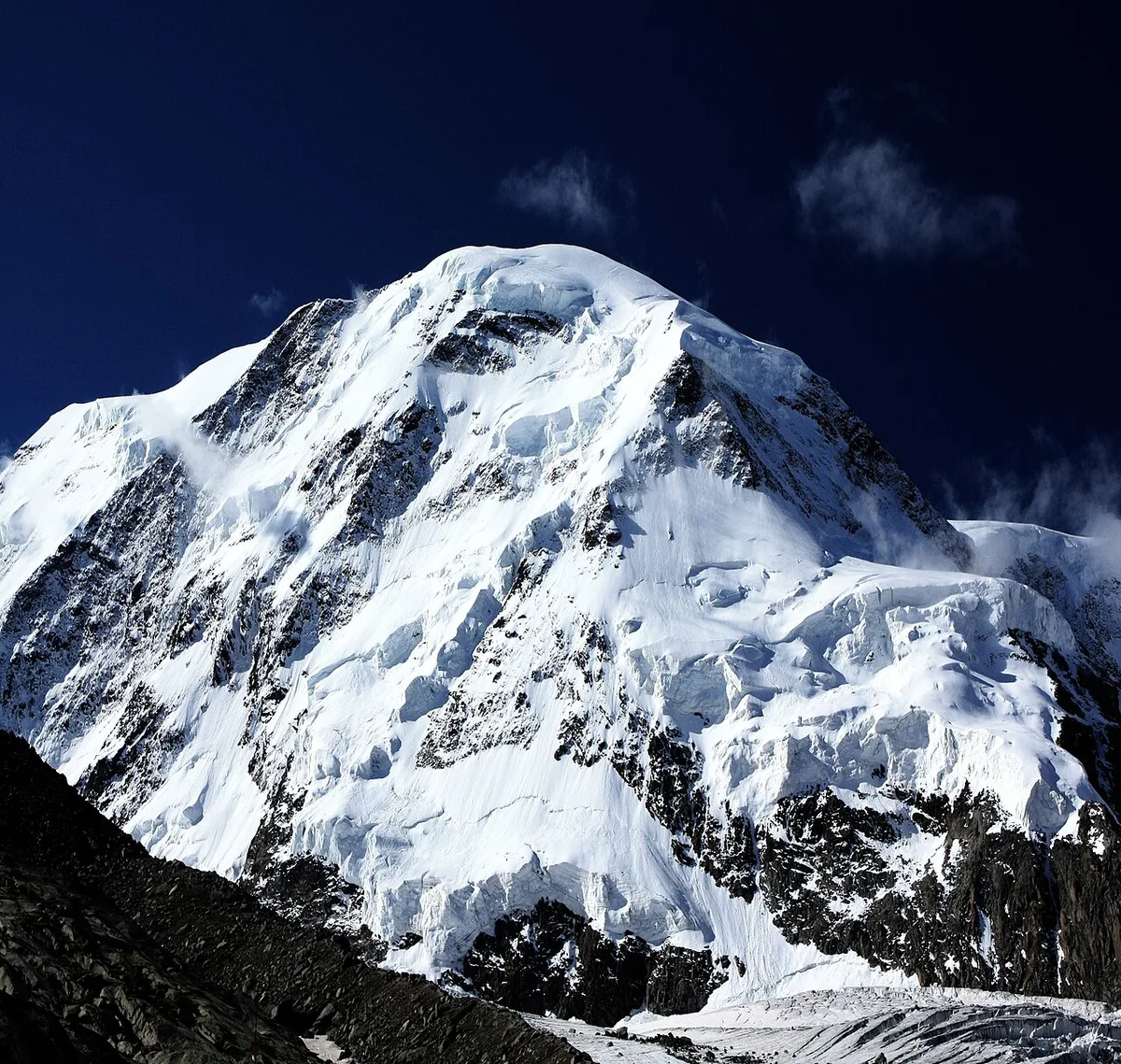
Lyskamm is a massive 5-kilometer glaciated crest rising to 4,533 meters in the Pennine Alps. Infamous in alpine history as the "Menschenfresser" (Man-Eater) due to its treacherous, colossal overhanging cornices, its full traverse between the East and West peaks is an alpine classic.
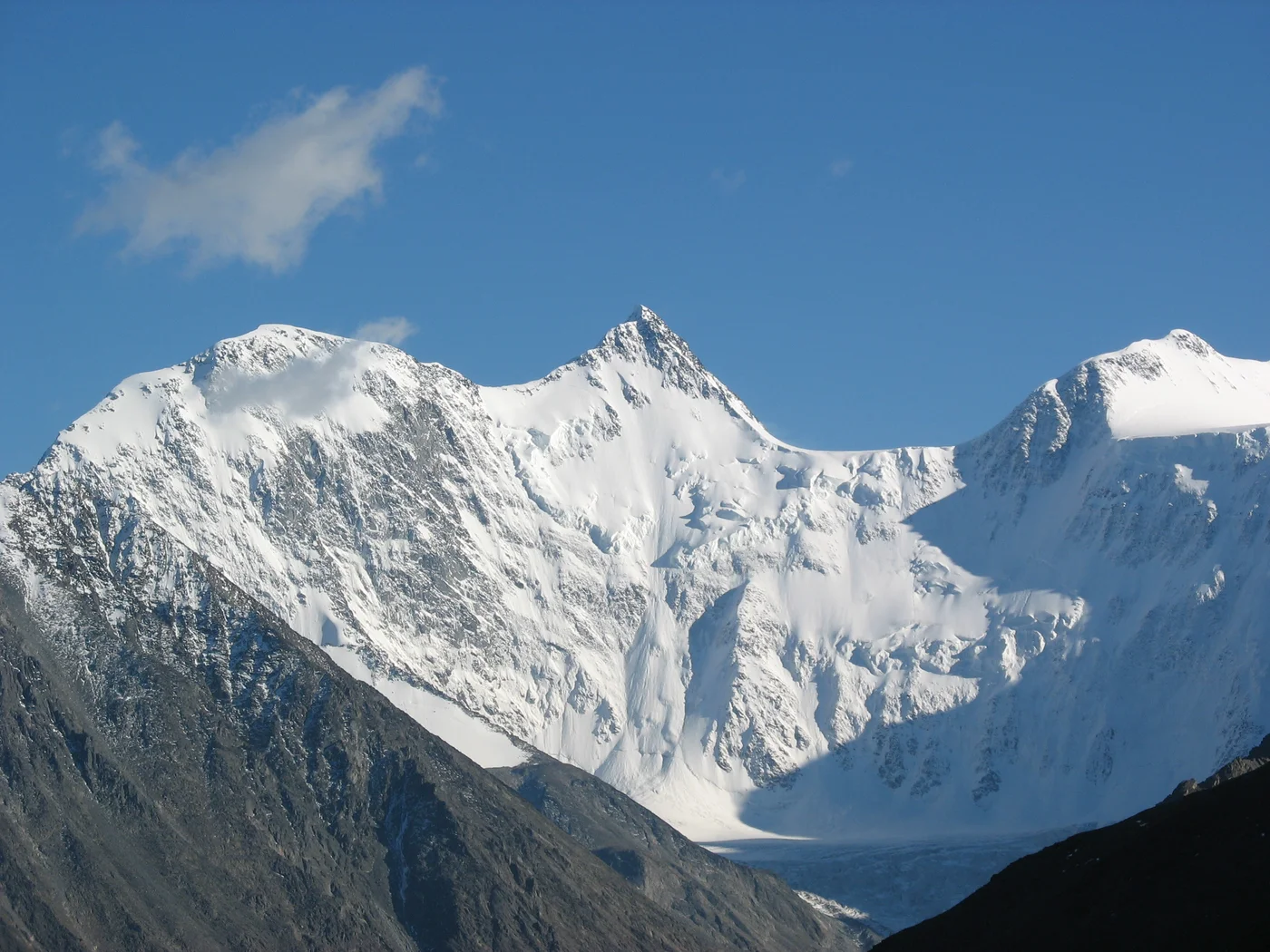
Mount Belukha is a majestic double-headed glaciated massif rising to 4,506 metres (14,783 ft) on the border between Russia and Kazakhstan, reigning as the highest peak in the Altai Mountains and the crown of Siberia. Revered in indigenous Altai mythology as Uch-Sumer and linked by mystics to the legendary spiritual realm of Shambhala, Belukha feeds massive valley glaciers including the Mensu and Katun. First reached on July 26, 1914, by brothers Boris and Mikhail Tronov, the mountain was transformed into a proving ground for technical Soviet alpinism in 1926 when mathematician Boris Delone pioneered the classic route via the Delone Couloir and Saddle.
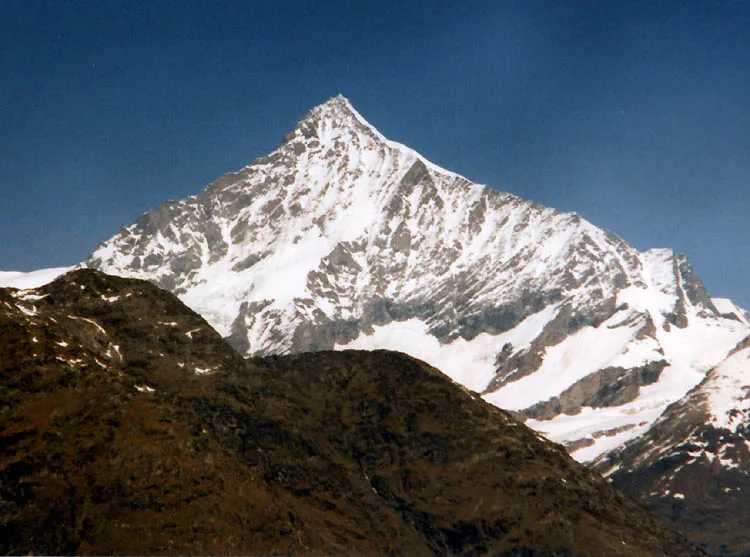
The Weisshorn is one of the most aesthetically flawless pyramid peaks in the Alps, rising to 4,506 meters in the Pennine Alps of Valais. Celebrated for its sharp three-sided snow and rock arêtes dividing the Mattertal and Val d’Anniviers, it is widely considered the queen of 4,000-meter alpine climbs.
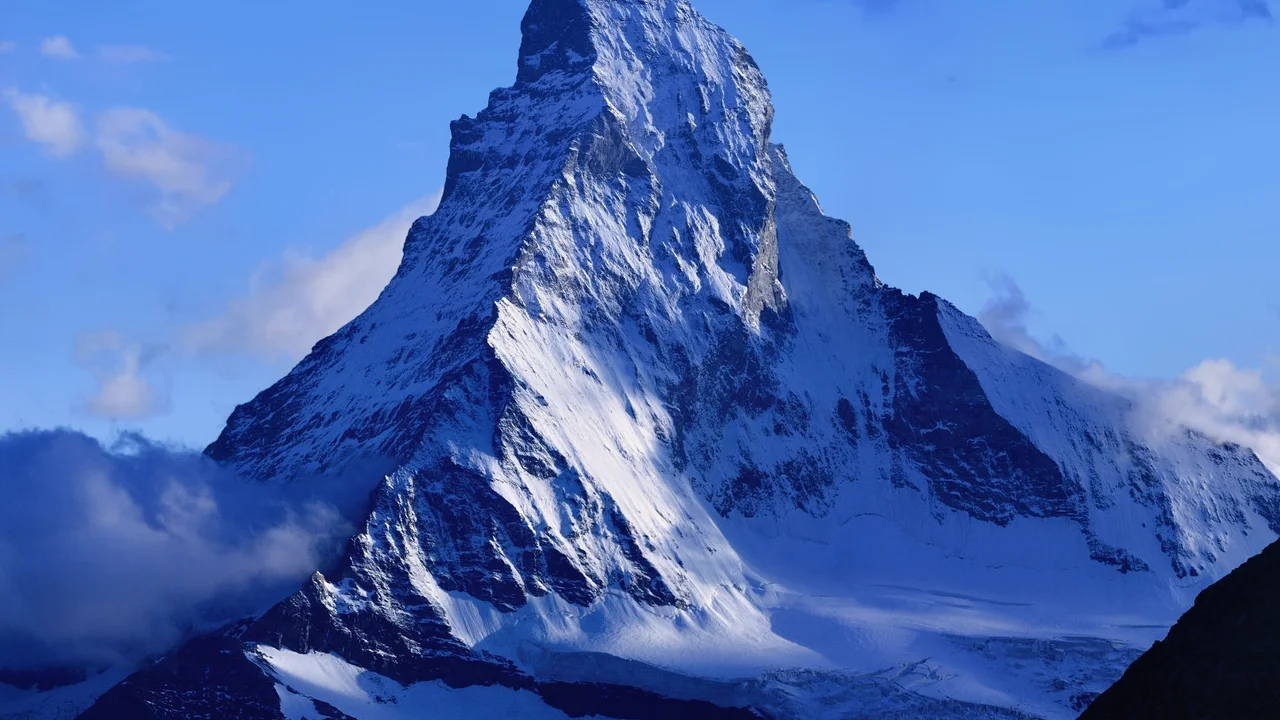
The Matterhorn (Monte Cervino), at 4,478 meters (14,692 ft), is one of the most recognizable and dramatic pyramidal peaks in the world. Straddling the border between Zermatt, Switzerland, and Breuil-Cervinia, Italy, its four triangular faces match the cardinal points of the compass. Its historic first ascent by Edward Whymper on July 14, 1865, and the tragic fall of four teammates on the descent marked the end of the Golden Age of Alpinism.
Dent Blanche is an imposing four-sided granite pyramid in the Pennine Alps, standing 4,357 meters above the Val d’Hérens and Zmutt Valley. Known for its sustained rock arêtes and the legendary Grand Gendarme on the South Ridge, it is one of the classic Golden Age 4,000ers.
The Finsteraarhorn is the highest mountain in the Bernese Alps and the most prominent summit in Switzerland, rising to 4,274 meters. Isolated in the vast wilderness of the Aletsch Glacier system, its shark-fin horn commands the Oberland icefields.
Search and filter the complete archive of 52 summits with elevations, GPS coordinates, routes, and first ascent histories in the interactive directory.
Share Exploration
Global Mountain Intelligence
✓ Link copied to clipboard!