Rila Mountains
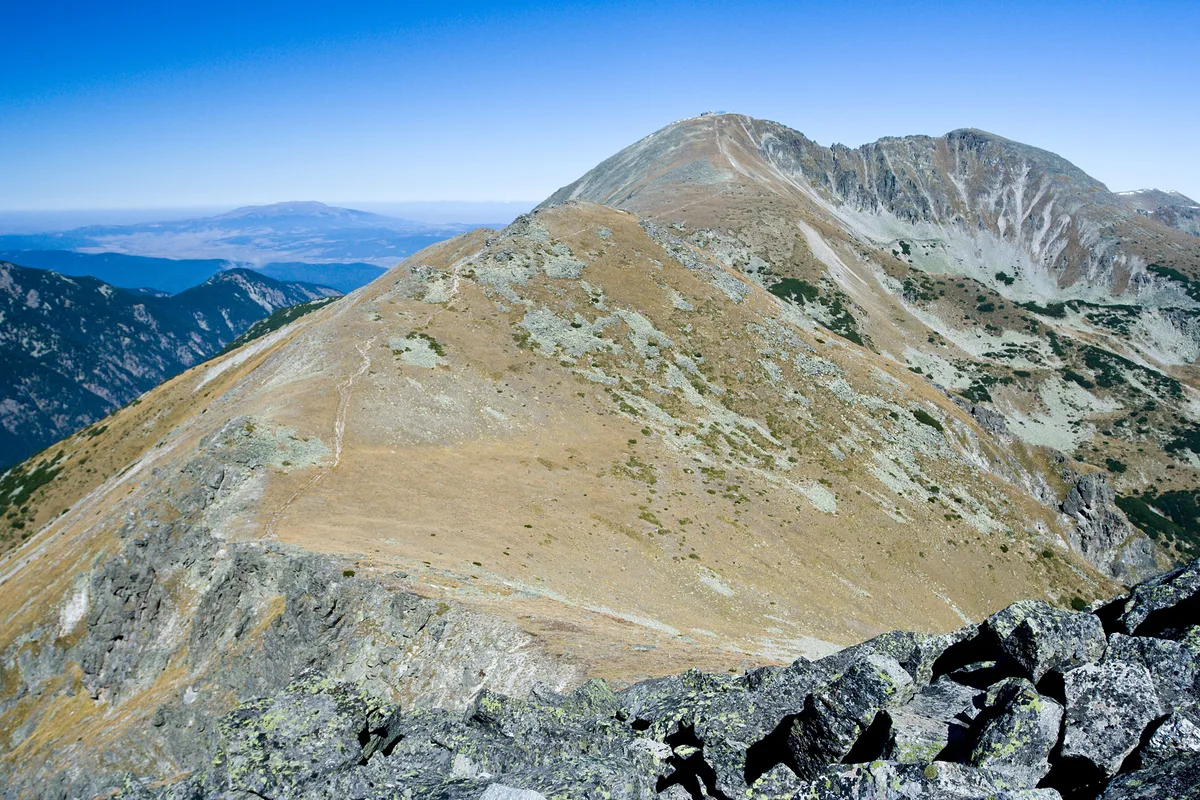
The highest mountain range in the Balkan Peninsula and Southeastern Europe, formed of crystalline schist and granite, showcasing over 120 glacial tarns, deep U-shaped valleys, and culminating at Musala (2,925 m).
Peer Review: Senior Editorial Board & Historical Reviewers • Editorial Standards
Key Statistics & Topographic Figures
- Archive Classification
- RANGES
Mountainity Knowledge Corpus
- Verification Status
- Editorially Verified
Archival Standards
- Citation Standard
- Primary Source Verified
Alpine Research Desk
Defined Alpine Terminology & Concepts
- Archival Integrity
- The standard of verifying historical mountain facts, summit claims, and altitudes using primary expeditions journals and geodetic measurements.
Frequently Asked Questions: Rila Mountains
What historical significance does this range hold?
Rila Mountains represents an essential chapter in global mountaineering heritage, verified through contemporary expedition journals and archival sources.
How are the facts and records for Rila Mountains verified?
All records are checked against peer-reviewed journals, national alpine clubs, geodetic surveys, and the Mountainity Archival Integrity Policy.
Featured Summits in Rila Mountains
Browse Range Summits →
Musala
Musala is the highest peak in Bulgaria and the entire Balkan Peninsula, standing at 2,925 meters in the granite Rila Mountains. Surpassed only by the Alps, Pyrenees, Sierra Nevada, and Mount Etna in Europe, it overlooks glaciated cirques, glacial tarns, and the Maritsa River basin.
Documented Sources & Archival Citations
Supporting claim: Rila Massif boundaries, Musala summit height (2,925m), and glacial lake morphology.
Share Exploration
Global Mountain Intelligence
✓ Link copied to clipboard!