Ural Mountains
A 2,500-kilometer late Paleozoic collisional seam running north to south from the Arctic Kara Sea toward the Kazakh steppe, reaching 1,895 meters at Mount Narodnaya in the glaciated Subpolar Urals.
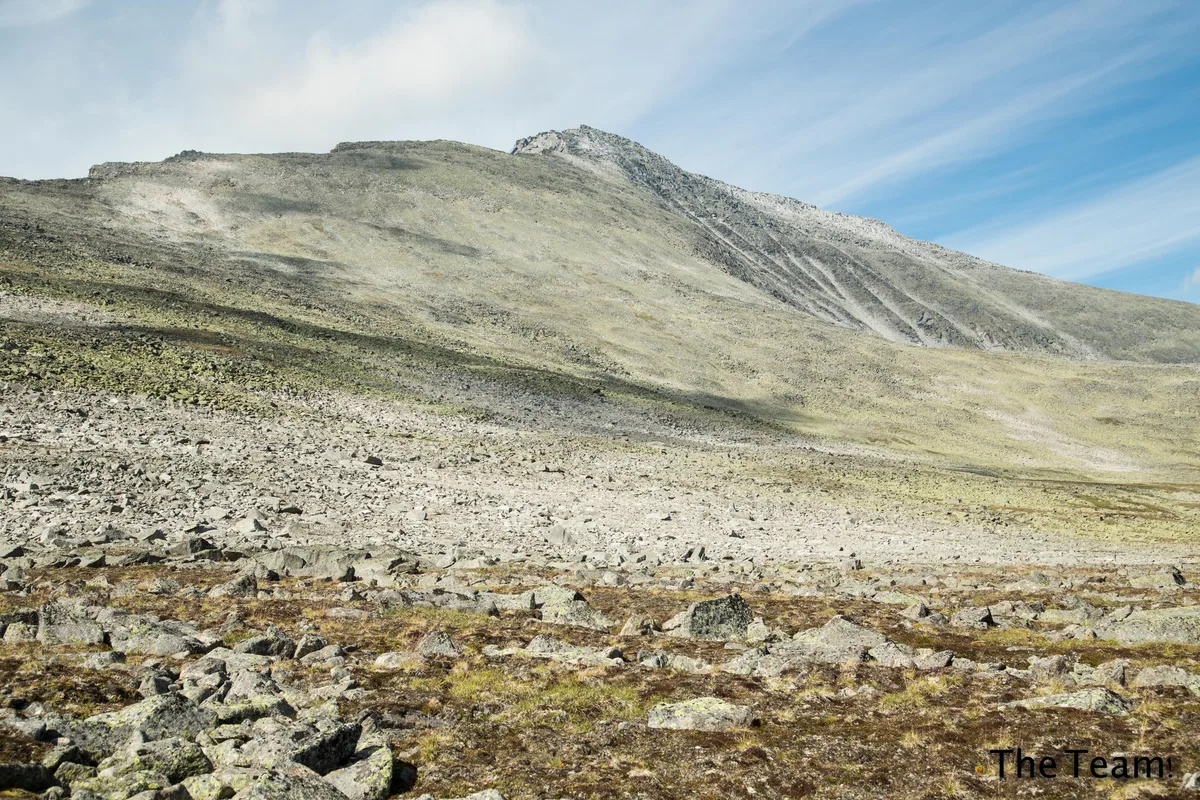
Peer Review: Senior Editorial Board & Historical Reviewers • Editorial Standards
Key Statistics & Topographic Figures
- Archive Classification
- RANGES
Mountainity Knowledge Corpus
- Verification Status
- Editorially Verified
Archival Standards
- Citation Standard
- Primary Source Verified
Alpine Research Desk
Defined Alpine Terminology & Concepts
- Archival Integrity
- The standard of verifying historical mountain facts, summit claims, and altitudes using primary expeditions journals and geodetic measurements.
Frequently Asked Questions: Ural Mountains
What historical significance does this range hold?
Ural Mountains represents an essential chapter in global mountaineering heritage, verified through contemporary expedition journals and archival sources.
How are the facts and records for Ural Mountains verified?
All records are checked against peer-reviewed journals, national alpine clubs, geodetic surveys, and the Mountainity Archival Integrity Policy.
Featured Summits in Ural Mountains
Browse Range Summits →
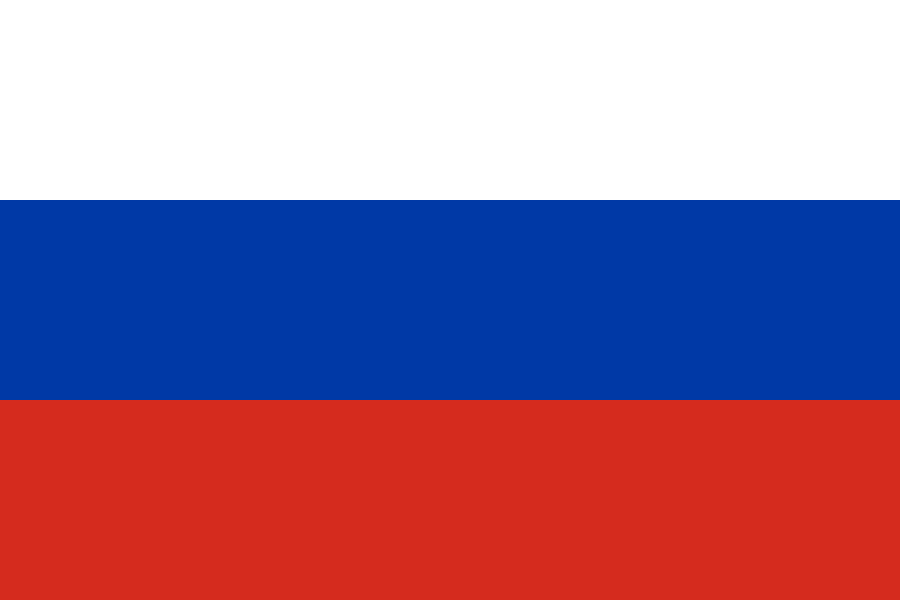
Mount Narodnaya
Mount Narodnaya is the highest mountain in the Ural Mountains and the ancient continental divide separating Europe from Asia, rising to 1,894 meters. Located in the roadless wilderness of the Subpolar Urals, it is surrounded by relict cirque glaciers, crystalline rivers, and taiga forests.
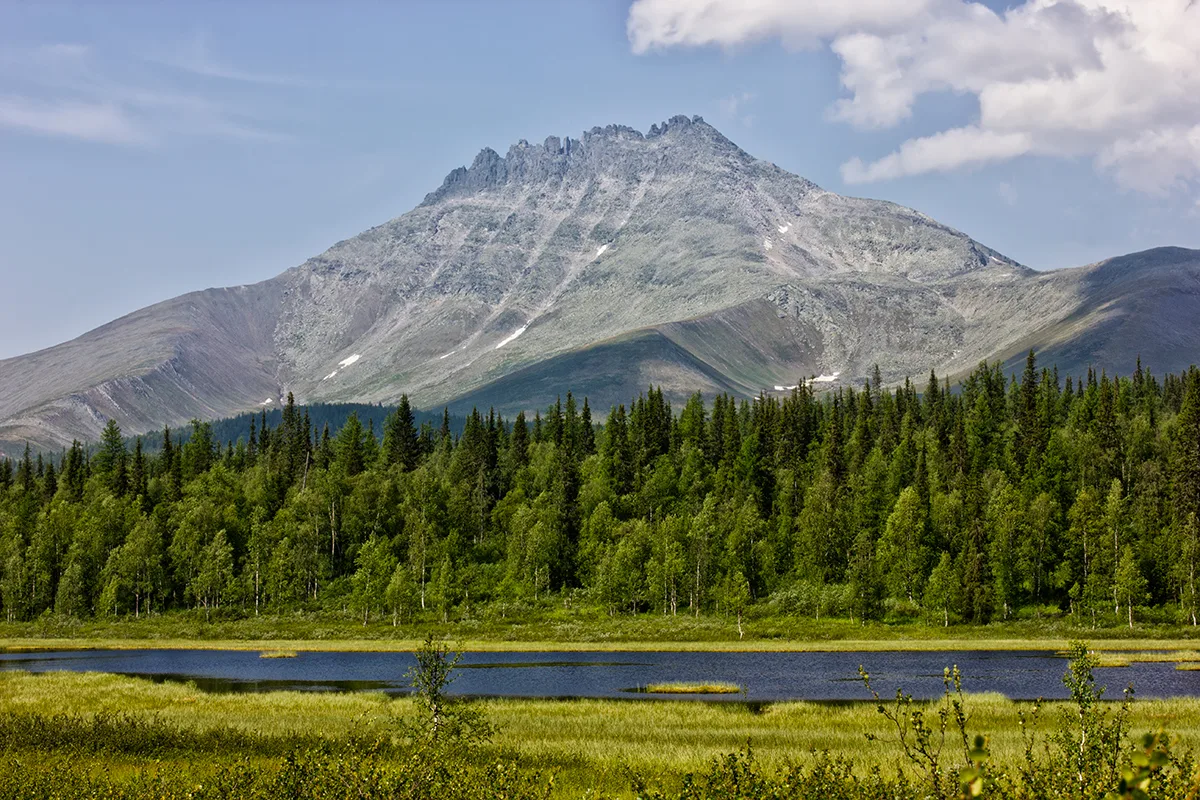
Mount Manaraga
Mount Manaraga is an extraordinary, serrated mountain in the Subpolar Urals, crowned by a jagged crest of seven stone towers known as the "Bear’s Paw" (Medvezhya Lapa). Standing in the Yugyd Va National Park, it is celebrated as the most spectacular peak in the entire Ural chain.
Telposiz
Telposiz (Nest of the Winds in the Komi language) is the highest peak of the Northern Urals, rising to 1,617 meters on the border of the Komi Republic and Khanty-Mansi Autonomous Okrug. Revered in Komi mythology as the home of the wind god Voipel, its isolated quartzite massifs spawn severe local gales.
Documented Sources & Archival Citations
- Institutional PortalUral Mountains — Physiography and Paleozoic Structure ↗(Encyclopaedia Britannica)
Supporting claim: Geographical boundaries, apex elevation, and regional geology of Ural Mountains.
Share Exploration
Global Mountain Intelligence
✓ Link copied to clipboard!