Continental Mountain Discovery

Mountains of Antarctica

Antarctica presents the planet’s most extreme alpine environment: a polar desert locked under ice sheets kilometers deep. The Sentinel Range of the Ellsworth Mountains forms the continent’s alpine crown, anchored by the Vinson Massif, where mountaineers confront relentless katabatic winds, sub-zero cold, and 24-hour polar daylight.

Report an Error
7
Verified Summits
2
Mountain Ranges
1
Alpine Nations

Mountain Ranges in Antarctica

Primary geological cordilleras, tectonic belts, and regional massifs across Antarctica.

2 Ranges
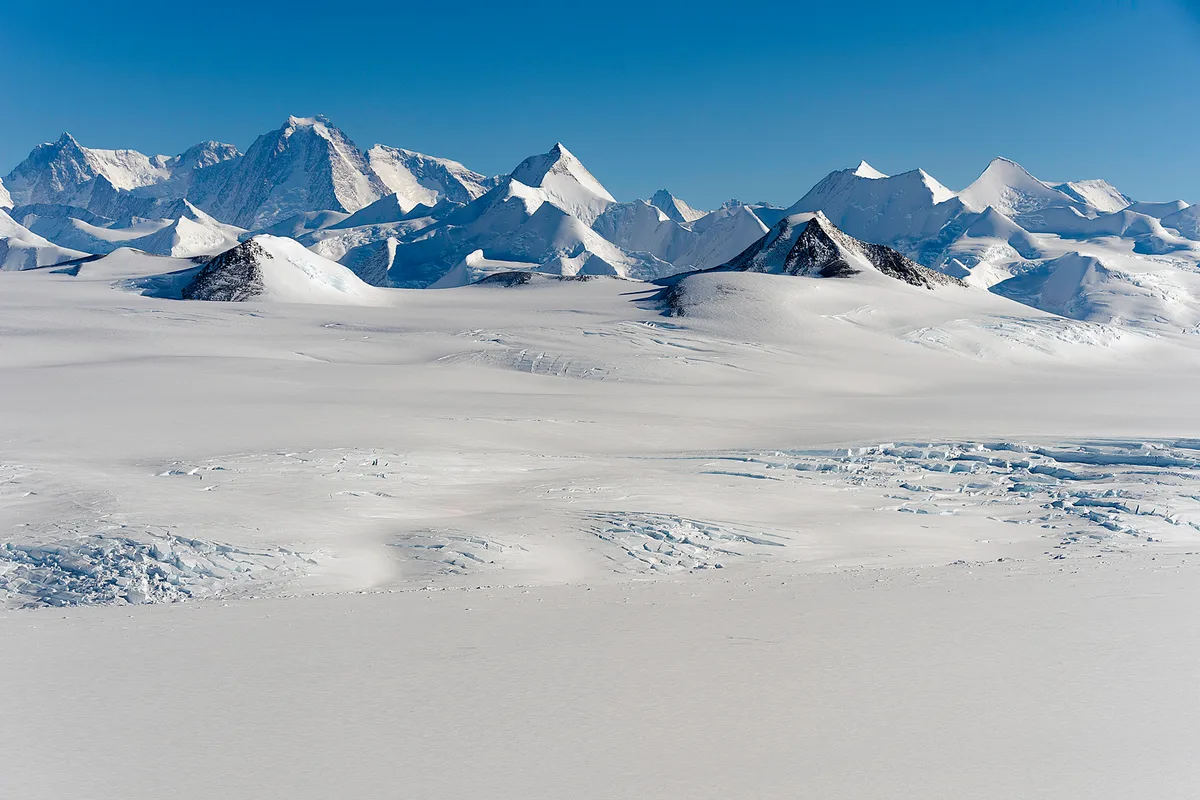
The jagged snow-covered massifs and hanging glaciers of the Sentinel Range in Antarctica.
Antarctica5 Key Peaks

Sentinel Range

The Sentinel Range forms the majestic northern portion of the Ellsworth Mountains in West Antarctica. Overlooking the Ronne Ice Shelf, this glaciated polar range contains Antarctica's highest summits, including Mount Vinson (4,892 m) and the vertical rock ramparts of Mount Tyree (4,852 m). Discovered by Lincoln Ellsworth in 1935, the range is known for severe polar cold, katabatic storms, and pristine sub-zero glacier basins.

View Mountain Range
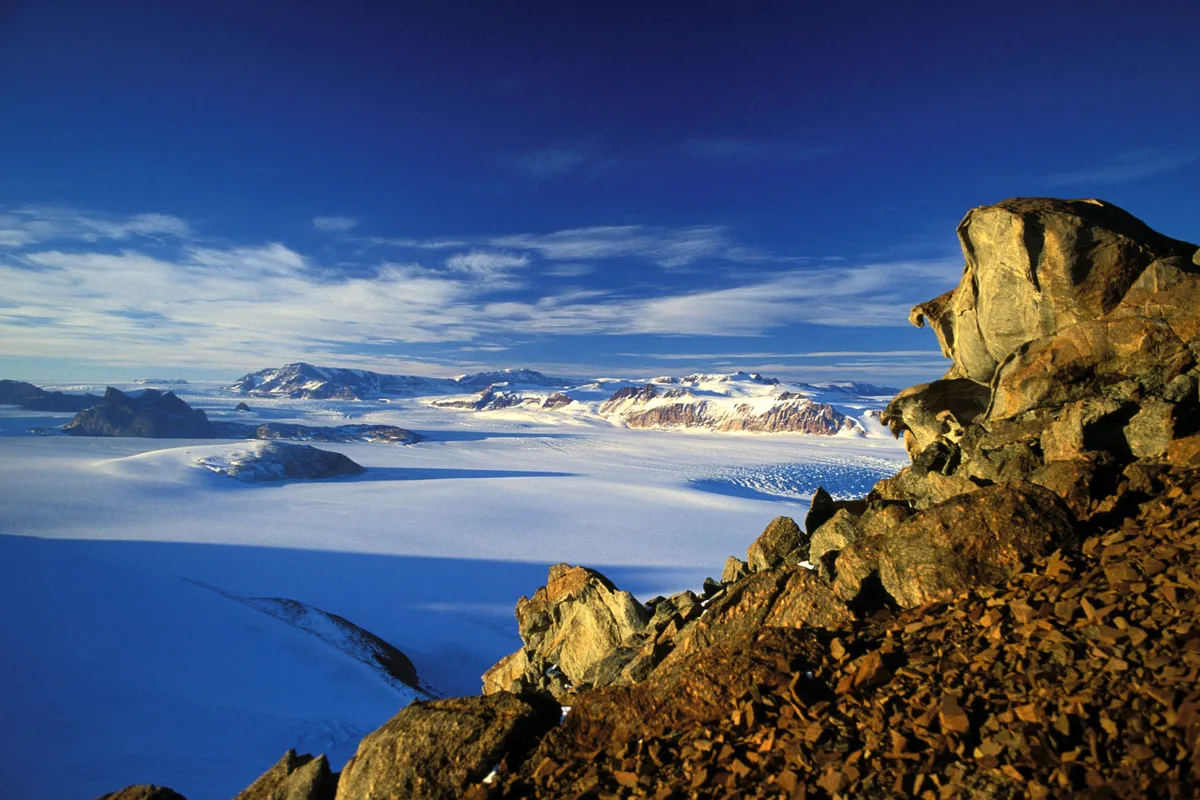
Sweeping ice-capped peaks and outlet glaciers of the Transantarctic Mountains bordering the polar plateau.
Antarctica2 Key Peaks

Transantarctic Mountains

The Transantarctic Mountains form one of the longest mountain chains on Earth, extending over 3,500 kilometres across Antarctica from the Ross Sea to the Weddell Sea. While the range rises to its topographic apex at Mount Kirkpatrick (4,528 m) in the Queen Alexandra Range, its coastal volcanic sector on Ross Island is crowned by Mount Erebus (3,794 m), Earth’s southernmost active volcano.

View Mountain Range

Explore Antarctica by Country

Country-level mountain discovery, regional summit registries, and technical routes.

1 Destination

Verified Mountain Summits in Antarctica

Showing high-altitude summits sorted by elevation with verified ascent records.

7 Peaks Total
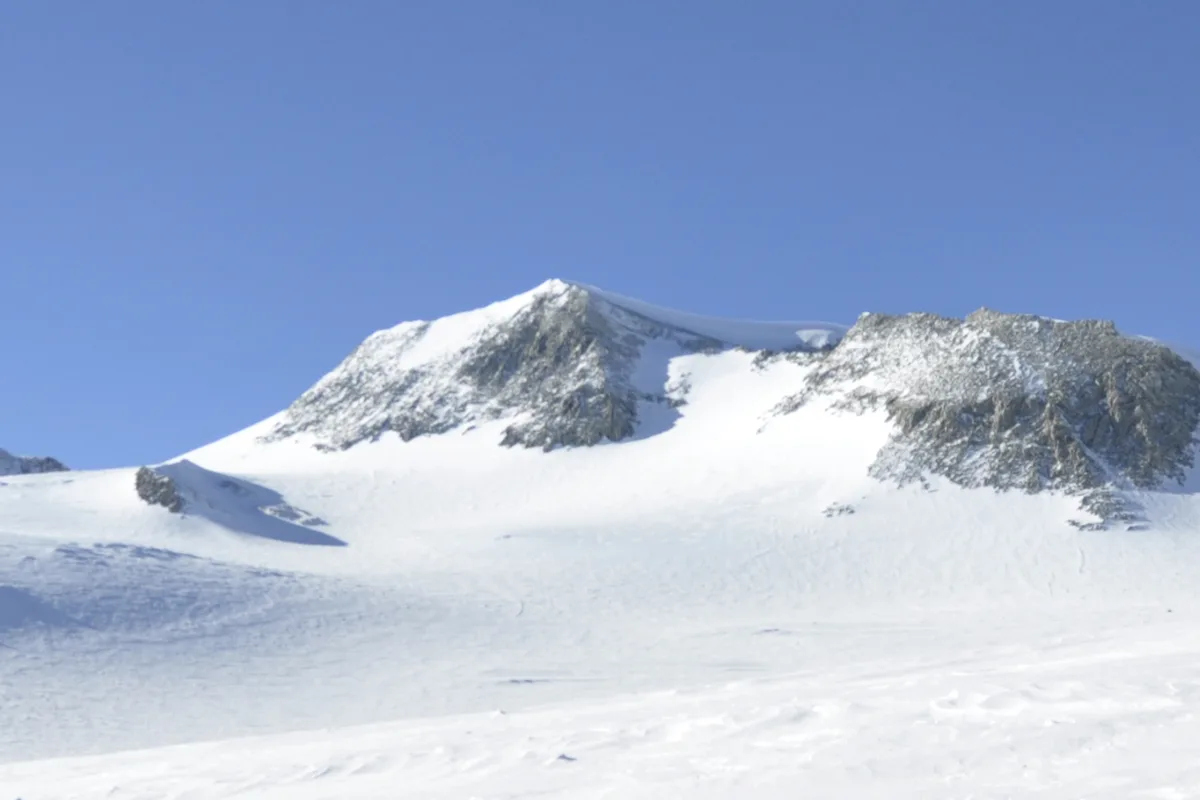
The sprawling glaciated summit ridge and icefields of Mount Vinson in Antarctica.
🚩 5 Expeditions
4,892 m
First Ascent: December 18, 1966🧗 1 Route

Mount Vinson / Vinson Massif

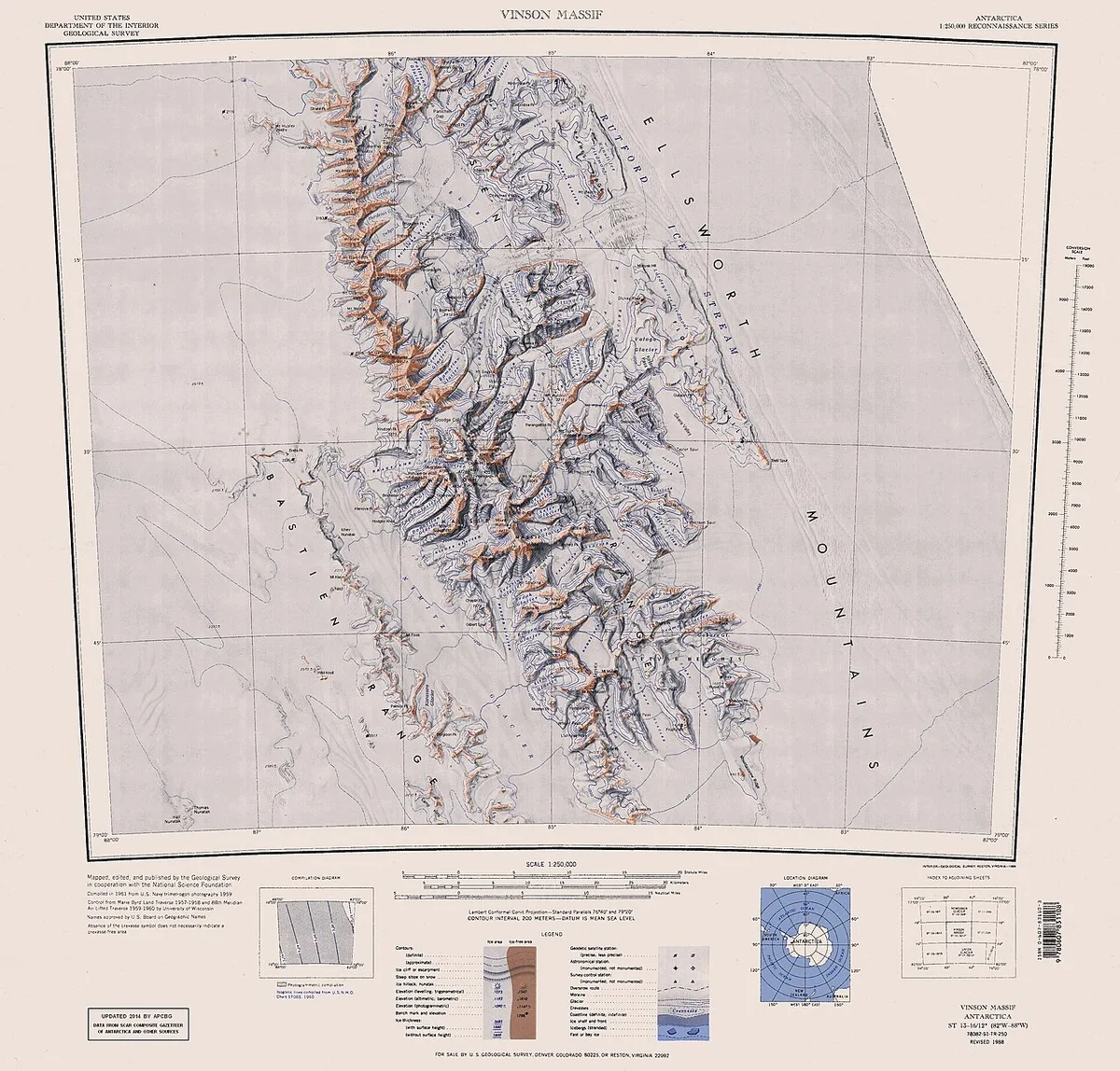
Mount Vinson is the highest peak in Antarctica at 4,892 metres (16,050 ft), situated in the Sentinel Range of the Ellsworth Mountains approximately 1,200 kilometres from the South Pole. As the summit of Antarctica, it forms one of the celebrated Seven Summits. First sighted by a US Navy aircraft in January 1958 and named after Georgia congressman Carl Vinson, the peak was conquered on December 18, 1966, by a team led by Nicholas Clinch and Barry Corbet during the historic American Antarctic Mountaineering Expedition. While technically moderate via the Branscomb Glacier, climbing Mount Vinson demands extreme endurance against temperatures plunging to -40°C and ferocious katabatic blizzards.

Explore Peak & Routes
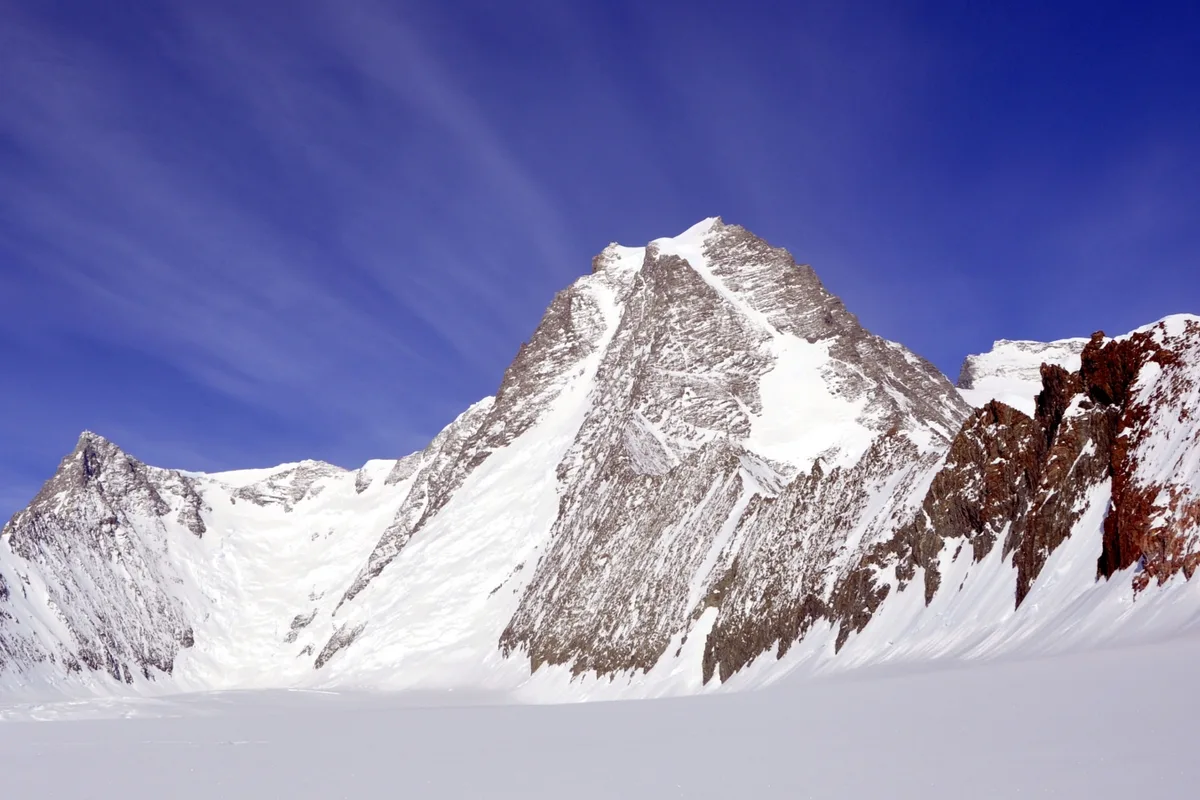
The vertical, imposing rock facets and icy arêtes of Mount Tyree in Antarctica.
🚩 1 Expedition
4,852 m
First Ascent: January 6, 1967🧗 1 Route

Mount Tyree

Mount Tyree is the second-highest mountain in Antarctica at 4,852 metres (15,919 ft), located just 13 kilometres northwest of Mount Vinson in the Sentinel Range. In stark contrast to the rounded, glaciated ramps of Mount Vinson, Mount Tyree is a terrifying, sheer horn of dark metamorphic rock and steep blue ice, rising over 2,000 metres directly from its surrounding glaciers. First ascended on January 6, 1967, by Barry Corbet and John Evans via the Northwest Face, it is widely acknowledged as the most technically demanding and formidable high peak in all of Antarctica, having seen fewer than twenty ascents in mountaineering history.

Explore Peak & Routes
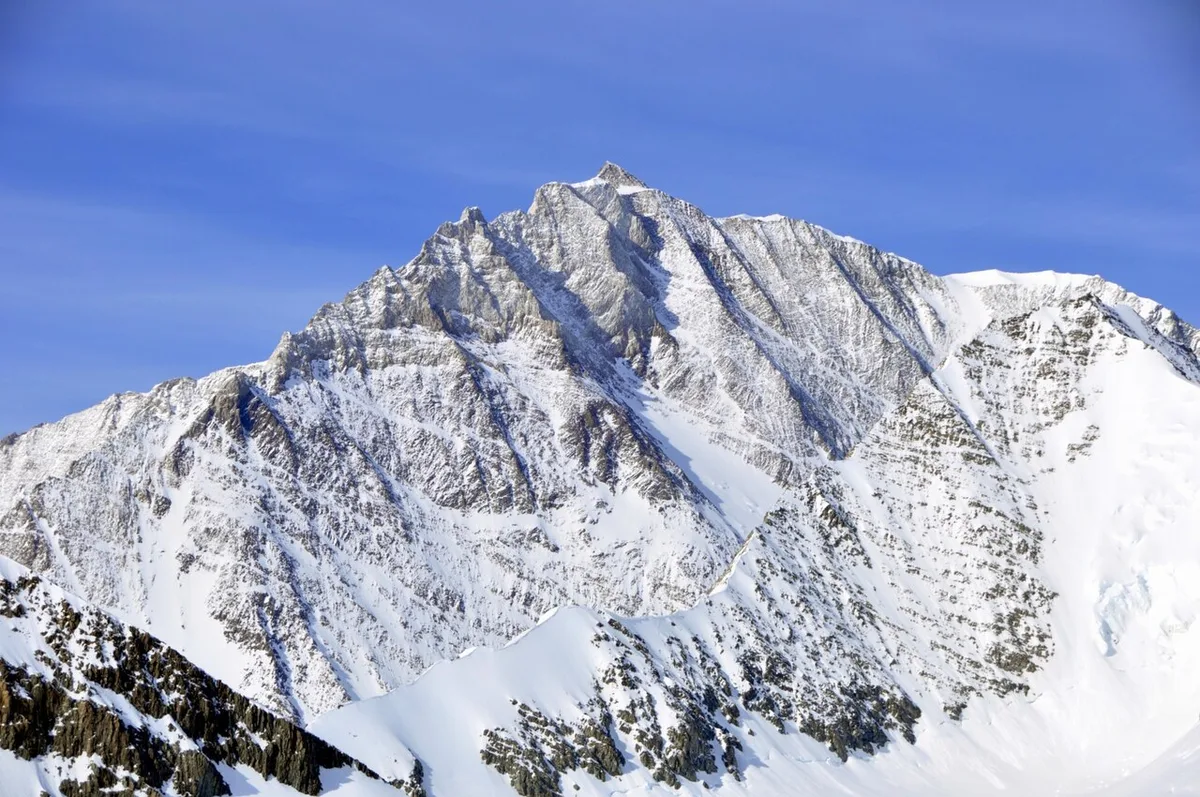
Mount Shinn summit in the mountains
4,661 m
First Ascent: 1966

Mount Shinn

Mount Shinn is the third-highest mountain in Antarctica, rising to 4,661 meters in the Sentinel Range of the Ellsworth Mountains. Standing 8 kilometers north of Mount Vinson, its icy triangular peak commands the vast ice expanse of the Nimitz and Branscomb glaciers.

Explore Peak & Routes
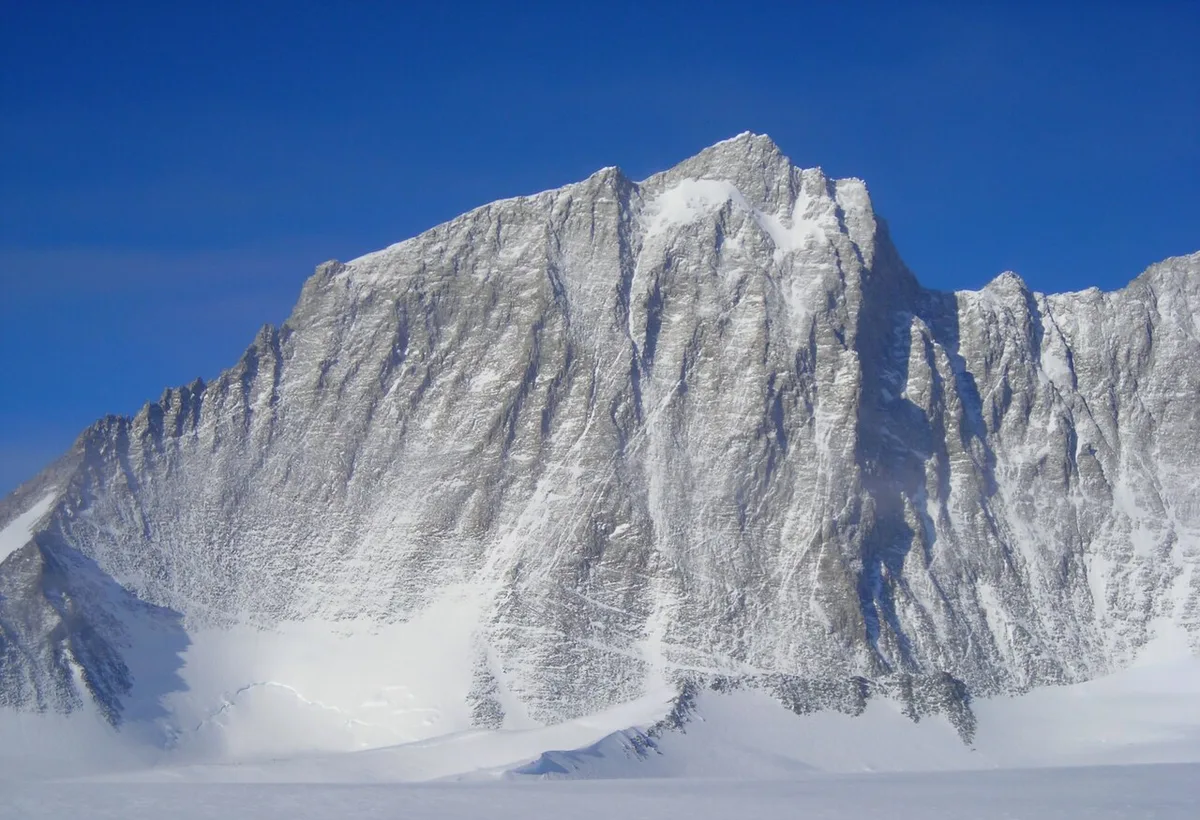
Mount Gardner summit in the mountains
4,587 m
First Ascent: 1966

Mount Gardner

Mount Gardner is the fourth-highest mountain in Antarctica, standing at 4,587 meters in the Sentinel Range. Overlooking the Rutford Ice Stream and the vast Antarctic Plateau, it was first climbed during the historic 1966 American Antarctic Mountaineering Expedition.

Explore Peak & Routes
Mount Craddock summit in the mountains
4,368 m
First Ascent: 1992

Mount Craddock

Mount Craddock is the ninth-highest mountain in Antarctica and the southern anchor of the Vinson Massif in the Sentinel Range. Named in honour of geologist J. Campbell Craddock, its precipitous ice walls rise directly above the Rutford Ice Stream.

Explore Peak & Routes
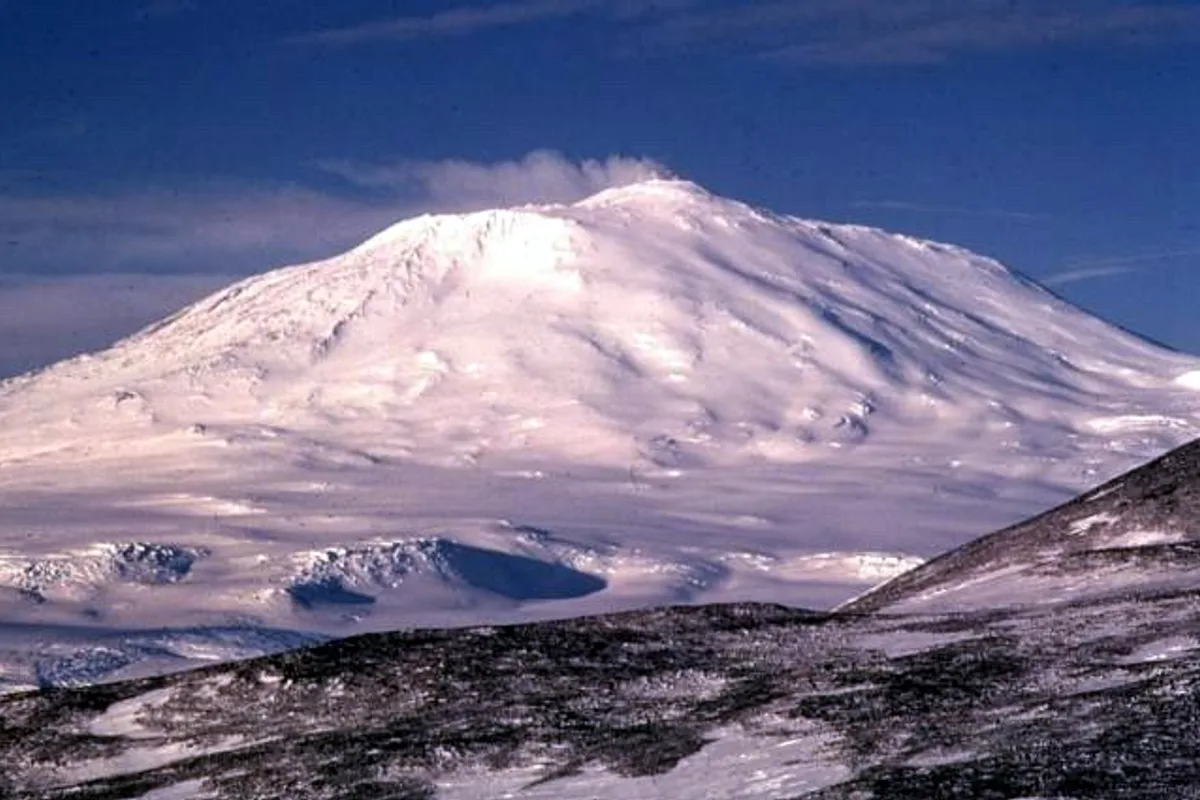
Mount Erebus emitting volcanic steam plumes above the Antarctic Ross Ice Shelf.
🚩 1 Expedition
3,794 m
First Ascent: March 10, 1908🧗 1 Route

Mount Erebus

Mount Erebus is an active stratovolcano rising to 3,794 metres (12,448 ft) on Ross Island in Antarctica, making it the southernmost active volcano on Earth and the second-highest volcano in Antarctica. Famous for its persistent, bubbling phonolitic lava lake inside its inner crater and unique fumarolic ice towers (ice fumaroles), it was discovered in 1841 by Sir James Clark Ross. In March 1908, a six-man party led by Professor Edgeworth David and including Douglas Mawson and Raymond Priestley during Sir Ernest Shackleton's Nimrod Expedition achieved the heroic maiden first ascent, hauling sledges through ferocious polar blizzards to peer into the glowing volcanic abyss.

Explore Peak & Routes
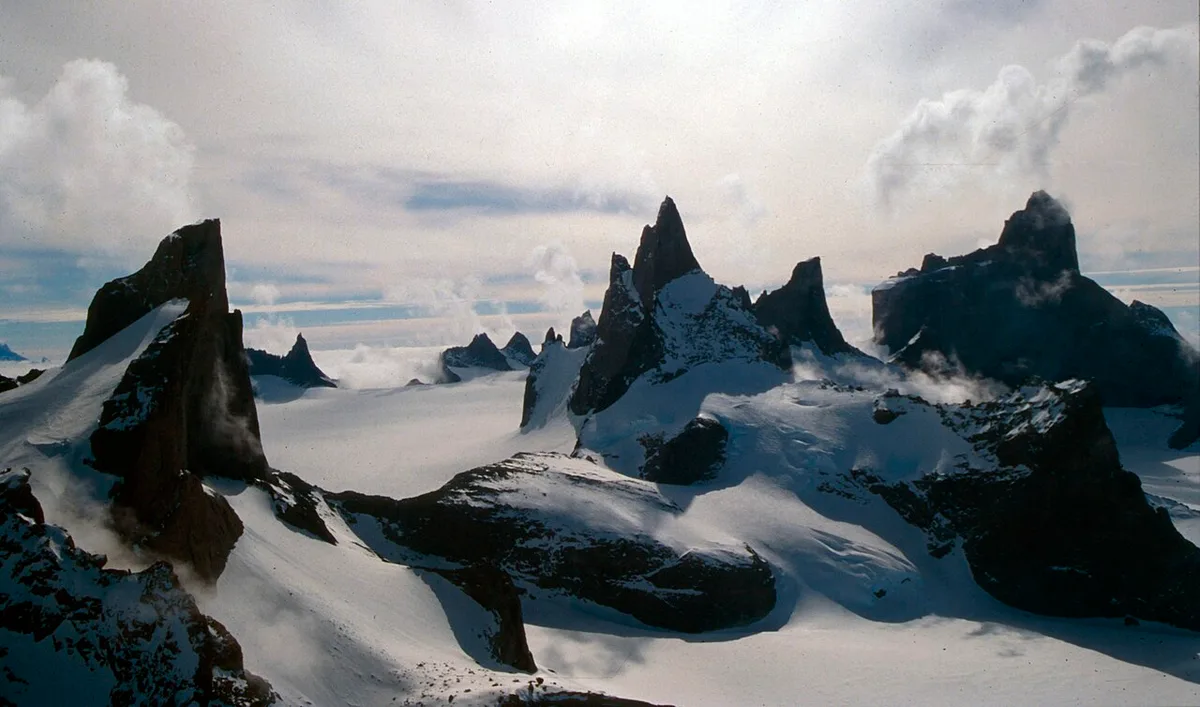
Ulvetanna Peak needle in Queen Maud Land, Antarctica
2,931 m
First Ascent: 1994

Ulvetanna Peak

Ulvetanna (The Wolf’s Tooth) is arguably the most spectacular, fang-like mountain on Earth, jutting 1,000 meters vertically out of the polar ice cap in Queen Maud Land, East Antarctica. Formed of ancient alkaline granite, its flawless vertical walls represent the ultimate prize in polar rock climbing.

Explore Peak & Routes