Bismarck Range
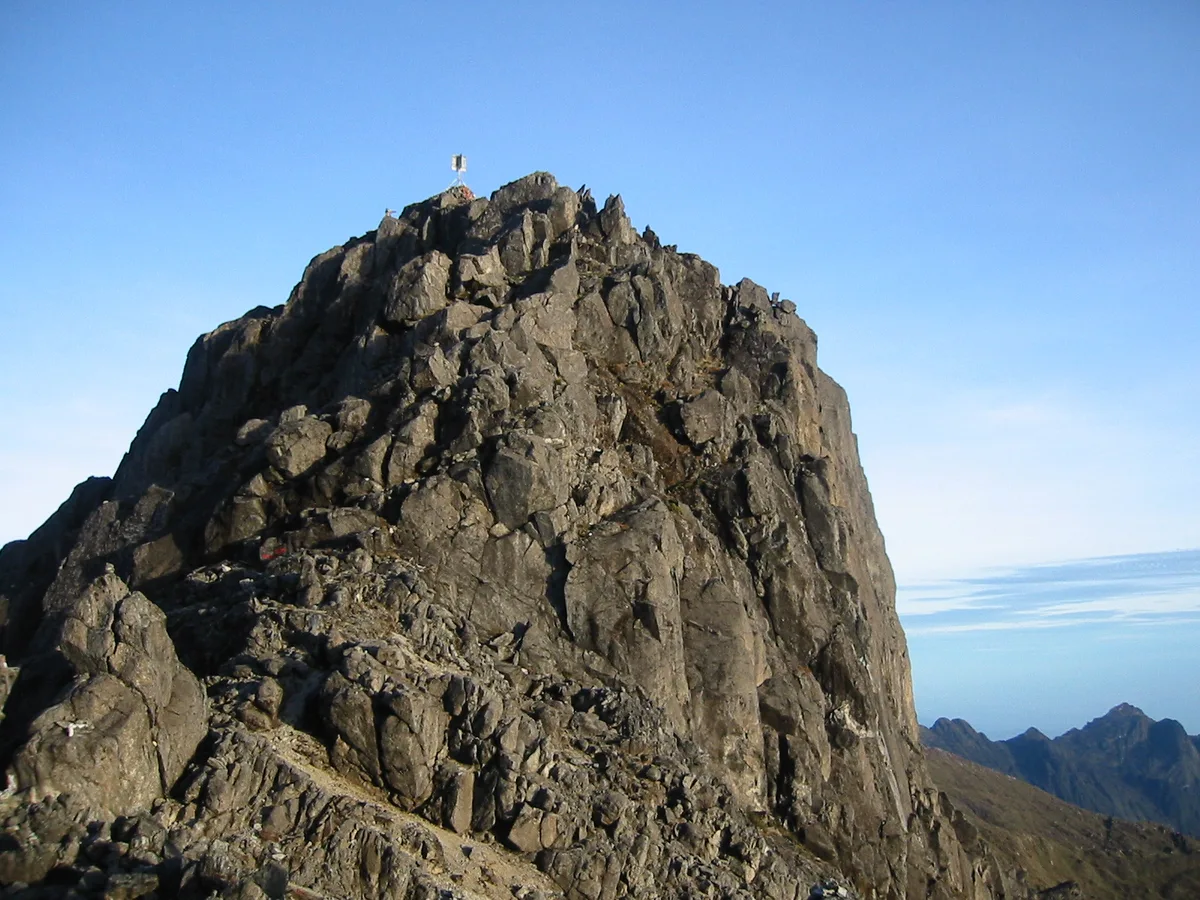
A high, rugged mountain range within the New Guinea Highlands of Papua New Guinea, formed by complex oblique arc-continent collision and culminating at Mount Wilhelm (4,509 m), featuring dramatic glacial cirques and equatorial paramo.
Peer Review: Senior Editorial Board & Historical Reviewers • Editorial Standards
Key Statistics & Topographic Figures
- Archive Classification
- RANGES
Mountainity Knowledge Corpus
- Verification Status
- Editorially Verified
Archival Standards
- Citation Standard
- Primary Source Verified
Alpine Research Desk
Defined Alpine Terminology & Concepts
- Archival Integrity
- The standard of verifying historical mountain facts, summit claims, and altitudes using primary expeditions journals and geodetic measurements.
Frequently Asked Questions: Bismarck Range
What historical significance does this range hold?
Bismarck Range represents an essential chapter in global mountaineering heritage, verified through contemporary expedition journals and archival sources.
How are the facts and records for Bismarck Range verified?
All records are checked against peer-reviewed journals, national alpine clubs, geodetic surveys, and the Mountainity Archival Integrity Policy.
Featured Summits in Bismarck Range
Browse Range Summits →
Mount Wilhelm
Mount Wilhelm is the highest mountain in Papua New Guinea and the apex summit of the Bismarck Range. Featuring dramatic Pleistocene glacial cirques, alpine tarns (Lake Piunde and Lake Pinde), and unique equatorial afro-alpine grasslands, it forms one of the Seven Second Summits.
Documented Sources & Archival Citations
- Primary Alpine JournalGlacial Morphology and Tectonics of the Bismarck Range, New Guinea ↗(Australian National University E-Press)
Supporting claim: Bismarck Range geological structure, Pleistocene glaciation, and Mount Wilhelm summit height (4,509m).
Share Exploration
Global Mountain Intelligence
✓ Link copied to clipboard!