Atlas Mountains
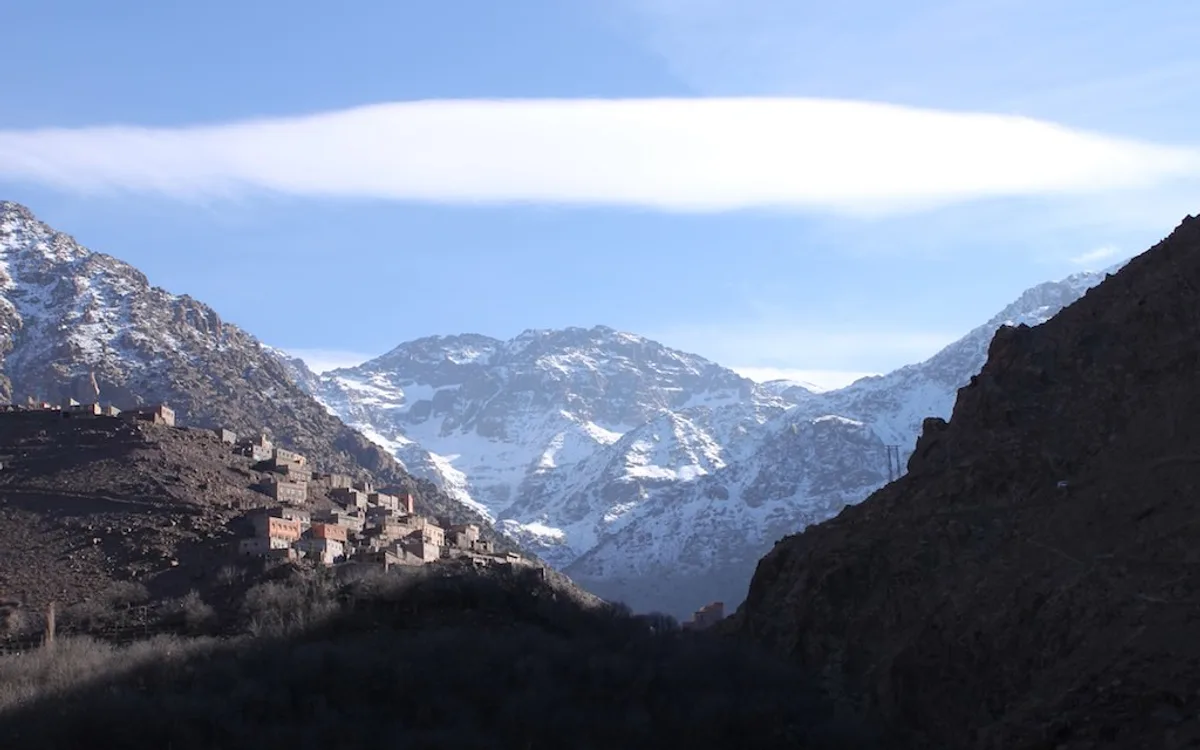
An Alpide-related intracontinental fold belt stretching 2,500 km across North Africa from Morocco to Tunisia, crowned by Precambrian–Paleozoic metamorphic massifs in the High Atlas including Toubkal (4,167 m).
Peer Review: Senior Editorial Board & Historical Reviewers • Editorial Standards
Key Statistics & Topographic Figures
- Archive Classification
- RANGES
Mountainity Knowledge Corpus
- Verification Status
- Editorially Verified
Archival Standards
- Citation Standard
- Primary Source Verified
Alpine Research Desk
Defined Alpine Terminology & Concepts
- Archival Integrity
- The standard of verifying historical mountain facts, summit claims, and altitudes using primary expeditions journals and geodetic measurements.
Frequently Asked Questions: Atlas Mountains
What historical significance does this range hold?
Atlas Mountains represents an essential chapter in global mountaineering heritage, verified through contemporary expedition journals and archival sources.
How are the facts and records for Atlas Mountains verified?
All records are checked against peer-reviewed journals, national alpine clubs, geodetic surveys, and the Mountainity Archival Integrity Policy.
Featured Summits in Atlas Mountains
Browse Range Summits →
Jebel Toubkal
At 4,167 meters (13,671 ft), Jebel Toubkal dominates the High Atlas of Morocco as the highest peak in North Africa. Although accessible as a strenuous alpine scramble up the Ikhibi Sud scree couloir in summer, winter converts Toubkal's steep cirques and North Face into a classic alpine snow-and-ice playground crowned by sweeping views stretching toward the Sahara and Atlantic.
Documented Sources & Archival Citations
- Institutional PortalAtlas Mountains — Tectonic Structure and Geomorphology ↗(Encyclopaedia Britannica / Geological Survey Archive)
Supporting claim: Geographical boundaries, apex elevation, and regional geology of Atlas Mountains.
Share Exploration
Global Mountain Intelligence
✓ Link copied to clipboard!