Trans-Mexican Volcanic Belt
A 1,000-kilometer Neogene–Quaternary subduction arc crossing central Mexico from the Pacific Ocean to the Gulf Coast, home to glaciated stratovolcanoes led by Pico de Orizaba (Citlaltépetl, 5,636 m) and Popocatépetl.
Peer Review: Senior Editorial Board & Historical Reviewers • Editorial Standards
Key Statistics & Topographic Figures
- Archive Classification
- RANGES
Mountainity Knowledge Corpus
- Verification Status
- Editorially Verified
Archival Standards
- Citation Standard
- Primary Source Verified
Alpine Research Desk
Defined Alpine Terminology & Concepts
- Archival Integrity
- The standard of verifying historical mountain facts, summit claims, and altitudes using primary expeditions journals and geodetic measurements.
Frequently Asked Questions: Trans-Mexican Volcanic Belt
What historical significance does this range hold?
Trans-Mexican Volcanic Belt represents an essential chapter in global mountaineering heritage, verified through contemporary expedition journals and archival sources.
How are the facts and records for Trans-Mexican Volcanic Belt verified?
All records are checked against peer-reviewed journals, national alpine clubs, geodetic surveys, and the Mountainity Archival Integrity Policy.
Featured Summits in Trans-Mexican Volcanic Belt
Browse Range Summits →
Pico de Orizaba
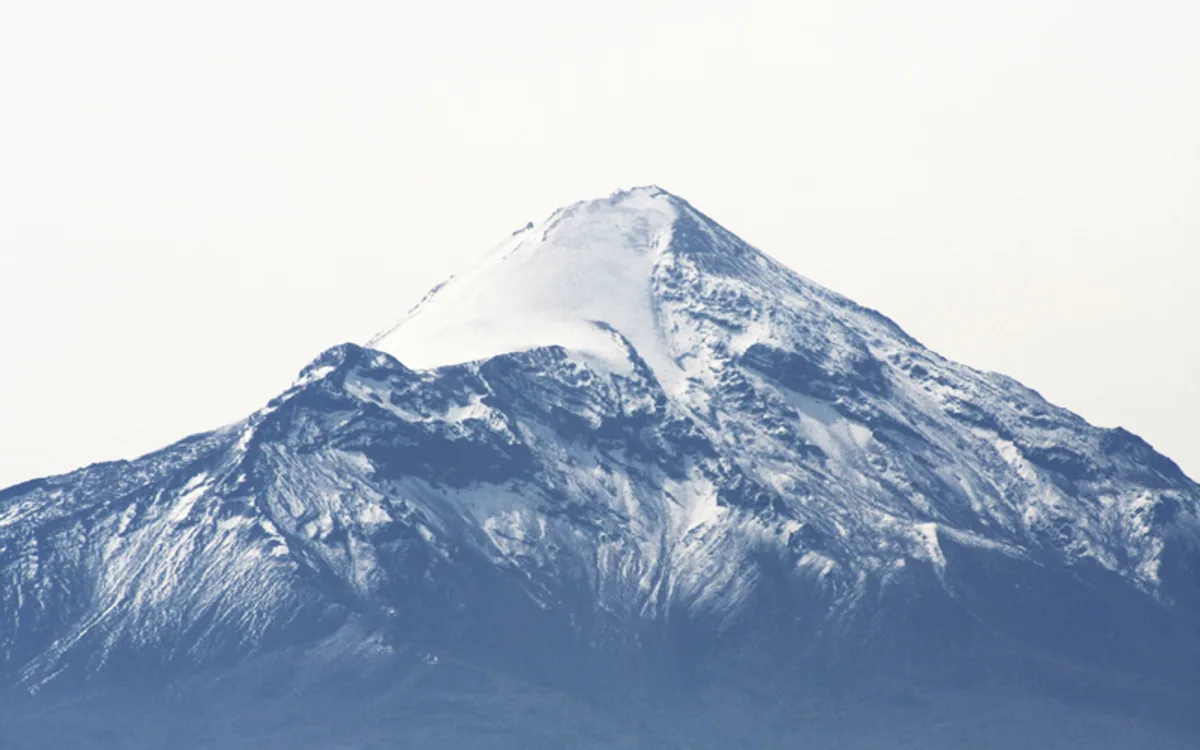
Known in Nahuatl as Citlaltépetl ('Star Mountain'), Pico de Orizaba rises to 5,636 meters (18,491 ft) along the border of Veracruz and Puebla in southern Mexico. Ranking seventh globally in topographic prominence (4,922 m), its symmetrical cone carries the Jamapa Glacier—one of Mexico's last tropical summit icefields—and serves as a premier altitude-acclimatization and mountaineering venue via Piedra Grande and the North Glacier.
Popocatépetl
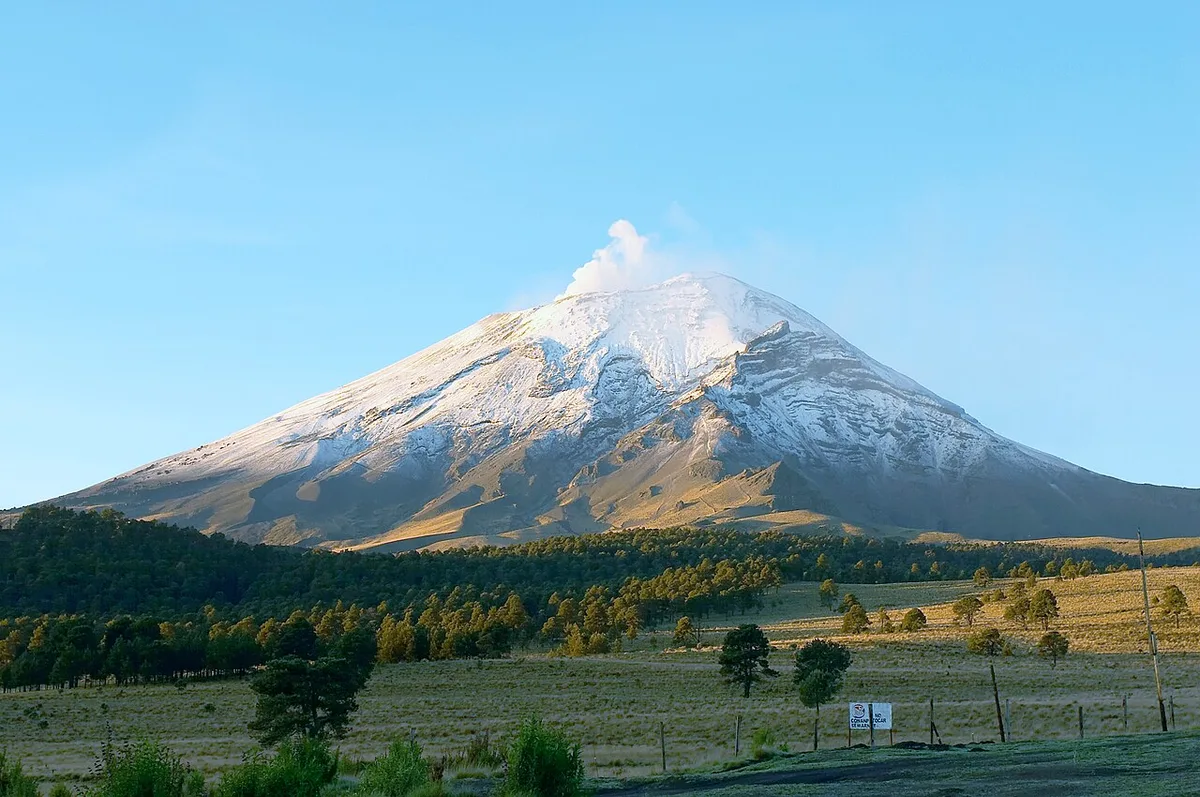
Popocatépetl (The Smoking Mountain) is an active stratovolcano and the second-highest peak in Mexico, rising to 5,426 meters. Overlooking Puebla and Mexico City, its active crater and towering ash plumes make it one of the most monitored volcanic giants in North America.
Iztaccíhuatl
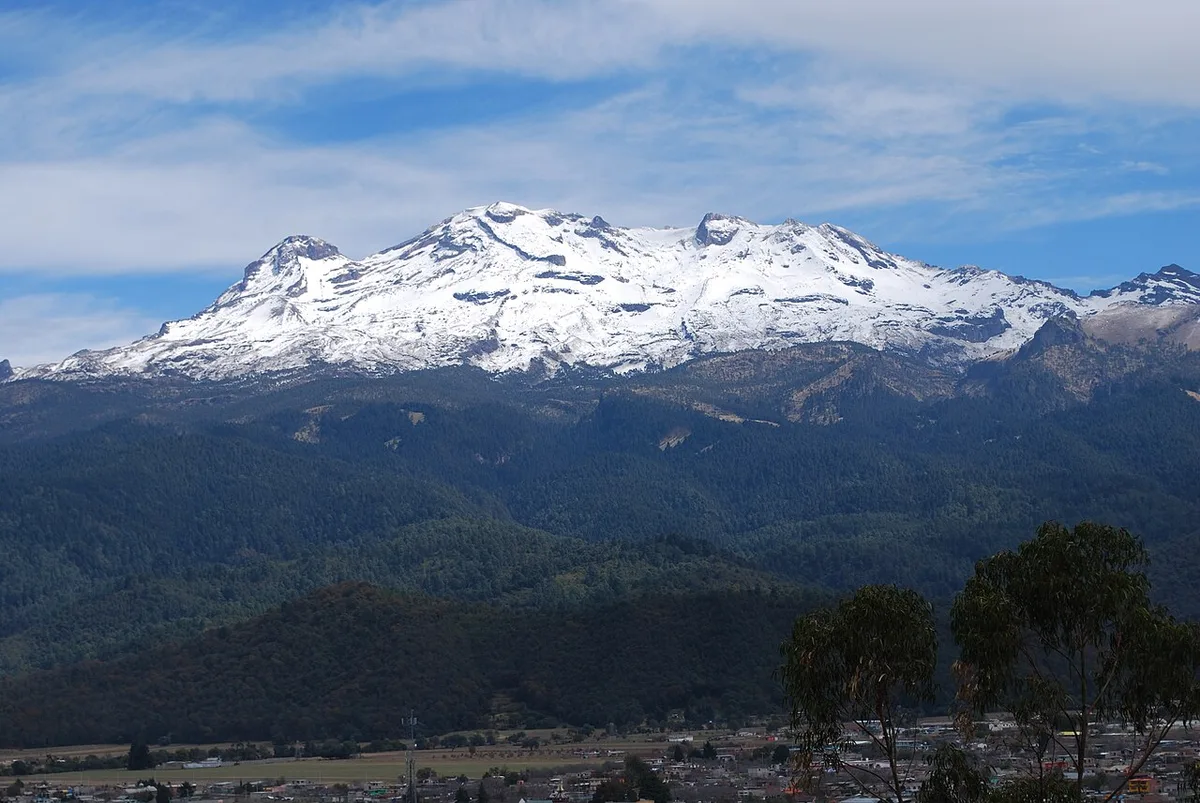
Iztaccíhuatl (The Sleeping Woman) is the third-highest mountain in Mexico, rising to 5,230 meters in the Trans-Mexican Volcanic Belt. Linked to neighboring Popocatépetl by the high Paso de Cortés, its iconic profile resembles a reclining woman with distinct peaks representing head, chest, knees, and feet.
Nevado de Toluca
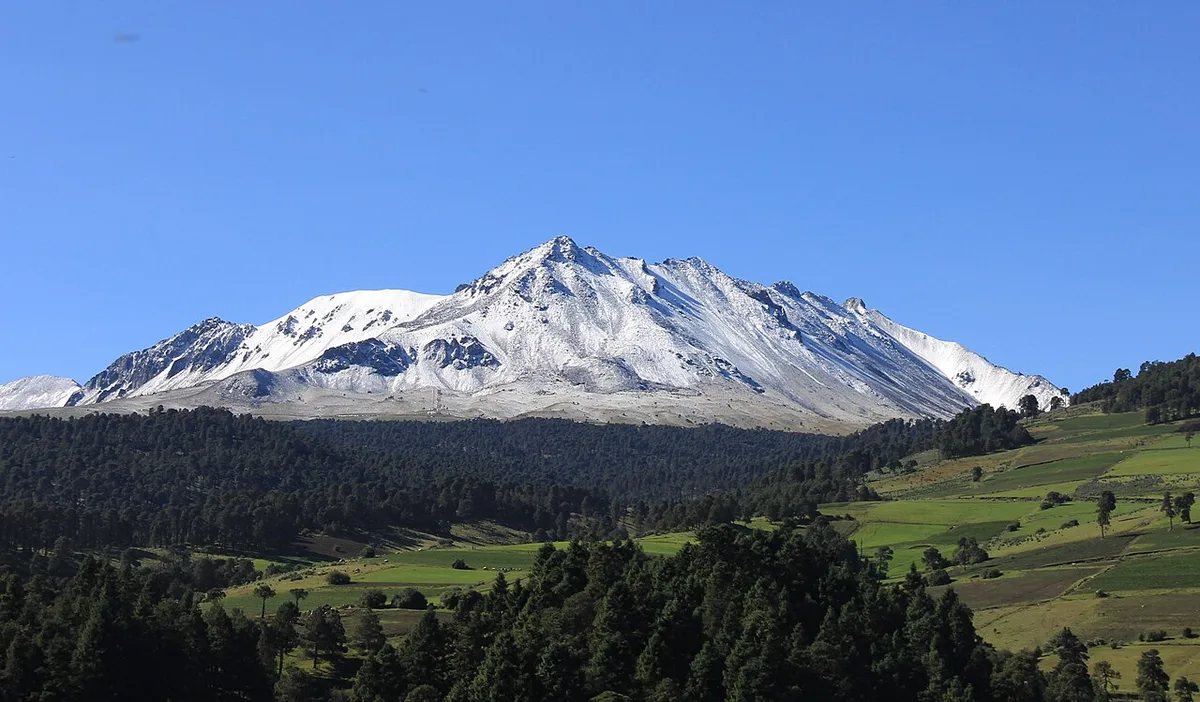
Nevado de Toluca (Xinantécatl) is an extinct stratovolcano in central Mexico, standing at 4,680 meters. Famous for its massive 1.5-kilometer summit caldera holding two turquoise crater lakes—the Lake of the Sun and the Lake of the Moon—it is a stunning alpine destination.
Documented Sources & Archival Citations
- Institutional PortalTrans-Mexican Volcanic Belt & Citlaltépetl Profile ↗(Smithsonian Institution Global Volcanism Program)
Supporting claim: Geographical boundaries, apex elevation, and regional geology of Trans-Mexican Volcanic Belt.
Share Exploration
Global Mountain Intelligence
✓ Link copied to clipboard!