Saint Elias Mountains
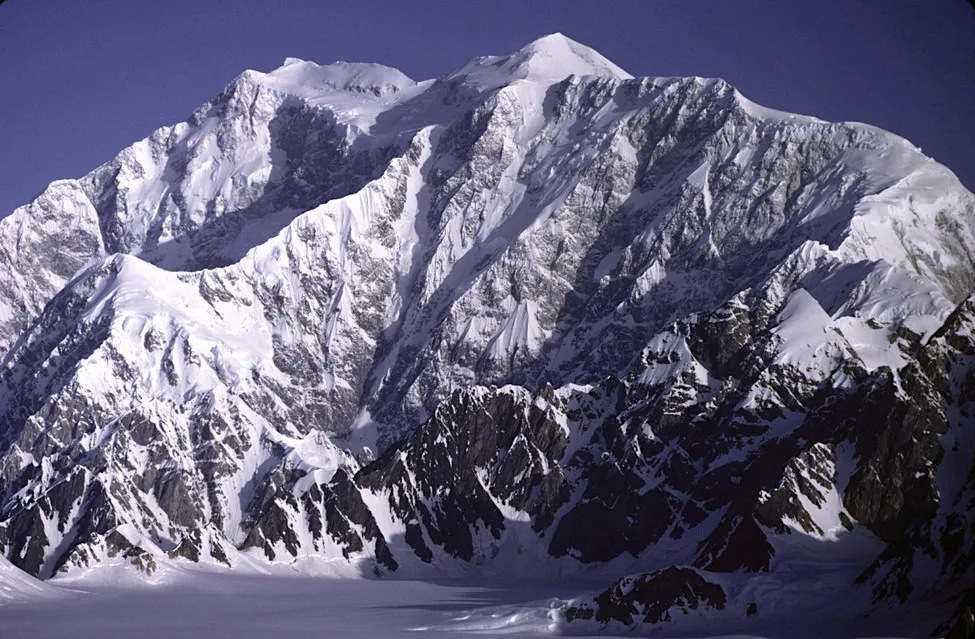
Earth’s highest coastal mountain range and host to North America’s largest non-polar icefields, rising directly from the Gulf of Alaska to massive glaciated ramparts led by Mount Logan (5,959 m) and Mount Saint Elias (5,489 m).
Peer Review: Senior Editorial Board & Historical Reviewers • Editorial Standards
Key Statistics & Topographic Figures
- Archive Classification
- RANGES
Mountainity Knowledge Corpus
- Verification Status
- Editorially Verified
Archival Standards
- Citation Standard
- Primary Source Verified
Alpine Research Desk
Defined Alpine Terminology & Concepts
- Archival Integrity
- The standard of verifying historical mountain facts, summit claims, and altitudes using primary expeditions journals and geodetic measurements.
Frequently Asked Questions: Saint Elias Mountains
What historical significance does this range hold?
Saint Elias Mountains represents an essential chapter in global mountaineering heritage, verified through contemporary expedition journals and archival sources.
How are the facts and records for Saint Elias Mountains verified?
All records are checked against peer-reviewed journals, national alpine clubs, geodetic surveys, and the Mountainity Archival Integrity Policy.
Featured Summits in Saint Elias Mountains
Browse Range Summits →
Mount Logan
Mount Logan rises to 5,959 meters (19,551 ft) in Kluane National Park and Reserve, Yukon, serving as Canada's highest summit and North America's second-tallest peak. Crowned by an expansive 20-kilometer-long summit plateau above 5,000 meters—where sub-Arctic Pacific storms deliver extreme windchill and barometric lows—Mount Logan harbors immense icefields including the Hubbard and Logan glaciers. First climbed on June 23, 1925 by a joint Canadian–American expedition led by Albert MacCarthy and H. F. Lambart after a monumental ski and sled approach across the Chitina River valley, Mount Logan also boasts celebrated technical lines on its East Ridge and Hummingbird Ridge.
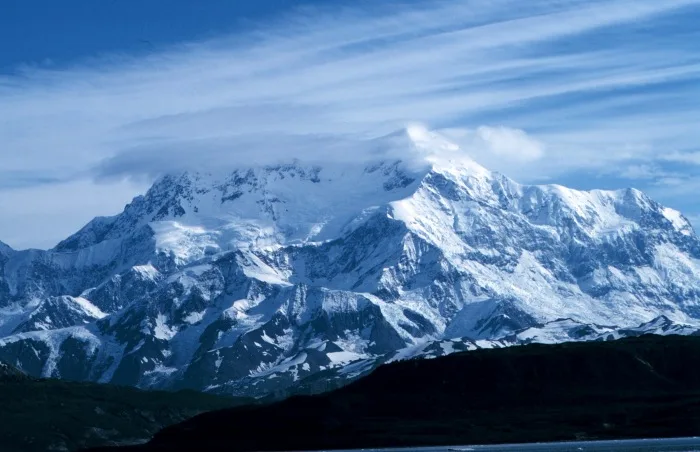

Mount Saint Elias
Mount Saint Elias (5,489 m / 18,008 ft) is the second-highest summit of both Canada and the United States, rising almost vertically from tidewater fjords along the Gulf of Alaska. Named by Vitus Bering's expedition in 1741 and revered in Tlingit tradition as Yas'éit'aa Shaa, its massive flanks shed titanic avalanches fed directly by Gulf of Alaska cyclones. Prince Luigi Amedeo, Duke of the Abruzzi, achieved its landmark first ascent on July 31, 1897 after hauling sleds up the Malaspina and Seward glaciers with photographer Vittorio Sella.
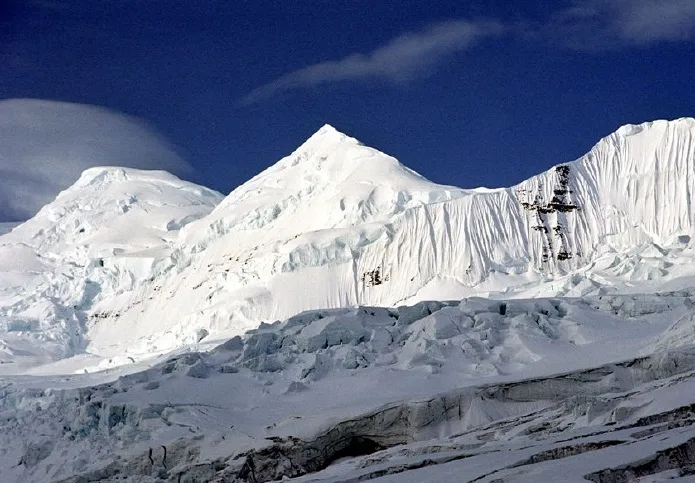
Mount Bona
Mount Bona is a colossal ice-draped stratovolcano in the Saint Elias Mountains of eastern Alaska, rising to 5,005 meters. As the fourth-highest independent peak in the United States, it is virtually buried beneath the immense Klutlan and Russell glaciers.
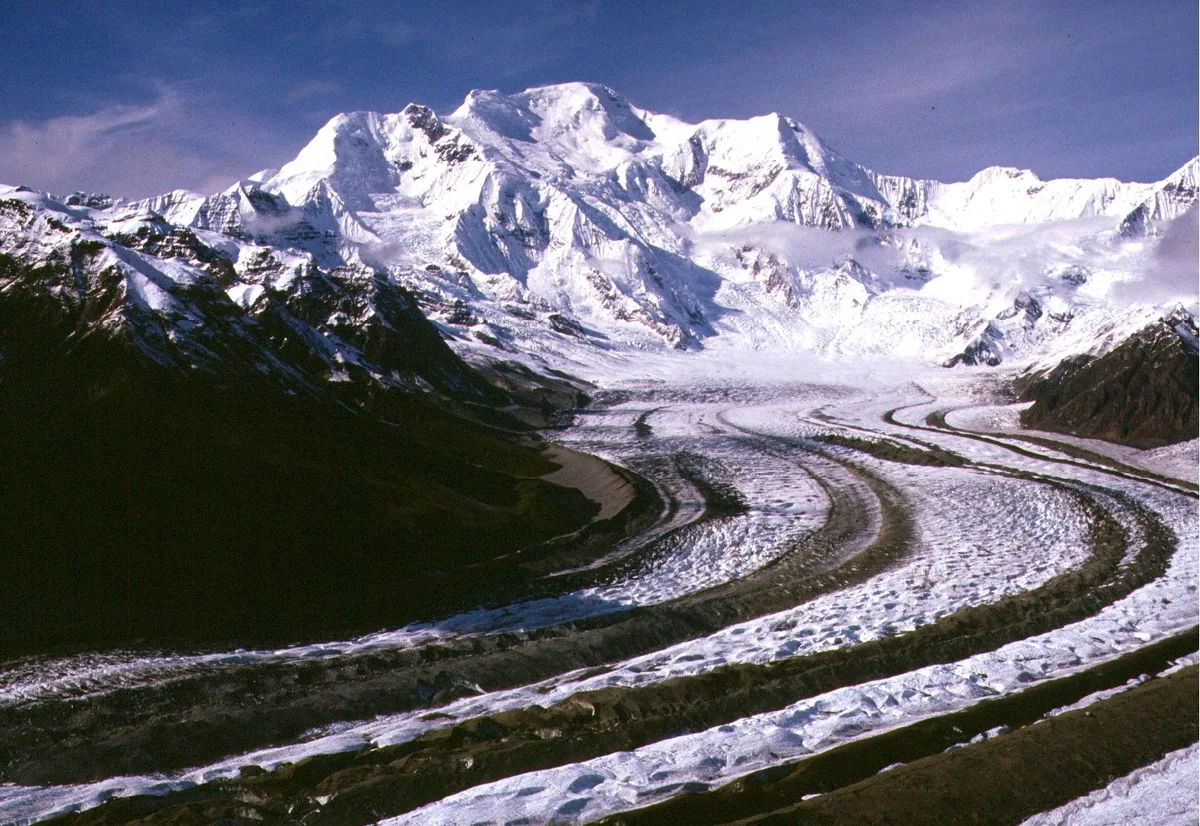
Mount Blackburn
Mount Blackburn is the highest peak in the Wrangell Mountains of Alaska and the fifth-highest peak in the United States, standing at 4,996 meters. Known historically for Dora Keen’s daring 1912 first ascent up the Kennicott and Barrett glaciers without professional Swiss guides, it has an immense prominence of 3,535 meters.
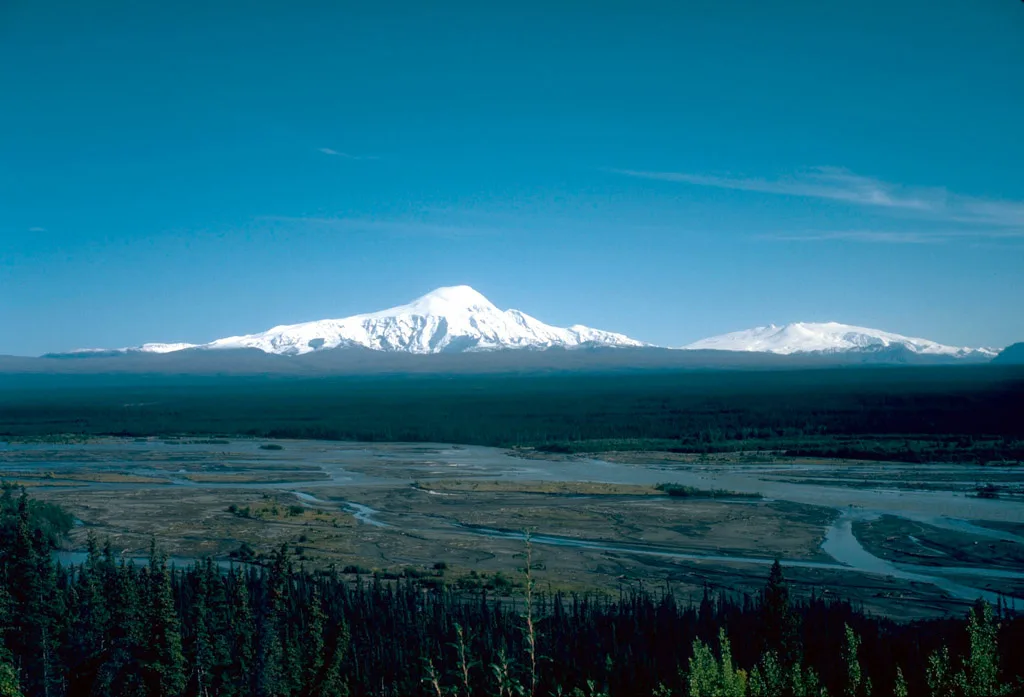
Mount Sanford
Mount Sanford is an ancient, heavily glaciated andesitic shield volcano in the Wrangell Mountains, rising to 4,949 meters. Featuring a colossal 2,400-meter sheer South Face—one of the largest rock and ice walls in North America—its gentle northern snow ramps provide a classic ski mountaineering line.
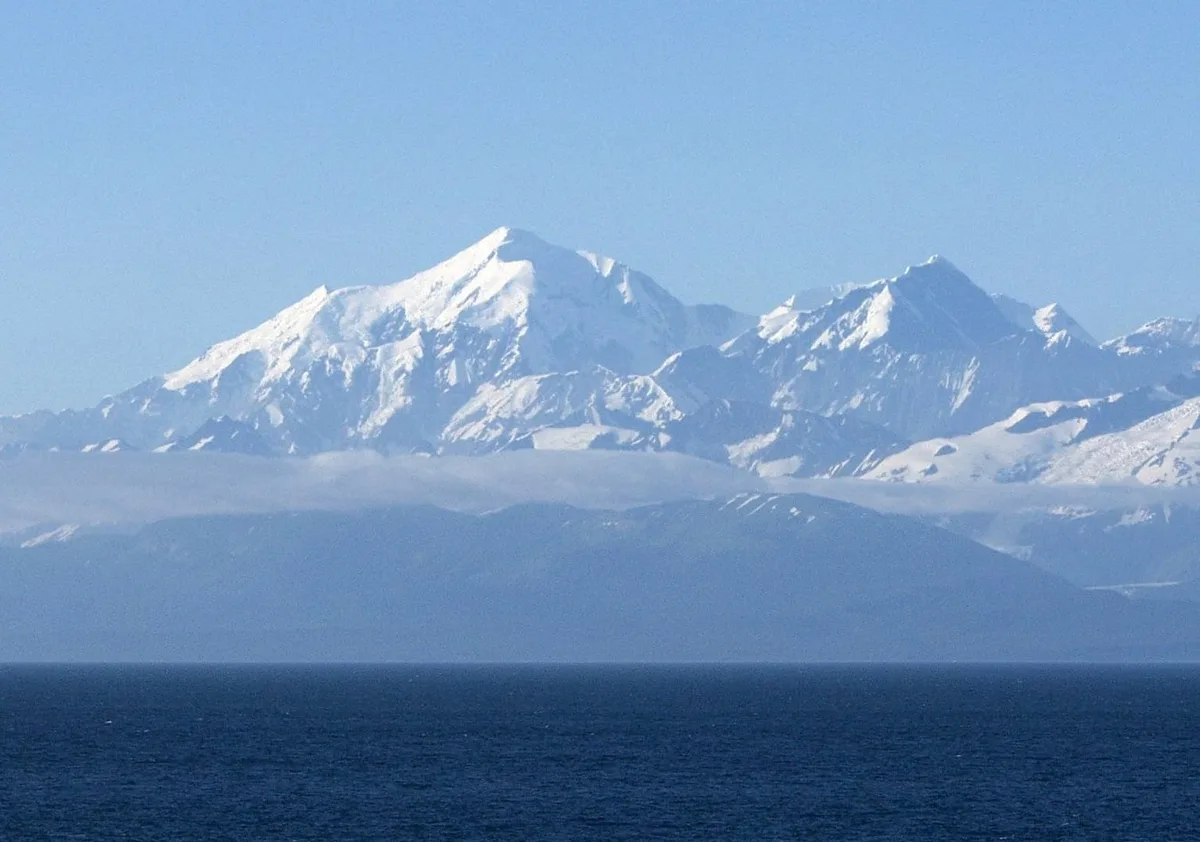
Mount Fairweather
Mount Fairweather (Fairweather Mountain) is the highest peak in British Columbia and Glacier Bay National Park, rising to 4,671 meters only 20 kilometers from the Pacific Ocean. With one of the greatest coastal vertical reliefs in the world and an ultra-prominence of 3,951 meters, it is battered by legendary maritime tempests.
Documented Sources & Archival Citations
- Institutional PortalKluane & Wrangell-St. Elias High Relief Archives ↗(American Alpine Club / Parks Canada)
Supporting claim: Geographical boundaries, apex elevation, and regional geology of Saint Elias Mountains.
Share Exploration
Global Mountain Intelligence
✓ Link copied to clipboard!