1937 Polish Andean Expedition to Volcán Copiapó
The Second Polish Andean Expedition: Jan Alfred Szczepański and Witold Paryski's historic 1937 modern first ascent of Volcán Copiapó (6,052m) in Chile.
Mountain Safety & Conditions Disclaimer: High-altitude climbing, glacial travel, and technical ascents entail severe objective risks including avalanches, serac collapses, rapid weather collapse, and altitude illness. Historical route descriptions and summit claims on Mountainity reflect documented archival sources and must not be used as live operational safety assessments. Local regulations, permits, and physical glacial topography change continuously.
Peer Review: Senior Editorial Board & Historical Reviewers • Editorial Standards
Official Expedition Narrative & Archival Record
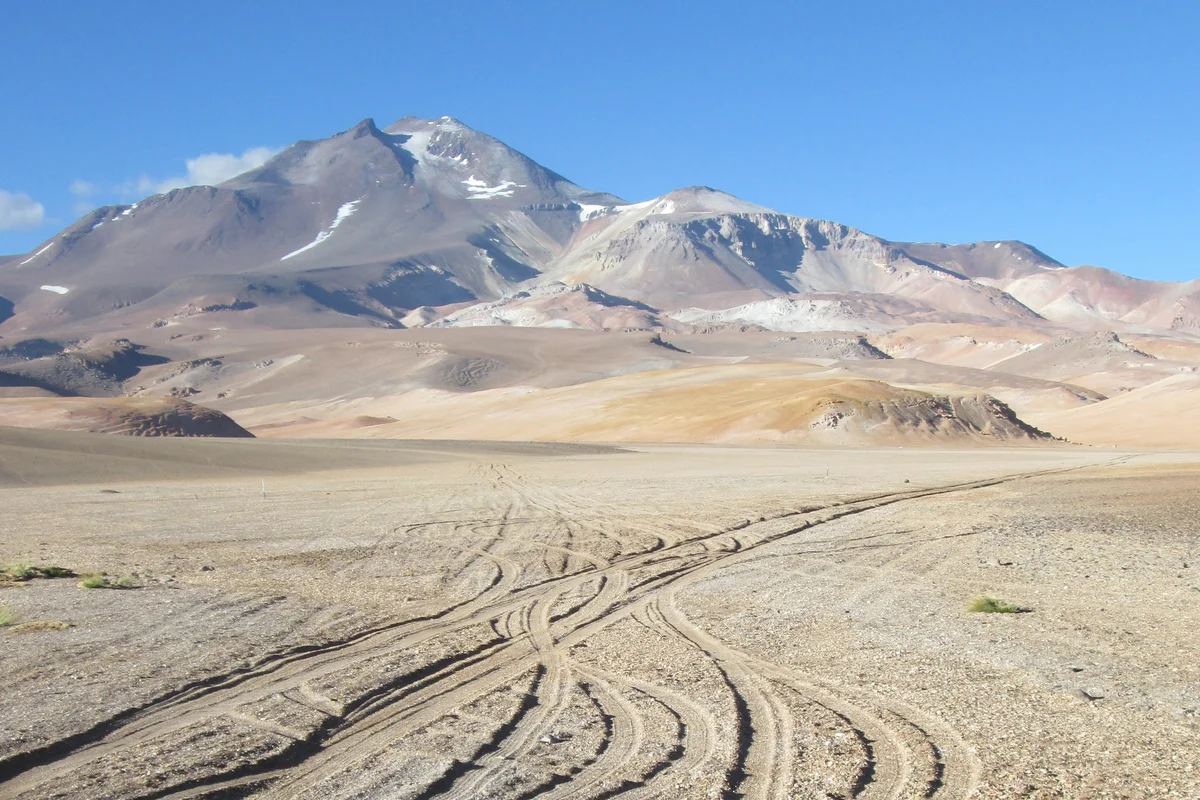
Volcán Copiapó (also known as Cerro Azufre, 6,052m / 19,856 ft) is an ultra-prominent stratovolcano rising on the western rim of the high Puna de Atacama in northern Chile. In pre-Columbian times, the peak served as one of the most sacred high-altitude sun sanctuaries in the Inca realm, crowned with extensive ceremonial masonry and offering sites. In early 1937, the Second Polish Andean Expedition—a legendary four-man team comprising Justyn Wojsznis, Stefan Osiecki, Jan Alfred Szczepański, and Witold Henryk Paryski—explored the unknown desert volcanoes of the Atacama. After achieving the maiden first ascents of Ojos del Salado and Pissis, the party explored Copiapó from the desolate Laguna Santa Rosa basin. On March 11, 1937, Szczepański and Paryski ascended the scree and sulfur ridges of the East Flank. Upon reaching the 6,052-meter crater rim, they recorded the definitive modern first ascent and became the first modern explorers to document the preserved Inca ruins, bringing high-altitude Andean archaeology to international attention.
Documented Team Composition
- Justyn Wojsznis (Expedition Co-Leader)
- Stefan Osiecki (Expedition Co-Leader)
- Jan Alfred Szczepański (Summiter, March 11)
- Witold Henryk Paryski (Summiter, March 11)
Key Statistics & Topographic Figures
- Official Outcome
- Historic Modern First Ascent & Archaeological Discovery
Expedition Status
- Summit Date
- 1937-03-11
Ascent Timestamp
- Target Objective
- copiapo
Mountain Peak
- Ascent Route
- copiapo-east-flank
Climbing Path
- Team Size
- 4 Climbers
High-Altitude Team
- Region / Country
- Chile (Atacama Region, Copiapó Province, Nevado Tres Cruces National Park)
Geography
Defined Alpine Terminology & Concepts
- Alpine Expedition
- A planned, self-contained high-altitude mountaineering undertaking operating in remote mountain terrain subject to extreme objective hazards.
- Death Zone
- The high-altitude region above 8,000 meters where atmospheric oxygen pressure is inadequate for sustained human survival.
Frequently Asked Questions: 1937 Polish Andean Expedition to Volcán Copiapó
What was the primary outcome and achievement of the 1937 Polish Andean Expedition to Volcán Copiapó?
Historic Modern First Ascent & Archaeological Discovery. The Second Polish Andean Expedition: Jan Alfred Szczepański and Witold Paryski's historic 1937 modern first ascent of Volcán Copiapó (6,052m) in Chile.
When did the 1937 Polish Andean Expedition to Volcán Copiapó reach the summit?
The expedition officially reached the summit on 1937-03-11, operating between 1937-01-10 and 1937-03-25.
Who were the documented climbing team members on the 1937 Polish Andean Expedition to Volcán Copiapó?
The documented climbing roster included: Justyn Wojsznis (Expedition Co-Leader), Stefan Osiecki (Expedition Co-Leader), Jan Alfred Szczepański (Summiter, March 11), Witold Henryk Paryski (Summiter, March 11).
What climbing route and mountain objective were tackled during the 1937 Polish Andean Expedition to Volcán Copiapó?
The expedition tackled copiapo via the copiapo-east-flank in Chile (Atacama Region, Copiapó Province, Nevado Tres Cruces National Park).
How are the records and summit claims of the 1937 Polish Andean Expedition to Volcán Copiapó verified?
Summit claims, route topography, and timeline logs for the 1937 Polish Andean Expedition to Volcán Copiapó are cross-referenced with official alpine registries, national mountaineering federations, and primary expedition journals.
Ascent Route & Topography
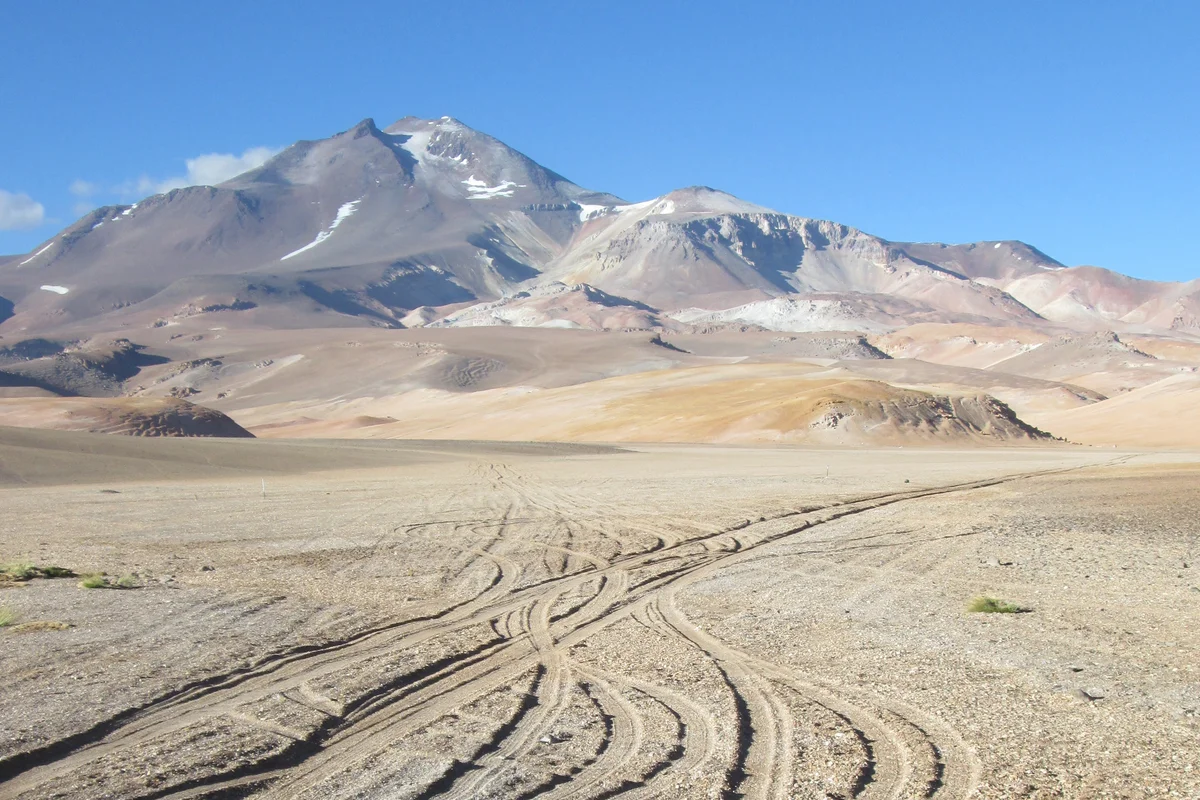
Volcán Copiapó East Flank (Normal Route)
Volcán Copiapó East Flank (Normal Route) is the legendary climbing route on Volcán Copiapó (6,052m), one of the prominent summits of the Chile alpine zone. First ascended historically during early...
Target Objective Peak

Volcán Copiapó
Volcán Copiapó (also known as Cerro Azufre) is a 6,052-meter (19,856 ft) extinct stratovolcano in the Atacama Region of northern Chile. Crowned by extensive sulfur deposits and an ultra-prominence of 1,700 meters, its summit was one of the highest sacred sanctuaries of the Inca Empire, featuring ceremonial stone platforms and offerings.
Documented Sources & Archival Citations
- Reference OverviewWyprawa w Andy ↗— by Jan Alfred Szczepański and Justyn Wojsznisin Taternik, Vol. 31, pp. 84–98 (1937)(Polski Związek Alpinizmu)
Supporting claim: Primary Polish expedition chronicle documenting the exploration and March 11, 1937 modern ascent of Volcán Copiapó.
- Primary Alpine JournalHigh Sanctuaries of the Andes: Copiapó ↗— by Witold Paryskiin The Alpine Journal, Vol. 50, pp. 112–119 (1938)(The Alpine Club)
Supporting claim: Archival report by Witold Paryski detailing the ascent of Copiapó and the discovery of Inca sacrificial platforms.
Share Exploration
Global Mountain Intelligence
✓ Link copied to clipboard!