1950 French Dhaulagiri Reconnaissance Expedition
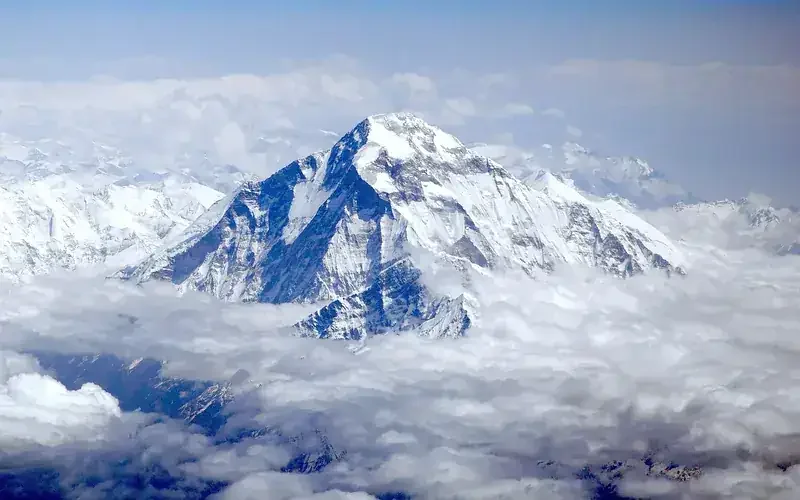
Maurice Herzog, Lionel Terray, and Louis Lachenal spent weeks exploring the fearsome gorges around Dhaulagiri I, declaring it unclimbable before turning their attention to achieve the first ascent of Annapurna I.
Mountain Safety & Conditions Disclaimer: High-altitude climbing, glacial travel, and technical ascents entail severe objective risks including avalanches, serac collapses, rapid weather collapse, and altitude illness. Historical route descriptions and summit claims on Mountainity reflect documented archival sources and must not be used as live operational safety assessments. Local regulations, permits, and physical glacial topography change continuously.
Peer Review: Senior Editorial Board & Historical Reviewers • Editorial Standards
Official Expedition Narrative & Archival Record
In April 1950, the French Himalayan Expedition arrived in central Nepal with permission to tackle either Dhaulagiri (8,167m) or Annapurna (8,091m). Reconnoitering Dhaulagiri via the Mayangdi Khola gorge, scouting parties led by Lionel Terray, Louis Lachenal, and Gaston Rébuffat were confronted by sheer 4,000-metre ice-glazed walls, constant avalanches, and zero feasible camp sites. Concluding Dhaulagiri was impregnable with 1950 gear, leader Maurice Herzog pivoted the entire team to Annapurna, making history on June 3.
Documented Team Composition
- Maurice Herzog
- Lionel Terray
- Louis Lachenal
- Gaston Rébuffat
- Jean Couzy
- Marcel Ichac
Key Statistics & Topographic Figures
- Official Outcome
- Exploration of Mayangdi Khola & Route Rejection Leading to Annapurna
Expedition Status
- Summit Date
- 1950-05-15
Ascent Timestamp
- Target Objective
- dhaulagiri
Mountain Peak
- Ascent Route
- the documented ascent route
Climbing Path
- Team Size
- 6 Climbers
High-Altitude Team
- Region / Country
- Nepal (Dhaulagiri Himal)
Geography
Defined Alpine Terminology & Concepts
- Alpine Expedition
- A planned, self-contained high-altitude mountaineering undertaking operating in remote mountain terrain subject to extreme objective hazards.
- Death Zone
- The high-altitude region above 8,000 meters where atmospheric oxygen pressure is inadequate for sustained human survival.
Frequently Asked Questions: 1950 French Dhaulagiri Reconnaissance Expedition
What was the primary outcome and achievement of the 1950 French Dhaulagiri Reconnaissance Expedition?
Exploration of Mayangdi Khola & Route Rejection Leading to Annapurna. Maurice Herzog, Lionel Terray, and Louis Lachenal spent weeks exploring the fearsome gorges around Dhaulagiri I, declaring it unclimbable before turning their attention to achieve the first ascent of Annapurna I.
When did the 1950 French Dhaulagiri Reconnaissance Expedition reach the summit?
Summit and operational dates for the 1950 French Dhaulagiri Reconnaissance Expedition are documented across 1950-04-01 to 1950-05-15.
Who were the documented climbing team members on the 1950 French Dhaulagiri Reconnaissance Expedition?
The documented climbing roster included: Maurice Herzog, Lionel Terray, Louis Lachenal, Gaston Rébuffat, Jean Couzy, Marcel Ichac.
What climbing route and mountain objective were tackled during the 1950 French Dhaulagiri Reconnaissance Expedition?
The expedition tackled dhaulagiri via the the documented ascent route in Nepal (Dhaulagiri Himal).
How are the records and summit claims of the 1950 French Dhaulagiri Reconnaissance Expedition verified?
Summit claims, route topography, and timeline logs for the 1950 French Dhaulagiri Reconnaissance Expedition are cross-referenced with official alpine registries, national mountaineering federations, and primary expedition journals.
Target Objective Peak
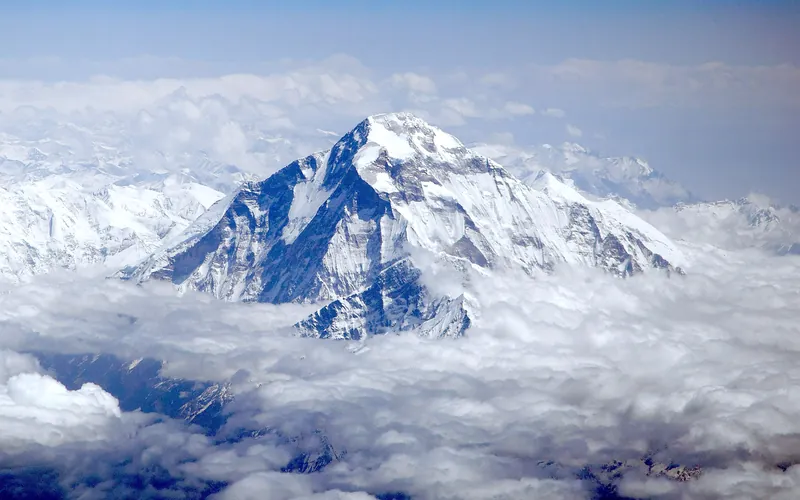

Dhaulagiri I
Dhaulagiri I, at 8,167 meters (26,795 ft), is the seventh-highest mountain on Earth and the highest peak situated entirely within Nepal. Rising steeply above the Kali Gandaki Gorge—the deepest gorge on Earth—opposite Annapurna, Dhaulagiri forms a staggering 7,000-meter vertical rise from the river valley.
Documented Sources & Archival Citations
- Archival PublicationAnnapurna: First Conquest of an 8000-Meter Peak— by Maurice Herzog(Jonathan Cape, London)
- Archival DatabaseThe Himalayan Database — Expedition Chronicle (DHA150101) ↗(Elizabeth Hawley / The Himalayan Database)
Supporting claim: Official Himalayan expedition chronology, camp telemetry, summit records and member log
Share Exploration
Global Mountain Intelligence
✓ Link copied to clipboard!