1952 Autumn Swiss Mount Everest Expedition
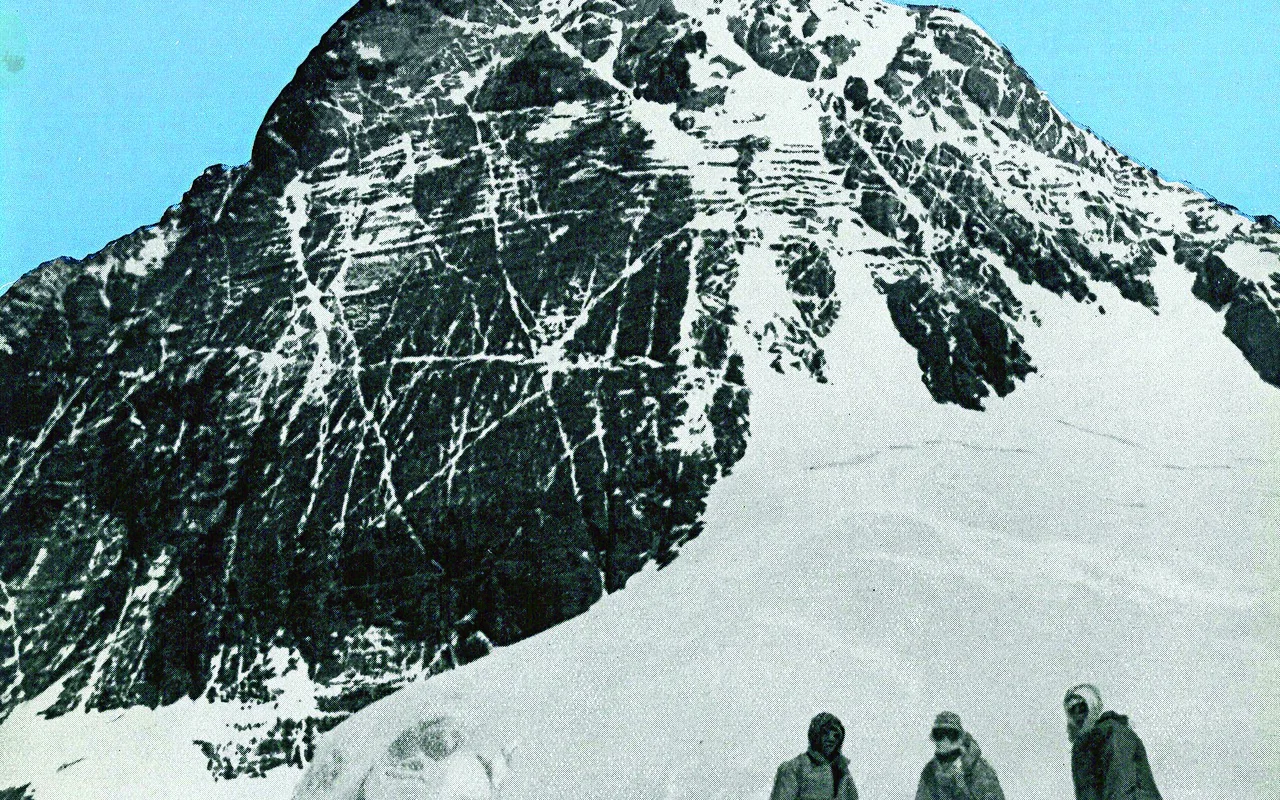
Led by Gabriel Chevalley, the autumn 1952 Swiss expedition mounted the first post-monsoon assault on Everest, reaching 8,100m on the South Col in brutal sub-zero winds.
Mountain Safety & Conditions Disclaimer: High-altitude climbing, glacial travel, and technical ascents entail severe objective risks including avalanches, serac collapses, rapid weather collapse, and altitude illness. Historical route descriptions and summit claims on Mountainity reflect documented archival sources and must not be used as live operational safety assessments. Local regulations, permits, and physical glacial topography change continuously.
Peer Review: Senior Editorial Board & Historical Reviewers • Editorial Standards
Official Expedition Narrative & Archival Record
Immediately following the historic spring 1952 attempt, the Swiss Foundation for Alpine Research dispatched a second expedition in autumn 1952 led by Dr. Gabriel Chevalley to mount the first post-monsoon assault on Mount Everest. Raymond Lambert, Ernst Reiss, and Tenzing Norgay (formally designated as sirdar-alpinist) rejoined the effort. Operating in late October and November, the team encountered extreme Himalayan winter conditions: temperatures plummeted below -35°C and howling hurricane-force jet-stream winds tore through the Western Cwm. On October 31, an ice avalanche on the Lhotse Face struck the load-ferrying party, resulting in the tragic death of one expedition Sherpa porter and injuring three others. Despite profound grief, Lambert, Reiss, and Tenzing pushed across the Lhotse Face to reach the desolate South Col (7,925m) on November 19. On November 20, the assault party launched a summit bid along the Southeast Ridge, reaching approximately 8,100 metres before being halted by savage gusts that made standing upright impossible. Their heroic effort proved that high-altitude climbing in late autumn was feasible under proper logistics.
Documented Team Composition
- Gabriel Chevalley (Expedition Leader)
- Raymond Lambert (Lead Climber)
- Tenzing Norgay (Sirdar & Lead Climber)
- Ernst Reiss (Lead Climber)
- Arthur Spöhel (Photographer)
- Gustave Gross (Climber)
- Jean Buzio (Climber)
Key Statistics & Topographic Figures
- Official Outcome
- Post-Monsoon High-Altitude Attempt Thwarted by Hurricane Jet-Stream Winds at 8,100m
Expedition Status
- Summit Date
- 1952-12-05
Ascent Timestamp
- Target Objective
- mount-everest
Mountain Peak
- Ascent Route
- south-col-route
Climbing Path
- Team Size
- 7 Climbers
High-Altitude Team
- Region / Country
- Nepal (Khumbu / Mahalangur Himal)
Geography
Defined Alpine Terminology & Concepts
- Alpine Expedition
- A planned, self-contained high-altitude mountaineering undertaking operating in remote mountain terrain subject to extreme objective hazards.
- Death Zone
- The high-altitude region above 8,000 meters where atmospheric oxygen pressure is inadequate for sustained human survival.
Frequently Asked Questions: 1952 Autumn Swiss Mount Everest Expedition
What was the primary outcome and achievement of the 1952 Autumn Swiss Mount Everest Expedition?
Post-Monsoon High-Altitude Attempt Thwarted by Hurricane Jet-Stream Winds at 8,100m. Led by Gabriel Chevalley, the autumn 1952 Swiss expedition mounted the first post-monsoon assault on Everest, reaching 8,100m on the South Col in brutal sub-zero winds.
When did the 1952 Autumn Swiss Mount Everest Expedition reach the summit?
Summit and operational dates for the 1952 Autumn Swiss Mount Everest Expedition are documented across 1952-09-10 to 1952-12-05.
Who were the documented climbing team members on the 1952 Autumn Swiss Mount Everest Expedition?
The documented climbing roster included: Gabriel Chevalley (Expedition Leader), Raymond Lambert (Lead Climber), Tenzing Norgay (Sirdar & Lead Climber), Ernst Reiss (Lead Climber), Arthur Spöhel (Photographer), Gustave Gross (Climber), Jean Buzio (Climber).
What climbing route and mountain objective were tackled during the 1952 Autumn Swiss Mount Everest Expedition?
The expedition tackled mount-everest via the south-col-route in Nepal (Khumbu / Mahalangur Himal).
How are the records and summit claims of the 1952 Autumn Swiss Mount Everest Expedition verified?
Summit claims, route topography, and timeline logs for the 1952 Autumn Swiss Mount Everest Expedition are cross-referenced with official alpine registries, national mountaineering federations, and primary expedition journals.
Ascent Route & Topography
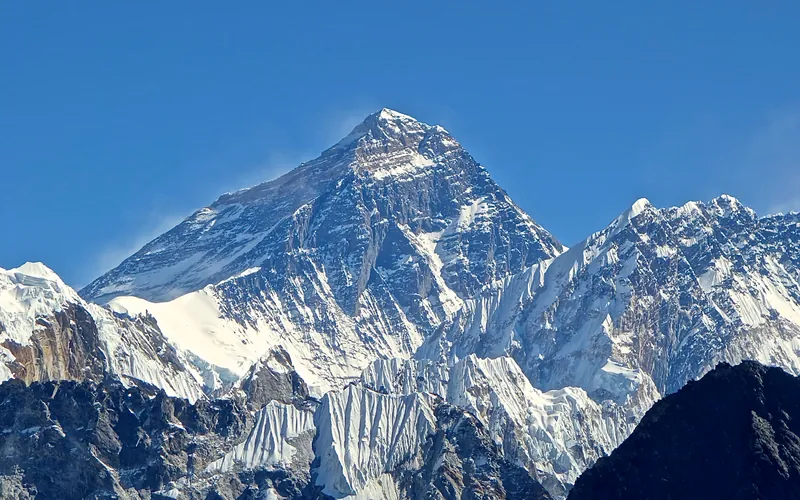
South Col & Southeast Ridge (Normal Route)
The South Col Route along the Southeast Ridge is the historic path of the 1953 first ascent and the most popular route on Mount Everest. Starting from Base Camp on the Khumbu Glacier in Nepal,...
Target Objective Peak


Mount Everest
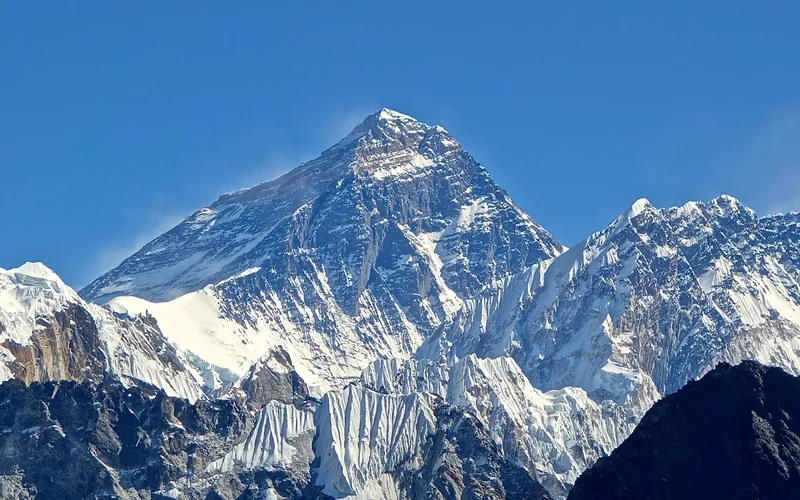
Mount Everest is the highest mountain above sea level on Earth, standing at an official elevation of 8,848.86 meters (29,031.7 ft). Straddling the international frontier between Nepal and China, it is known locally as Sagarmatha in Nepali ('Goddess of the Sky') and Chomolungma in Tibetan ('Mother Goddess of the World'). The peak rises into the extreme upper troposphere, where oxygen levels drop to barely one-third of sea-level pressure. Climbers face hurricane-force jet stream winds, severe frostbite conditions, shifting ice crevasses in the Khumbu Icefall, and the dangerous Death Zone above 8,000 meters.
Featured Expedition Climbers
Ernst Reiss
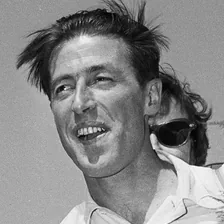
Ernst 'Ere' Reiss was born on February 24, 1920, in Davos, Switzerland. Immersed in the high alpine valleys of the Graubünden canton, Reiss trained as a precision mechanic before dedicating his life to alpine rescue,...

Raymond Lambert
Raymond Lambert was one of the most tenacious figures in mountaineering history. After surviving a harrowing winter bivouac in 1937 on the Aiguilles Diablerets that resulted in the amputation of all his toes and parts...
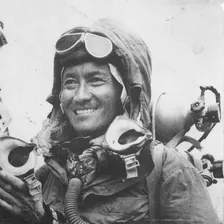
Tenzing Norgay
Tenzing Norgay was born in late May 1914 in the Khumbu region of northeastern Nepal into a Tibetan yak-herding family, initially given the name Namgyal Wangdi. Following a childhood illness, his parents consulted the...
Documented Sources & Archival Citations
- Archival DatabaseHimalayan Database: Everest Expedition EVER52301 (Autumn 1952) ↗(The Himalayan Database)
Supporting claim: Documents leader Gabriel Chevalley, high point 8,100m on 20 November 1952, and one staff death from ice avalanche.
- Archival PublicationForerunners to Everest: The Story of the Two Swiss Expeditions of 1952— by René Dittert, Gabriel Chevalley & Raymond Lambert(Allen & Unwin)
Supporting claim: First-hand accounts of the autumn South Col push and severe cold conditions.
Share Exploration
Global Mountain Intelligence
✓ Link copied to clipboard!