1953 Austro-German Ausangate Expedition
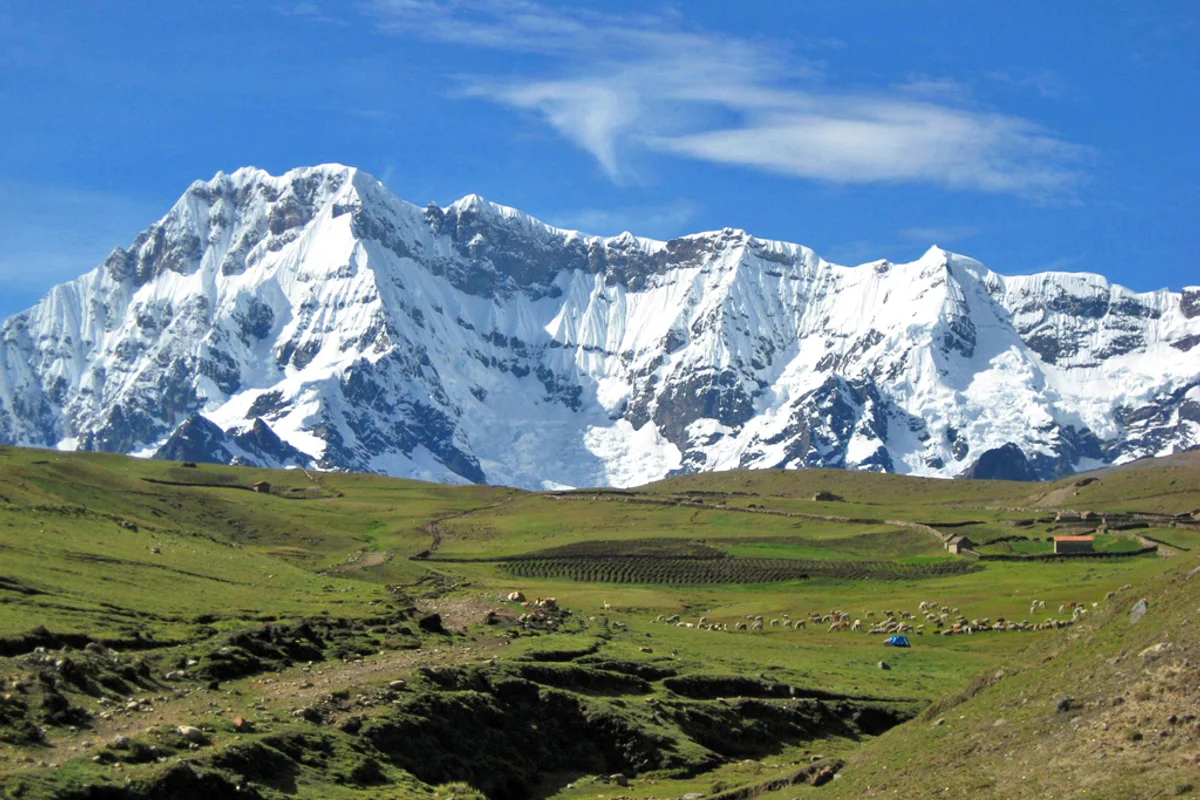
The 1953 Austro-German expedition led by Heinrich Harrer that achieved the maiden first ascent of Ausangate (6,384m), sacred monarch of the Cordillera Vilcanota.
Mountain Safety & Conditions Disclaimer: High-altitude climbing, glacial travel, and technical ascents entail severe objective risks including avalanches, serac collapses, rapid weather collapse, and altitude illness. Historical route descriptions and summit claims on Mountainity reflect documented archival sources and must not be used as live operational safety assessments. Local regulations, permits, and physical glacial topography change continuously.
Peer Review: Senior Editorial Board & Historical Reviewers • Editorial Standards
Official Expedition Narrative & Archival Record
Nevado Ausangate (6,384m / 20,945 ft) reigns as the supreme mountain deity (Apu) of the indigenous Quechua people and the highest summit of the Cordillera Vilcanota in southeastern Peru. Flanked by turquoise glacial lagoons, sheer hanging glaciers, and towering ice headwalls rising from the high puna, Ausangate had long resisted all exploration. In the late southern winter of 1953, renowned Austrian explorer and author Heinrich Harrer organized an Austro-German expedition under the auspices of the Österreichischer Alpenverein. After establishing base camp in the remote Vilcanota highlands and conducting extensive route surveys, the climbing team attacked the glaciated south flank. Navigating complex crevasses and steep snow slopes, the party placed high assault bivouacs beneath the summit crest. On September 24, 1953, Fritz März, Heinz Steinmetz, and Jürgen Wellenkamp pressed through biting sub-zero winds to conquer the 6,384-meter summit, completing the historic maiden first ascent of the sacred Incan giant under Harrer's expedition leadership.
Documented Team Composition
- Heinrich Harrer (Expedition Leader & Geographer)
- Fritz März (Summiter, September 24)
- Heinz Steinmetz (Summiter, September 24)
- Jürgen Wellenkamp (Summiter, September 24)
- Dr. Fritz Lobbichler (Expedition Botanist & Geographer)
Key Statistics & Topographic Figures
- Official Outcome
- Historic Maiden First Ascent
Expedition Status
- Summit Date
- 1953-09-24
Ascent Timestamp
- Target Objective
- ausangate
Mountain Peak
- Ascent Route
- the documented ascent route
Climbing Path
- Team Size
- 5 Climbers
High-Altitude Team
- Region / Country
- Peru (Cusco Region, Quispicanchi and Canchis Provinces, Cordillera Vilcanota, Andes)
Geography
Defined Alpine Terminology & Concepts
- Alpine Expedition
- A planned, self-contained high-altitude mountaineering undertaking operating in remote mountain terrain subject to extreme objective hazards.
- Death Zone
- The high-altitude region above 8,000 meters where atmospheric oxygen pressure is inadequate for sustained human survival.
Frequently Asked Questions: 1953 Austro-German Ausangate Expedition
What was the primary outcome and achievement of the 1953 Austro-German Ausangate Expedition?
Historic Maiden First Ascent. The 1953 Austro-German expedition led by Heinrich Harrer that achieved the maiden first ascent of Ausangate (6,384m), sacred monarch of the Cordillera Vilcanota.
When did the 1953 Austro-German Ausangate Expedition reach the summit?
The expedition officially reached the summit on 1953-09-24, operating between 1953-08-15 and 1953-10-10.
Who were the documented climbing team members on the 1953 Austro-German Ausangate Expedition?
The documented climbing roster included: Heinrich Harrer (Expedition Leader & Geographer), Fritz März (Summiter, September 24), Heinz Steinmetz (Summiter, September 24), Jürgen Wellenkamp (Summiter, September 24), Dr. Fritz Lobbichler (Expedition Botanist & Geographer).
What climbing route and mountain objective were tackled during the 1953 Austro-German Ausangate Expedition?
The expedition tackled ausangate via the the documented ascent route in Peru (Cusco Region, Quispicanchi and Canchis Provinces, Cordillera Vilcanota, Andes).
How are the records and summit claims of the 1953 Austro-German Ausangate Expedition verified?
Summit claims, route topography, and timeline logs for the 1953 Austro-German Ausangate Expedition are cross-referenced with official alpine registries, national mountaineering federations, and primary expedition journals.
Target Objective Peak

Ausangate
Ausangate is a majestic 6,000-meter peak rising to 6384 meters in the Andes (Cusco, Peru). Documented in international mountaineering archives following its historic first ascent in 1953 by Heinrich Harrer, Fritz Kasparek, Heinz Steinmetz (Austria), the peak presents technical ridgelines and high-altitude alpine terrain.
Featured Expedition Climber
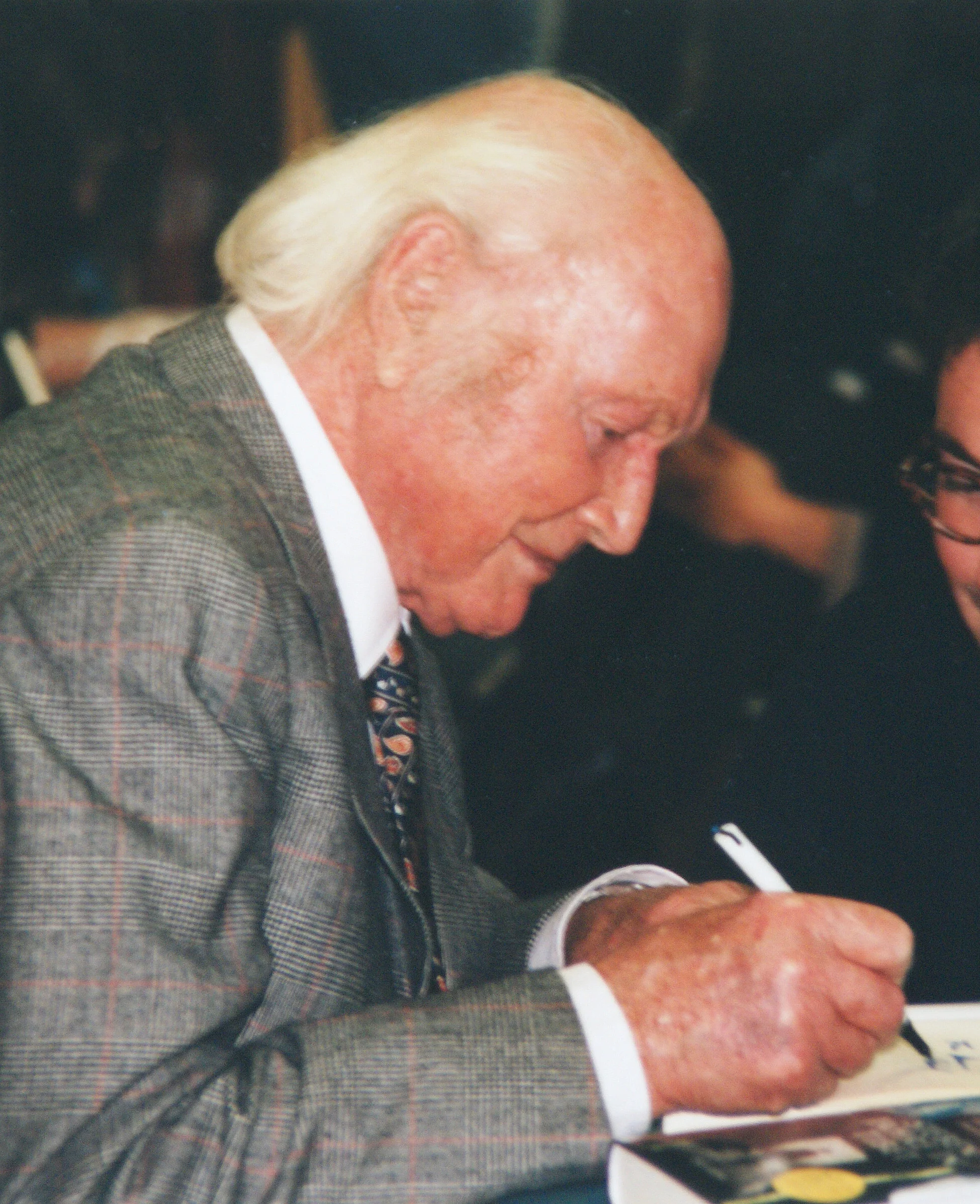
Heinrich Harrer
Heinrich Harrer was born on July 6, 1912, in Hüttenberg, Carinthia, Austria. A prodigiously gifted multi-sport athlete, Harrer studied geography and sports science at the University of Graz, competing in the 1936 Winter...
Documented Sources & Archival Citations
- Primary Alpine JournalThe Austro-German Expedition to the Cordillera Vilcanota, 1953 ↗— by Heinrich Harrerin The Alpine Journal, Vol. 59, pp. 384–392 (1954)(The Alpine Club)
Supporting claim: Official expedition leadership chronicle by Heinrich Harrer documenting Vilcanota exploration and the first ascent of Ausangate.
- Reference OverviewAusangate: Erstbesteigung des heiligen Berges der Inkas ↗— by Heinz Steinmetzin Der Bergsteiger, Vol. 21, pp. 112–119 (1954)(Bruckmann Verlag)
Supporting claim: Firsthand German alpine chronicle detailing route finding, high bivouacs, and the September 24, 1953 summit climb.
Share Exploration
Global Mountain Intelligence
✓ Link copied to clipboard!