1955 Norman Dyhrenfurth Palung Historic Expedition
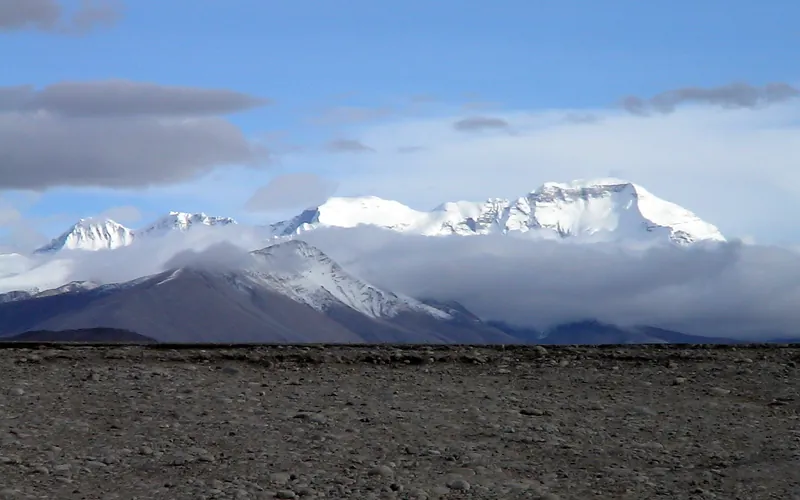
In 1955, the USA expedition led by Norman Dyhrenfurth tackled Palung (7012m) via the technical Normal Route, providing foundational route documentation in the Golden Age of Himalayan exploration.
Mountain Safety & Conditions Disclaimer: High-altitude climbing, glacial travel, and technical ascents entail severe objective risks including avalanches, serac collapses, rapid weather collapse, and altitude illness. Historical route descriptions and summit claims on Mountainity reflect documented archival sources and must not be used as live operational safety assessments. Local regulations, permits, and physical glacial topography change continuously.
Peer Review: Senior Editorial Board & Historical Reviewers • Editorial Standards
Official Expedition Narrative & Archival Record
During the Golden Age of Himalayan exploration, the 1955 expedition to Palung (7012m) represented a bold high-altitude undertaking organized under the leadership of Norman Dyhrenfurth. Operating with backing from International Himalayan Expedition 1955, the team navigated the demanding approach via Khumbu Valley->Nangpa La. On the mountain, climbers methodically fixed camps: Smt(16/06). Confronting steep objective hazards, unpredictable Himalayan weather, and technical terrain along the Normal Route, the summit party successfully stood atop Palung on 16/06/1955, achieving an enduring triumph. The expedition's detailed topographical and photographic documentation remains a cornerstone of archival records in Elizabeth Hawley's Himalayan Database.
Documented Team Composition
- Norman Guenter Dyhrenfurth (USA/Switzerland, Expedition Leader, Climbing Member)
- Erwin Schneider (Austria, Climber, Summited (16/06/1955))
- Ernst Senn (Austria, Climber, Summited (16/06/1955))
Key Statistics & Topographic Figures
- Official Outcome
- Successful Ascent via Normal Route
Expedition Status
- Summit Date
- 1955-06-16
Ascent Timestamp
- Target Objective
- palung
Mountain Peak
- Ascent Route
- the documented ascent route
Climbing Path
- Team Size
- 3 Climbers
High-Altitude Team
- Region / Country
- Nepal (Himalaya)
Geography
Defined Alpine Terminology & Concepts
- Alpine Expedition
- A planned, self-contained high-altitude mountaineering undertaking operating in remote mountain terrain subject to extreme objective hazards.
- Death Zone
- The high-altitude region above 8,000 meters where atmospheric oxygen pressure is inadequate for sustained human survival.
Frequently Asked Questions: 1955 Norman Dyhrenfurth Palung Historic Expedition
What was the primary outcome and achievement of the 1955 Norman Dyhrenfurth Palung Historic Expedition?
Successful Ascent via Normal Route. In 1955, the USA expedition led by Norman Dyhrenfurth tackled Palung (7012m) via the technical Normal Route, providing foundational route documentation in the Golden Age of Himalayan exploration.
When did the 1955 Norman Dyhrenfurth Palung Historic Expedition reach the summit?
The expedition officially reached the summit on 1955-06-16, operating between 1955-04-01 and 1955-06-16.
Who were the documented climbing team members on the 1955 Norman Dyhrenfurth Palung Historic Expedition?
The documented climbing roster included: Norman Guenter Dyhrenfurth (USA/Switzerland, Expedition Leader, Climbing Member), Erwin Schneider (Austria, Climber, Summited (16/06/1955)), Ernst Senn (Austria, Climber, Summited (16/06/1955)).
What climbing route and mountain objective were tackled during the 1955 Norman Dyhrenfurth Palung Historic Expedition?
The expedition tackled palung via the the documented ascent route in Nepal (Himalaya).
How are the records and summit claims of the 1955 Norman Dyhrenfurth Palung Historic Expedition verified?
Summit claims, route topography, and timeline logs for the 1955 Norman Dyhrenfurth Palung Historic Expedition are cross-referenced with official alpine registries, national mountaineering federations, and primary expedition journals.
Target Objective Peak


Palung
Palung stands at 7,012 meters in the Mahalangur Himal, situated on the high glaciated terrain north of Cho Oyu along the Tibetan frontier. The mountain holds an honored place in mountaineering history, having been first climbed in May 1952 by Sir Edmund Hillary and George Lowe during the British Cho Oyu reconnaissance expedition. Used by the New Zealanders for acclimatization and high-altitude physiological testing prior to the 1953 Everest expedition, Palung features sweeping névé slopes and broad glaciated summits.
Featured Expedition Climber
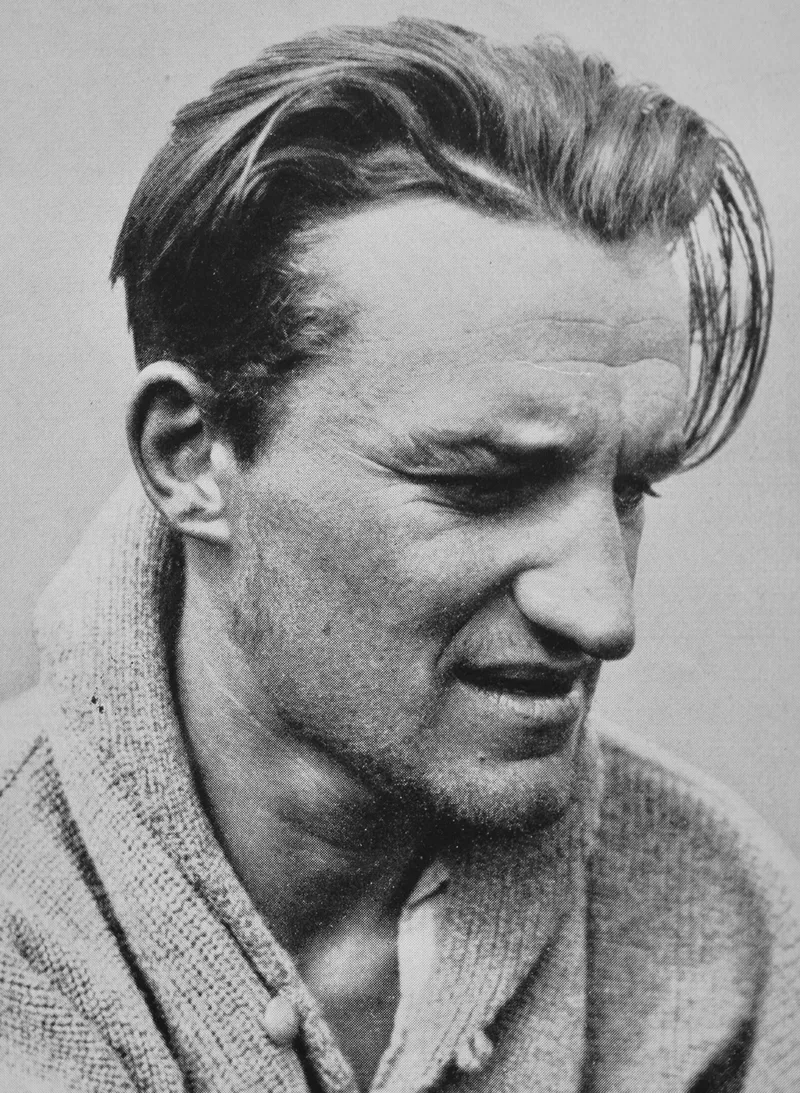
Erwin Schneider
Born in Sankt Joachimsthal on April 13, 1906, Erwin Schneider became one of the most prolific high-altitude mountaineers of the twentieth century. In 1928, as a member of the German-Soviet Alay-Pamir Expedition,...
Documented Sources & Archival Citations
- Archival DatabaseThe Himalayan Database — The Expedition Archives of Elizabeth Hawley ↗(The Himalayan Database)
Supporting claim: Official expedition record, route logs, and summit outcomes for PLNG55201
- Alpine JournalHimalayan Journal & Alpine Club Archival Expedition Chronicles(The Himalayan Club & Alpine Club)
Supporting claim: Archival expedition narrative and historical documentation for 1955 Palung climb
Share Exploration
Global Mountain Intelligence
✓ Link copied to clipboard!