1955 International Lhotse Expedition
Led by Norman Dyhrenfurth, the 1955 international expedition mounted the maiden post-monsoon assault on Lhotse, reaching 8,100 meters in the Lhotse Couloir before winter storms turned them back.
Mountain Safety & Conditions Disclaimer: High-altitude climbing, glacial travel, and technical ascents entail severe objective risks including avalanches, serac collapses, rapid weather collapse, and altitude illness. Historical route descriptions and summit claims on Mountainity reflect documented archival sources and must not be used as live operational safety assessments. Local regulations, permits, and physical glacial topography change continuously.
Peer Review: Senior Editorial Board & Historical Reviewers • Editorial Standards
Official Expedition Narrative & Archival Record
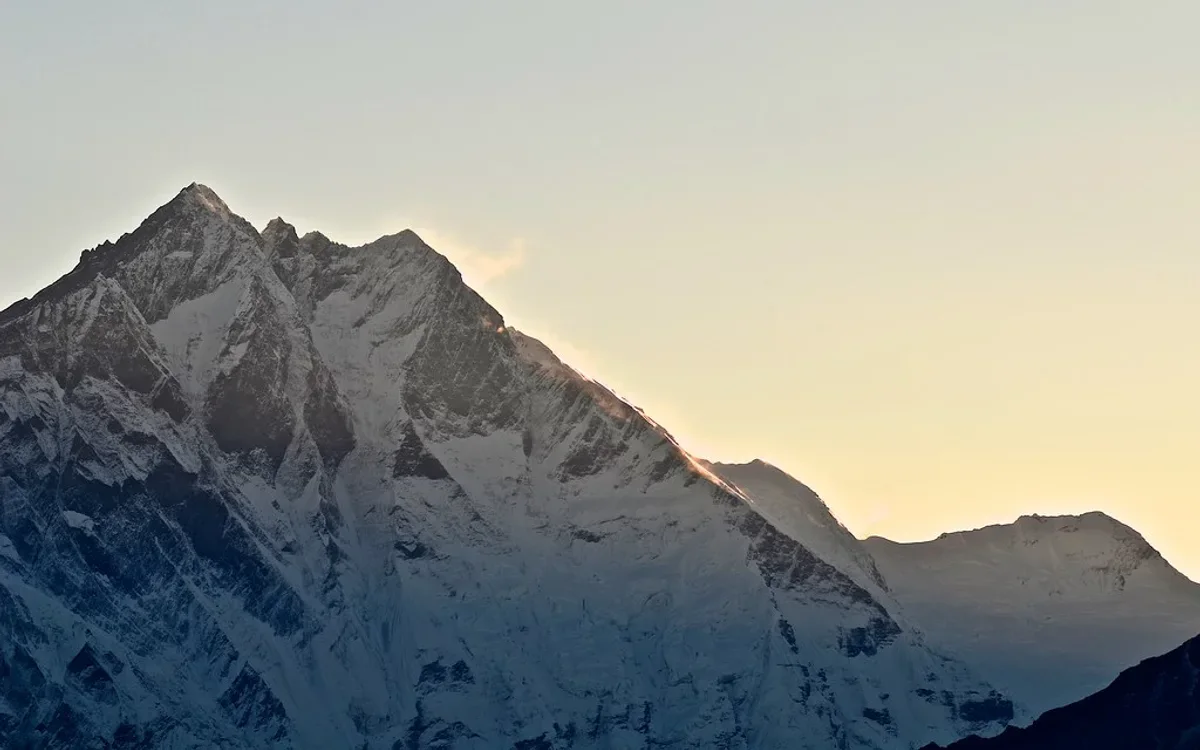
In autumn 1955, Swiss-American leader Norman Dyhrenfurth organized a joint international expedition comprising Swiss, Austrian, and American climbers to attempt the unclimbed Lhotse (8,516m). Following the British route up the Khumbu Icefall into the Western Cwm, the team established high camps on the Lhotse Face. Assault climbers Erwin Schneider and Ernst Senn pushed directly into the steep Lhotse Couloir, reaching approximately 8,100 meters. With savage pre-winter gale winds dropping temperatures below -35°C and blowing away assault tents, the team safely evacuated, having mapped the exact route the Swiss used to make the first ascent the following spring in 1956.
Documented Team Composition
- Norman Dyhrenfurth (Expedition Leader)
- Erwin Schneider (Lead Climber - 8,100m)
- Ernst Senn (Assault Climber - 8,100m)
- Bruno Spirig
- George Bell
Key Statistics & Topographic Figures
- Official Outcome
- First High-Altitude Reconnaissance & Attempt on Lhotse (8,100m)
Expedition Status
- Summit Date
- 1955-11-05
Ascent Timestamp
- Target Objective
- lhotse
Mountain Peak
- Ascent Route
- lhotse-west-face
Climbing Path
- Team Size
- 5 Climbers
High-Altitude Team
- Region / Country
- Nepal (Khumbu / Mahalangur Himal)
Geography
Defined Alpine Terminology & Concepts
- Alpine Expedition
- A planned, self-contained high-altitude mountaineering undertaking operating in remote mountain terrain subject to extreme objective hazards.
- Death Zone
- The high-altitude region above 8,000 meters where atmospheric oxygen pressure is inadequate for sustained human survival.
Frequently Asked Questions: 1955 International Lhotse Expedition
What was the primary outcome and achievement of the 1955 International Lhotse Expedition?
First High-Altitude Reconnaissance & Attempt on Lhotse (8,100m). Led by Norman Dyhrenfurth, the 1955 international expedition mounted the maiden post-monsoon assault on Lhotse, reaching 8,100 meters in the Lhotse Couloir before winter storms turned them back.
When did the 1955 International Lhotse Expedition reach the summit?
Summit and operational dates for the 1955 International Lhotse Expedition are documented across 1955-08-20 to 1955-11-05.
Who were the documented climbing team members on the 1955 International Lhotse Expedition?
The documented climbing roster included: Norman Dyhrenfurth (Expedition Leader), Erwin Schneider (Lead Climber - 8,100m), Ernst Senn (Assault Climber - 8,100m), Bruno Spirig, George Bell.
What climbing route and mountain objective were tackled during the 1955 International Lhotse Expedition?
The expedition tackled lhotse via the lhotse-west-face in Nepal (Khumbu / Mahalangur Himal).
How are the records and summit claims of the 1955 International Lhotse Expedition verified?
Summit claims, route topography, and timeline logs for the 1955 International Lhotse Expedition are cross-referenced with official alpine registries, national mountaineering federations, and primary expedition journals.
Ascent Route & Topography
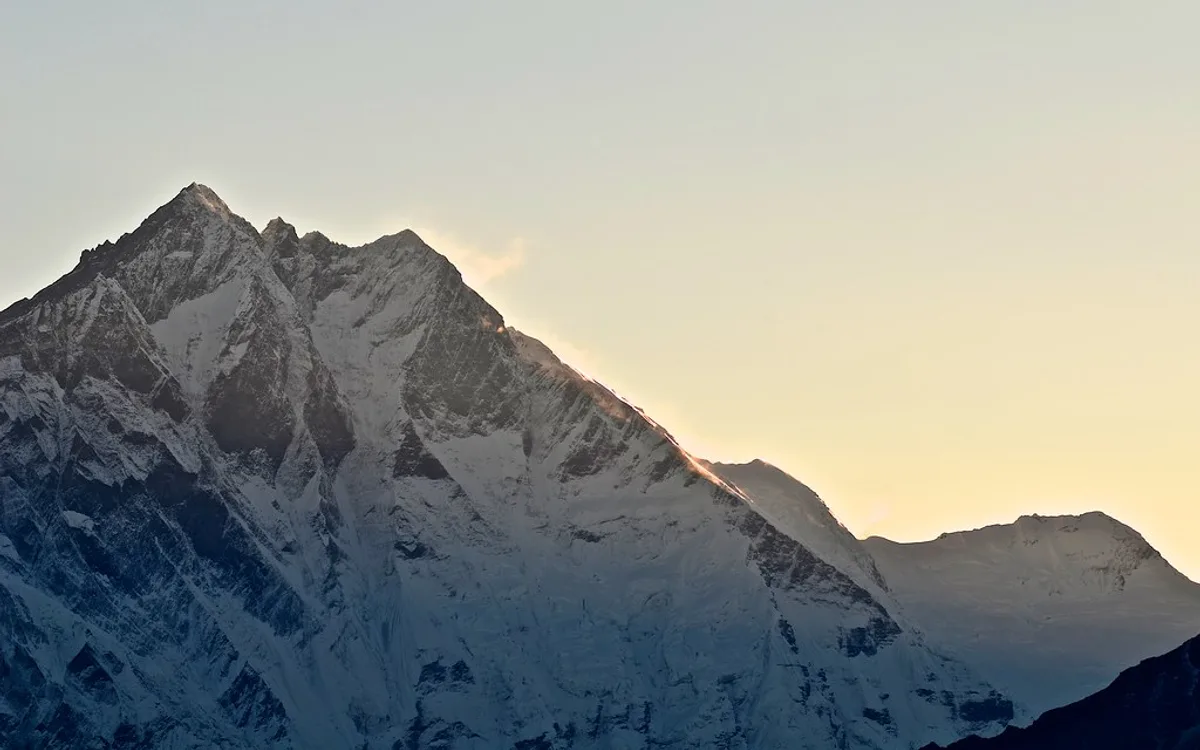
Lhotse Normal Route (West Face & Lhotse Couloir)
The standard route on Lhotse shares the Everest South Col route through the Khumbu Icefall and Western Cwm up the glaciated Lhotse Face. Above Camp III (7,300m), the route diverges from Everest,...
Target Objective Peak
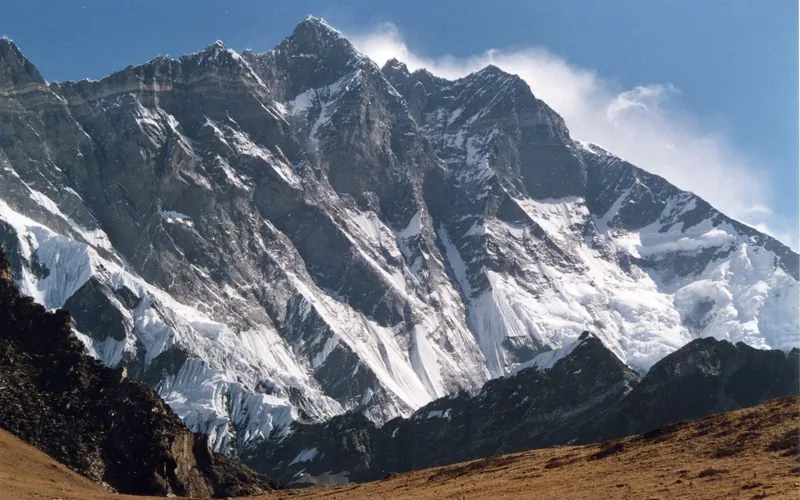


Lhotse
Lhotse, at 8,516 meters (27,940 ft), is the fourth-highest mountain on Earth, connected directly to Mount Everest via the South Col. Renowned for its sheer 3,200-meter South Face, one of the most imposing rock and ice walls in alpinism, the standard route tackles the grueling Lhotse Couloir from the Western Cwm.
Featured Expedition Climber
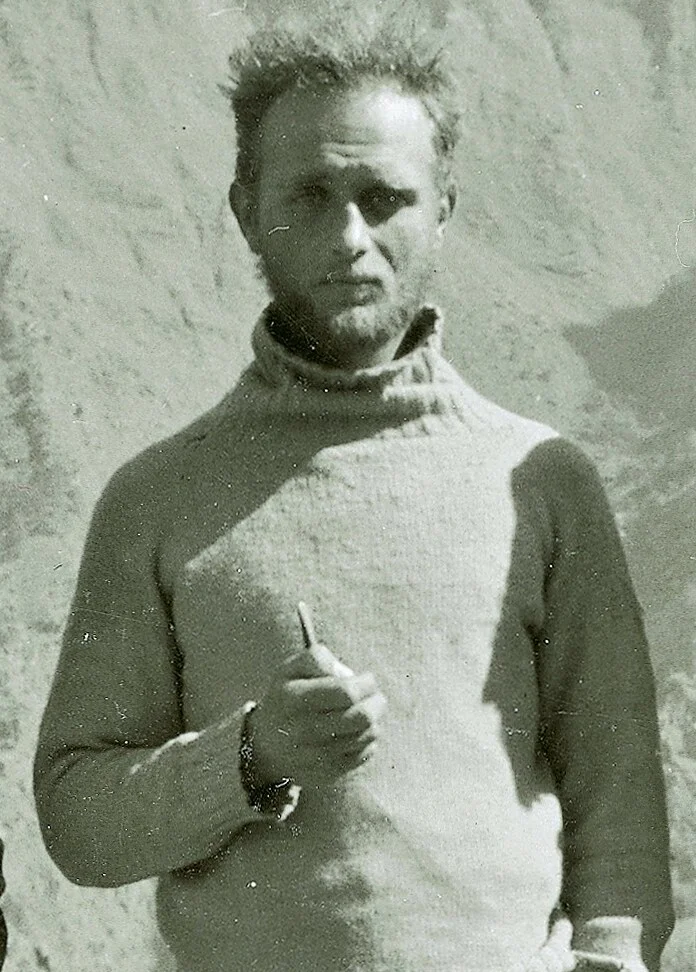
Eric Earle Shipton
Eric Earle Shipton was born on August 1, 1907, in Ceylon (now Sri Lanka). Drawn to wild, untracked frontiers from an early age, Shipton established his reputation in East Africa in 1929 by making the historic first...
Documented Sources & Archival Citations
- Primary Expedition ReportThe Mountain World 1956(Swiss Foundation for Alpine Research / Allen & Unwin)
- Archival DatabaseThe Himalayan Database — Expedition Chronicle (LHOT55301) ↗(Elizabeth Hawley / The Himalayan Database)
Supporting claim: Official Himalayan expedition chronology, camp telemetry, summit records and member log
Share Exploration
Global Mountain Intelligence
✓ Link copied to clipboard!