1958 Indian Cho Oyu Expedition
Led by Keki Bunshah, the pioneering 1958 Indian expedition conquered Cho Oyu (8,188m) on May 15, with Sonam Gyatso and Pasang Dawa Lama achieving India's maiden summit of an 8,000-metre giant.
Mountain Safety & Conditions Disclaimer: High-altitude climbing, glacial travel, and technical ascents entail severe objective risks including avalanches, serac collapses, rapid weather collapse, and altitude illness. Historical route descriptions and summit claims on Mountainity reflect documented archival sources and must not be used as live operational safety assessments. Local regulations, permits, and physical glacial topography change continuously.
Peer Review: Senior Editorial Board & Historical Reviewers • Editorial Standards
Official Expedition Narrative & Archival Record
In early 1958, the newly formed Indian Mountaineering Committee sponsored India's first major high-altitude assault on an 8,000-meter peak. Led by Bombay attorney Keki Bunshah, the team approached Cho Oyu from the Nepal side over the Nangpa La. Climbing the Northwest Face, veteran Sardar Pasang Dawa Lama and Sikkimese mountaineer Sonam Gyatso pushed through sub-zero blizzards to pitch Camp 4 at 7,600 meters. On May 15, 1958, Gyatso and Pasang Dawa reached the broad 8,188-meter summit plateau. The historic triumph electrified the nation, catalyzing Indian mountaineering institutions and setting the stage for India's 1965 Everest success.
Documented Team Composition
- Keki Bunshah (Expedition Leader)
- Sonam Gyatso (Summit Climber)
- Pasang Dawa Lama (Sardar & Summit Climber)
- N.D. Jayal
- Captain Mohan Singh Kohli
Key Statistics & Topographic Figures
- Official Outcome
- Historic First Ascent of an 8,000m Peak by an Indian Team
Expedition Status
- Summit Date
- 1958-05-15
Ascent Timestamp
- Target Objective
- cho-oyu
Mountain Peak
- Ascent Route
- cho-oyu-normal-route
Climbing Path
- Team Size
- 5 Climbers
High-Altitude Team
- Region / Country
- Nepal (Solukhumbu / Khumbu Himal)
Geography
Defined Alpine Terminology & Concepts
- Alpine Expedition
- A planned, self-contained high-altitude mountaineering undertaking operating in remote mountain terrain subject to extreme objective hazards.
- Death Zone
- The high-altitude region above 8,000 meters where atmospheric oxygen pressure is inadequate for sustained human survival.
Frequently Asked Questions: 1958 Indian Cho Oyu Expedition
What was the primary outcome and achievement of the 1958 Indian Cho Oyu Expedition?
Historic First Ascent of an 8,000m Peak by an Indian Team. Led by Keki Bunshah, the pioneering 1958 Indian expedition conquered Cho Oyu (8,188m) on May 15, with Sonam Gyatso and Pasang Dawa Lama achieving India's maiden summit of an 8,000-metre giant.
When did the 1958 Indian Cho Oyu Expedition reach the summit?
The expedition officially reached the summit on 1958-05-15, operating between 1958-03-20 and 1958-05-30.
Who were the documented climbing team members on the 1958 Indian Cho Oyu Expedition?
The documented climbing roster included: Keki Bunshah (Expedition Leader), Sonam Gyatso (Summit Climber), Pasang Dawa Lama (Sardar & Summit Climber), N.D. Jayal, Captain Mohan Singh Kohli.
What climbing route and mountain objective were tackled during the 1958 Indian Cho Oyu Expedition?
The expedition tackled cho-oyu via the cho-oyu-normal-route in Nepal (Solukhumbu / Khumbu Himal).
How are the records and summit claims of the 1958 Indian Cho Oyu Expedition verified?
Summit claims, route topography, and timeline logs for the 1958 Indian Cho Oyu Expedition are cross-referenced with official alpine registries, national mountaineering federations, and primary expedition journals.
Ascent Route & Topography
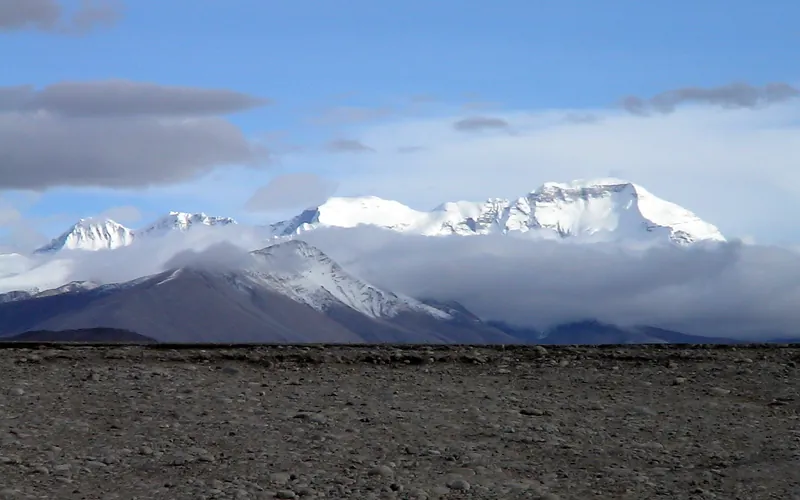
Cho Oyu Northwest Face & Ridge (Normal Route)
The Northwest Ridge is the standard and most climbed route on Cho Oyu, approached from the Tibetan plateau via the Gyabrag Glacier. First climbed in 1954 by an Austrian expedition, the route features...
Target Objective Peak
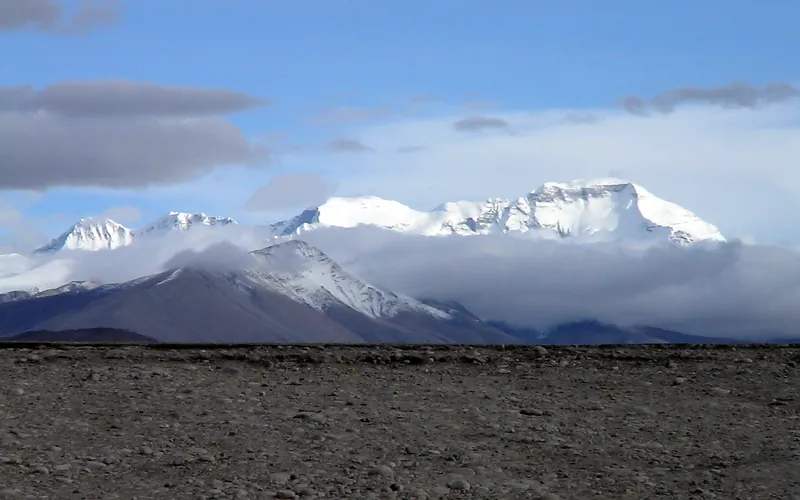


Cho Oyu
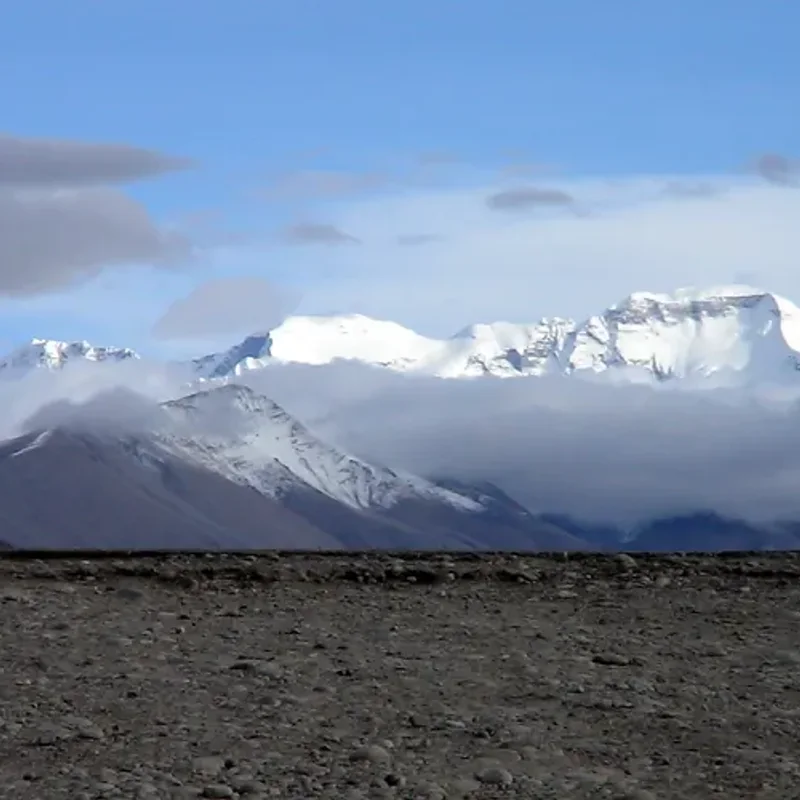
Cho Oyu, at 8,188 meters (26,864 ft), is the sixth-highest mountain in the world, situated 20 km west of Mount Everest. Meaning 'Turquoise Goddess' in Tibetan, it stands on the glaciated Nangpa La trade route between Nepal and Tibet. Its moderate northwest slopes make it the most accessible 8,000-meter peak.
Featured Expedition Climbers
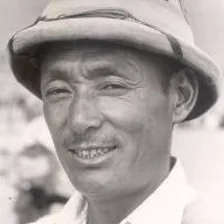
Pasang Dawa Lama
Pasang Dawa Lama was born in 1912 in the high Khumbu region of eastern Nepal. Like many young Sherpas of his generation, he relocated to Darjeeling, India, the historic staging ground for British Himalayan exploration,...
Sonam Gyatso
Born in Kewzing, Sikkim, in 1923, Sonam Gyatso joined the Indian Frontier Administrative Service before training at the Himalayan Mountaineering Institute (HMI) in Darjeeling under Tenzing Norgay. On May 15, 1958,...
Documented Sources & Archival Citations
- Archival PublicationNine Atop Everest(M.S. Kohli / Orient Paperbacks)
- Archival DatabaseThe Himalayan Database — Expedition Chronicle (CHOY58101) ↗(Elizabeth Hawley / The Himalayan Database)
Supporting claim: Official Himalayan expedition chronology, camp telemetry, summit records and member log
Share Exploration
Global Mountain Intelligence
✓ Link copied to clipboard!