1960 British-Indian-Nepalese Services Expedition
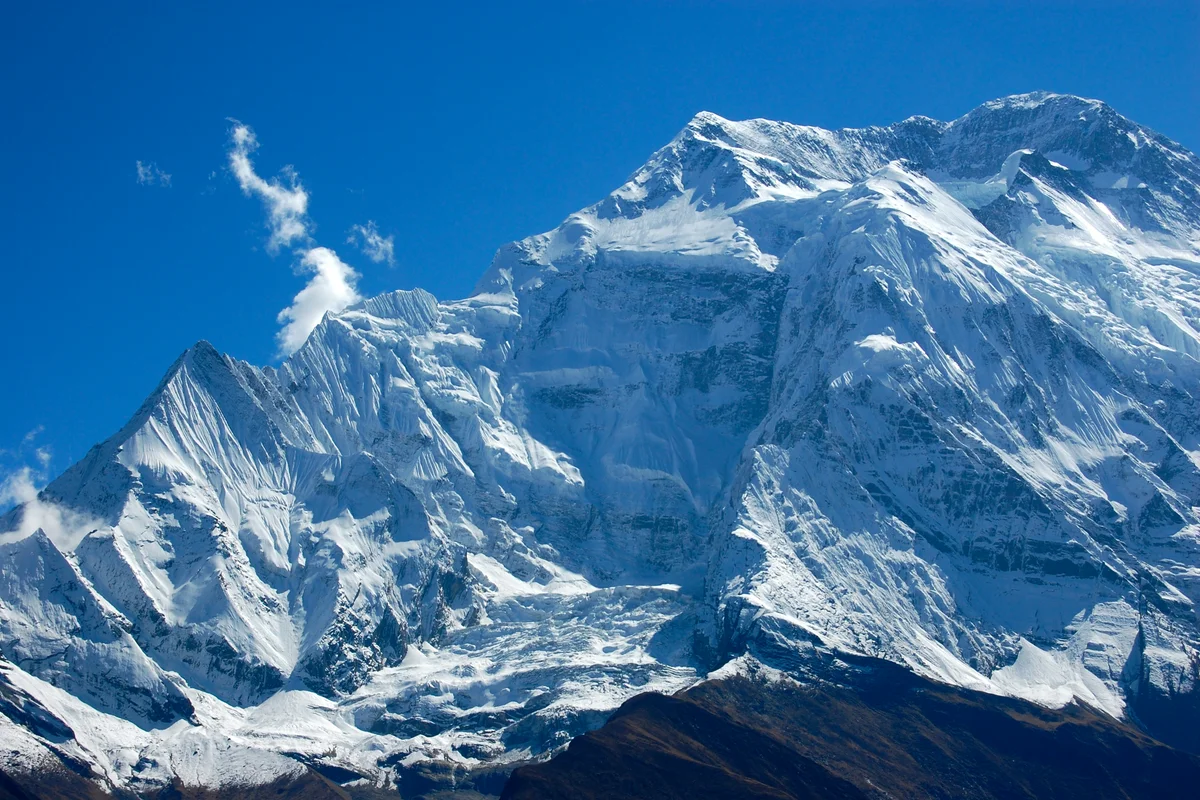
The joint British-Indian-Nepalese Services expedition, led by Lt. Col. J.O.M. Roberts, which completed the historic maiden first ascent of Annapurna II (7,937m).
Mountain Safety & Conditions Disclaimer: High-altitude climbing, glacial travel, and technical ascents entail severe objective risks including avalanches, serac collapses, rapid weather collapse, and altitude illness. Historical route descriptions and summit claims on Mountainity reflect documented archival sources and must not be used as live operational safety assessments. Local regulations, permits, and physical glacial topography change continuously.
Peer Review: Senior Editorial Board & Historical Reviewers • Editorial Standards
Official Expedition Narrative & Archival Record
In the spring of 1960, a tri-service expedition comprising British, Indian, and Nepalese armed forces personnel set out to tackle Annapurna II (7,937m), the sixteenth-highest mountain on Earth and the massive eastern anchor of the Annapurna Himal. Organized and led by the renowned Himalayan explorer Lt. Col. J.O.M. (Jimmy) Roberts, the climbing team included young British Army officer Chris Bonington, Royal Marines Captain Richard Grant, Indian Army Captain Jagjit Singh, and Nepalese Army Captain M.A. Soares, supported by a superb corps of Sherpa mountaineers. Facing severe technical difficulties and enormous scale, the team breached the formidable North Face of Annapurna IV (7,525m) to establish high assault camps, using the 7,000-meter connecting ridge as the gateway to Annapurna II. On May 17, 1960, Richard Grant, Chris Bonington, and Ang Nyima Sherpa launched the final summit push from Camp VI across the knife-edge, wind-blasted ridge. Overcoming intense cold and sheer exposure, all three reached the 7,937-meter summit, completing one of the most demanding post-war Himalayan ascents.
Documented Team Composition
- Lt. Col. J. O. M. Roberts (Expedition Leader)
- Richard Grant (Summiter)
- Chris Bonington (Summiter)
- Ang Nyima Sherpa (Summiter)
- Capt. Jagjit Singh (Member)
- Capt. M. A. Soares (Member)
- Dr. Chris Dickinson (Expedition Doctor)
Key Statistics & Topographic Figures
- Official Outcome
- Historic Maiden First Ascent
Expedition Status
- Summit Date
- 1960-05-17
Ascent Timestamp
- Target Objective
- annapurna-ii
Mountain Peak
- Ascent Route
- the documented ascent route
Climbing Path
- Team Size
- 7 Climbers
High-Altitude Team
- Region / Country
- Nepal (Gandaki Province, Annapurna Conservation Area)
Geography
Defined Alpine Terminology & Concepts
- Alpine Expedition
- A planned, self-contained high-altitude mountaineering undertaking operating in remote mountain terrain subject to extreme objective hazards.
- Death Zone
- The high-altitude region above 8,000 meters where atmospheric oxygen pressure is inadequate for sustained human survival.
Frequently Asked Questions: 1960 British-Indian-Nepalese Services Expedition
What was the primary outcome and achievement of the 1960 British-Indian-Nepalese Services Expedition?
Historic Maiden First Ascent. The joint British-Indian-Nepalese Services expedition, led by Lt. Col. J.O.M. Roberts, which completed the historic maiden first ascent of Annapurna II (7,937m).
When did the 1960 British-Indian-Nepalese Services Expedition reach the summit?
The expedition officially reached the summit on 1960-05-17, operating between 1960-03-25 and 1960-05-30.
Who were the documented climbing team members on the 1960 British-Indian-Nepalese Services Expedition?
The documented climbing roster included: Lt. Col. J. O. M. Roberts (Expedition Leader), Richard Grant (Summiter), Chris Bonington (Summiter), Ang Nyima Sherpa (Summiter), Capt. Jagjit Singh (Member), Capt. M. A. Soares (Member), Dr. Chris Dickinson (Expedition Doctor).
What climbing route and mountain objective were tackled during the 1960 British-Indian-Nepalese Services Expedition?
The expedition tackled annapurna-ii via the the documented ascent route in Nepal (Gandaki Province, Annapurna Conservation Area).
How are the records and summit claims of the 1960 British-Indian-Nepalese Services Expedition verified?
Summit claims, route topography, and timeline logs for the 1960 British-Indian-Nepalese Services Expedition are cross-referenced with official alpine registries, national mountaineering federations, and primary expedition journals.
Target Objective Peak
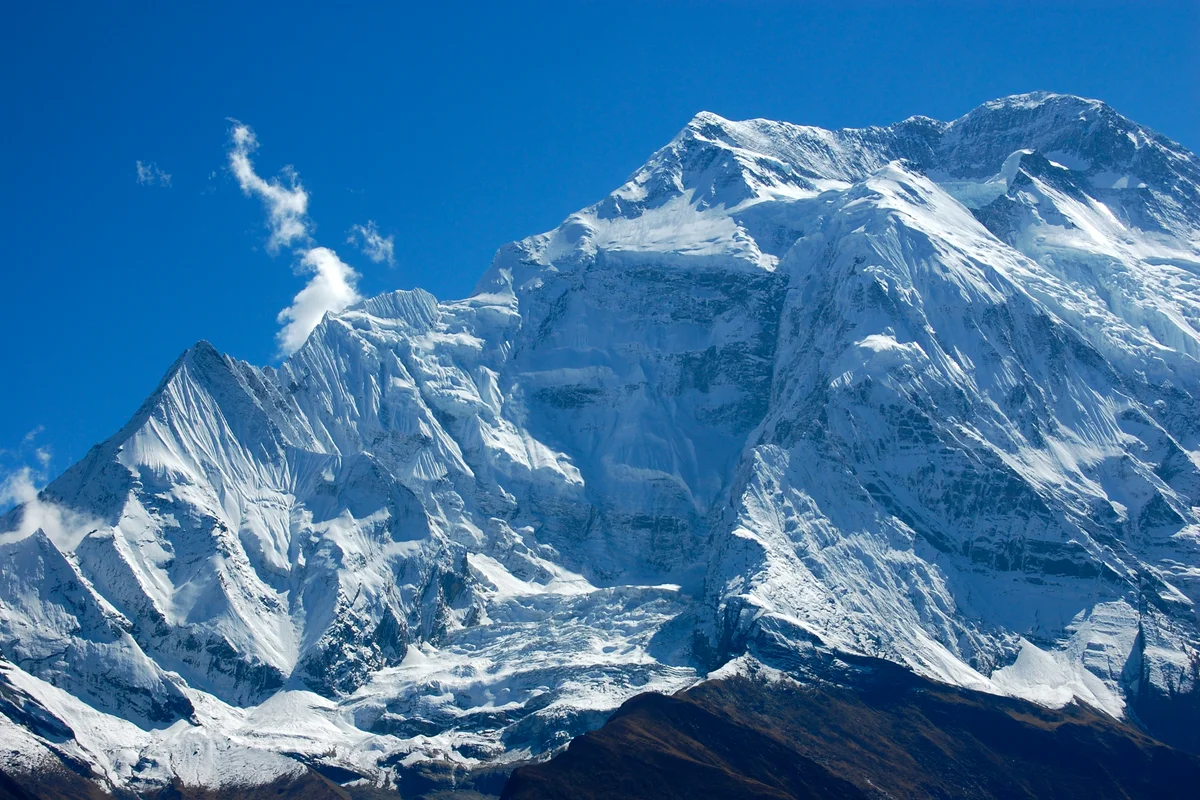

Annapurna II
Annapurna II is the 16th highest mountain on Earth at 7,937 meters (26,040 ft) and the formidable eastern anchor of the Annapurna massif in central Nepal. Despite its proximity to Annapurna I, it stands as a fully independent mountain with an astonishing topographic prominence of 2,437 meters.
Featured Expedition Climber

Sir Chris Bonington
Christian John Storey Bonington was born on August 6, 1934, in Hampstead, London. Educated at University College School and the Royal Military Academy Sandhurst, Bonington was commissioned into the Royal Tank Regiment,...
Documented Sources & Archival Citations
- Primary Alpine JournalAnnapurna II, 1960 ↗— by J. O. M. Robertsin The Himalayan Journal, Vol. 22, pp. 22–30 (1960)(The Himalayan Club)
Supporting claim: Official expedition narrative by leader J. O. M. Roberts documenting the British-Indian-Nepalese Services ascent of Annapurna II on May 17, 1960, by Richard Grant, Chris Bonington, and Ang Nyima Sherpa.
- Primary Alpine JournalAnnapurna II ↗— by J. O. M. Robertsin The Alpine Journal, Vol. 65, pp. 173–183 (1960)(The Alpine Club (UK))
Supporting claim: Contemporary account of the 1960 Annapurna II first ascent via the North Face of Annapurna IV and the West Ridge traverse.
- Archival DatabaseThe Himalayan Database — Expedition Chronicle (ANN260101) ↗(Elizabeth Hawley / The Himalayan Database)
Supporting claim: Official Himalayan expedition chronology, camp telemetry, summit records and member log
Share Exploration
Global Mountain Intelligence
✓ Link copied to clipboard!