1963 Tokyo University Baltoro Kangri II First Ascent
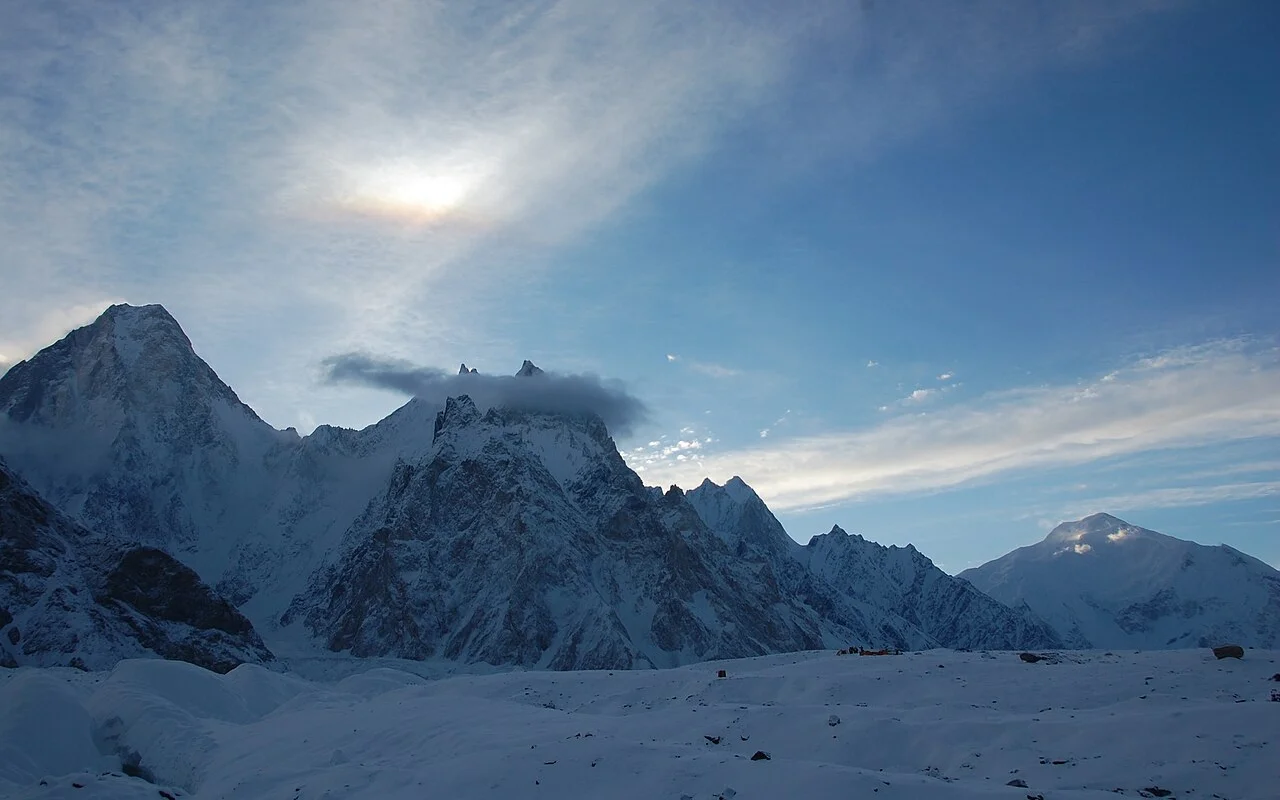
The 1963 Tokyo University expedition that achieved the maiden first ascent of Baltoro Kangri II (7,270m, The Golden Throne) above the upper Baltoro Glacier.
Mountain Safety & Conditions Disclaimer: High-altitude climbing, glacial travel, and technical ascents entail severe objective risks including avalanches, serac collapses, rapid weather collapse, and altitude illness. Historical route descriptions and summit claims on Mountainity reflect documented archival sources and must not be used as live operational safety assessments. Local regulations, permits, and physical glacial topography change continuously.
Peer Review: Senior Editorial Board & Historical Reviewers • Editorial Standards
Official Expedition Narrative & Archival Record
In July and August 1963, a 9-man Japanese expedition from Tokyo University of Agriculture, led by Seihei Kato, ventured to the extreme eastern terminus of the Baltoro Glacier near Conway Saddle. Establishing high camps under severe serac exposure along the glaciated northern divide, summit climbers Seihei Kato, K. Hirai, and team members breached the corniced upper ridge of Baltoro Kangri II (7,270m) on August 4, 1963. The ascent established the viability of high routes commanding the frontier between the Baltoro and Siachen glacier systems.
Documented Team Composition
- Seihei Kato
- K. Hirai
- Tokyo University Climbers
Key Statistics & Topographic Figures
- Official Outcome
- Maiden First Ascent
Expedition Status
- Summit Date
- 1963-08-04
Ascent Timestamp
- Target Objective
- baltoro-kangri-ii
Mountain Peak
- Ascent Route
- baltoro-kangri-north-ridge
Climbing Path
- Team Size
- 3 Climbers
High-Altitude Team
- Region / Country
- Pakistan (Baltoro Muztagh / Karakoram)
Geography
Defined Alpine Terminology & Concepts
- Alpine Expedition
- A planned, self-contained high-altitude mountaineering undertaking operating in remote mountain terrain subject to extreme objective hazards.
- Death Zone
- The high-altitude region above 8,000 meters where atmospheric oxygen pressure is inadequate for sustained human survival.
Frequently Asked Questions: 1963 Tokyo University Baltoro Kangri II First Ascent
What was the primary outcome and achievement of the 1963 Tokyo University Baltoro Kangri II First Ascent?
Maiden First Ascent. The 1963 Tokyo University expedition that achieved the maiden first ascent of Baltoro Kangri II (7,270m, The Golden Throne) above the upper Baltoro Glacier.
When did the 1963 Tokyo University Baltoro Kangri II First Ascent reach the summit?
The expedition officially reached the summit on 1963-08-04, operating between 1963-07-01 and 1963-08-10.
Who were the documented climbing team members on the 1963 Tokyo University Baltoro Kangri II First Ascent?
The documented climbing roster included: Seihei Kato, K. Hirai, Tokyo University Climbers.
What climbing route and mountain objective were tackled during the 1963 Tokyo University Baltoro Kangri II First Ascent?
The expedition tackled baltoro-kangri-ii via the baltoro-kangri-north-ridge in Pakistan (Baltoro Muztagh / Karakoram).
How are the records and summit claims of the 1963 Tokyo University Baltoro Kangri II First Ascent verified?
Summit claims, route topography, and timeline logs for the 1963 Tokyo University Baltoro Kangri II First Ascent are cross-referenced with official alpine registries, national mountaineering federations, and primary expedition journals.
Target Objective Peak
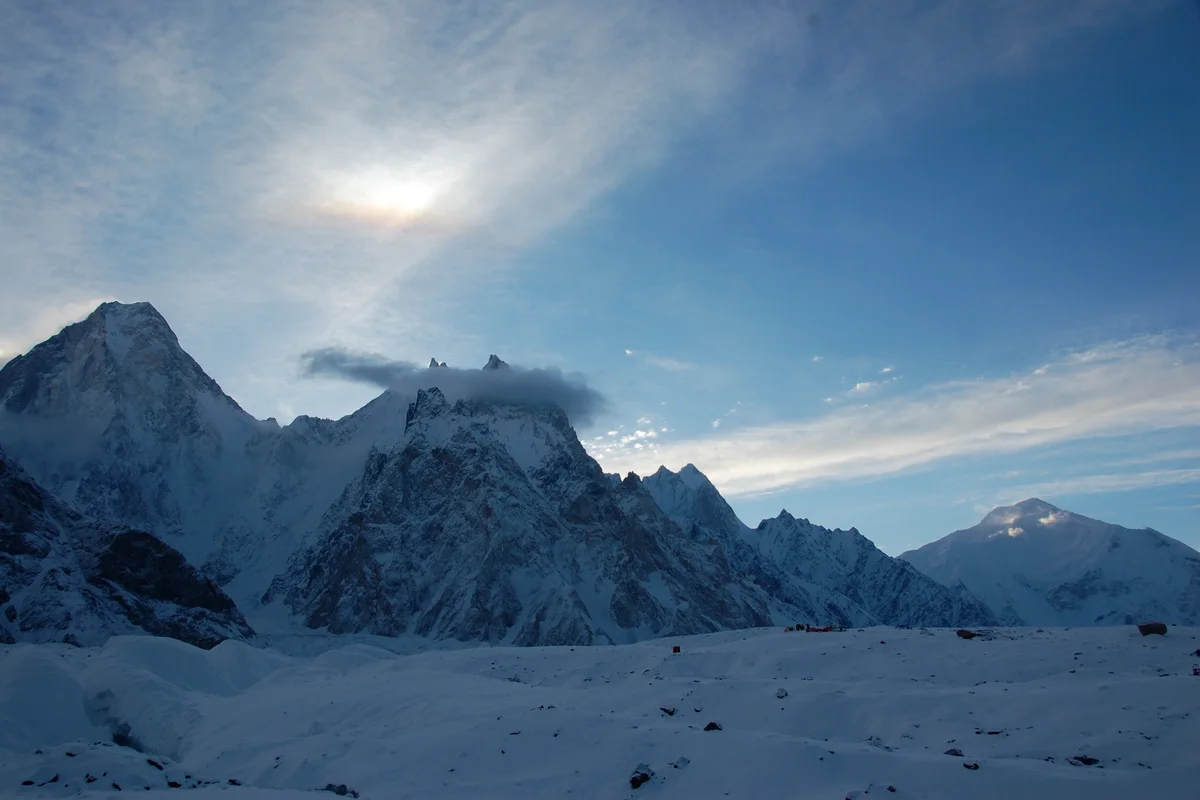

Baltoro Kangri II
Baltoro Kangri II (The Golden Throne) is a prominent ice peak anchoring the head of the Baltoro Glacier near the Conway Saddle. Rising across from Chogolisa, it forms a cornerstone of the Karakoram high divide between Pakistan and India.
Documented Sources & Archival Citations
- Reference OverviewFirst Ascent of Baltoro Kangri(Himalayan Journal)
Supporting claim: Official documentary account of the 1963 Japanese ascent of Baltoro Kangri II
Share Exploration
Global Mountain Intelligence
✓ Link copied to clipboard!