1970 Japanese Mount Everest Ski Expedition
Led by Saburo Matsukata, Japanese extreme skier Yuichiro Miura accomplished the world's first ski descent from the South Col of Mount Everest, immortalized in the Academy Award-winning film 'The Man Who Skied Down Everest'.
Mountain Safety & Conditions Disclaimer: High-altitude climbing, glacial travel, and technical ascents entail severe objective risks including avalanches, serac collapses, rapid weather collapse, and altitude illness. Historical route descriptions and summit claims on Mountainity reflect documented archival sources and must not be used as live operational safety assessments. Local regulations, permits, and physical glacial topography change continuously.
Peer Review: Senior Editorial Board & Historical Reviewers • Editorial Standards
Official Expedition Narrative & Archival Record
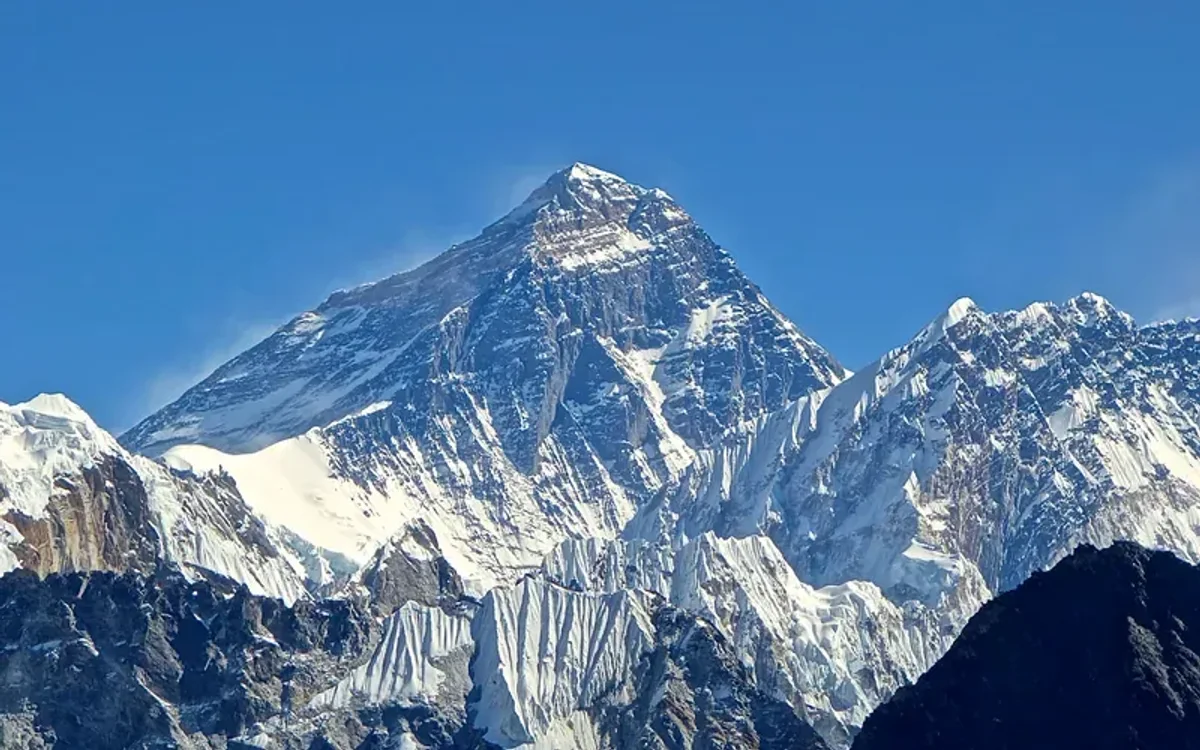
In the spring of 1970, a massive Japanese expedition of more than 800 porters and scientific crew accompanied Yuichiro Miura to Mount Everest. Climbing via the Khumbu Icefall, team climbers established camps on the Lhotse Face and reached the South Col at 8,000 meters. On May 6, 1970, Miura strapped on specialized magnesium skis equipped with a decelerator parachute and launched down the 40-degree frozen blue-ice slope of the Lhotse Face from the South Col. Accelerating to over 150 km/h in seconds, his parachute deployed, but he hit a rock outcrop, lost a ski, and slid helplessly for over 400 meters, miraculously coming to rest on a soft snowbank just 50 meters above a lethal crevasse. While six Sherpas were tragically killed in an icefall collapse earlier in the expedition, Miura's audacity demonstrated extreme skiing at the edge of the Death Zone.
Documented Team Composition
- Saburo Matsukata (Expedition Leader)
- Yuichiro Miura (Extreme Skier)
- Naomi Uemura (Lead Climber)
- Teruo Matsuura (Climber)
Key Statistics & Topographic Figures
- Official Outcome
- Maiden High-Altitude Ski Descent from the South Col (8,000m)
Expedition Status
- Summit Date
- 1970-05-20
Ascent Timestamp
- Target Objective
- mount-everest
Mountain Peak
- Ascent Route
- south-col-route
Climbing Path
- Team Size
- 4 Climbers
High-Altitude Team
- Region / Country
- Nepal (Khumbu / Solukhumbu)
Geography
Defined Alpine Terminology & Concepts
- Alpine Expedition
- A planned, self-contained high-altitude mountaineering undertaking operating in remote mountain terrain subject to extreme objective hazards.
- Death Zone
- The high-altitude region above 8,000 meters where atmospheric oxygen pressure is inadequate for sustained human survival.
Frequently Asked Questions: 1970 Japanese Mount Everest Ski Expedition
What was the primary outcome and achievement of the 1970 Japanese Mount Everest Ski Expedition?
Maiden High-Altitude Ski Descent from the South Col (8,000m). Led by Saburo Matsukata, Japanese extreme skier Yuichiro Miura accomplished the world's first ski descent from the South Col of Mount Everest, immortalized in the Academy Award-winning film 'The Man Who Skied Down Everest'.
When did the 1970 Japanese Mount Everest Ski Expedition reach the summit?
Summit and operational dates for the 1970 Japanese Mount Everest Ski Expedition are documented across 1970-03-01 to 1970-05-20.
Who were the documented climbing team members on the 1970 Japanese Mount Everest Ski Expedition?
The documented climbing roster included: Saburo Matsukata (Expedition Leader), Yuichiro Miura (Extreme Skier), Naomi Uemura (Lead Climber), Teruo Matsuura (Climber).
What climbing route and mountain objective were tackled during the 1970 Japanese Mount Everest Ski Expedition?
The expedition tackled mount-everest via the south-col-route in Nepal (Khumbu / Solukhumbu).
How are the records and summit claims of the 1970 Japanese Mount Everest Ski Expedition verified?
Summit claims, route topography, and timeline logs for the 1970 Japanese Mount Everest Ski Expedition are cross-referenced with official alpine registries, national mountaineering federations, and primary expedition journals.
Ascent Route & Topography
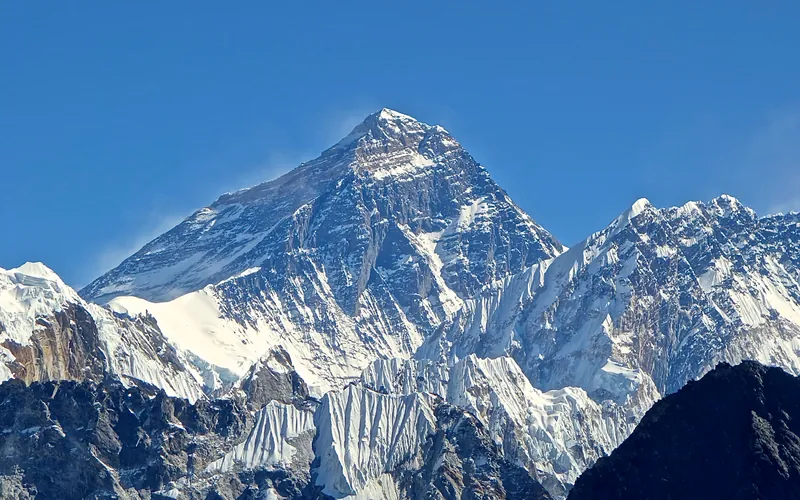
South Col & Southeast Ridge (Normal Route)
The South Col Route along the Southeast Ridge is the historic path of the 1953 first ascent and the most popular route on Mount Everest. Starting from Base Camp on the Khumbu Glacier in Nepal,...
Target Objective Peak
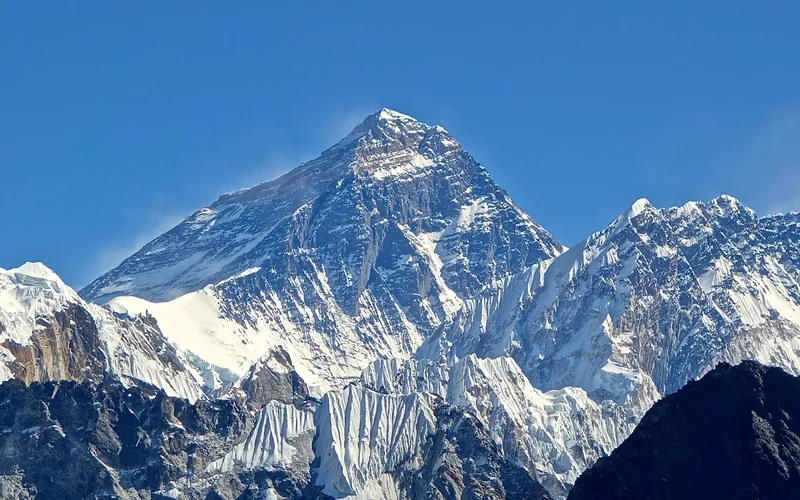


Mount Everest
Mount Everest is the highest mountain above sea level on Earth, standing at an official elevation of 8,848.86 meters (29,031.7 ft). Straddling the international frontier between Nepal and China, it is known locally as Sagarmatha in Nepali ('Goddess of the Sky') and Chomolungma in Tibetan ('Mother Goddess of the World'). The peak rises into the extreme upper troposphere, where oxygen levels drop to barely one-third of sea-level pressure. Climbers face hurricane-force jet stream winds, severe frostbite conditions, shifting ice crevasses in the Khumbu Icefall, and the dangerous Death Zone above 8,000 meters.
Featured Expedition Climber
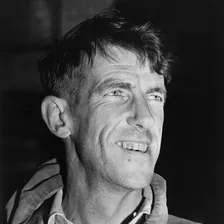
Sir Edmund Hillary
Edmund Percival Hillary was born in Auckland, New Zealand, on July 20, 1919. A school trip to Mount Ruapehu sparked his lifelong passion for alpine climbing. He completed his first major ascent on Mount Ollivier...
Documented Sources & Archival Citations
- Archival PublicationThe Man Who Skied Down Everest(Yuichiro Miura & Eric Perlman / Harper & Row)
- Primary Alpine JournalAmerican Alpine Journal: Japanese Mount Everest Expedition 1970 ↗(American Alpine Club)
- Archival DatabaseThe Himalayan Database — Expedition Chronicle (EVER70101) ↗(Elizabeth Hawley / The Himalayan Database)
Supporting claim: Official Himalayan expedition chronology, camp telemetry, summit records and member log
Share Exploration
Global Mountain Intelligence
✓ Link copied to clipboard!