1972 Hiroyasu Takahashi Putha Hiunchuli Historic Expedition
In 1972, the Japan expedition led by Hiroyasu Takahashi tackled Putha Hiunchuli (7246m) via the technical S Ridge-S Face, demonstrating advanced siege and alpine tactics in the Big Wall era.
Mountain Safety & Conditions Disclaimer: High-altitude climbing, glacial travel, and technical ascents entail severe objective risks including avalanches, serac collapses, rapid weather collapse, and altitude illness. Historical route descriptions and summit claims on Mountainity reflect documented archival sources and must not be used as live operational safety assessments. Local regulations, permits, and physical glacial topography change continuously.
Peer Review: Senior Editorial Board & Historical Reviewers • Editorial Standards
Official Expedition Narrative & Archival Record
During the transformative 1970s Big Wall era in the Himalayas, the 1972 expedition to Putha Hiunchuli (7246m) stood as a bold high-altitude endeavor led by Hiroyasu Takahashi. Supported by Seppyo Alpine Club Putha Hiunchuli Expedition 1972, the climbing party approached through Pokhara->Beni->Mayandi Khola->Gurja Khani->Kaphe Khola->BC. Operating in arduous weather conditions, the team established a succession of camps: BC(23/03,4400m),C1(28/03,5000m),C2(01/04,5300m),C3(07/04,5700m),C4A(17/04,6200m),C4B(23/04,6400m),Smt(28/04). Climbers navigated formidable technical terrain and objective hazards along the S Ridge-S Face, culminating in a triumphant summit push on 28/04/1972 that etched their names into Himalayan history. Archival records preserved in Elizabeth Hawley's Himalayan Database document the expedition's enduring contribution to global mountaineering heritage.
Documented Team Composition
- Hiroyasu Takahashi (Japan, Expedition Leader, Climbing Member)
- Masahiro Kobayashi (Japan, Deputy Leader, Climbing Member)
- Shuji Yasukawa (Japan, Climber, Climbing Member)
- Kenzo Ishikawa (Japan, Climber, Climbing Member)
- Satoshi Nara (Japan, Climber, Climbing Member)
- Takashi Chigai (Japan, Climber, Climbing Member)
- Hiroshi Aoki (Japan, Climber, Summited (28/04/1972))
- Hidemitsu Yamaguchi (Japan, Climber, Climbing Member)
- Ang Norbu Sherpa (Nepal, Climber, Summited (28/04/1972))
Key Statistics & Topographic Figures
- Official Outcome
- Successful Ascent via S Ridge-S Face
Expedition Status
- Summit Date
- 1972-04-28
Ascent Timestamp
- Target Objective
- putha-hiunchuli
Mountain Peak
- Ascent Route
- the documented ascent route
Climbing Path
- Team Size
- 9 Climbers
High-Altitude Team
- Region / Country
- Nepal (Himalayas)
Geography
Defined Alpine Terminology & Concepts
- Alpine Expedition
- A planned, self-contained high-altitude mountaineering undertaking operating in remote mountain terrain subject to extreme objective hazards.
- Death Zone
- The high-altitude region above 8,000 meters where atmospheric oxygen pressure is inadequate for sustained human survival.
Frequently Asked Questions: 1972 Hiroyasu Takahashi Putha Hiunchuli Historic Expedition
What was the primary outcome and achievement of the 1972 Hiroyasu Takahashi Putha Hiunchuli Historic Expedition?
Successful Ascent via S Ridge-S Face. In 1972, the Japan expedition led by Hiroyasu Takahashi tackled Putha Hiunchuli (7246m) via the technical S Ridge-S Face, demonstrating advanced siege and alpine tactics in the Big Wall era.
When did the 1972 Hiroyasu Takahashi Putha Hiunchuli Historic Expedition reach the summit?
The expedition officially reached the summit on 1972-04-28, operating between 0003-23-01 and 1972-04-28.
Who were the documented climbing team members on the 1972 Hiroyasu Takahashi Putha Hiunchuli Historic Expedition?
The documented climbing roster included: Hiroyasu Takahashi (Japan, Expedition Leader, Climbing Member), Masahiro Kobayashi (Japan, Deputy Leader, Climbing Member), Shuji Yasukawa (Japan, Climber, Climbing Member), Kenzo Ishikawa (Japan, Climber, Climbing Member), Satoshi Nara (Japan, Climber, Climbing Member), Takashi Chigai (Japan, Climber, Climbing Member), Hiroshi Aoki (Japan, Climber, Summited (28/04/1972)), Hidemitsu Yamaguchi (Japan, Climber, Climbing Member), Ang Norbu Sherpa (Nepal, Climber, Summited (28/04/1972)).
What climbing route and mountain objective were tackled during the 1972 Hiroyasu Takahashi Putha Hiunchuli Historic Expedition?
The expedition tackled putha-hiunchuli via the the documented ascent route in Nepal (Himalayas).
How are the records and summit claims of the 1972 Hiroyasu Takahashi Putha Hiunchuli Historic Expedition verified?
Summit claims, route topography, and timeline logs for the 1972 Hiroyasu Takahashi Putha Hiunchuli Historic Expedition are cross-referenced with official alpine registries, national mountaineering federations, and primary expedition journals.
Target Objective Peak

Putha Hiunchuli
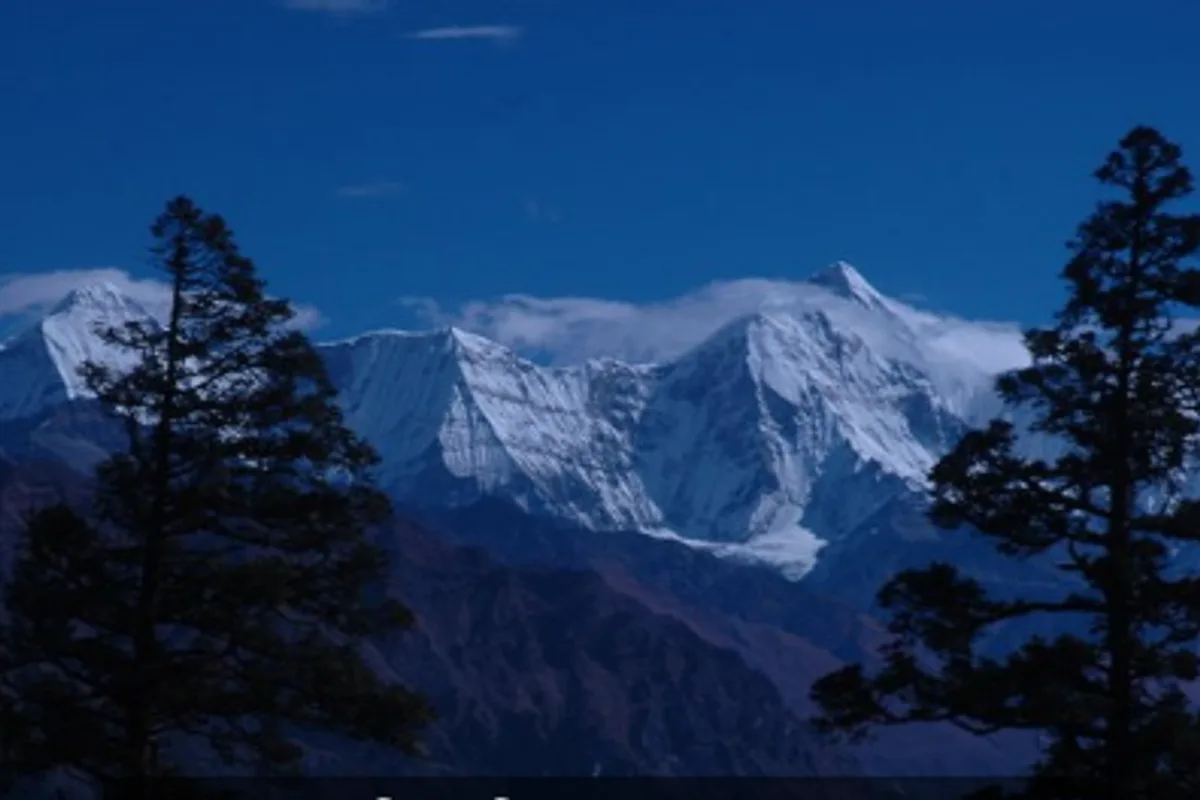
Putha Hiunchuli rises to an official surveyed elevation of 7246 meters (23,773 feet) above sea level in the rugged Dhaulagiri Himalaya. Characterized by steep rock headwalls, complex icefalls, and prominent ridgelines, it is positioned among the dramatic high-altitude peaks of Nepal. The mountain's geography features severe glaciated flanks feeding local glacier systems. Climbers approaching Putha Hiunchuli typically establish remote base camps across high moraines before tackling mixed snow and rock buttresses. Modern expeditions require complete self-sufficiency, careful acclimatization schedules, and navigation through active serac zones. Putha Hiunchuli (Dhaulagiri VII) is a mountain in Nepal and part of the Dhaulagiri Range. It lies at the west end of the Dhaulagiri II chain and is 7,246 metres (23,773 ft) high, making it the 94th highest mountain in the world. It was first climbed in 1954 by J. O. M. Roberts and Ang Nyima Sherpa. In September 2024, two Guinness World Records were set during an expedition led by Neil Laughton. Laughton and Nima Kanchha Sherpa achieved the Guinness World Record for the highest altitude bicycle ride at the summit. Laughton and Tim Maw achieved a further Guinness World Record for the highest altitude playing a board/party game for a game of chess played at 6,216m (20,393ft). Documented ascents and attempts on Putha Hiunchuli highlight the technical difficulty and sustained exposure typical of 7,000-meter peaks in this subrange. Variable weather systems, combined with sudden wind shifts and avalanche hazards, make summit pushes demanding undertakings that require seasoned alpine judgment.
Featured Expedition Climber
Ang Norbu Sherpa
Ang Norbu Sherpa (born 1981) is an accomplished Nepalese high-altitude guide from the Solukhumbu district. In 12 expeditions in the Himalayan Database, he achieved 8 summits on Mount Everest, Cho Oyu, and Ama Dablam.
Documented Sources & Archival Citations
- Archival DatabaseThe Himalayan Database — The Expedition Archives of Elizabeth Hawley ↗(The Himalayan Database)
Supporting claim: Official expedition record, route logs, and summit outcomes for PUTH72101
- Alpine JournalHimalayan Journal & Alpine Club Archival Expedition Chronicles(The Himalayan Club & Alpine Club)
Supporting claim: Archival expedition narrative and historical documentation for 1972 Putha Hiunchuli climb
Share Exploration
Global Mountain Intelligence
✓ Link copied to clipboard!