1973 Eiji Kawamura Serku Dolma Historic First Ascent
In 1973, the Japan expedition led by Eiji Kawamura achieved the historic first ascent of Serku Dolma (6227m) via the NW Ridge from E, marking a milestone in Himalayan Big Wall climbing.
Mountain Safety & Conditions Disclaimer: High-altitude climbing, glacial travel, and technical ascents entail severe objective risks including avalanches, serac collapses, rapid weather collapse, and altitude illness. Historical route descriptions and summit claims on Mountainity reflect documented archival sources and must not be used as live operational safety assessments. Local regulations, permits, and physical glacial topography change continuously.
Peer Review: Senior Editorial Board & Historical Reviewers • Editorial Standards
Official Expedition Narrative & Archival Record
During the transformative 1970s Big Wall era in the Himalayas, the 1973 expedition to Serku Dolma (6227m) stood as a bold high-altitude endeavor led by Eiji Kawamura. Supported by Kitasato University Himalayan Expedition 1973, the climbing party approached through Jumla->Hurikot->Kagmara La->Ringmo->Phoksundo Khola. Operating in arduous weather conditions, the team established a succession of camps: BC(28/09,4395m),C1(15/10,5200m),C2(21/10,5480m),C3(25/10,5800m),C4(29/10,5815m),Smt(30/10). Climbers navigated formidable technical terrain and objective hazards along the NW Ridge from E, culminating in a triumphant summit push on 30/10/1973 that etched their names into Himalayan history. Archival records preserved in Elizabeth Hawley's Himalayan Database document the expedition's enduring contribution to global mountaineering heritage.
Documented Team Composition
- Eiji Kawamura (Japan, Expedition Leader, Climbing Member)
- Kazuo Yago (Japan, Deputy Leader, Climbing Member)
- Mitsuhiro Kikuchi (Japan, Climber, Climbing Member)
- Eiken Moriyama (Japan, Climber, Summited (30/10/1973))
- Hiromi Ichikawa (Japan, Climber, Climbing Member)
- Morihiro Takechi (Japan, Climber, Summited (30/10/1973))
- Anu Sherpa (Nepal, Climber, Summited (30/10/1973))
- Dorje Sherpa (Nepal, Climber, Climbing Member)
- Phurba Tenzing Sherpa (Nepal, Climber, Climbing Member)
Key Statistics & Topographic Figures
- Official Outcome
- Historic First Ascent via NW Ridge from E
Expedition Status
- Summit Date
- 1973-10-30
Ascent Timestamp
- Target Objective
- serku-dolma
Mountain Peak
- Ascent Route
- the documented ascent route
Climbing Path
- Team Size
- 9 Climbers
High-Altitude Team
- Region / Country
- Nepal (Himalaya)
Geography
Defined Alpine Terminology & Concepts
- Alpine Expedition
- A planned, self-contained high-altitude mountaineering undertaking operating in remote mountain terrain subject to extreme objective hazards.
- Death Zone
- The high-altitude region above 8,000 meters where atmospheric oxygen pressure is inadequate for sustained human survival.
Frequently Asked Questions: 1973 Eiji Kawamura Serku Dolma Historic First Ascent
What was the primary outcome and achievement of the 1973 Eiji Kawamura Serku Dolma Historic First Ascent?
Historic First Ascent via NW Ridge from E. In 1973, the Japan expedition led by Eiji Kawamura achieved the historic first ascent of Serku Dolma (6227m) via the NW Ridge from E, marking a milestone in Himalayan Big Wall climbing.
When did the 1973 Eiji Kawamura Serku Dolma Historic First Ascent reach the summit?
The expedition officially reached the summit on 1973-10-30, operating between 0009-28-01 and 1973-10-30.
Who were the documented climbing team members on the 1973 Eiji Kawamura Serku Dolma Historic First Ascent?
The documented climbing roster included: Eiji Kawamura (Japan, Expedition Leader, Climbing Member), Kazuo Yago (Japan, Deputy Leader, Climbing Member), Mitsuhiro Kikuchi (Japan, Climber, Climbing Member), Eiken Moriyama (Japan, Climber, Summited (30/10/1973)), Hiromi Ichikawa (Japan, Climber, Climbing Member), Morihiro Takechi (Japan, Climber, Summited (30/10/1973)), Anu Sherpa (Nepal, Climber, Summited (30/10/1973)), Dorje Sherpa (Nepal, Climber, Climbing Member), Phurba Tenzing Sherpa (Nepal, Climber, Climbing Member).
What climbing route and mountain objective were tackled during the 1973 Eiji Kawamura Serku Dolma Historic First Ascent?
The expedition tackled serku-dolma via the the documented ascent route in Nepal (Himalaya).
How are the records and summit claims of the 1973 Eiji Kawamura Serku Dolma Historic First Ascent verified?
Summit claims, route topography, and timeline logs for the 1973 Eiji Kawamura Serku Dolma Historic First Ascent are cross-referenced with official alpine registries, national mountaineering federations, and primary expedition journals.
Target Objective Peak

Serku Dolma
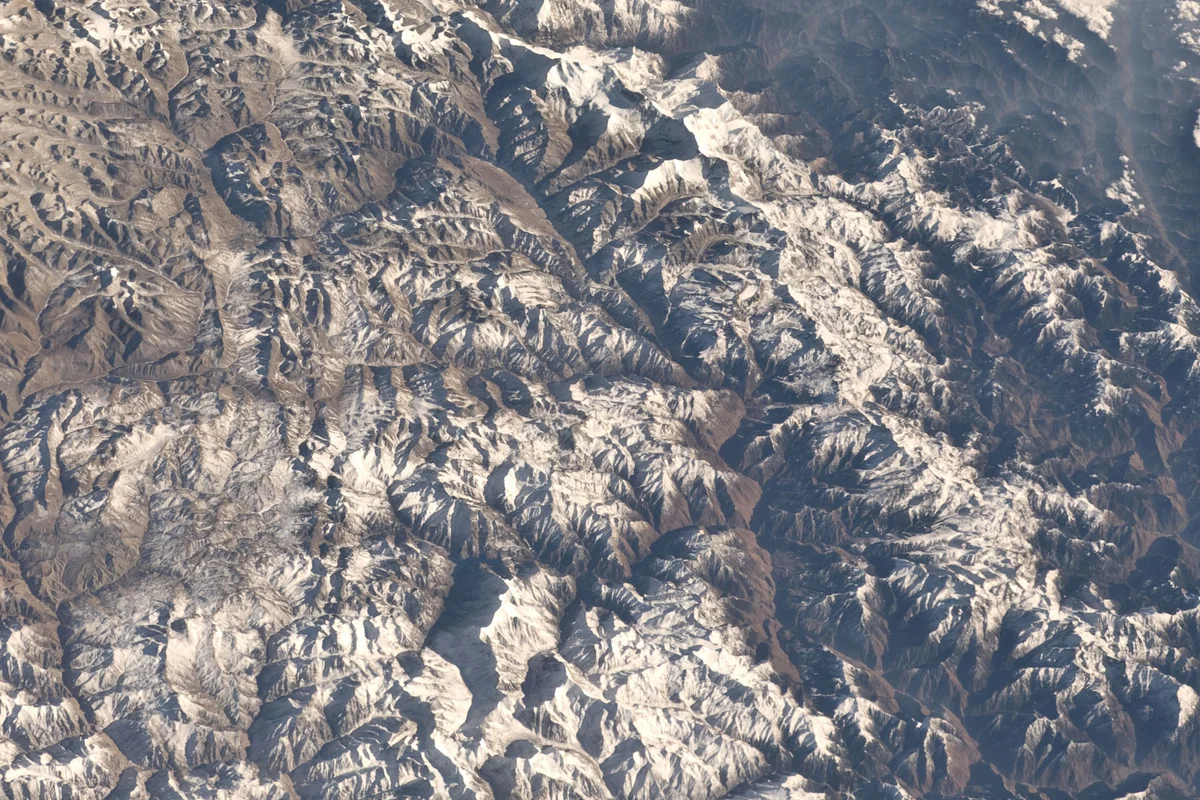
Serku Dolma rises to 6,227 meters south of Tso Karpo Kang in the remote Kanjiroba Himal of Dolpa, western Nepal. The summit was first attained on October 30, 1973, by a Japanese expedition led by Eiji Kawamura climbing the Northwest Ridge from the east. Hidden amidst the uninhabited alpine wilderness of inner Dolpo, Serku Dolma features sheer rock buttresses, hanging glaciers, and extreme logistical remoteness.
Featured Expedition Climbers
Dorje Sherpa
Dorje Sherpa is a seasoned high-altitude professional from Nepal. Over 24 expeditions documented in the Himalayan Database of Elizabeth Hawley, Dorje Sherpa achieved 18 summits, providing critical route-fixing,...
Phurba Tenzing Sherpa
Phurba Tenzing Sherpa (born 1988) is a celebrated Nepalese mountaineer from Rolwaling and founder of Dreamers Destination. Becoming one of the youngest climbers to summit Mount Everest 10 times, he recorded 10 summits...
Documented Sources & Archival Citations
- Archival DatabaseThe Himalayan Database — The Expedition Archives of Elizabeth Hawley ↗(The Himalayan Database)
Supporting claim: Official expedition record, route logs, and summit outcomes for SRKU73301
- Alpine JournalHimalayan Journal & Alpine Club Archival Expedition Chronicles(The Himalayan Club & Alpine Club)
Supporting claim: Archival expedition narrative and historical documentation for 1973 Serku Dolma climb
Share Exploration
Global Mountain Intelligence
✓ Link copied to clipboard!