1977 German Lhotse Second Ascent Expedition
Led by Dr. Gerhard Schmatz, the German expedition achieved the long-awaited second ascent of Lhotse twenty-one years after its 1956 maiden climb, with Michael Dacher summiting without bottled oxygen.
Mountain Safety & Conditions Disclaimer: High-altitude climbing, glacial travel, and technical ascents entail severe objective risks including avalanches, serac collapses, rapid weather collapse, and altitude illness. Historical route descriptions and summit claims on Mountainity reflect documented archival sources and must not be used as live operational safety assessments. Local regulations, permits, and physical glacial topography change continuously.
Peer Review: Senior Editorial Board & Historical Reviewers • Editorial Standards
Official Expedition Narrative & Archival Record
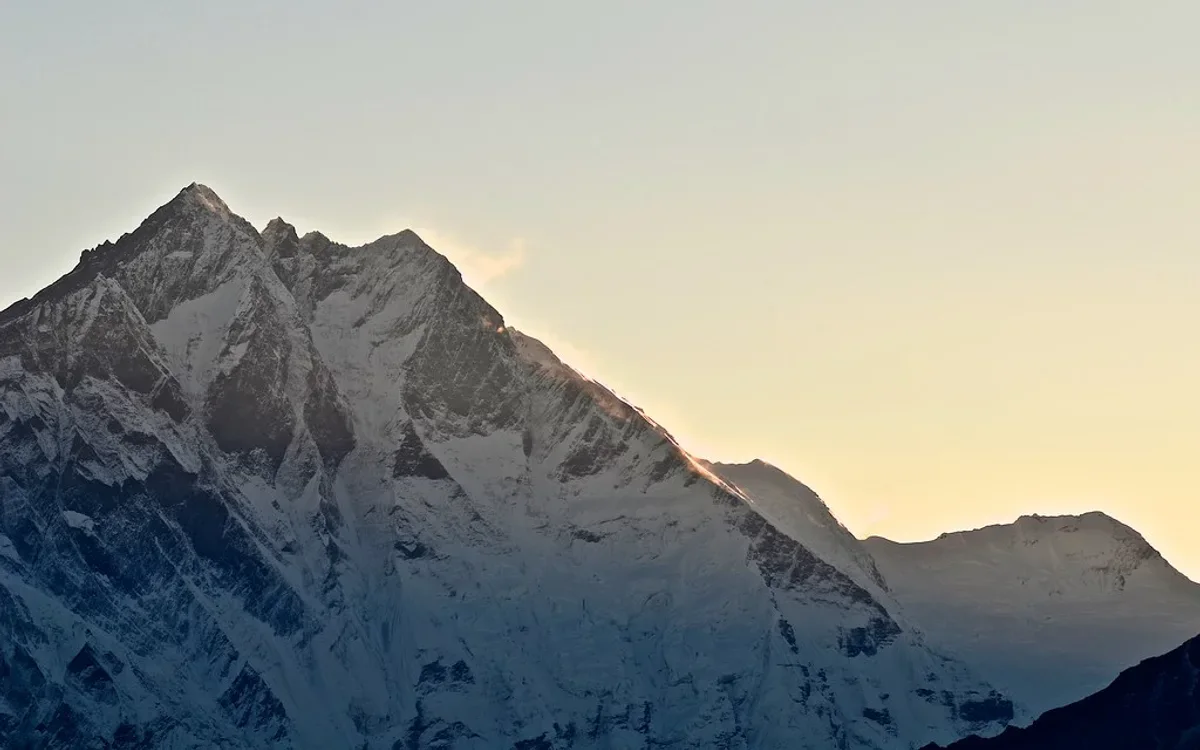
Lhotse (8,516m) had remained unclimbed since the 1956 Swiss expedition. In the spring of 1977, a strong German expedition organized by Dr. Gerhard Schmatz arrived in the Western Cwm. Navigating the sheer 1,125-meter Lhotse Face in early spring, the team established Camp 4 at 7,850 meters. On May 8, 1977, German mountaineer Michael Dacher and teammates pushed up the narrow, icy summit couloir. Dacher reached the 8,516-meter summit without using supplemental bottled oxygen, marking the second confirmed ascent of Lhotse in history and cementing Dacher's status as a preeminent high-altitude climber.
Documented Team Composition
- Dr. Gerhard Schmatz (Expedition Leader)
- Michael Dacher (Summit Climber - No O2)
- Hermann Warth
- Gunter Sturm
- Fritz Zintl
Key Statistics & Topographic Figures
- Official Outcome
- Historic Second Ascent of Lhotse (8,516m) Without Supplemental Oxygen
Expedition Status
- Summit Date
- 1977-05-08
Ascent Timestamp
- Target Objective
- lhotse
Mountain Peak
- Ascent Route
- lhotse-normal-route
Climbing Path
- Team Size
- 5 Climbers
High-Altitude Team
- Region / Country
- Nepal (Khumbu / Solukhumbu)
Geography
Defined Alpine Terminology & Concepts
- Alpine Expedition
- A planned, self-contained high-altitude mountaineering undertaking operating in remote mountain terrain subject to extreme objective hazards.
- Death Zone
- The high-altitude region above 8,000 meters where atmospheric oxygen pressure is inadequate for sustained human survival.
Frequently Asked Questions: 1977 German Lhotse Second Ascent Expedition
What was the primary outcome and achievement of the 1977 German Lhotse Second Ascent Expedition?
Historic Second Ascent of Lhotse (8,516m) Without Supplemental Oxygen. Led by Dr. Gerhard Schmatz, the German expedition achieved the long-awaited second ascent of Lhotse twenty-one years after its 1956 maiden climb, with Michael Dacher summiting without bottled oxygen.
When did the 1977 German Lhotse Second Ascent Expedition reach the summit?
The expedition officially reached the summit on 1977-05-08, operating between 1977-03-20 and 1977-05-20.
Who were the documented climbing team members on the 1977 German Lhotse Second Ascent Expedition?
The documented climbing roster included: Dr. Gerhard Schmatz (Expedition Leader), Michael Dacher (Summit Climber - No O2), Hermann Warth, Gunter Sturm, Fritz Zintl.
What climbing route and mountain objective were tackled during the 1977 German Lhotse Second Ascent Expedition?
The expedition tackled lhotse via the lhotse-normal-route in Nepal (Khumbu / Solukhumbu).
How are the records and summit claims of the 1977 German Lhotse Second Ascent Expedition verified?
Summit claims, route topography, and timeline logs for the 1977 German Lhotse Second Ascent Expedition are cross-referenced with official alpine registries, national mountaineering federations, and primary expedition journals.
Ascent Route & Topography
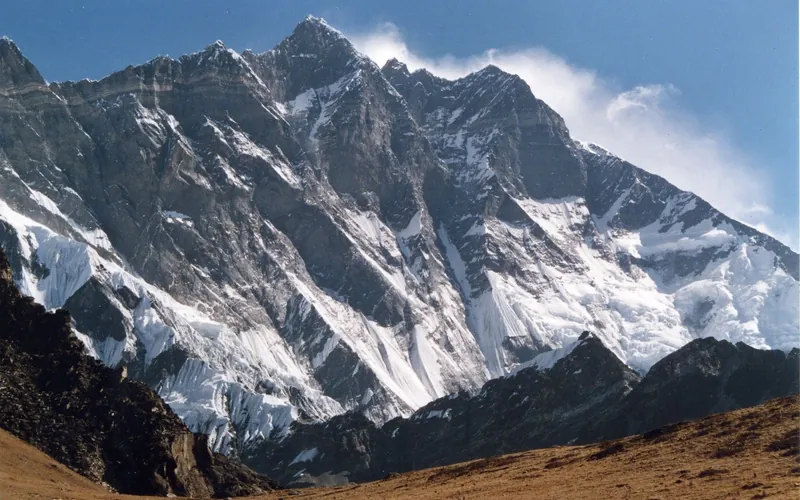
Lhotse Normal Route (West Face & Couloir)
The Normal Route on Lhotse shares the Everest South Col route through the treacherous Khumbu Icefall and across the Western Cwm up to Camp 3 on the Lhotse Face (7,200m). Beyond the Yellow Band, the...
Target Objective Peak
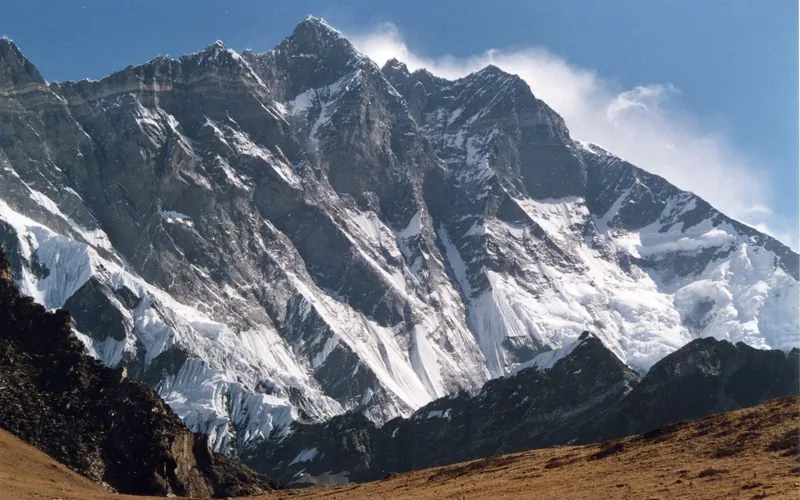


Lhotse
Lhotse, at 8,516 meters (27,940 ft), is the fourth-highest mountain on Earth, connected directly to Mount Everest via the South Col. Renowned for its sheer 3,200-meter South Face, one of the most imposing rock and ice walls in alpinism, the standard route tackles the grueling Lhotse Couloir from the Western Cwm.
Share Exploration
Global Mountain Intelligence
✓ Link copied to clipboard!