1985 Polish Dhaulagiri I Winter First Ascent Expedition
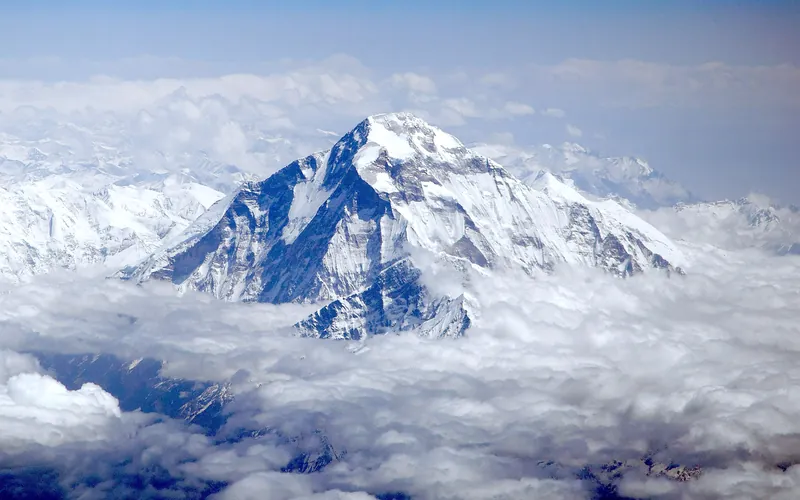
On January 21, 1985, Polish alpinists Andrzej Czok and Jerzy Kukuczka completed the historic first winter ascent of Dhaulagiri I (8,167m) without bottled oxygen.
Mountain Safety & Conditions Disclaimer: High-altitude climbing, glacial travel, and technical ascents entail severe objective risks including avalanches, serac collapses, rapid weather collapse, and altitude illness. Historical route descriptions and summit claims on Mountainity reflect documented archival sources and must not be used as live operational safety assessments. Local regulations, permits, and physical glacial topography change continuously.
Peer Review: Senior Editorial Board & Historical Reviewers • Editorial Standards
Official Expedition Narrative & Archival Record
In December 1984, the Gliwice Mountaineering Club (Klub Wysokogórski w Gliwicach) launched a pioneering winter expedition to Dhaulagiri I (8,167m), the White Mountain of Nepal, under the leadership of Adam Bilczewski. Facing the ferocious Himalayan winter with temperatures plunging beneath −40°C and relentless jet stream winds roaring across the Dhaulagiri massif, the Polish climbers tackled the mountain via the classic Northeast Ridge. Working without high-altitude Sherpa support and without supplemental bottled oxygen, the assault team systematically pushed camps up the wind-blasted knife-edge ridge. On January 21, 1985, Andrzej Czok and Jerzy Kukuczka launched their decisive summit bid from Camp IV at approximately 7,500 metres. Enduring brutal sub-zero gales and extreme frostbite conditions, both men stood atop the true 8,167-metre summit at 15:00, claiming the first winter ascent of Dhaulagiri I in history. During their grueling descent in the darkness, Czok suffered severe frostbite on his feet, but both reached the safety of Camp IV. In an extraordinary display of endurance, Kukuczka immediately traveled across Nepal to join the Cho Oyu winter expedition, summiting Cho Oyu just 25 days later.
Documented Team Composition
- Adam Bilczewski (Expedition Leader, Poland)
- Andrzej Czok (Summit Climber, Poland)
- Jerzy Kukuczka (Summit Climber, Poland)
- Janusz Skorek (Poland)
- Andrzej Machnik (Poland)
- Mirosław Gardzielewski (Poland)
- Zbigniew Terlikowski (Poland)
Key Statistics & Topographic Figures
- Official Outcome
- Historic First Winter Ascent of Dhaulagiri I (8,167m) Without Supplemental Oxygen
Expedition Status
- Summit Date
- 1985-01-21
Ascent Timestamp
- Target Objective
- dhaulagiri
Mountain Peak
- Ascent Route
- dhaulagiri-northeast-ridge
Climbing Path
- Team Size
- 7 Climbers
High-Altitude Team
- Region / Country
- Nepal (Dhaulagiri Himal / Gandaki)
Geography
Defined Alpine Terminology & Concepts
- Alpine Expedition
- A planned, self-contained high-altitude mountaineering undertaking operating in remote mountain terrain subject to extreme objective hazards.
- Death Zone
- The high-altitude region above 8,000 meters where atmospheric oxygen pressure is inadequate for sustained human survival.
Frequently Asked Questions: 1985 Polish Dhaulagiri I Winter First Ascent Expedition
What was the primary outcome and achievement of the 1985 Polish Dhaulagiri I Winter First Ascent Expedition?
Historic First Winter Ascent of Dhaulagiri I (8,167m) Without Supplemental Oxygen. On January 21, 1985, Polish alpinists Andrzej Czok and Jerzy Kukuczka completed the historic first winter ascent of Dhaulagiri I (8,167m) without bottled oxygen.
When did the 1985 Polish Dhaulagiri I Winter First Ascent Expedition reach the summit?
The expedition officially reached the summit on 1985-01-21, operating between 1984-12-05 and 1985-01-28.
Who were the documented climbing team members on the 1985 Polish Dhaulagiri I Winter First Ascent Expedition?
The documented climbing roster included: Adam Bilczewski (Expedition Leader, Poland), Andrzej Czok (Summit Climber, Poland), Jerzy Kukuczka (Summit Climber, Poland), Janusz Skorek (Poland), Andrzej Machnik (Poland), Mirosław Gardzielewski (Poland), Zbigniew Terlikowski (Poland).
What climbing route and mountain objective were tackled during the 1985 Polish Dhaulagiri I Winter First Ascent Expedition?
The expedition tackled dhaulagiri via the dhaulagiri-northeast-ridge in Nepal (Dhaulagiri Himal / Gandaki).
How are the records and summit claims of the 1985 Polish Dhaulagiri I Winter First Ascent Expedition verified?
Summit claims, route topography, and timeline logs for the 1985 Polish Dhaulagiri I Winter First Ascent Expedition are cross-referenced with official alpine registries, national mountaineering federations, and primary expedition journals.
Ascent Route & Topography
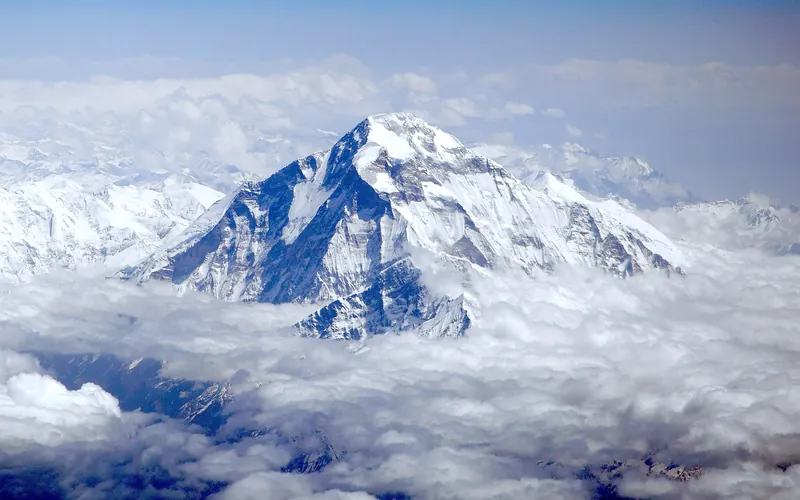
Dhaulagiri I Northeast Ridge (Normal Route)
The Northeast Ridge is the standard climbing route on Dhaulagiri I, first ascended in 1960 by a Swiss-Austrian team. The route begins on the glaciated Mayangdi Khola valley, climbs to the Northeast...
Target Objective Peak

Dhaulagiri I
Dhaulagiri I, at 8,167 meters (26,795 ft), is the seventh-highest mountain on Earth and the highest peak situated entirely within Nepal. Rising steeply above the Kali Gandaki Gorge—the deepest gorge on Earth—opposite Annapurna, Dhaulagiri forms a staggering 7,000-meter vertical rise from the river valley.
Featured Expedition Climber
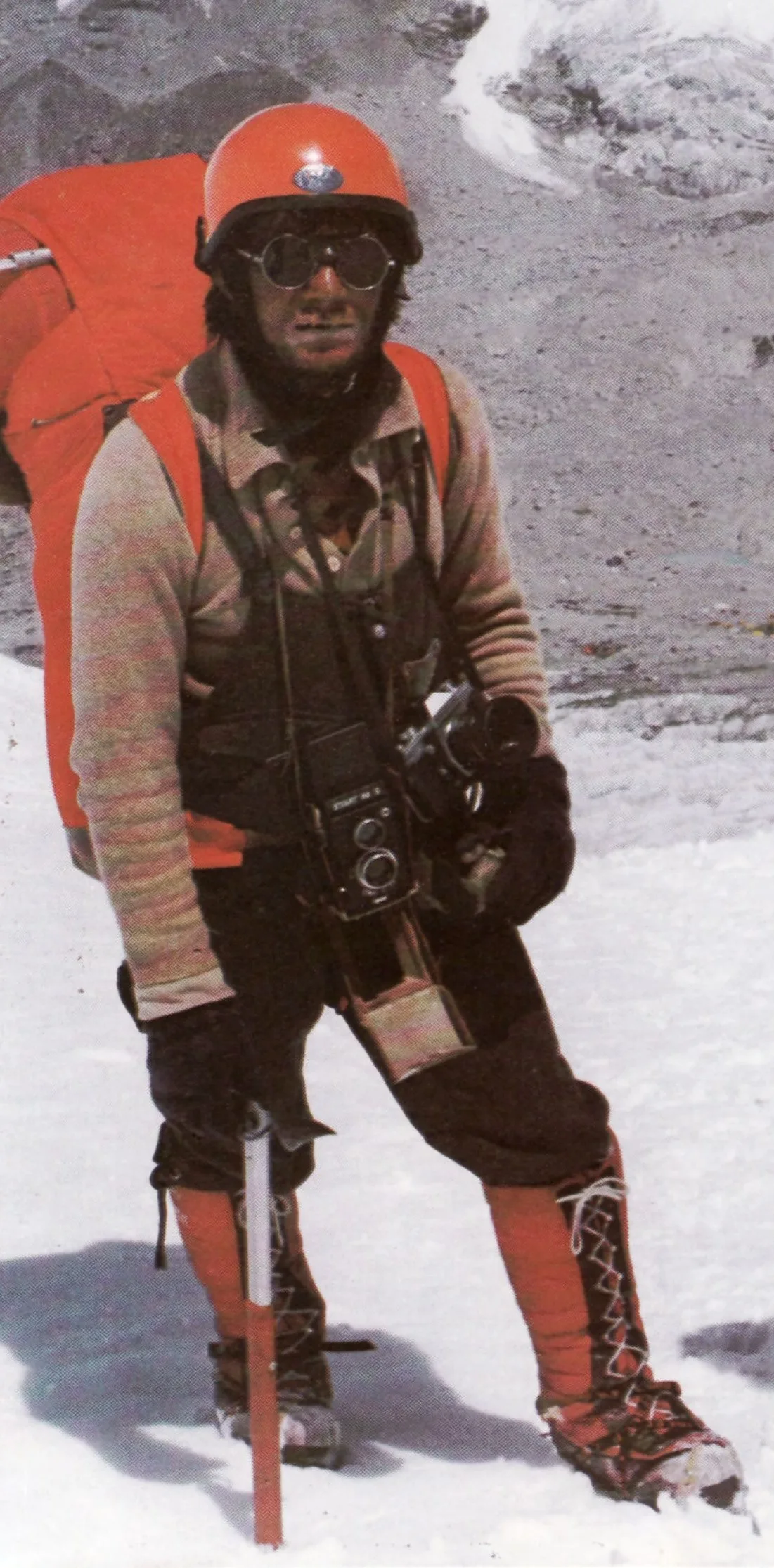
Jerzy Kukuczka
Jerzy Kukuczka was born on March 24, 1948, in Katowice, in the industrial heartland of Silesia, Poland. Working as an electrical technician in local coal mines, he found liberation and transcendence in the granite crags...
Documented Sources & Archival Citations
- Primary Alpine JournalThe Himalayan Journal: Polish Winter Expedition to Dhaulagiri 1984-85(The Himalayan Club)
Supporting claim: Official expedition report documenting the January 21, 1985 first winter ascent by Andrzej Czok and Jerzy Kukuczka
- Primary Alpine JournalAmerican Alpine Journal: Dhaulagiri I, First Winter Ascent(American Alpine Club)
Supporting claim: Climb record confirming the winter summit without supplemental oxygen via the Northeast Ridge
- Reference OverviewMy Vertical World: Climbing the 8000-Metre Peaks(Jerzy Kukuczka / Hodder & Stoughton)
Supporting claim: First-hand account of the winter summit push on Dhaulagiri I with Andrzej Czok
- Archival DatabaseThe Himalayan Database — Expedition Chronicle (DHA184402) ↗(Elizabeth Hawley / The Himalayan Database)
Supporting claim: Official Himalayan expedition chronology, camp telemetry, summit records and member log
Share Exploration
Global Mountain Intelligence
✓ Link copied to clipboard!