1989 Lee Dong-Myung Annapurna IV Historic Expedition
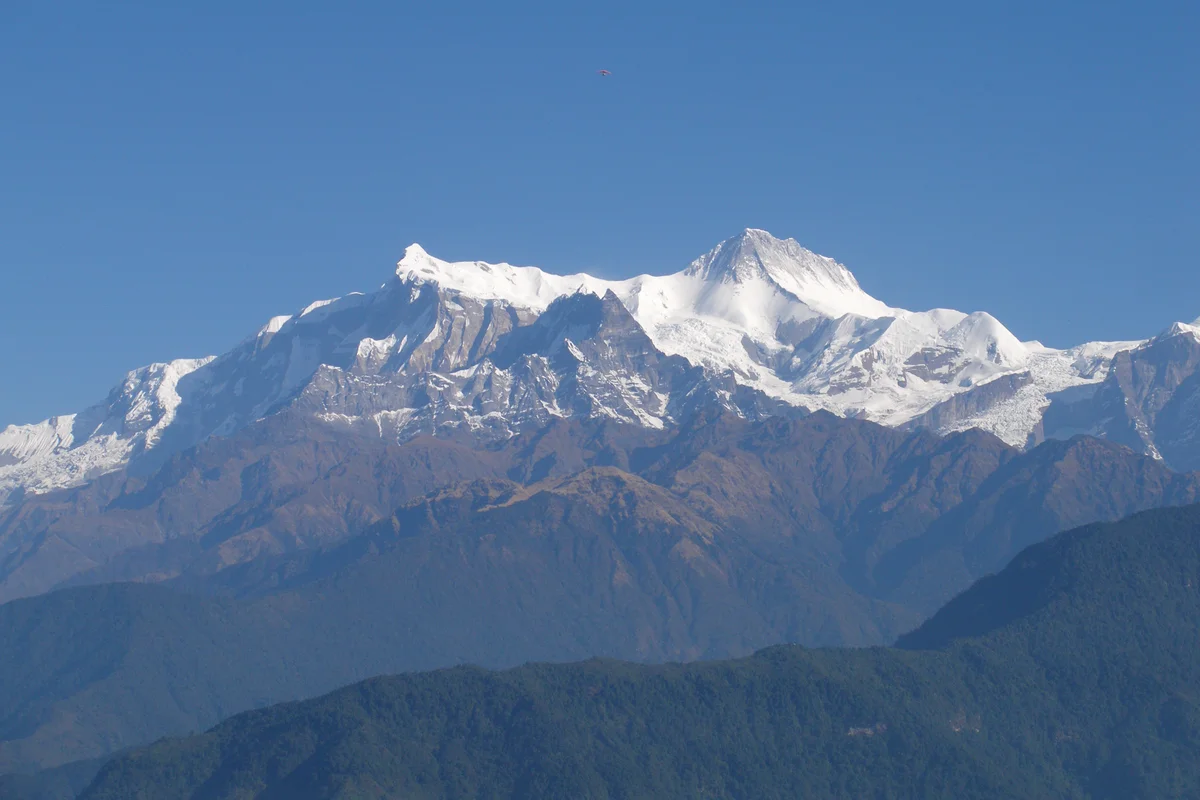
In 1989, the S Korea expedition led by Lee Dong-Myung completed a landmark ascent of Annapurna IV (7525m) via the E Ridge from N, exemplifying lightweight alpine style and tactical mastery.
Mountain Safety & Conditions Disclaimer: High-altitude climbing, glacial travel, and technical ascents entail severe objective risks including avalanches, serac collapses, rapid weather collapse, and altitude illness. Historical route descriptions and summit claims on Mountainity reflect documented archival sources and must not be used as live operational safety assessments. Local regulations, permits, and physical glacial topography change continuously.
Peer Review: Senior Editorial Board & Historical Reviewers • Editorial Standards
Official Expedition Narrative & Archival Record
During the iconic 1980s era of Polish Winter Alpinism and technical lightweight revolution, the 1989 expedition to Annapurna IV (7525m) stood as a masterclass in extreme high-altitude endurance directed by Lee Dong-Myung. Operating with support from 1989 Yeungnam University Alpine Club Annapurna II & IV Exp, the team pushed through Marshyangdi->Pisang->Salatang Khola. In severe sub-zero weather and ferocious jet-stream winds, climbers established: BC(20/08,3800m),ABC(23/08,5200m),C1(03/09,6300m),C2(11/09,7300m),C3(20/09,7400m),Smt(20/09). Confronting steep ice gullies and technical mixed terrain on the E Ridge from N, the summit party broke through to the crest on 20/09/1989 in an enduring victory for alpine exploration. Elizabeth Hawley's Himalayan Database chronicles this ascent as a landmark campaign in the golden age of Himalayan winter and alpine climbing.
Documented Team Composition
- Dong-Myung Lee (S Korea, Expedition Leader, Climbing Member)
- Duk-Woo Park (S Korea, Climber, Climbing Member)
- Byung-Ho Chang (S Korea, Deputy Leader, Climbing Member)
- Jae-Ho Chung (S Korea, Climber, Climbing Member)
- Young-Kyu Kim (S Korea, Climber, Climbing Member)
- Kab-Young Jeong (S Korea, Climber, Climbing Member)
- Joon-Mo Jeong (S Korea, Climber, Summited (20/09/1989))
- Su-Jin Lee (S Korea, Climber, Climbing Member)
- Won-Bae Jo (S Korea, Climber, Summited (20/09/1989))
- Dawa Gyalzen Sherpa (Nepal, Climber, Summited (20/09/1989))
Key Statistics & Topographic Figures
- Official Outcome
- Successful Ascent via E Ridge from N
Expedition Status
- Summit Date
- 1989-09-20
Ascent Timestamp
- Target Objective
- annapurna-iv
Mountain Peak
- Ascent Route
- the documented ascent route
Climbing Path
- Team Size
- 10 Climbers
High-Altitude Team
- Region / Country
- Nepal (Himalayas)
Geography
Defined Alpine Terminology & Concepts
- Alpine Expedition
- A planned, self-contained high-altitude mountaineering undertaking operating in remote mountain terrain subject to extreme objective hazards.
- Death Zone
- The high-altitude region above 8,000 meters where atmospheric oxygen pressure is inadequate for sustained human survival.
Frequently Asked Questions: 1989 Lee Dong-Myung Annapurna IV Historic Expedition
What was the primary outcome and achievement of the 1989 Lee Dong-Myung Annapurna IV Historic Expedition?
Successful Ascent via E Ridge from N. In 1989, the S Korea expedition led by Lee Dong-Myung completed a landmark ascent of Annapurna IV (7525m) via the E Ridge from N, exemplifying lightweight alpine style and tactical mastery.
When did the 1989 Lee Dong-Myung Annapurna IV Historic Expedition reach the summit?
The expedition officially reached the summit on 1989-09-20, operating between 0008-23-01 and 1989-09-20.
Who were the documented climbing team members on the 1989 Lee Dong-Myung Annapurna IV Historic Expedition?
The documented climbing roster included: Dong-Myung Lee (S Korea, Expedition Leader, Climbing Member), Duk-Woo Park (S Korea, Climber, Climbing Member), Byung-Ho Chang (S Korea, Deputy Leader, Climbing Member), Jae-Ho Chung (S Korea, Climber, Climbing Member), Young-Kyu Kim (S Korea, Climber, Climbing Member), Kab-Young Jeong (S Korea, Climber, Climbing Member), Joon-Mo Jeong (S Korea, Climber, Summited (20/09/1989)), Su-Jin Lee (S Korea, Climber, Climbing Member), Won-Bae Jo (S Korea, Climber, Summited (20/09/1989)), Dawa Gyalzen Sherpa (Nepal, Climber, Summited (20/09/1989)).
What climbing route and mountain objective were tackled during the 1989 Lee Dong-Myung Annapurna IV Historic Expedition?
The expedition tackled annapurna-iv via the the documented ascent route in Nepal (Himalayas).
How are the records and summit claims of the 1989 Lee Dong-Myung Annapurna IV Historic Expedition verified?
Summit claims, route topography, and timeline logs for the 1989 Lee Dong-Myung Annapurna IV Historic Expedition are cross-referenced with official alpine registries, national mountaineering federations, and primary expedition journals.
Target Objective Peak

Annapurna IV
Annapurna IV rises to an official surveyed elevation of 7525 meters (24,688 feet) above sea level in the rugged Himalayas. Characterized by steep rock headwalls, complex icefalls, and prominent ridgelines, it is positioned among the dramatic high-altitude peaks of Nepal. The mountain's geography features severe glaciated flanks feeding local glacier systems. Climbers approaching Annapurna IV typically establish remote base camps across high moraines before tackling mixed snow and rock buttresses. Modern expeditions require complete self-sufficiency, careful acclimatization schedules, and navigation through active serac zones. Annapurna IV (Nepali: अन्नपूर्ण ४) is a mountain in the eastern wing of the Annapurna mountain range in the Himalayas in Gandaki Province, Nepal. It has an elevation of 7,525 metres (24,688 ft), making it the 38th highest peak in Nepal. Documented ascents and attempts on Annapurna IV highlight the technical difficulty and sustained exposure typical of 7,000-meter peaks in this subrange. Variable weather systems, combined with sudden wind shifts and avalanche hazards, make summit pushes demanding undertakings that require seasoned alpine judgment.
Featured Expedition Climber
Dawa Gyalzen Sherpa
Dawa Gyalzen 'Da Gyalzen' Sherpa is an experienced Nepalese mountain guide with an 83% summit rate across 6 expeditions in the Himalayan Database, logging summits on Mount Everest, Lhotse, and Cho Oyu.
Documented Sources & Archival Citations
- Archival DatabaseThe Himalayan Database — The Expedition Archives of Elizabeth Hawley ↗(The Himalayan Database)
Supporting claim: Official expedition record, route logs, and summit outcomes for ANN489301
- Alpine JournalHimalayan Journal & Alpine Club Archival Expedition Chronicles(The Himalayan Club & Alpine Club)
Supporting claim: Archival expedition narrative and historical documentation for 1989 Annapurna IV climb
Share Exploration
Global Mountain Intelligence
✓ Link copied to clipboard!