1989 Soviet Kangchenjunga Four-Summit Traverse
Led by Eduard Myslovsky, the 1989 Soviet expedition accomplished an unprecedented traverse of all four 8,000-meter summits of Kangchenjunga without deaths.
Mountain Safety & Conditions Disclaimer: High-altitude climbing, glacial travel, and technical ascents entail severe objective risks including avalanches, serac collapses, rapid weather collapse, and altitude illness. Historical route descriptions and summit claims on Mountainity reflect documented archival sources and must not be used as live operational safety assessments. Local regulations, permits, and physical glacial topography change continuously.
Peer Review: Senior Editorial Board & Historical Reviewers • Editorial Standards
Official Expedition Narrative & Archival Record
In spring 1989, the Soviet State Committee for Sports launched the Second Soviet Himalayan Expedition, marshaling 22 elite climbers to conquer the entire Kangchenjunga crest. In an awe-inspiring tactical display, two teams crossed simultaneously in opposite directions across all four summits over 8,400 meters: Kangchenjunga Main (8,586m), West / Yalung Kang (8,505m), Central (8,482m), and South (8,474m). Mountaineers including Sergei Bershov, Anatoly Boukreev, and Mikhail Turkevich completed the traverse in high-altitude conditions of severe cold and thin air, creating an enduring milestone in Himalayan climbing.
Documented Team Composition
- Eduard Myslovsky (Expedition Leader)
- Sergei Bershov (Traverse Climber)
- Anatoly Boukreev (Traverse Climber)
- Mikhail Turkevich (Traverse Climber)
- Vasily Senatorov
Key Statistics & Topographic Figures
- Official Outcome
- Historic World-First Four-Summit Traverse of the Kangchenjunga Massif
Expedition Status
- Summit Date
- 1989-05-02
Ascent Timestamp
- Target Objective
- kangchenjunga
Mountain Peak
- Ascent Route
- kangchenjunga-southwest-face
Climbing Path
- Team Size
- 5 Climbers
High-Altitude Team
- Region / Country
- Nepal / India (Taplejung / Sikkim)
Geography
Defined Alpine Terminology & Concepts
- Alpine Expedition
- A planned, self-contained high-altitude mountaineering undertaking operating in remote mountain terrain subject to extreme objective hazards.
- Death Zone
- The high-altitude region above 8,000 meters where atmospheric oxygen pressure is inadequate for sustained human survival.
Frequently Asked Questions: 1989 Soviet Kangchenjunga Four-Summit Traverse
What was the primary outcome and achievement of the 1989 Soviet Kangchenjunga Four-Summit Traverse?
Historic World-First Four-Summit Traverse of the Kangchenjunga Massif. Led by Eduard Myslovsky, the 1989 Soviet expedition accomplished an unprecedented traverse of all four 8,000-meter summits of Kangchenjunga without deaths.
When did the 1989 Soviet Kangchenjunga Four-Summit Traverse reach the summit?
The expedition officially reached the summit on 1989-05-02, operating between 1989-03-25 and 1989-05-15.
Who were the documented climbing team members on the 1989 Soviet Kangchenjunga Four-Summit Traverse?
The documented climbing roster included: Eduard Myslovsky (Expedition Leader), Sergei Bershov (Traverse Climber), Anatoly Boukreev (Traverse Climber), Mikhail Turkevich (Traverse Climber), Vasily Senatorov.
What climbing route and mountain objective were tackled during the 1989 Soviet Kangchenjunga Four-Summit Traverse?
The expedition tackled kangchenjunga via the kangchenjunga-southwest-face in Nepal / India (Taplejung / Sikkim).
How are the records and summit claims of the 1989 Soviet Kangchenjunga Four-Summit Traverse verified?
Summit claims, route topography, and timeline logs for the 1989 Soviet Kangchenjunga Four-Summit Traverse are cross-referenced with official alpine registries, national mountaineering federations, and primary expedition journals.
Ascent Route & Topography
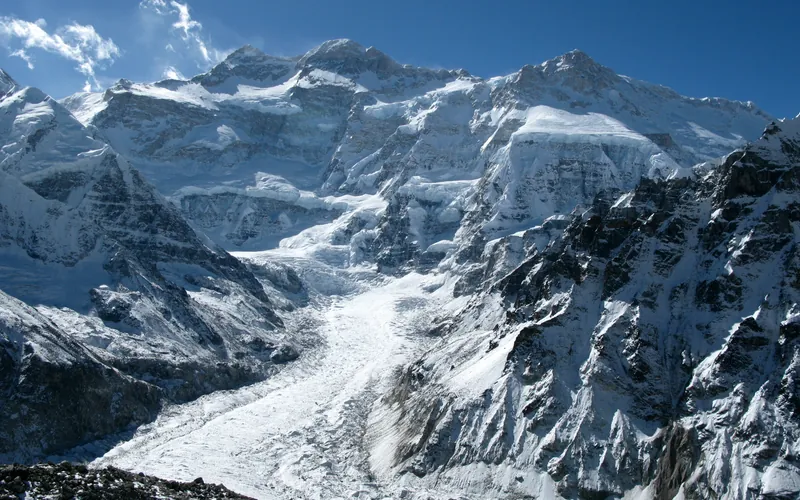
Kangchenjunga Southwest Face (Normal Route)
The Southwest Face route is the classic line of ascent on Kangchenjunga, climbing out of the Yalung Glacier cirque in eastern Nepal. First forged in 1955 by British mountaineers Joe Brown and George...
Target Objective Peak
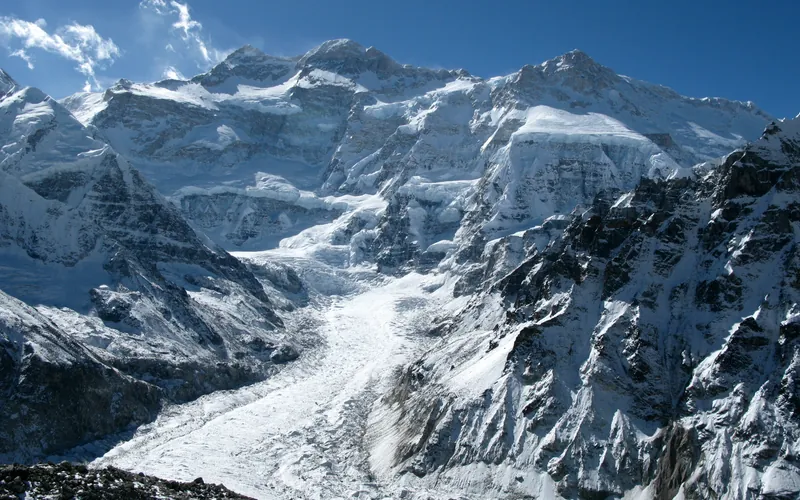

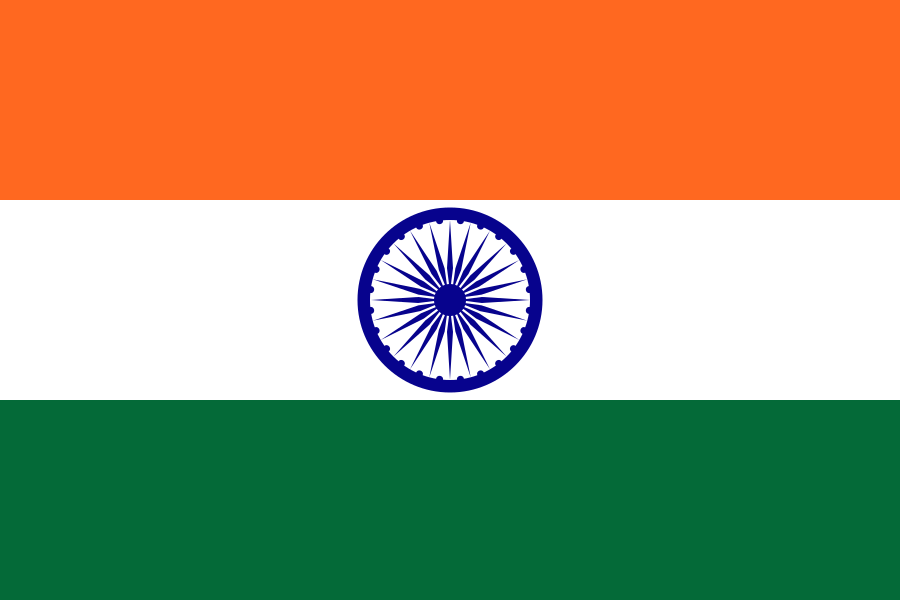
Kangchenjunga
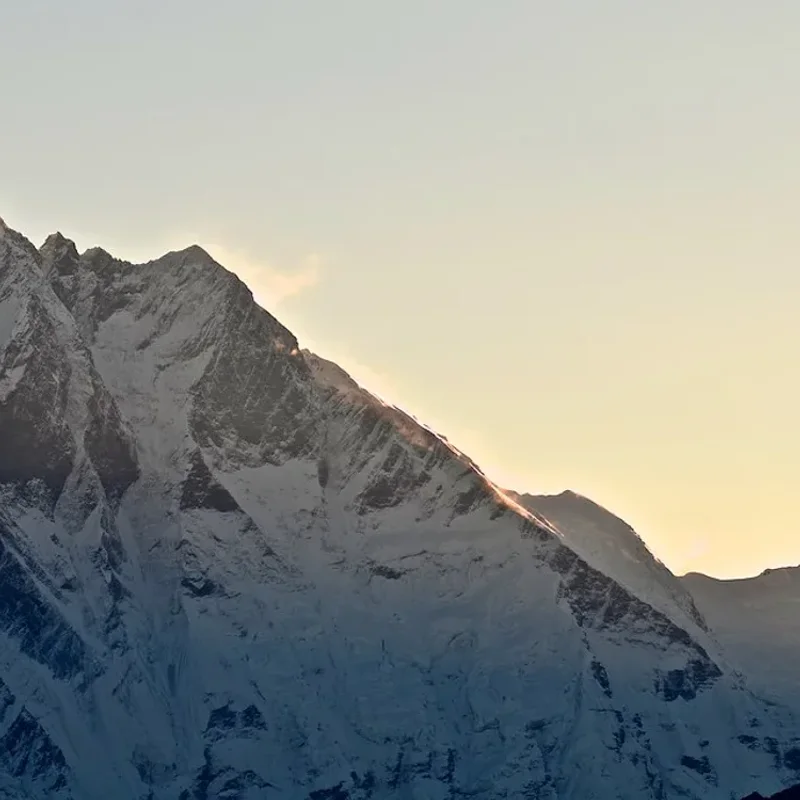
Kangchenjunga, at 8,586 meters (28,169 ft), is the third-highest mountain on Earth, rising on the border between Nepal and Sikkim, India. Honored as sacred by locals, early ascent teams respected local beliefs by stopping short of the actual highest crest. It features immense vertical relief and notorious storm cycles.
Featured Expedition Climber
Sergei Bershov
Born in 1947 in Merefa, Ukraine, Sergei Bershov was one of the Soviet Union's most decorated high-altitude athletes and rock-climbing champions. In May 1982, on the landmark Soviet Everest Expedition, Bershov and...
Documented Sources & Archival Citations
- Primary Alpine JournalAmerican Alpine Journal: Soviet Kangchenjunga Traverse(American Alpine Club)
- Archival DatabaseThe Himalayan Database — Expedition Chronicle (KANG89101) ↗(Elizabeth Hawley / The Himalayan Database)
Supporting claim: Official Himalayan expedition chronology, camp telemetry, summit records and member log
Share Exploration
Global Mountain Intelligence
✓ Link copied to clipboard!