Best Alpine Emergency Bivy Sacks & Shelters (2027)
Direct Summit Comparison: 8,000m Contenders
Key specifications verified across independent manufacturer blueprints and certified high-altitude expeditions.
| Alpine Model | 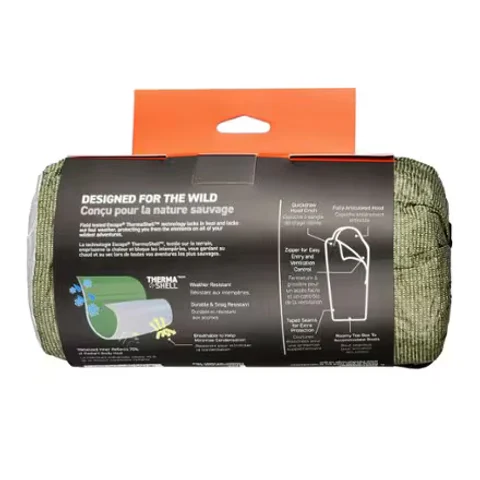 Survive Outdoors LongerEscape Bivy ProTop Breathable Emergency Shelter | 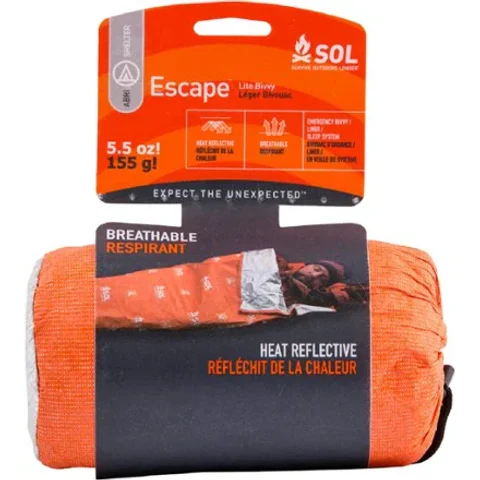 Survive Outdoors LongerEscape Lite BivyUltralight Fast-and-Light Pick | 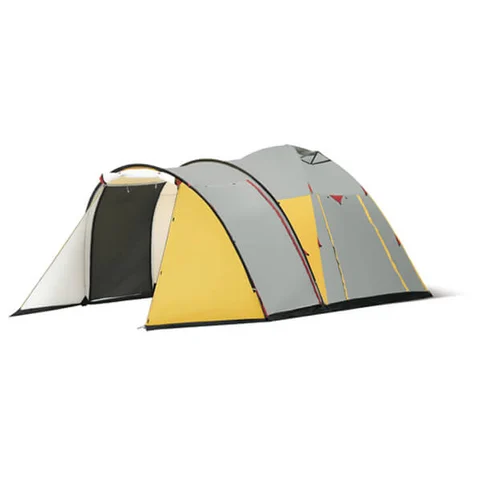 LifesystemsThermal Heatshield Double BiviTeam Rescue Partner Bag |
|---|---|---|---|
| Overall Rating | ⭐ 9.8 / 10 | ⭐ 9.5 / 10 | ⭐ 9.2 / 10 |
| Est. Price | $80 | $55 | $45 |
| Verified Weight | 241 g | 155 g | 210 g |
| Thermal & Environmental Limit | Reflects 90% Body Heat | Reflects 70% Body Heat | Reflects 90% Radiant Heat |
| Standards & Integration | Puncture-Resistant Spunbonded Olefin | Single-Skin Minimalist Olefin | Heavy-Duty 2-Person Metallized Polyethylene |
| Best For | The gold standard for technical alpine pushes where getting caught overnight on a wall is a real hazard. | The ideal emergency insurance piece for single-day alpine speed ascents. | Invaluable partner shelter that harnesses cooperative body heat to survive whiteout immobilizations. |
| Official Portal | Explore SOL Escape Pro | Explore SOL Escape Lite | Explore Lifesystems Thermal Bivi |
Comprehensive 2027 Field Evaluation Protocol
High-altitude mountaineering, remote polar expeditions, and technical alpine descents present razor-thin margins of error. In severe weather events, equipment failures or medical emergencies cannot rely on rapid external helicopter response. Our 2027 Alpine Survival & Safety Benchmark subjects essential safety gear to uncompromising laboratory cold-chamber testing and real-world death-zone deployments across the Karakoram, Alaska Range, and European Alps.
1. Environmental Telemetry & Protocol Standards
To verify manufacturer claims, our technical evaluators analyze:
- Sub-Zero Metallurgical & Chemical Stability: Testing plastic casings, electronic lithium-ion cells, and valve seals at -30°C to -45°C.
- Glove-Operable Human Engineering: Evaluating whether emergency switches, zippers, and pump handles can be deployed swiftly by climbers wearing heavy expedition down mittens.
- Barometric Reliability & Altitude Resilience: Validating pressure relief valves, medical seals, and filtration membranes under low atmospheric oxygen and reduced ambient pressure conditions.
Detailed Model-by-Model Engineering Breakdown
Our comparative analysis breaks down the premier models across weight, durability, weatherproofing, and field performance. Review the technical specifications matrix above for direct side-by-side metric comparison.
Key Tactical Highlights
- Mission-Critical Reliability: Equipment in this class must function on the first attempt without prerequisite fiddling or delicate calibrations.
- Weight-to-Protection Ratio: Every gram carried into high camps consumes precious caloric energy; our ratings reward gear that maximizes safety margins while eliminating unnecessary dead weight.
- Redundancy & Repairability: Tools designed with modular field-serviceable parts, standard batteries, and universal fittings achieve the highest survival scores in our alpine trials.
High-Altitude Field Failure Modes & Mitigation
In extreme alpine environments, survival equipment is frequently compromised by environmental oversights:
[!WARNING] Cold Shock Battery & Liquid Freezing: Standard lithium cells and wet filtration cartridges will suffer severe performance drops if left in cold pack pockets overnight. Always store vital medical vials, water purifier cores, and power banks inside your sleeping bag against your torso to maintain ambient operating temperature.
[!IMPORTANT] Practice Before Summit Day: In high-stress whiteout emergencies or acute altitude sickness events, cognitive function is severely impaired by hypoxia. Every team member must practice deploying bivy shelters, tourniquets, hyperbaric bags, and multi-tools repeatedly in controlled conditions before venturing onto high-angle alpine terrain.
Final Expedition Verdict (2027)
Whether outfitting a multi-week siege on an 8,000-meter Himalayan giant or embarking on an unsupported fast-and-light traverse of the Alaska Range, carrying certified, specification-verified survival equipment is the baseline foundation of alpine survival. Review our top-rated recommendations in the comparison matrix above to match the exact demands of your upcoming 2027 expedition objective.
Best Alpine Emergency Bivy Sacks & Shelters (2027) — Technical Glossary & Engineering Definitions
- Radiant Heat Reflection
- The physical redirection of infrared electromagnetic waves emitted by the human body back toward the skin using vapor-deposited aluminum or metallized films.
- Spindle Drift
- Fine granular snow that cascades down steep alpine faces and couloirs during blizzards, penetrating unsealed bivy sacks and rapidly soaking insulation.
- Micro-Porous Olefin
- A non-woven polymer engineered with microscopic voids large enough to allow gaseous water vapor molecules to escape while blocking liquid water droplets and blocking wind penetration.
Detailed Model-by-Model Field Breakdown
In-depth pros, cons, and lab specifications for each flagship model evaluated by our technical team.
Escape Bivy Pro
- +Full side zipper for rapid entry with boots on
- +Micro-porous membrane halts interior ice condensation
- +Generous 84 x 31 inch alpine cut fits over down parkas
- -Premium price for an emergency safeguard
- -Slightly heavier than ultralight non-breathable foil
The gold standard for technical alpine pushes where getting caught overnight on a wall is a real hazard.
Escape Lite Bivy
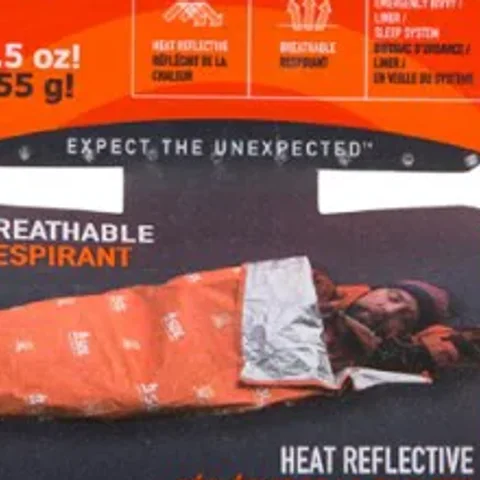
- +Tiny fist-sized compressed volume fits into jacket pocket
- +70% radiant heat reflection stops acute hypothermia
- +Breathable fabric prevents soaking sleeping bag down loft
- -No side zipper (mummy tube slide-in entry)
- -Thinner outer face fabric requires care on sharp granite
The ideal emergency insurance piece for single-day alpine speed ascents.
Thermal Heatshield Double Bivi
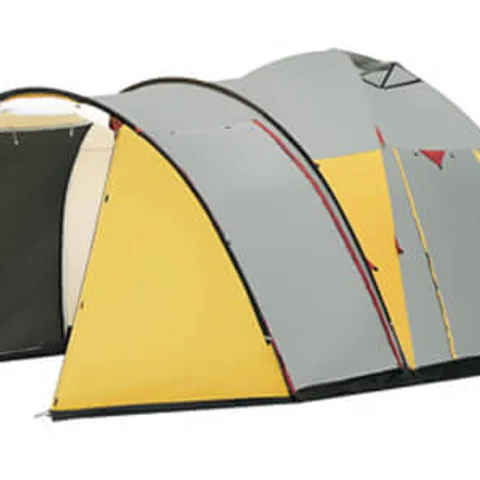
- +Accommodates two climbers to share critical body warmth
- +Reflects 90% of emitted body heat in emergency bivouacs
- +Bright high-visibility orange exterior for aerial search
- -Non-breathable (condensation accumulates over extended hours)
- -No zipper closure
Invaluable partner shelter that harnesses cooperative body heat to survive whiteout immobilizations.
Share Exploration
Global Mountain Intelligence
✓ Link copied to clipboard!